You’re hearing that electric cars are safer than gasoline cars… but you’re also seeing viral videos of battery fires. No wonder drivers are confused. If you’re trying to decide between a gas car and an EV, especially a used one, you need more than hype. You need real-world data and clear trade‑offs.
Quick answer
Are Electric Cars Really Safer Than Gas Cars?
Let’s separate three different questions that often get lumped together when people argue that electric cars are safer than gasoline cars:
- How well do they protect you in a crash?
- How likely are they to catch fire?
- How much do software and driver‑assist features help you avoid crashes in the first place?
EV Safety by the Numbers
Important nuance
Why Many EVs Perform Better in Crashes
The biggest advantage most electric cars have over gasoline cars in a crash is structural. The battery pack is heavy and usually mounted low in the floor. That changes how the car behaves when things go wrong.
1. Low center of gravity
With a battery under the floor, EVs have a lower center of gravity than comparable gas cars. That makes them more resistant to rollovers, one of the most dangerous crash types.
- Less likely to tip in sharp maneuvers
- More stable in emergency lane changes
- Helps keep the cabin upright in many side impacts
2. Big, predictable crumple zones
Without an engine block up front, designers have more freedom to engineer longer crumple zones, which can absorb more energy before it reaches you.
- More structure to deform before the cabin
- Better control over how crash forces spread
- Space for additional reinforcement and airbags
How Modern EVs Are Doing in Crash Tests
Recent crash tests show EVs holding their own, or beating, gas rivals.
Top crash scores
Strong occupant protection
Heavy, but well‑controlled
How to use crash ratings when you shop
Fire Risk: EV vs Gas – What the Numbers Show
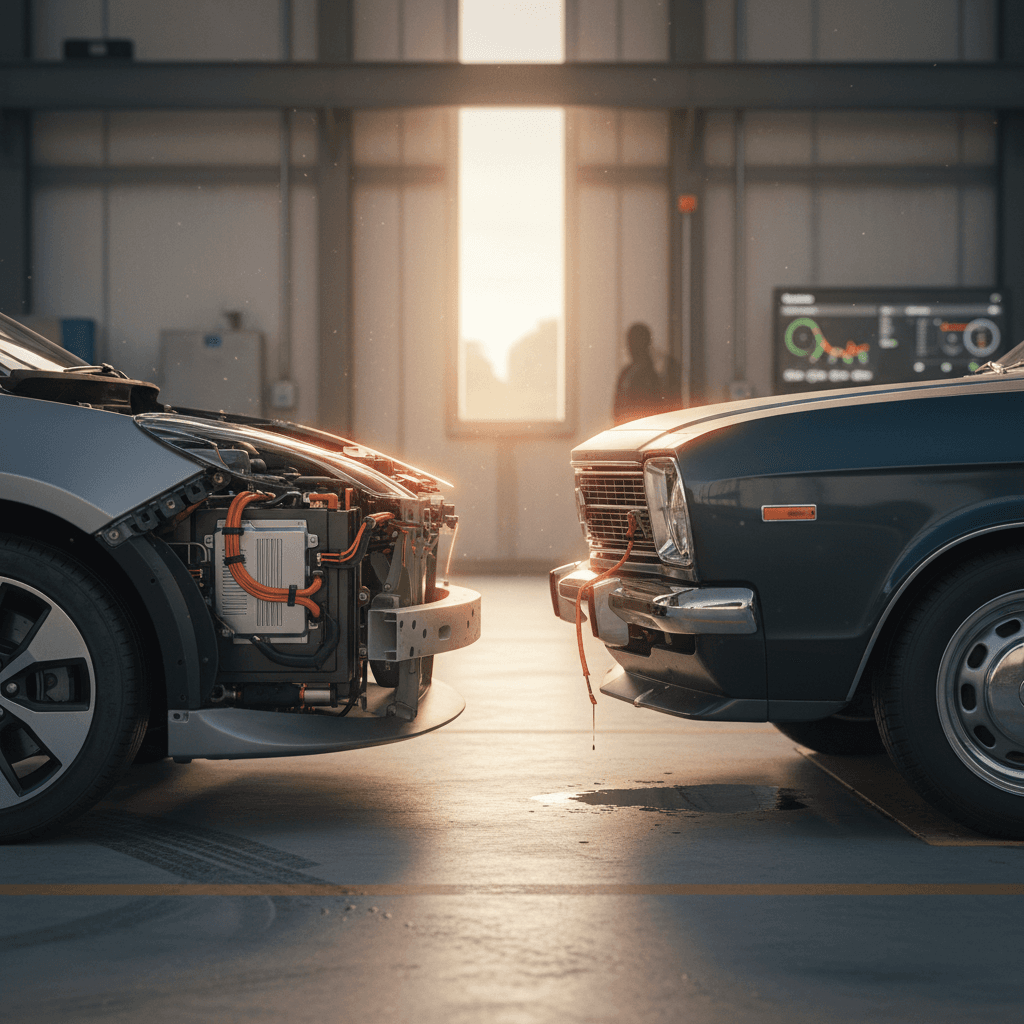
Here’s where public perception and reality diverge. Gasoline is extremely flammable, and traditional cars have fuel lines running past hot exhaust components. By contrast, EVs store energy in sealed battery packs with multiple layers of electronic protection. The result: EVs do catch fire, but they do so far less often than gasoline cars.
Estimated Fire Risk: Electric vs Gasoline
Approximate real‑world fire risk based on aggregated global and national data.
| Vehicle type | Estimated fires / 100,000 vehicles | Approximate probability | Notes |
|---|---|---|---|
| Battery‑electric vehicle | ~25 | ~0.025% | Rare events; most linked to severe crashes, external damage or faulty charging setups. |
| Gasoline vehicle | ~1,500 | ~1.5% | Fuel leaks, aging components and crashes contribute to much higher fire rates. |
| All petrol/diesel vehicles (global estimate) | ≈0.1% | 0.1% | Some studies suggest gas/diesel cars are 20–80 times more likely to burn than EVs. |
The headline: fires in gasoline cars are common enough to be background noise; EV fires are rare but behave differently when they occur.
Why EV fires make headlines
Where EVs Can Be Riskier – Or Just Different
Saying “electric cars are safer than gasoline cars” doesn’t mean there are no trade‑offs. EVs bring their own set of safety considerations that you should understand, especially if you live in an apartment, park in garages, or do a lot of high‑speed highway travel.
EV‑Specific Safety Considerations
Lower everyday risk, but special cases to respect.
Battery fires are harder to fight
Heavier vehicles hit harder
Cold‑weather range and planning
Charging equipment quality matters
Never cut corners on charging
Driver Assistance Tech and EV Safety
Many shoppers quietly assume that if an electric car has advanced driver‑assistance features, lane centering, adaptive cruise, or even “autopilot”‑style systems, it must automatically be safer. The reality is more complicated.
What helps
- Automatic emergency braking (AEB) can significantly reduce rear‑end crashes and pedestrian impacts when drivers are distracted.
- Blind‑spot monitoring helps avoid lane‑change collisions, especially on crowded interstates.
- Rear cross‑traffic alerts are a big win in parking lots, where many low‑speed crashes happen.
What doesn’t (yet)
- Hands‑free or semi‑automated systems haven’t shown clear, broad crash‑reduction benefits in real‑world data.
- Poor driver monitoring can lead to over‑trust, drivers assuming the car will save them from everything.
- Marketing sometimes oversells these systems, which can create risky behavior.
How to think about driver aids
Used EV Safety: What to Check Before You Buy
If you’re shopping used, your question isn’t just whether electric cars are safer than gasoline cars in theory. It’s whether this specific used EV will protect you and your family better than the used gas car parked next to it. Here’s how to approach that decision.
Key Safety Checks for a Used EV
1. Confirm crash-test performance
Look up the model’s crash ratings from trusted testing programs. Prioritize vehicles with top overall ratings and strong side‑impact and small‑overlap scores.
2. Review airbag and safety equipment
Make sure the car has modern essentials: multiple airbags, stability control, automatic emergency braking, and blind‑spot monitoring where possible.
3. Examine battery health, not just range
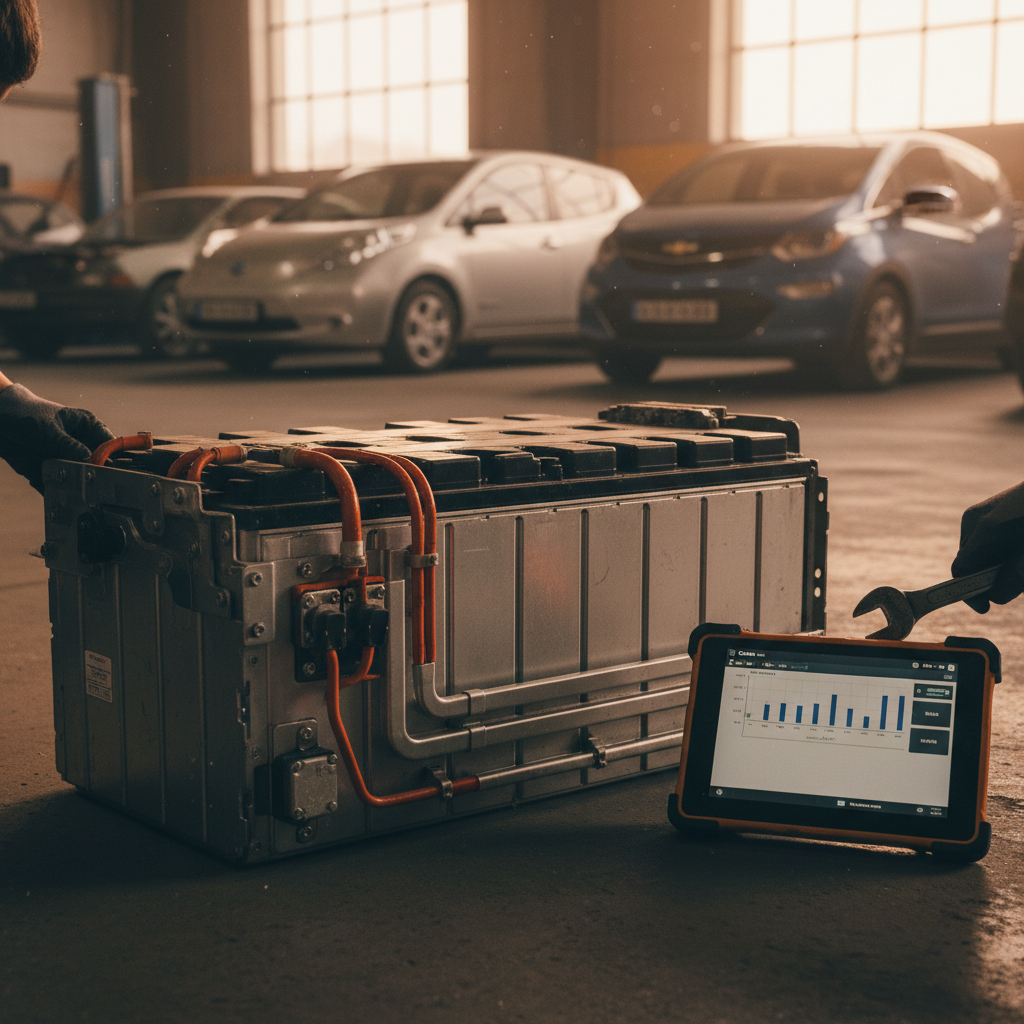
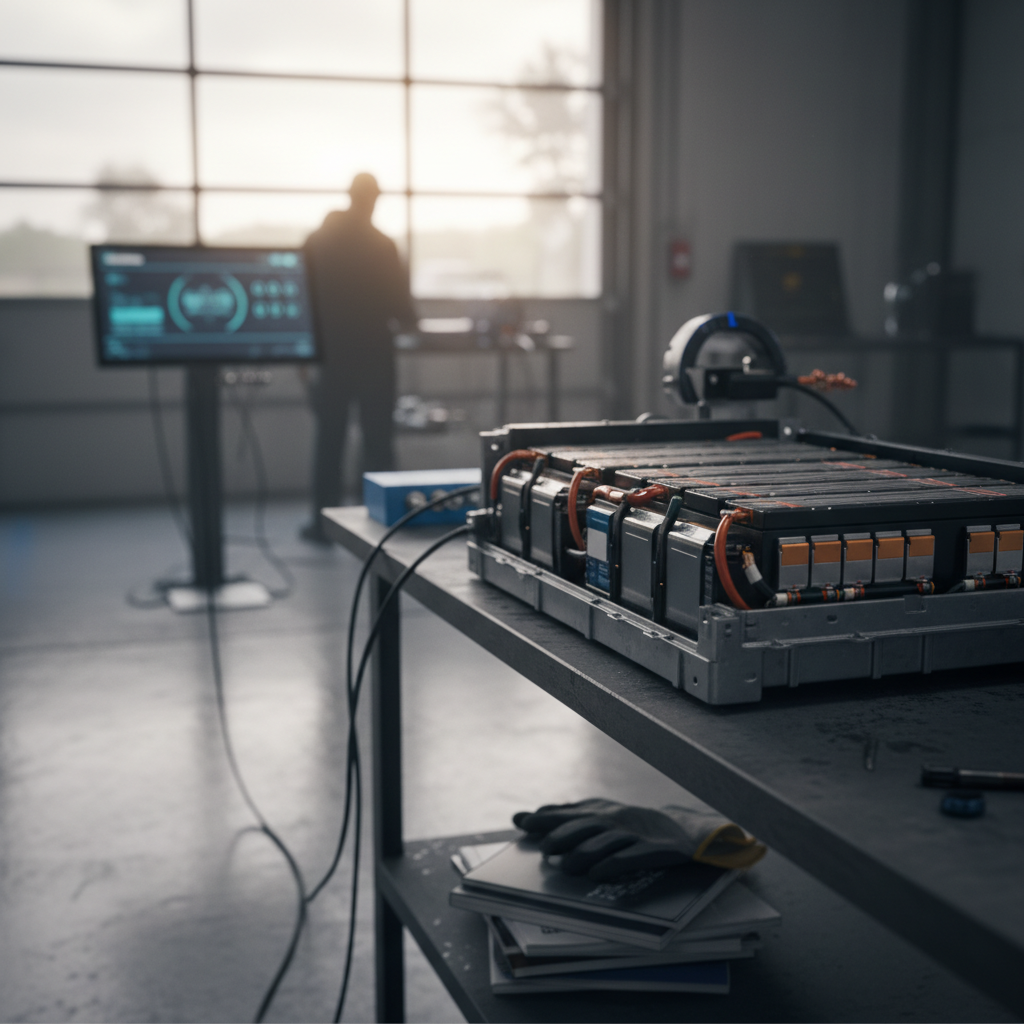
A degraded battery isn’t just about shorter range. Abnormal wear can hint at past abuse or thermal issues. At Recharged, every car gets a <strong>Recharged Score</strong> with verified battery diagnostics, so you’re not guessing.
4. Check for any fire or flood history
Read the vehicle history report carefully. Avoid cars that have been in serious fires or floods; moisture and heat are not friends of high‑voltage systems.
5. Inspect underbody and high‑voltage components
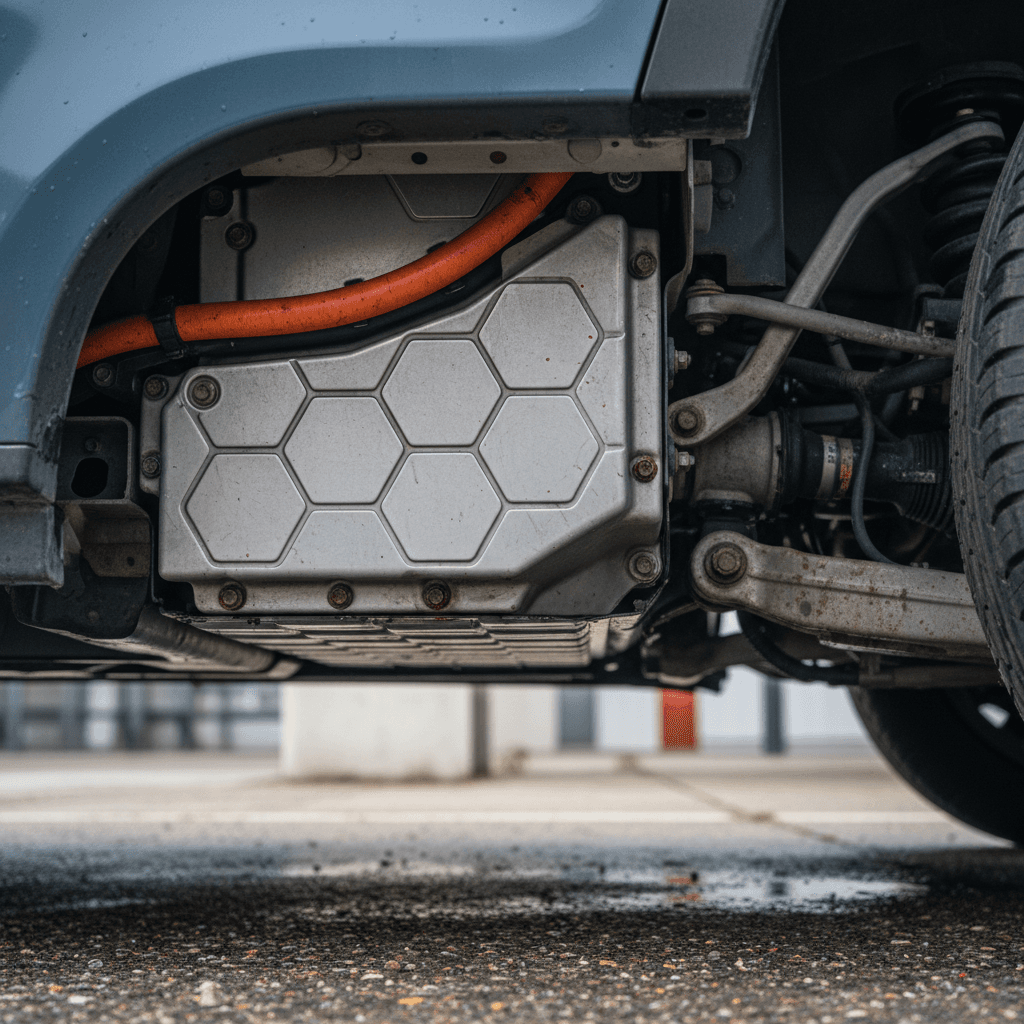
Look for damage around the battery tray and high‑voltage cabling, especially on cars that may have been off‑road or hit debris. Structural damage here is a serious red flag.
6. Verify charging equipment and wiring
If home charging gear is included, have an electrician or EV specialist inspect it. Poorly installed chargers are a bigger risk than the vehicle itself.
How Recharged Evaluates EV Safety and Battery Health
Used EVs can be an outstanding safety value, especially when someone has already done the hard diagnostic work for you. That’s where Recharged comes in.
What Recharged Adds on Top of Factory Safety
Data, diagnostics, and EV‑specialist guidance.
Recharged Score battery diagnostics
High‑voltage system inspection
Expert EV‑specific guidance
Ready to find your next EV?
Browse VehiclesBecause our process is fully digital, with an Experience Center in Richmond, VA if you want to see vehicles in person, you can compare charging basics, battery health, and safety features from your couch, then arrange nationwide delivery when you’re ready.
Checklist: Making a Safer Switch from Gas to Electric
If you’re leaning toward an EV because you believe electric cars are safer than gasoline cars, here’s a concise safety‑first roadmap to follow.
Safety‑First EV Switch Checklist
1. Start with crash ratings, not hype
Filter your shopping list down to EVs (and gas cars) with strong crash scores. Safety structure is the foundation; everything else is a bonus.
2. Consider where and how you drive
If you do lots of high‑speed interstate trips, prioritize vehicles with advanced driver‑assist features and great lane‑keeping performance. For city driving, pedestrian‑detection and automatic braking matter more.
3. Plan safe home charging from day one
Budget for a proper Level 2 charger installation by a licensed electrician. Treat it like installing a high‑draw appliance, not a phone charger.
4. Think about who will drive the car
New drivers and teens benefit from EVs with calm acceleration modes, robust crash protection, and simple driver‑assist systems that don’t encourage overconfidence.
5. Use battery health reports, not gut feel
Range readouts can hide underlying issues. Use independent diagnostics like the <strong>Recharged Score</strong> to understand how the battery has aged.
6. Don’t ignore traditional safety basics
Good tires, proper alignment, working brakes and clean glass do as much for safety as any fancy software, on EVs and gas cars alike.
FAQ: EV vs Gas Safety Questions
Frequently Asked Questions About EV vs Gas Safety
Bottom Line: Are Electric Cars Safer?
When you look past headlines and marketing, a clear pattern emerges: well‑designed electric cars are at least as safe, and often safer, than comparable gasoline cars. They burn far less often, they protect occupants extremely well in modern crash tests, and they pair naturally with driver‑assistance tech that can help you avoid trouble in the first place.
That doesn’t mean every EV is a safety champ or that you can ignore basics like proper charging installation and routine maintenance. It means that when you shop smart, using crash data, equipment lists, and real battery diagnostics, switching from gas to electric can be a safety upgrade, not just a fuel‑cost or emissions decision.
If you’re ready to compare specific used EVs, Recharged can help you line up battery health, safety ratings, and pricing side‑by‑side, then handle everything from trade‑in to financing and nationwide delivery. The right EV can move you away from gas and toward a safer daily drive.