If you’re trying to figure out the electric car tax credit and how to claim it in 2026, you’ve already discovered the bad news: the generous federal EV tax credits that ran through September 30, 2025 are gone. But there are still ways to reduce the cost of going electric, especially if you’re shopping used, and there are still IRS rules you have to follow to keep the money you were promised.
Quick 2026 reality check
Overview of the 2026 electric car tax credits
From 2023 through late 2025, the Inflation Reduction Act’s Clean Vehicle Credit reshaped the EV market. The headline was simple: up to $7,500 off a qualifying new EV, and up to $4,000 off a qualifying used EV, often taken right at the dealership as a point‑of‑sale rebate. By 2026, the law’s phase‑out schedule and later legislation have done two things: sharply limited new federal incentives for vehicles placed in service after September 30, 2025, and made the rules for leftover claims much more paperwork‑driven.
Key numbers EV shoppers should know in 2026
So when people ask, “Can I still get an EV tax credit in 2026?” the honest answer is: it depends entirely on when you placed the vehicle in service and how the deal was structured. If your EV was delivered before the September 30, 2025 cutoff, or you’re just now filing for it, you’re in the game. If you’re buying an EV in late 2025 or 2026, you’re mostly looking at state programs, utility rebates, and, crucially, the price break that the used market has already baked in.
Who still qualifies for EV tax help in 2026?
Main groups who may touch an EV credit in 2026
Check which camp you’re in before you worry about forms
You bought a new EV before Sept. 30, 2025
If you placed a qualifying new EV in service before the phase‑out deadline, you may:
- Have already transferred the credit to the dealer at purchase, or
- Still need to claim it on your 2025 or 2026 tax return using Form 8936.
You bought a used EV before Sept. 30, 2025
Previously owned EV credit rules are different. If your income and vehicle qualified, you could:
- Take up to $4,000 (or 30% of price, whichever is less)
- Either at the dealership or on your tax return.
You’re buying now, in late 2025–2026
For vehicles placed in service after the federal phase‑out dates, you generally:
- Can’t claim the old federal clean vehicle credits
- But you may stack state rebates, utility perks, and aggressive used‑EV pricing.
Don’t assume your dealer is right
How the clean vehicle credit works (new vs used)
New clean vehicle credit (Section 30D)
- Up to $7,500 for qualifying new EVs placed in service before Sept. 30, 2025.
- Split into two $3,750 layers: one for critical minerals, one for battery components.
- Stringent rules for final assembly in North America and for where battery materials come from.
- Income limits and MSRP caps applied; many luxury EVs never qualified.
- Could be taken as a point‑of‑sale rebate at the dealership starting in 2024, or claimed on Form 8936.
Previously owned (used) clean vehicle credit (Section 25E)
- Up to $4,000, capped at 30% of the sale price for eligible used EVs.
- Vehicle had to be at least 2 model years old, under a price cap, and not already claimed as a clean‑vehicle credit.
- Strict income caps and a one‑time‑per‑vehicle rule.
- Also available as a point‑of‑sale benefit or via Form 8936 on your tax return.
By 2026, you’re not starting fresh with these programs, you’re dealing with the trailing edge of a complex policy experiment. The core mechanics still matter, though, because the IRS will absolutely claw back money if the credit you took at the dealership or on your return doesn’t line up with your 2025–2026 tax reality.
Step 1: Check vehicle and income eligibility before you buy
If you’re reading this before signing anything, you’re ahead of the game. The clean vehicle rules were never “buy any EV, get $7,500.” They were a maze of income limits, price caps, and VIN‑specific eligibility, and the same logic applies to any leftover credit you’re trying to claim in 2026.
2026 pre‑purchase eligibility checklist
1. Confirm when the vehicle is placed in service
For tax purposes, what matters is when you take delivery and start using the car, not when you ordered it. Credits tied to the old rules only apply to vehicles placed in service before the phase‑out dates written into law.
2. Verify the VIN against IRS lists
Use the IRS’s clean vehicle lookup tools or manufacturer certifications to see whether that exact make, model, and trim ever qualified for the federal credit. If a car never qualified, no paperwork magic will create a credit in 2026.
3. Check your modified AGI
The clean vehicle credits were always subject to modified adjusted gross income (MAGI) caps. If your income for the relevant year is too high, you can’t claim or keep the credit, even if the dealer gave you a rebate at the time of sale.
4. For used EVs, confirm it’s the first resale
The used EV credit applied only to the first resale of a qualifying vehicle, with a separate price cap. A three‑owner Tesla Model 3 is a lovely thing, but it won’t qualify as “previously owned” under the old federal rules.
5. Ask the dealer if they’re IRS‑registered
Once the point‑of‑sale system came online, only registered dealers who filed electronic seller reports could offer the point‑of‑sale clean vehicle benefit. If your 2025 purchase involved a dealer who wasn’t registered, you’re in tax‑return territory, not rebate land.
Use the tax credit as a bonus, not a crutch
Step 2: Decide between point‑of‑sale rebate or tax‑time credit
For vehicles placed in service while the federal programs were still active, you had two basic ways to capture the clean vehicle credit: take it right at the dealership, or leave it on the table and claim it on your tax return the following year. In 2026, you may be living with the after‑effects of that decision.
Point‑of‑sale rebate vs claiming on your return
How the choice played out for buyers under the old rules, and what it means if you’re filing now.
| Question | Point‑of‑sale rebate at dealer | Claimed later on tax return |
|---|---|---|
| When did you get the money? | At purchase, as a price reduction or cash benefit | When you filed your federal return for that year |
| Which forms are involved now? | Seller reported through IRS Energy Credits Online; you still reconcile on Form 8936 | You calculate the credit and claim it on Form 8936 with your return |
| Do income limits still apply? | Yes. If you ended up over the limit, IRS can claw the credit back. | Yes. If you’re over the limit, the credit simply isn’t allowed. |
| Do you have to owe tax? | Mechanically the credit is non‑refundable, but the point‑of‑sale system advanced it through the dealer. Ineligible advances can be reversed later. | The credit reduces your federal income tax; if you owe less tax than the credit, the excess doesn’t come back as cash. |
If you bought in 2024–2025, you don’t get to change your mind in 2026, but you do need to know how you originally took (or didn’t take) the credit.
Clawback risk is real
Step 3: Paperwork you must get from the dealership
The modern EV credit era turned dealerships into semi‑professional tax‑credit brokers. When they did it right, you walked out with clean documentation that makes your 2026 life easy. When they did it wrong, you’re piecing the story together months later with a shoebox of emails.
- A detailed buyer’s order or purchase agreement showing the vehicle’s VIN, purchase price, and date placed in service.
- A seller’s report or similar document that states the vehicle’s eligibility for the federal credit and the amount of credit applied, if any.
- Any Form 15400 or dealer‑generated confirmation used to transfer the credit to the dealer under the point‑of‑sale program.
- For used EVs, documentation that shows the mileage, model year, and that this was the first qualifying resale.
- Proof that the seller is a registered dealer for clean vehicle credits (often noted directly on the paperwork).
If something’s missing, ask now
Step 4: How to claim the credit on your 2026 tax return
Let’s say you bought an eligible EV before the 2025 cutoff and either didn’t take the point‑of‑sale option or your dealer wasn’t set up for it. In that case, 2026 may be the year you finally claim the credit for a late‑2025 purchase. The mechanics are fussy but not mysterious.
Step‑by‑step: Claiming an EV credit with Form 8936
1. Confirm which tax year applies
Use the tax year in which the vehicle was placed in service. A car delivered in November 2025 generally ties to your 2025 federal return, even if you financed it over 72 months or ordered it months earlier.
2. Gather your documentation
You’ll need your purchase agreement, seller’s report, and any dealer forms tied to the clean vehicle credit. Have the VIN handy; you’ll enter it on Form 8936.
3. Complete Form 8936
Use the version of Form 8936 and its instructions that correspond to the relevant tax year. You’ll enter details about the vehicle, check the boxes confirming it meets clean‑vehicle rules, and compute the allowable credit. This flows to your Form 1040.
4. Coordinate with your tax software or preparer
Most consumer tax software now has a dedicated “clean vehicle credit” workflow. Answer every question honestly, especially about income and whether you already got a point‑of‑sale benefit. If you use a preparer, bring every scrap of EV‑related paperwork.
5. Keep everything for your records
Because the rules changed every year or two, you want to keep IRS instructions, dealer confirmations, and Form 8936 copies together for at least as long as the statute of limitations on your return. If the IRS sends a letter in 2028 asking about your 2025 EV, you’ll be glad you did.
What if you transferred the credit to the dealer?
Common mistakes that get EV credits denied
The EV boom years left a trail of bewildered buyers who assumed the credit was automatic. In 2026, the IRS has had time to train its computers on that chaos. If you’re trying to keep or claim a clean vehicle credit this year, here are the missteps that most often trigger trouble.
Mistakes that turn a sweet credit into a sour letter
Most are preventable with a 10‑minute double‑check
Ignoring income limits
Clean vehicle credits were never designed for every household. If your MAGI exceeds the limit for the relevant year, the credit simply isn’t allowed. Taking a point‑of‑sale rebate doesn’t change that; it just makes the eventual clawback more painful.
Mismatched VIN or wrong model year
Entering an incorrect VIN or assuming a trim level qualifies when it doesn’t is a great way to get a notice. The IRS cross‑checks your return against manufacturer and dealer data. If the car never met the clean vehicle requirements, the credit disappears.
No proof of dealer registration
If your point‑of‑sale rebate came from a dealer who never actually registered with the IRS clean‑vehicle system, you may discover that the government doesn’t recognize your discount as a valid credit. That’s why keeping the seller report matters.
Trying to double‑dip
You can’t treat the same vehicle as both new and used, or claim a second previously owned credit when one has already been taken on that VIN. The system was designed to spot serial claims on the same car.
Be honest with your tax pro
Planning ahead if you’re buying a used EV
For shoppers walking into the 2026 market, the real story isn’t federal tax gymnastics; it’s how much value is now baked into used EV pricing. Years of tax credits, rapid tech improvement, and aggressive new‑car discounts have pushed many 3–6‑year‑old electric cars into the bargain bin. The smartest thing you can do is buy the right used EV at the right price, then treat any state‑level perk as icing on the cake.
What to prioritize instead of chasing credits
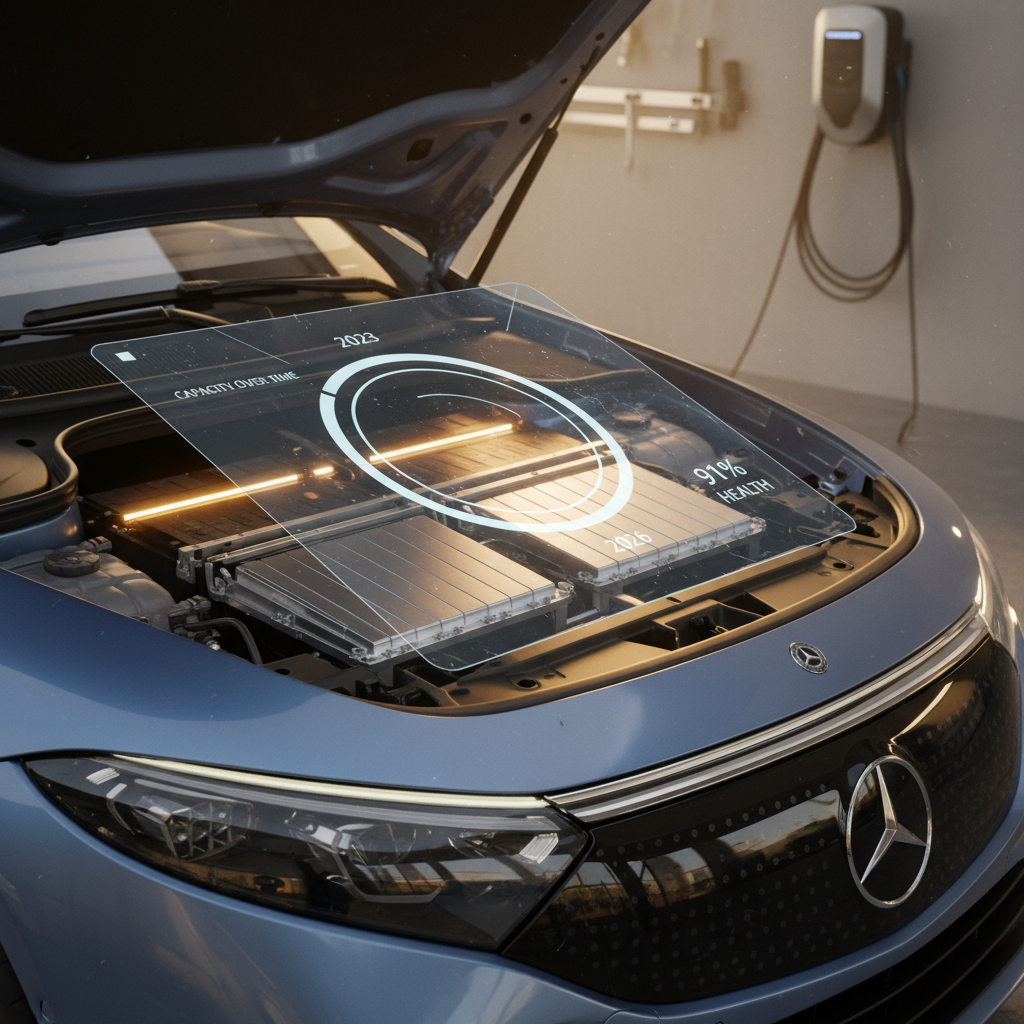
- Battery health: A cheap EV with a tired pack can erase any savings. Look for independent battery‑health data, not just a guess based on the dash gauge.
- Total cost of ownership: Compare insurance, electricity rates, and maintenance across candidates.
- Charging fit: Make sure the car’s charging speed and connector ecosystem match your real life, not your fantasies about 500‑mile road trips.
How Recharged fits into this new landscape
At Recharged, every used EV comes with a Recharged Score Report that includes verified battery diagnostics, fair‑market pricing, and a clear history of how the car has been used. Our specialists can help you:
- Understand which federal incentives still matter for your specific purchase history.
- Stack state and utility programs on top of a solid used‑EV deal.
- Trade in a gas car or older EV and arrange financing and nationwide delivery without stepping into a dealership game of telephone.
Use incentives to negotiate, not justify
FAQ: Electric car tax credit rules in 2026
Frequently asked questions about claiming EV tax credits in 2026
Should you still buy an EV without the full $7,500 credit?
By 2026, the federal electric car tax credit is less of a golden ticket and more of a ghost, something you mainly deal with if you bought at the right time and are now doing the paperwork to match. That doesn’t mean the EV story is over. It means the value has shifted from Washington’s balance sheet to the used market and to how intelligently you shop.
If you already bought an eligible EV in the 2023–2025 window, your priority now is filing clean, accurate forms so you keep what you’re entitled to and avoid surprises. If you’re shopping today, your best play is a well‑chosen used EV with strong battery health, fair pricing, and realistic running costs, exactly the kind of car Recharged specializes in. The tax credits may be fading, but the economics of electric driving, especially with the right used EV, are only getting better.