Search for “electric car offers” in late 2025 and you’ll see a confusing mix of deep discounts, disappearing tax credits, and lease ads that sound better than they really are. The EV market has cooled from its 2021–2023 frenzy, used prices have fallen for some models (especially Tesla), and the old federal purchase credit is gone, but if you know where to look, there are still genuinely good offers out there, especially on used electric cars.
Quick snapshot: electric car offers in 2025
Why electric car offers look strange in 2025
Before you can judge whether an electric car offer is good, you need to understand why EV deals in 2025 don’t look like traditional gas‑car incentives. A few structural shifts have reshaped the market in the U.S.
- The federal $7,500 purchase tax credit for new EVs ended on September 30, 2025, after a mid‑year tax bill changed the rules. That instantly removed a big, headline‑friendly discount from many ads.
- Automakers responded by leaning harder on lease subventions, hidden financial support from their captive finance arms, to keep monthly payments attractive on new EV leases, even when the sticker price didn’t move much.
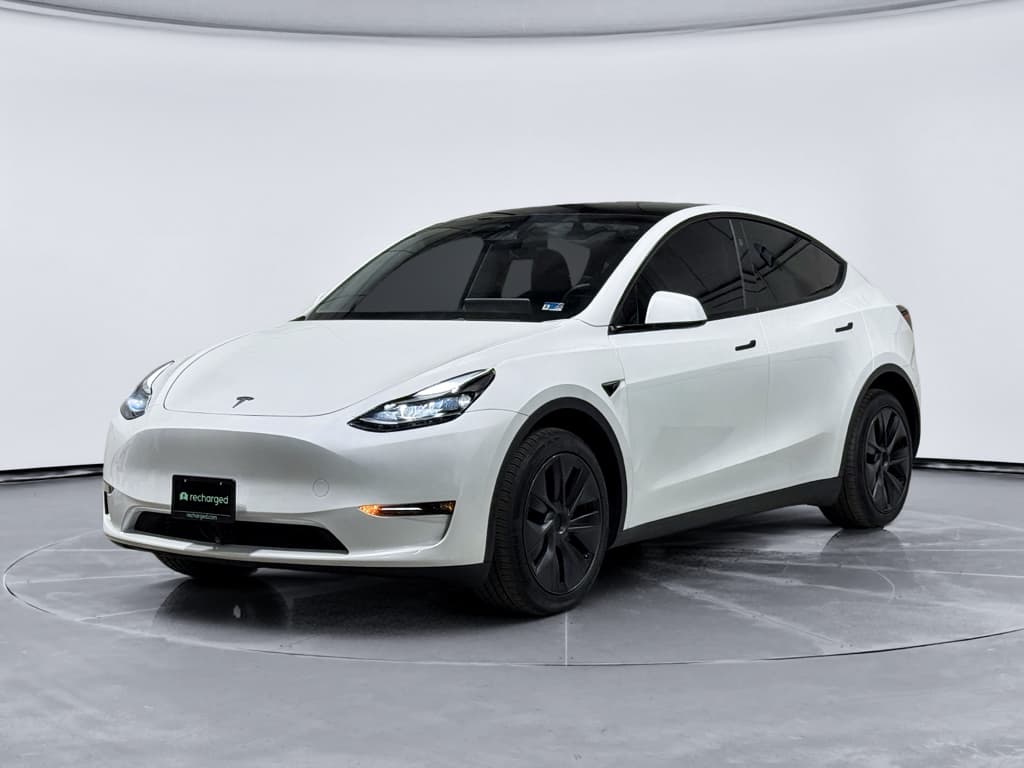
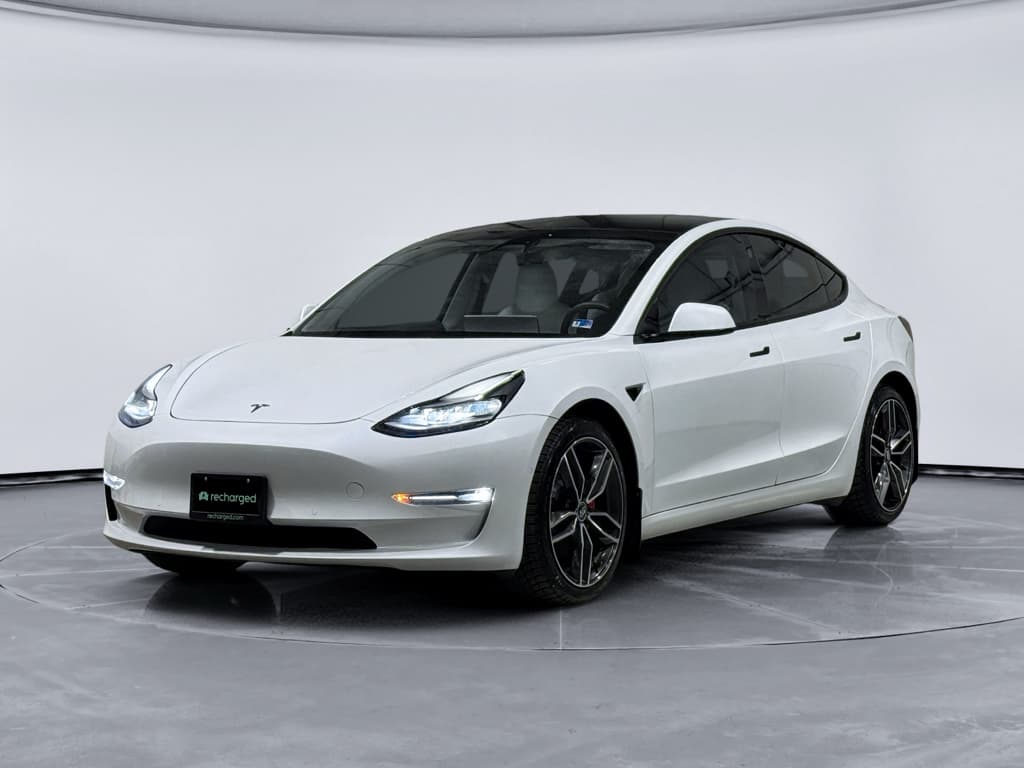
- At the same time, used EV supply has grown fast. Early buyers are trading out of their first EVs, Tesla’s volumes from 2018–2022 are hitting the used market, and fleet vehicles are being de‑feted and sold. More supply has pushed prices down, particularly for Teslas and older premium models.
- Battery tech has improved and ranges have increased, which makes yesterday’s cutting‑edge 240‑mile EV compete against today’s 300‑mile crossover at similar monthly payments. That tends to depress older EV values and create big depreciation curves, and that’s exactly where a smart buyer can capture value.
Electric car market context for today’s offers
Headline vs. reality
Where the best electric car offers are right now
With incentives shifting and used prices moving quickly, it helps to zoom out and see where the real value tends to be in late 2025. For most shoppers, that means starting with used EVs and then comparing them to carefully structured new‑car leases.
Three places to find strong electric car offers
Focus here before chasing one‑off promos
1. Late‑model used EVs
Think 2–4‑year‑old EVs with modern range and safety tech, 2021–2023 cars in today’s market.
- Biggest depreciation already taken by the first owner.
- Often still inside the original battery warranty window.
- Best mix of price, range, and features.
2. Outgoing‑generation models
When a model is replaced or refreshed, the old version suddenly looks expensive at MSRP.
- Dealers discount to clear inventory.
- Lease programs may be quietly boosted.
- Good for shoppers who care less about having the latest screen layout.
3. Certified used & EV‑only platforms
EV‑focused marketplaces and CPO programs increasingly bundle meaningful perks.
- Battery health checks and detailed condition reports.
- Streamlined financing offers and trade‑in tools.
- For example, every car on Recharged includes a Recharged Score battery health report and nationwide delivery options.
Timing still matters
How dealers and marketplaces actually price EVs
If you’ve stared at a sea of prices on marketplace sites and wondered why two similar‑looking EVs are thousands of dollars apart, you’re not crazy. EV pricing reflects a mix of traditional factors and some EV‑specific ones that buyers routinely miss.
1. Traditional factors still matter
- Mileage and age: Just like gas cars, lower miles and newer model years usually cost more.
- Trim & options: Heat pumps, bigger wheels, premium audio, and driver‑assist packages all show up in pricing.
- Brand & perception: Tesla’s used prices, for example, have recently fallen below the overall used‑car average as supply has surged and brand sentiment has cooled.
2. EV‑specific levers most shoppers ignore
- Battery health: Two cars with the same odometer reading can have very different remaining capacity, and therefore different real‑world value.
- Charging speed: An EV that can’t fast‑charge above 50 kW will be valued differently from one that holds 150 kW for long stretches.
- Software & connectivity: OTA update support, driver‑assist capability, and app quality all influence how dealers expect a car to age.
Where Recharged fits in
Types of electric car offers explained
When you’re shopping around, you’ll see “electric car offers” presented as cash rebates, low APRs, leases, or bundles. Under the surface, most of them fall into a few basic categories.
Common electric car offer types and what they really mean
Use this as a decoder for the deals you see in ads and on dealer sites.
| Offer type | Where you see it | Upside for you | Fine print |
|---|---|---|---|
| Cash rebate or dealer discount | New & used EVs at franchised dealers | Lower upfront price; can combine with low‑rate financing if you qualify independently | Sometimes tied to in‑house financing; may disappear if you pay cash or use an outside lender. |
| Subvented lease (e.g., “$299/mo, $3,999 due”) | Automaker ads and brand‑specific sites | Lower monthly payment because the automaker is secretly boosting residuals or buying down the interest rate. | Often requires excellent credit and low miles; watch for steep disposition or excess‑mileage fees. |
| Low APR (“0.9% for 36 months”) | New and some CPO EVs | Cheaper borrowing cost when rates are high, solid if the selling price is fair. | May not be combinable with other rebates; payment may still be high on expensive models. |
| Used‑EV marketplace incentives | EV‑focused sites like Recharged | Transparent pricing, battery reports, and sometimes discounted delivery or perks. | Less about gimmicky rebates, more about total value and lower long‑term risk. |
| State or utility programs | Local incentive portals and utility websites | Home charger rebates, bill credits, or HOV lane access. | Availability and amounts vary widely by ZIP code and change frequently, never assume, always check. |
Always read how long the offer runs and whether it’s limited to in‑stock vehicles or specific trims.
Beware payment‑only conversations
How battery health can make or break an offer
With a used gas car, you worry about engine wear. With a used EV, the battery pack is that engine, and it’s often the single most expensive component in the vehicle. That’s why a seemingly generous electric car offer can be a trap if you don’t know how the battery is doing.
Four battery questions to ask before saying yes to any EV offer
If you can’t answer these confidently, you don’t have a real deal yet
1. What’s the usable capacity now?
Ask how the current battery capacity compares to the original rating. Losing a few percent over several years is normal; double‑digit losses on relatively low miles deserve scrutiny.
2. How was the car charged?
Frequent DC fast charging isn’t necessarily a deal‑breaker, but a car that lived on 150 kW chargers its whole life will usually age differently from one mostly charged on Level 2 at home.
3. Is there a documented health report?
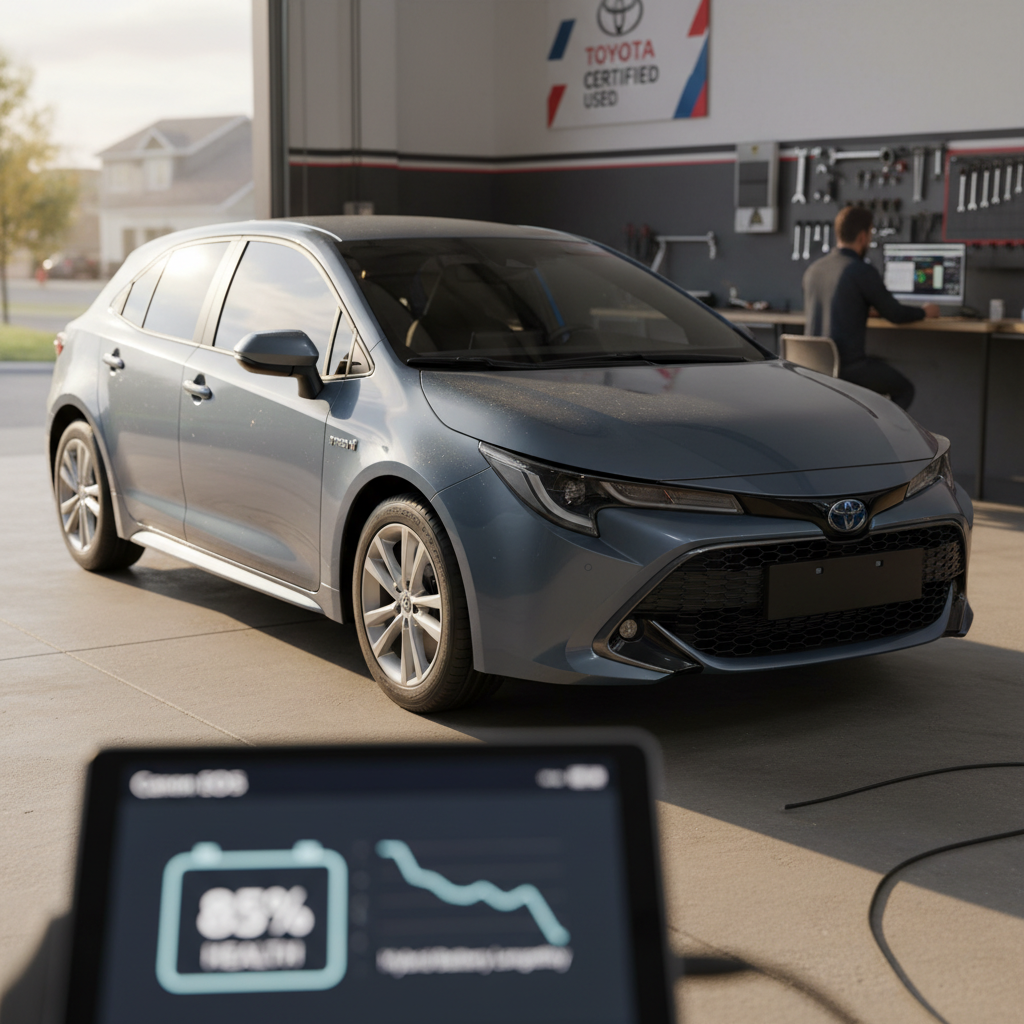
Look for a third‑party battery health report, not just a dash readout. On Recharged, every car includes a Recharged Score battery health diagnostic so you can see the data before you commit.
4. Is the pack still under warranty?
Many OEMs warrant the pack for 8 years or 100,000+ miles. If your offer is on a car near or past that limit, the price should reflect the added risk, or you should walk away.
Why this matters for offers
Finance offers for electric cars: what to watch
With the loss of the federal purchase credit, financing has become a much bigger part of the electric car offer story. High interest rates can erase the benefit of a discount, while a well‑structured loan can make a higher‑priced but more efficient EV cheaper to live with than a gas car.
Key pieces of a financing offer
- APR (interest rate): The headline number, but not the whole story.
- Loan term: Stretching to 84 months can make payments look friendly but may leave you upside‑down for years.
- Fees and add‑ons: Document fees, extended warranties, and paint protection can quietly add thousands.
When you see “special EV APRs” advertised, always model the total interest paid over the term instead of just eyeballing the payment.
How Recharged helps simplify this
- Pre‑qualification with no impact: Recharged lets many shoppers pre‑qualify for financing without a hard credit hit, so you know your real rate band before negotiating.
- Transparent offers: Because pricing and fees are clearly broken down, it’s easier to compare a Recharged offer to a local dealer quote on an apples‑to‑apples basis.
- EV‑savvy lenders: Partners who understand EV residuals can often offer more competitive terms on used electric cars than generalist lenders.
Avoid the 84‑month trap
Trade-in and upgrade offers for EV owners
If you already own an EV, trade‑in and “upgrade” offers are a big part of the electric car offer landscape. Because EV values are still normalizing, trade‑in quotes can vary wildly between platforms, and that variance is an opportunity if you’re willing to shop around.
Ways to use trade-in offers to your advantage
Your current car is a lever, treat it like one
Instant offer vs. consignment
Some services will buy your EV outright; others help you sell it for more and take a fee.
- Instant offer: Fast and predictable, ideal if you need to move quickly.
- Consignment: Often nets a higher price if you have a little more time.
Separate the transactions
Don’t let your trade‑in value get blurred into the new deal. Get written offers for your current car first, then negotiate your next EV’s price or payment independently.
What Recharged does differently
Recharged supports trade‑ins, instant offers, or consignment for many EVs. That means you can compare options and pick the path that makes financial sense instead of being locked into a single dealer’s lowball number.
Price bands: what you can get at different budgets
Exact prices shift month to month, but you can still get a feel for what types of electric car offers you’re likely to see at different budget levels in the U.S. used market. Think of these as directional guideposts, not hard rules.
Typical used electric car offers by price range (late 2025, U.S.)
Examples of what shoppers often find in different price bands. Availability and pricing will vary by region and mileage.
| Budget range (used) | What you’re likely to find | Best offer angle |
|---|---|---|
| Under $20,000 | Early‑generation hatchbacks and sedans (e.g., older Leafs, Bolts), smaller batteries, shorter range. | Look for very clean service history and solid battery health; prioritize around‑town usage and cheap running costs over road‑trip capability. |
| $20,000–$30,000 | A wide range of compact crossovers and sedans, including many used Teslas now averaging under $28,000, plus 250+ mile range EVs from mainstream brands. | Target late‑model cars with remaining battery warranty and modern safety tech; compare multiple examples of the same model to spot underpriced units. |
| $30,000–$40,000 | Newer crossovers and higher‑spec trims, some with advanced driver assistance and longer ranges. | Aim for the sweet spot of range, features, and warranty coverage. Consider whether a well‑supported used EV beats a bare‑bones new one with weaker offers. |
| $40,000+ | Premium EVs, performance variants, three‑row SUVs, and relatively new luxury models. | Depreciation can be brutal, so focus on total cost of ownership. A slightly older, heavily depreciated premium EV at a good price can be a standout value if the battery checks out. |
Always check local listings and condition reports; well‑specced or low‑mileage cars will sit at the top of these ranges.
Checklist: how to evaluate any electric car offer
When you’re staring at a promising electric car offer, whether it’s on a used Tesla or a mainstream crossover, run through this checklist. It forces you to focus on fundamentals instead of marketing.
10‑step checklist for judging an electric car offer
1. Confirm the out‑the‑door price
Get a written breakdown including taxes, fees, and add‑ons. Ignore the offer until you know what you’ll actually pay to register the car.
2. Separate incentives from price
List which parts of the offer are dealer discounts, which are OEM or marketplace incentives, and which are external (state or utility programs).
3. Validate battery health
Review a proper battery health report, not just a dash readout. On Recharged, use the Recharged Score to compare cars on a single, transparent scale.
4. Check remaining warranty
Note the in‑service date and battery/drive unit warranty limits. Make sure your planned ownership period overlaps meaningfully with coverage.
5. Model your real monthly cost
Combine loan or lease payments with realistic estimates for insurance, charging at home, and occasional public fast charging.
6. Compare against a baseline gas car
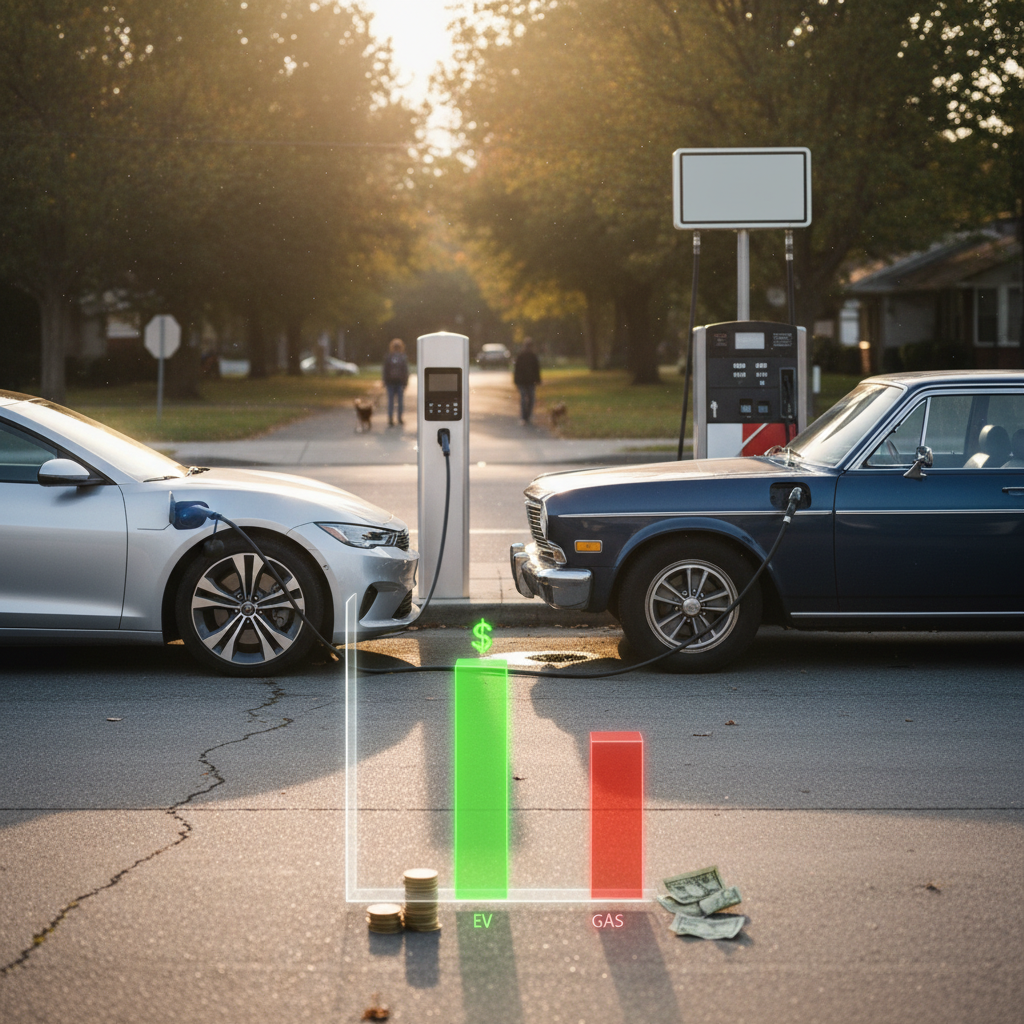
Look at what a comparable gas vehicle would cost you monthly, including fuel and maintenance. The EV doesn’t have to be cheaper on day one if it’s meaningfully cheaper to operate.
7. Stress‑test the loan or lease
Ask what happens if you sell early, drive more miles than planned, or rates fall and you want to refinance.
8. Check for software and feature limitations
Some features are subscription‑locked or depend on connectivity. Verify what’s included now and what it costs to maintain later.
9. Look at resale trajectories
Search how similar EVs have depreciated over the past few years. Steep declines can be your friend, as long as you buy after the big drop, not before it.
10. Sleep on it
If an offer expires tonight, another one will appear tomorrow. Good EV deals survive 24 hours of reflection.
FAQ: electric car offers in 2025
Frequently asked questions about electric car offers
Bringing it together: finding a real deal
Electric car offers in 2025 don’t fit neatly into the old playbook of “big rebate plus low APR.” The end of the federal purchase credit, the rise of lease‑only incentives, and the rapid growth of the used‑EV market have made things more complex, but they’ve also created more room for thoughtful buyers to win. If you focus on total cost of ownership, insist on transparent battery health data, and separate the value of your trade‑in from the price of your next EV, you can still land an offer that makes economic sense, not just marketing sense.
Platforms like Recharged exist precisely to make that easier: verified battery diagnostics, fair‑market pricing, expert EV support, financing options, and flexible trade‑in or consignment paths, all in one place. Whether you buy from Recharged or use it as a benchmark against local dealers, treating information as your main leverage will do more for you than chasing the loudest headline deal. That’s how you turn today’s messy EV market into a genuinely compelling electric car offer.