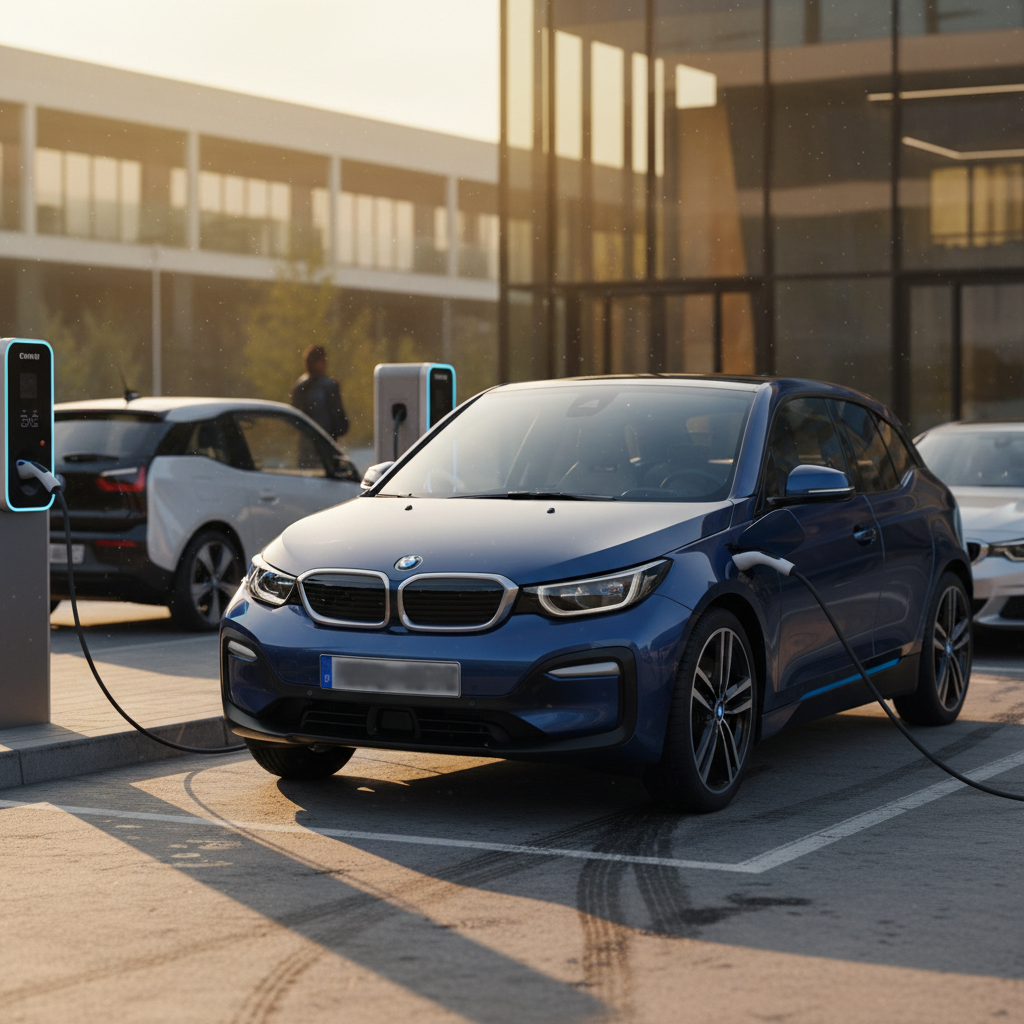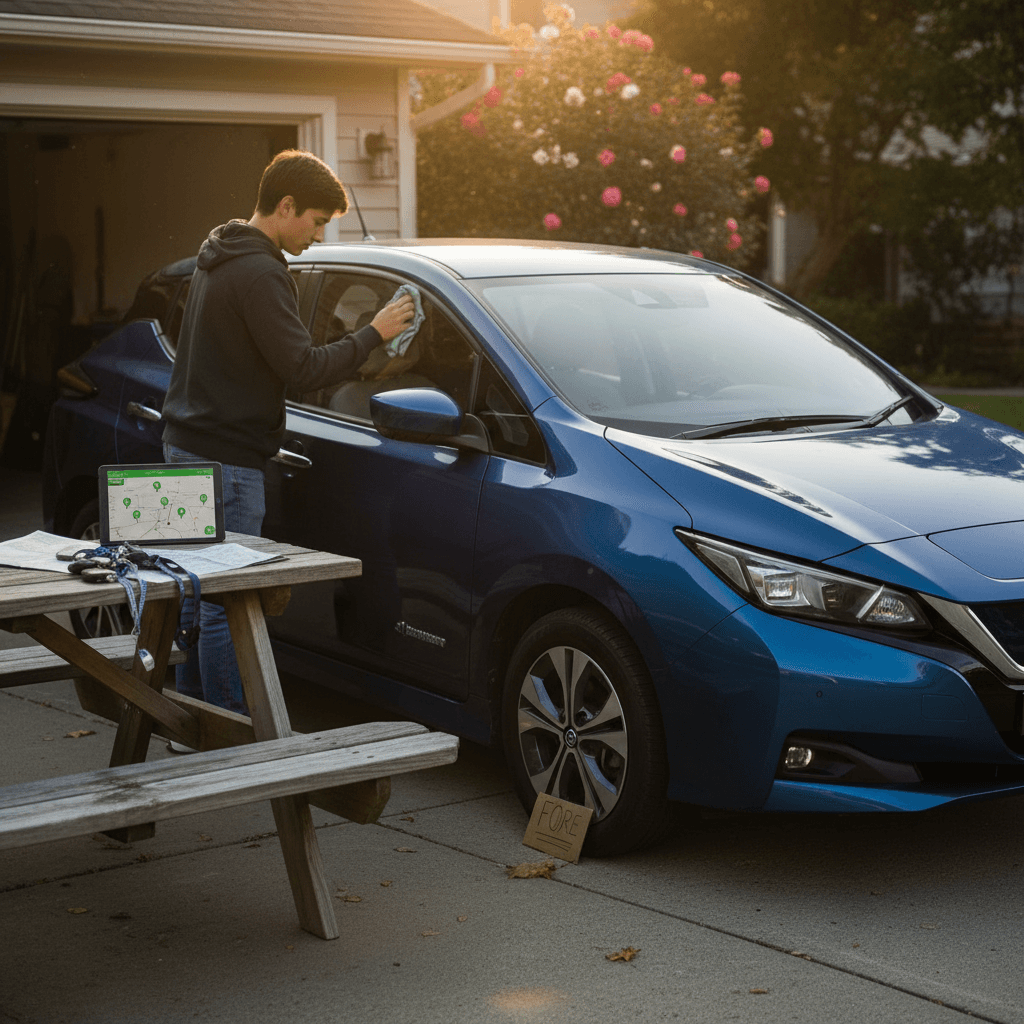
Handing the keys to a brand‑new driver is a little terrifying, whether they’re a teenager or a late‑bloomer finally getting their license. The best used electric car for new drivers should calm everyone down: predictable to drive, packed with modern safety tech, and affordable enough that every door ding doesn’t feel like a disaster. In 2026, the sweet spot for that mix is often a gently used EV, not a brand‑new one.
Who this guide is for
Why a used EV makes sense for new drivers
Why the used EV market is a goldmine in 2026
New EVs still carry a price premium, but depreciation is your friend. A car that stickered for $40,000 in 2020 can now sit in the mid‑$20,000s on the used market, even as it retains the same crash structure, airbags and advanced driver‑assist tech. For a new driver, that means you’re not forced into a bare‑bones econobox just to stay on budget.
Think “appliance,” not “dream car”
What new drivers actually need in a used electric car
New‑driver priorities: safety first, fun second
Four pillars to judge any used EV by
Crash safety
Predictable performance
Size & maneuverability
Total cost
Range is part of the equation, but most new drivers travel a fairly predictable loop: school, work, practice, friends. For that life, 200 miles of real‑world range is usually more than enough. Far more critical is how the car behaves when they’re distracted by traffic, weather, and their own nerves. That’s where modern driver‑assist tech and good outward visibility earn their keep.
Quick picks: best used EVs for new drivers
Best used electric cars for new drivers at a glance
Approximate U.S. used‑market prices in early 2026 will vary by mileage, trim, and region.
| Model (used) | Best for | Typical used price* | Est. EPA range (when new) | Why it works for new drivers |
|---|---|---|---|---|
| Chevrolet Bolt EV (2019–2023) | Overall starter EV | $12,000–$20,000 | 238–259 mi | Excellent value, compact size, strong safety and driver‑assist features on later years. |
| Hyundai Kona Electric (2019–2023) | Budget small crossover | $14,000–$23,000 | 258 mi | Easy to park, efficient, and well‑equipped with modern safety tech. |
| Nissan Leaf (2018–2022, 40 kWh) | Short‑range city use | $9,000–$16,000 | 149 mi | Gentle performance and simple controls; good for urban/commuter teens with home charging. |
| Kia Niro EV (2019–2023) | Practical all‑rounder | $16,000–$26,000 | 239 mi | Crossover ride height, decent cargo space, and friendly driving manners. |
| Tesla Model 3 RWD (2018–2021) | Tech‑savvy older teens | $18,000–$28,000 | 220–263 mi | Strong crash scores and driver‑assist tech; feels modern but may be overkill for some new drivers. |
| Volkswagen ID.4 (2021–2023) | Roomy family pick | $20,000–$28,000 | 209–260 mi | Comfortable, stable highway manners and lots of space for friends and gear. |
These ranges are ballpark figures for clean‑title, no‑accident vehicles with typical miles.
Don’t chase the lowest price alone
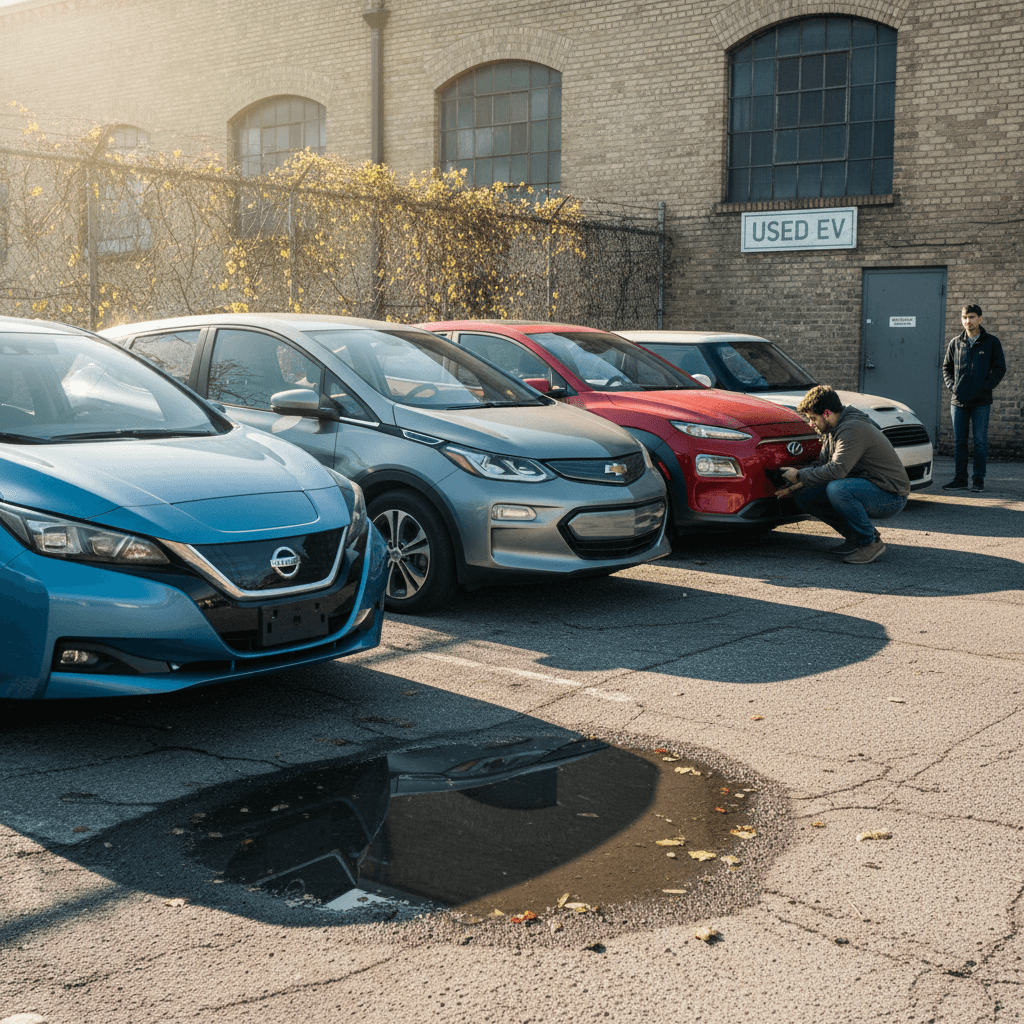
Best budget used electric cars for new drivers
Chevrolet Bolt EV (2019–2023)
The Chevy Bolt EV is the default answer whenever someone asks for the best value used electric car, and it’s especially strong for new drivers. It’s a small hatchback that feels like a tall compact, with good visibility and simple controls. Recent owner surveys consistently rate it as one of the best values among EVs thanks to range, practicality, and low running costs.
- Real‑world range often over 200 miles, even on older packs.
- Later years offer robust driver‑assist suites (check for packages like Driver Confidence or similar).
- Post‑recall battery replacements on many cars mean you may get a newer pack than the model year suggests.
Hyundai Kona Electric (2019–2023)
If your new driver wants a small crossover look, the Kona Electric is a gem. Reviewers repeatedly highlight how easy it is to place on the road and park in tight city spaces, with smooth, adjustable regenerative braking that helps newcomers ease into EV driving.
- EPA‑rated around 258 miles of range when new.
- Lots of standard active‑safety tech, even on lower trims.
- Subcompact footprint makes it less intimidating to maneuver than larger SUVs.
Recharged short‑lists both Bolt EV and Kona Electric
Ready to find your next EV?
Browse VehiclesSafest used EVs for new and teen drivers
Safety starts with crash structure and airbag coverage, but for new drivers, active safety matters just as much: systems that help avoid or mitigate the crash in the first place. The sweet spot is 2018–present, when automatic emergency braking and lane‑keeping assist became common across more brands.
Used EVs that shine on safety for new drivers
Always verify exact safety ratings and option packages by year and trim.
Subaru Solterra / Toyota bZ4X
Tesla Model 3
Hyundai Ioniq 5 / Kia EV6
Don’t let driver‑assist become a crutch
Easiest used electric cars to drive and park
The best used electric car for new drivers should feel like a friendly pair of shoes: you don’t have to think about it. That usually means a compact footprint, light steering, good visibility, and not too much power on tap.
Beginner‑friendly used EVs that feel small and confidence‑inspiring
Chevrolet Bolt EV / EUV
Short length, tall seating, and big windows make the Bolt easy to dock into tight school or city spaces. The steering is light, and one‑pedal driving quickly becomes second nature for new drivers.
Nissan Leaf (2018+)
The second‑generation Leaf has very gentle throttle response and soft ride tuning. It won’t win any drag races, but that’s exactly why many parents like it for a first car.
Hyundai Kona Electric
Smaller than it looks in photos, the Kona Electric is easy to nose into parallel spots and narrow driveways. Adjustable regenerative braking lets new drivers decide how “EV‑ish” they want it to feel day one.
Kia Niro EV
A bit larger than a Leaf or Bolt, but still compact and easygoing. The Niro EV’s crossover body makes getting in and out comfortable for tall teens and grandparents alike.
Take the tight‑parking test
Used Tesla for a new driver: smart or too much?
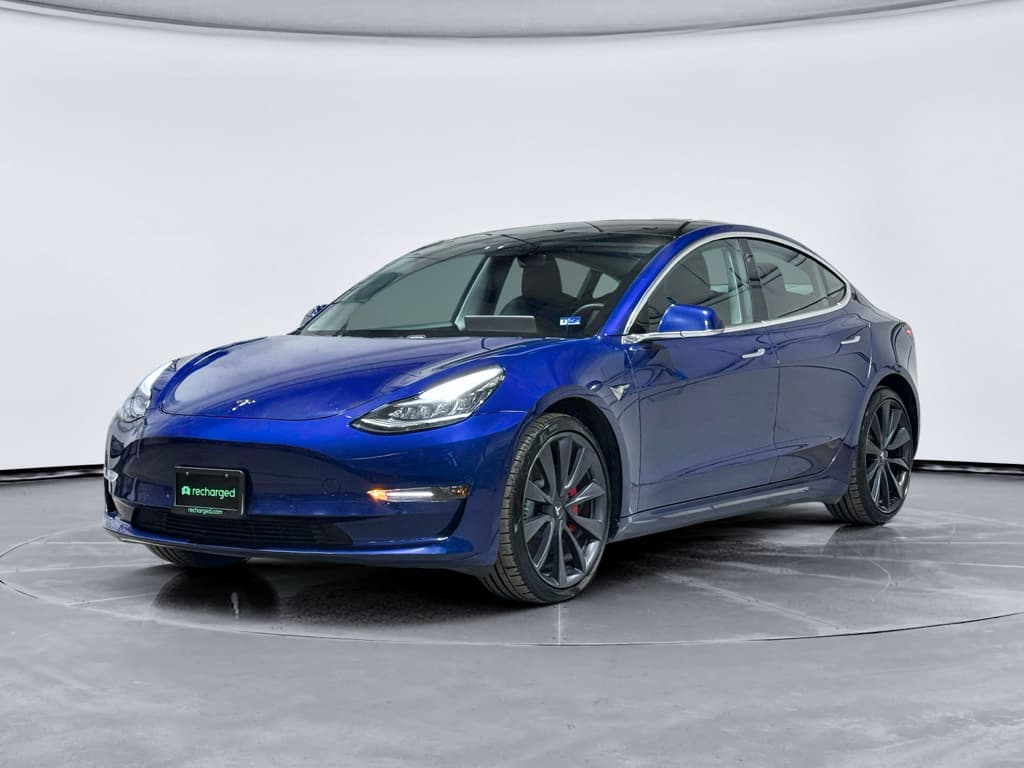
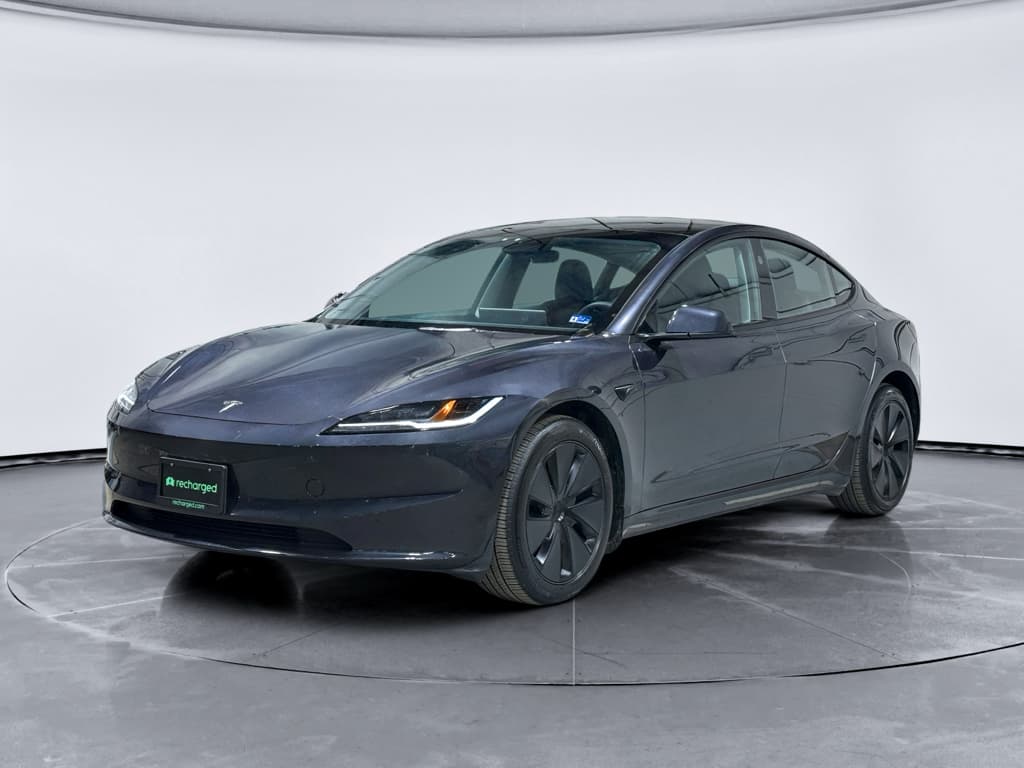
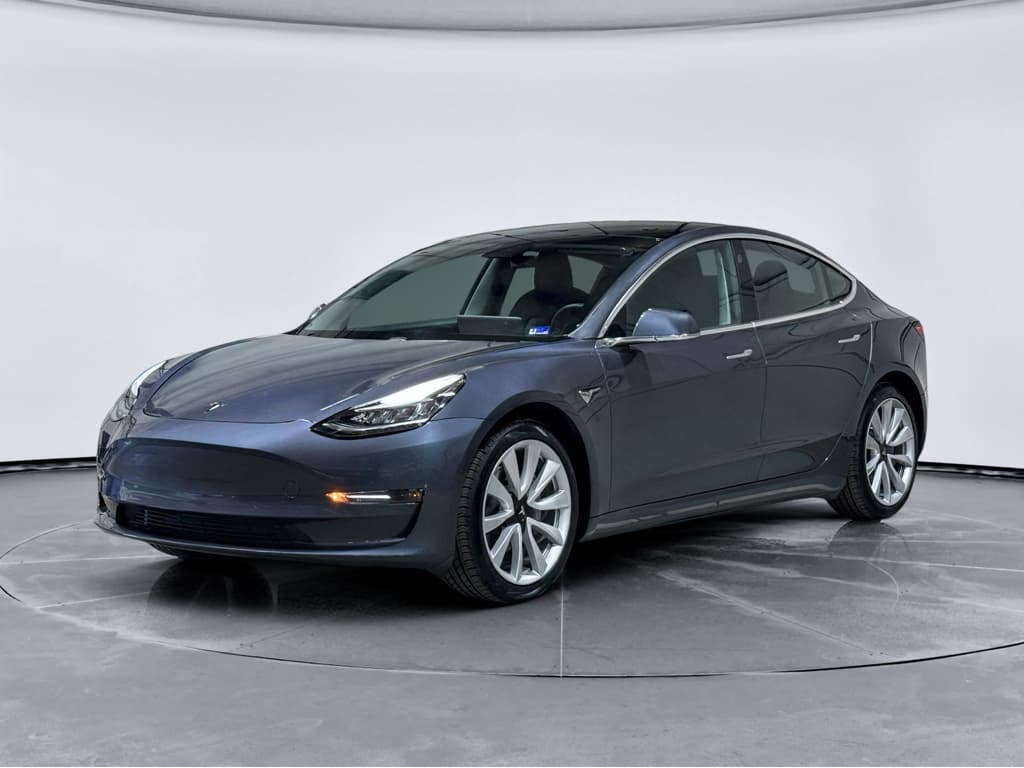
A used Tesla Model 3 will show up on almost every “best used EV” list, and for good reason. It’s efficient, crashworthy, and gives access to Tesla’s Supercharger network, which is increasingly open to other brands but still feels seamless in a Tesla. On the used market, early Model 3s have also become surprisingly attainable compared with when they were new.
Why a used Model 3 can be a great first EV
- Top‑tier crash safety and a stiff structure around the cabin.
- Standard advanced driver‑assist features and frequent over‑the‑air updates.
- Clean, simple cabin that can actually reduce distraction for some drivers.
Where it can be “too much” for a rookie
- Very quick acceleration, easy to get in trouble if they’re heavy‑footed.
- Minimal physical buttons, which some new drivers find disorienting.
- Image factor: teens may see it as a status symbol, not a tool, and drive it that way.
Set expectations if you choose a Tesla
Battery health, range and charging: what beginners should know
For a new driver, an EV’s battery is like a nervous system: if it’s weak or inconsistent, confidence disappears. You don’t need a chemistry degree, but you do need a realistic picture of range and a simple charging plan from day one.
Battery and charging basics for new drivers
Make sure your first‑time driver can answer these questions.
How much range do I really need?
Where will I charge most of the time?
How Recharged demystifies battery health
Battery and charging questions to ask before you buy
1. What’s the current usable range?
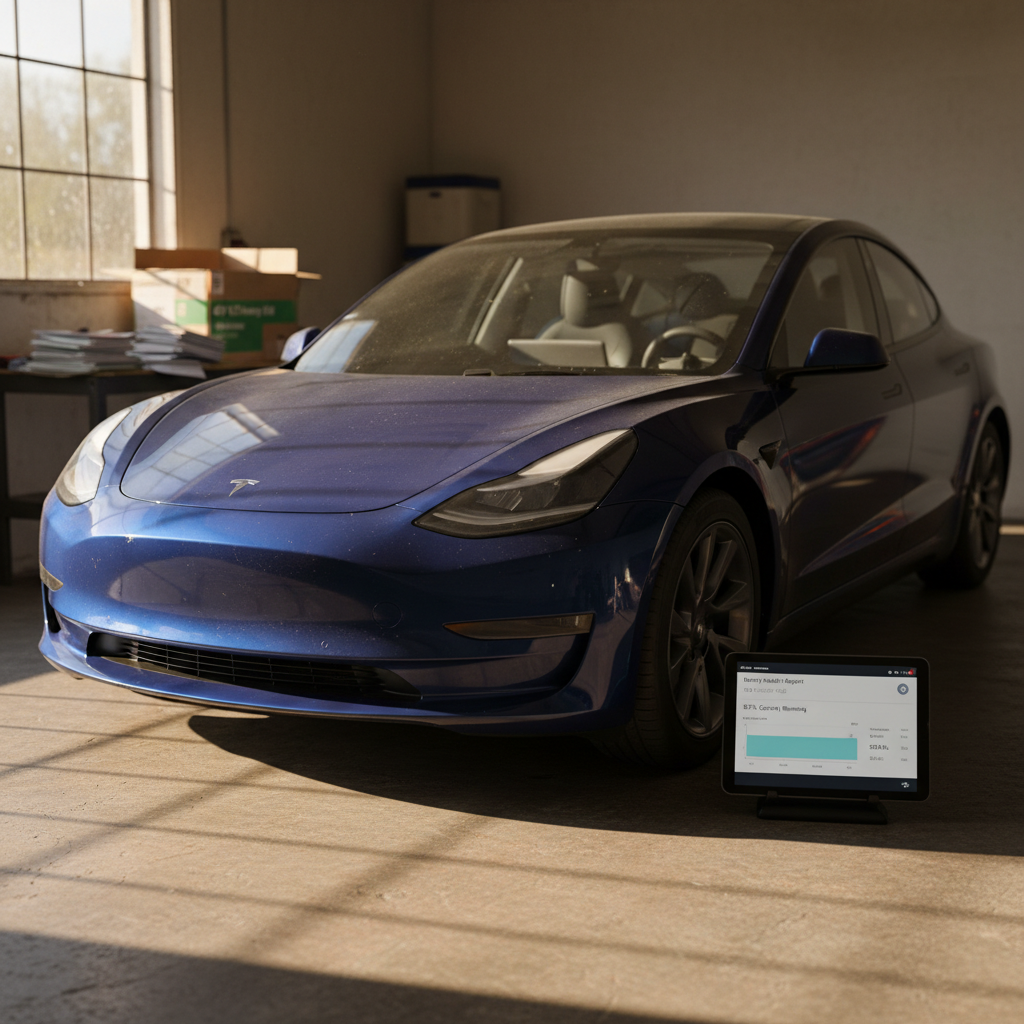
Don’t rely on the original window‑sticker number. Ask for recent road‑trip or commuting logs, or use a third‑party battery report (or Recharged Score) to understand current real‑world range.
2. How was the car charged in the past?
Occasional DC fast‑charging is fine, but a diet of almost‑daily fast charges can accelerate wear. Ask the seller about their typical pattern and look at charging history where available.
3. Can we install home charging safely?
A dedicated 240 V circuit professionally installed in the garage or driveway is the simplest charging setup. Avoid DIY electrical work; it’s not worth the risk for you or your new driver.
4. What’s the backup plan if they forget to plug in?
Walk through local public chargers and how to use the apps or cards required. A 15‑minute dry run now can prevent a stranded phone call later.
Inspection checklist for your first used EV
Even the best model can be a headache if you buy a rough example. A thorough inspection is especially important when the driver is inexperienced, they’re less likely to notice weird noises, pull, or inconsistent braking until something fails.
Pre‑purchase inspection checklist for a new driver’s EV
Confirm safety features actually work
On a test drive, try adaptive cruise, lane‑keeping, and automatic emergency braking in a safe environment. Make sure warning lights behave normally at startup and there are no persistent alerts.
Check tires and brakes
Worn tires and cheap replacement rubber can compromise traction and stopping distances. Insist on quality all‑season tires with plenty of tread and a brake inspection by a trusted shop or your Recharged specialist.
Inspect for accident repairs
Look for mismatched paint, uneven panel gaps, and overspray on rubber seals. A professional pre‑purchase inspection or a reputable marketplace like Recharged can flag prior structural damage that may affect crash performance.
Drive it like your new driver will
Have the actual new driver spend real seat time: parking, backing up, merging, and surface‑street driving. If they feel overwhelmed, listen to that reaction, even if you love the car.
Costs, insurance and financing tips for new drivers
The right used electric car can be cheaper to own than a comparable gas car, but insurance and financing deserve a close look. New drivers are already expensive to insure; pairing them with a high‑performance EV can spike premiums.
Keeping insurance reasonable
- Favor compact hatchbacks and small crossovers over high‑performance or luxury EVs.
- Ask your insurer which specific EVs tend to be cheaper to insure for young drivers.
- Look for strong crash‑test scores and abundant safety tech; some insurers reward this with lower rates.
Smart ways to finance a first EV
- Shorter loan terms (48–60 months) keep you from being deeply underwater on a fast‑depreciating asset.
- Consider buying slightly newer than you planned; better safety and battery health can be worth a few extra dollars a month.
- If you’re shopping on Recharged, you can get pre‑qualified online with no impact to credit and see real payment estimates before you fall in love with a specific car.
Don’t forget potential used‑EV incentives
FAQ: best used electric car for new drivers
Frequently asked questions about used EVs for new drivers
Bottom line: how to choose the right used EV
The best used electric car for new drivers isn’t the one with the longest range, biggest touchscreen, or wildest launch‑control videos. It’s the car that turns driving into background noise so your new driver can focus on paying attention, learning judgment, and getting home safely every single time. In 2026, that typically means a compact, value‑rich EV like a used Chevrolet Bolt EV, Hyundai Kona Electric, Nissan Leaf, Kia Niro EV, or a carefully chosen Tesla Model 3 for the right driver.
Start by mapping your new driver’s real daily use, then work backward: how much range do they need, where will they charge, and which safety features are non‑negotiable? From there, compare a few candidate models and pay close attention to battery health and how confident your driver feels behind the wheel. If you’d like help translating all of that into a specific car with real numbers instead of guesswork, Recharged can pair you with an EV specialist, provide a Recharged Score report on battery health, help you finance, and even arrange delivery, so that first‑car handoff feels exciting instead of exhausting.