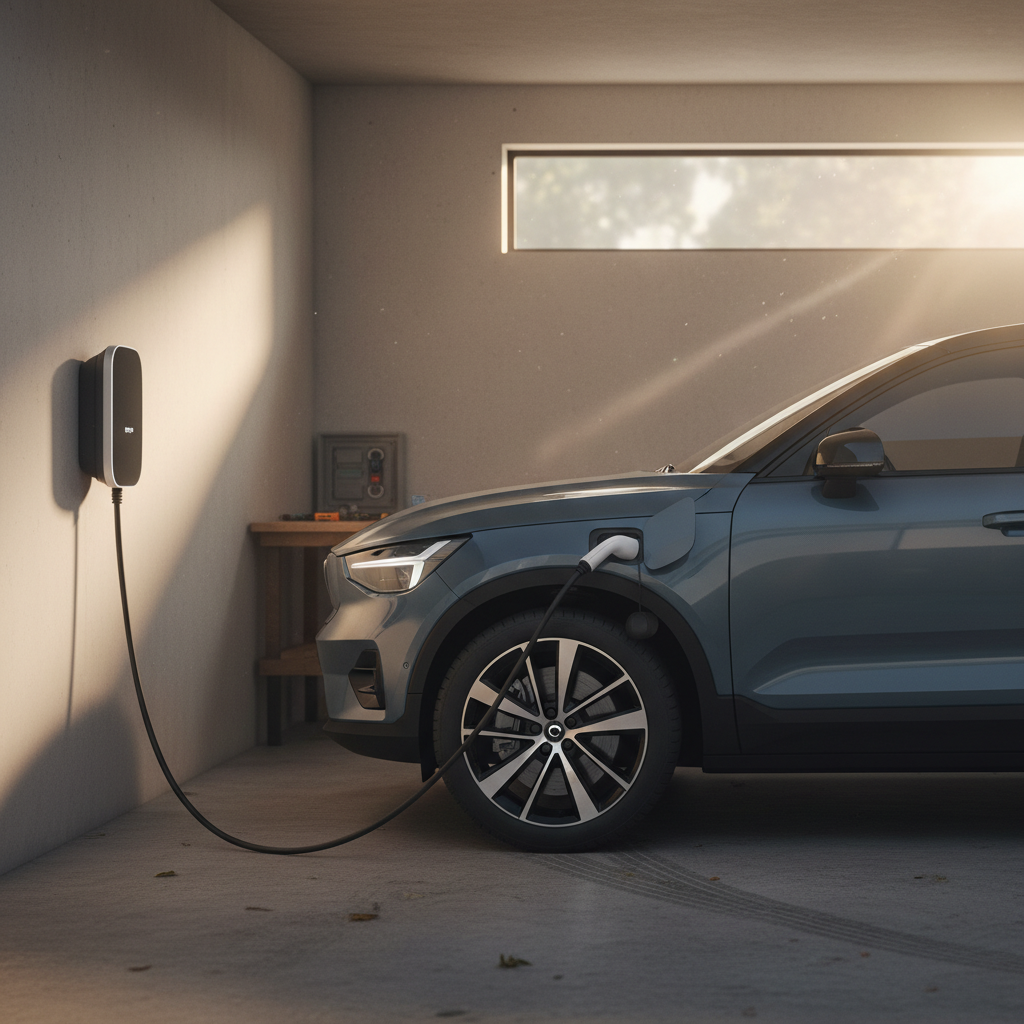
If you’re searching for an electric car new in 2025, you’re not alone, but you’re also shopping in a market that’s changing fast. Prices are shifting, incentives are in flux, and used EVs are suddenly a serious alternative to brand‑new models. This guide walks you through real numbers, key trade‑offs, and a practical decision framework so you can decide whether your next EV should be new, used, or something in between.
Who this guide is for
Should you buy a new electric car now?
The case for buying a new electric car in 2025 is no longer a simple “EVs are the future” story. On the plus side, you’re getting the latest battery tech, more range for the money, better driver‑assist features, and cleaner design than models from even three or four years ago. On the downside, average EV prices are still higher than gas cars, some federal tax incentives are tightening, and depreciation can be steep, especially in the first three years.
Pros and cons of buying a new electric car in 2025
Use this to sanity‑check your gut feeling before you head to a showroom.
Pros of a new EV
- Latest tech and range – Newer batteries, more range, better efficiency and faster charging.
- Full factory warranty – Typically 8 years or 100,000 miles on the battery, plus bumper‑to‑bumper coverage.
- Safety and software – The newest ADAS suites, over‑the‑air updates, and improved infotainment.
- Customization – Choose your trim, color, and options instead of hunting for a match on the used market.
Cons of a new EV
- Higher upfront price – New EVs are still several thousand dollars more than comparable gas cars on average.
- Faster early depreciation – Values can drop sharply in the first 3 years as new models and discounts hit the market.
- Incentive uncertainty – Federal rules and state programs continue to change, and some credits are sunsetting.
- Supply swings – Discounts can be great in some regions and nonexistent in others, depending on inventory.
Tip: Don’t shop in a vacuum
How much do new electric cars cost in 2025?
Sticker shock is still real. Industry data in 2025 shows the average price of a new EV hovering around the low‑to‑mid $50,000s in the U.S., a bit higher than the average new vehicle overall. But that average hides a lot of detail: there are credible new EVs under $35,000 before incentives, and premium models that run well into six‑figure territory.
New electric car price landscape in 2025
Representative new electric car pricing (U.S. market)
These examples illustrate where popular new EVs are landing on price and range in late 2024–2025. Always confirm current pricing and incentives in your ZIP code.
| Model (2024–2025) | Type | Approx. MSRP | EPA Range (mi) | Potential Federal Credit* |
|---|---|---|---|---|
| Nissan Leaf (redesigned 2026 model announced) | Compact hatch | ≈$29,990 | ≈300 (est.) | Credit status evolving, check current IRS list |
| Chevrolet Equinox EV 2LT | Compact SUV | ≈$43,000 | ~319 | Up to $7,500 if eligibility criteria met |
| Hyundai Kona Electric SEL | Subcompact SUV | ≈$36,900 | ~261 | Often no federal credit; check for state/local |
| Tesla Model 3 RWD | Sedan | ≈$39,000 | ~272 | Federal credit varies over time; verify before purchase |
| Tesla Model Y Long Range | Crossover | ≈$48,000–$50,000 | ~300–320 | Credit eligibility has changed multiple times |
| Cadillac Optiq / Lyriq | Luxury SUV | Mid‑$50,000s+ | ~300+ | Select trims may qualify for the full $7,500 |
Destination charges included; tax credits not applied unless noted.
Prices move quickly
EV incentives and tax credits in 2025
Incentives can make the difference between a new electric car fitting your budget or sitting just out of reach. In 2025, federal policy and state programs are in motion, so it’s crucial to understand how they apply at the moment you buy, not just in headlines from last year.
Federal EV tax credit basics
- Up to $7,500 for qualifying new EVs, depending on battery sourcing, final assembly in North America, and MSRP caps.
- Income limits apply to buyers, and price caps differ for cars versus SUVs and trucks.
- Eligibility is model‑ and trim‑specific and can change as automakers adjust supply chains.
- Always verify eligibility on FuelEconomy.gov and confirm with your dealer before signing paperwork.
State and local incentives
- Many states offer rebates, tax credits, or HOV lane access for EV drivers.
- Utility companies sometimes provide home charger rebates or discounted off‑peak electricity rates.
- These benefits can stack on top of federal incentives, significantly improving the economics of a new EV.
- Programs are often capped or time‑limited, check dates and funding status carefully.
Watch the sunset clauses
New vs used electric car: which makes more sense?

New EVs grab the headlines, but the used EV market has matured quickly. Off‑lease Teslas, Ford Mustang Mach‑Es, Hyundai Ioniqs, and other models are now three to five years old, with plenty of life left, especially when you know the battery’s true condition.
New vs used EV: a side‑by‑side comparison
Use this snapshot to see which path fits your budget and risk tolerance.
Buy new
- Best for: Drivers who want the latest tech, plan to keep the car 7–10 years, and can take advantage of incentives.
- Upside: Full warranty, custom spec, fewer unknowns.
- Downside: Highest upfront cost and fastest depreciation.
Buy used
- Best for: Value‑hunters, first‑time EV owners, and buyers who don’t need the absolute newest model.
- Upside: Lower price, depreciation already absorbed, plenty of range for daily use.
- Downside: Must evaluate battery health and prior fast‑charging habits.
Certified used via Recharged
- Best for: Shoppers who want used‑car value with new‑car transparency.
- Upside: Every vehicle includes a Recharged Score Report with verified battery health and fair‑market pricing, plus EV‑specialist support.
- Downside: Limited to vehicles available on the Recharged marketplace at a given time.
Where Recharged fits in
Ready to find your next EV?
Browse VehiclesKey specs to compare when shopping new EVs
Once you’ve decided that a new electric car is on the table, the next step is comparing models on more than paint colors and screen size. EVs live or die on charging experience, range, and battery chemistry, details that matter more than they might with a gas car.
The key numbers to look at on a new EV window sticker
Battery size (kWh)
This tells you how much energy the pack stores, similar to gas tank size. Bigger packs usually mean more range but also higher price and weight. Compare battery size alongside range; efficiency matters too.
Range (EPA miles)
Look at the official EPA‑rated range and then mentally discount it by 10–20% to reflect real‑world driving, weather, and highway speeds. Ask yourself if that adjusted number comfortably covers your routine.
Charging speed (kW)
Two numbers matter: the car’s max DC fast‑charge rate and its AC Level 2 rate. A 150 kW DC limit versus 250 kW can be the difference between 20‑minute and 35‑minute highway stops.
Connector type (NACS vs CCS)
North American Charging Standard (Tesla’s plug) is becoming the default across brands. Make sure the car you’re considering either has NACS from the factory or comes with the right adapters and access to major networks.
On‑board charger (amps)
For home charging, a stronger on‑board charger (e.g., 11 kW vs 7 kW) lets you add range faster overnight from a 240V Level 2 charger. This is crucial if you rack up daily miles.
Warranty and battery coverage
Review both the basic and battery warranties. Many automakers cover the pack for 8 years/100,000 miles, but the fine print on what counts as “excessive” degradation can differ.
Pair the right home charger
Total cost of ownership: how the math really works
New EVs often cost more on day one but less over time. To see whether a new electric car makes financial sense, you need to model five years of ownership, not just the down payment. That means fuel, maintenance, insurance, depreciation, and financing, all against what you’d spend on a comparable gas vehicle or a used EV.
Where EVs save you money
- Fuel – On average, powering an EV with electricity is meaningfully cheaper per mile than gasoline, especially if you can charge at home on off‑peak rates.
- Maintenance – No oil changes, fewer moving parts, and less brake wear thanks to regeneration typically mean lower routine maintenance costs.
- Longevity – Electric drivetrains handle stop‑and‑go traffic well and many high‑mileage EVs are proving durable in ride‑share and fleet use.
Where costs can surprise you
- Insurance – Repair complexity and expensive battery packs can push premiums above gas equivalents, though this gap is shrinking as shops gain EV experience.
- Depreciation – Rapid improvements in range and tech can make older EVs feel outdated faster, pressuring resale values.
- Public fast‑charging – Relying heavily on DC fast chargers instead of home charging can erase much of your fuel savings.
Benchmark your break‑even point
Financing, trade-ins, and buying a new EV online
Whether you end up with a new or used electric car, your financing structure can make or break the deal. Higher EV prices mean monthly payments can jump if you don’t plan carefully, especially with today’s interest rates.
How to structure your EV purchase like a pro
Three levers you control: price, rate, and what you do with your current car.
Financing the right way
- Get pre‑qualified so you know your budget before you start test‑driving.
- Compare dealer financing with independent lenders; EV‑specific promos can be attractive but sometimes hide higher fees.
- Avoid extending terms far beyond 72 months unless the rate is truly compelling; you don’t want to owe more than the car is worth for half a decade.
Maximize your trade‑in
- Know your car’s value before you accept the first offer.
- Consider instant offers from digital retailers or marketplaces to benchmark dealer trade‑in bids.
- On Recharged, you can request an instant offer or explore consignment to capture more of your current EV’s value.
Leaning into digital buying
- Most new‑car dealers now support online quotes and paperwork; some support complete at‑home delivery.
- Used‑EV platforms like Recharged offer a fully digital retail experience, from browsing to financing to delivery.
- This makes it easier to compare a new EV quote against a late‑model used EV side‑by‑side, without spending your weekends at multiple lots.
Leverage pre‑qualification
Checklist before you commit to a new EV
Pre‑purchase checklist for a new electric car
1. Confirm how you’ll charge at home
Do you have a garage or dedicated parking with access to a 120V or 240V outlet? If not, what’s your realistic plan, workplace charging, nearby public Level 2, or DC fast‑charging?
2. Map your real daily range needs
Write down your longest regular round‑trip drives, then add a buffer. If a model only barely covers that number in perfect conditions, step up to a higher‑range trim or consider another vehicle.
3. Price out home charger installation
Talk to a licensed electrician about running a 240V circuit for Level 2 charging and get a written estimate. Include the cost of the charger itself in your total budget.
4. Check federal, state, and utility incentives
Confirm current eligibility for your short‑listed models using FuelEconomy.gov and your state’s energy office website. Don’t rely on outdated blog posts or old dealer ads.
5. Compare new vs used side‑by‑side
Pull real listings for late‑model used EVs, ideally with verified battery health reports like the Recharged Score, and compare monthly payments and total cost over 5 years against your new‑car quotes.
6. Test‑drive charging, not just driving
If possible, plug the demo vehicle into a Level 2 charger and, if the dealer allows, a DC fast charger. Pay attention to charging menus, app experience, and how easy it is to start and stop a session.
Frequently asked questions about new electric cars
New electric car FAQ
Bottom line: is a new electric car worth it?
A new electric car in 2025 offers outstanding technology, quiet and quick performance, and the satisfaction of driving something built for the next decade, not the last one. But it also carries a premium price, evolving incentives, and steeper early‑year depreciation. For buyers who can maximize home charging, qualify for credits, and plan to keep the car for many years, a new EV can absolutely be worth it.
If you’re more price‑sensitive, or simply wary of paying the early‑adopter tax, the growing used EV market is where the value lives. That’s exactly where Recharged focuses: giving you verified battery health, fair market pricing, EV‑savvy support, and flexible options like financing, trade‑ins, instant offers, consignment, and nationwide delivery. Whether you go new or used, do the math, compare real vehicles side‑by‑side, and let the numbers, not the hype, drive your decision.