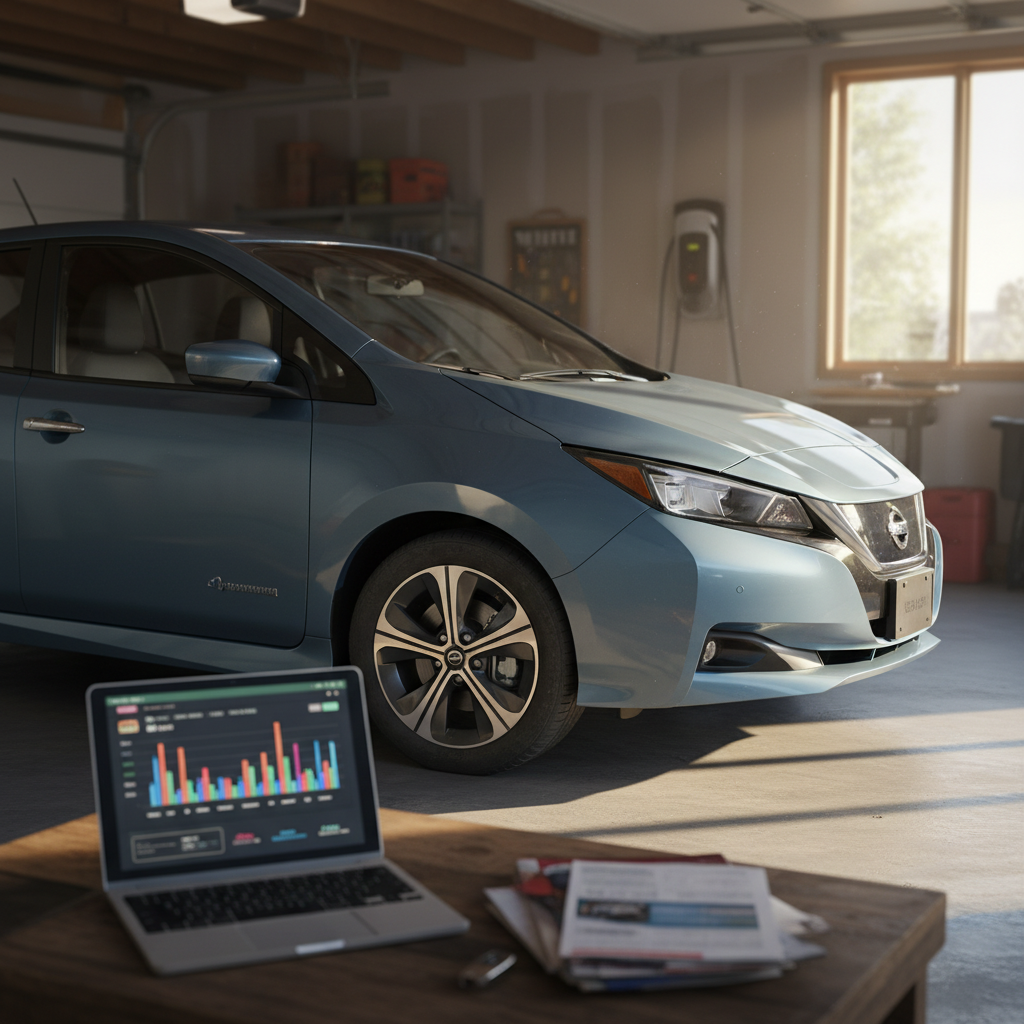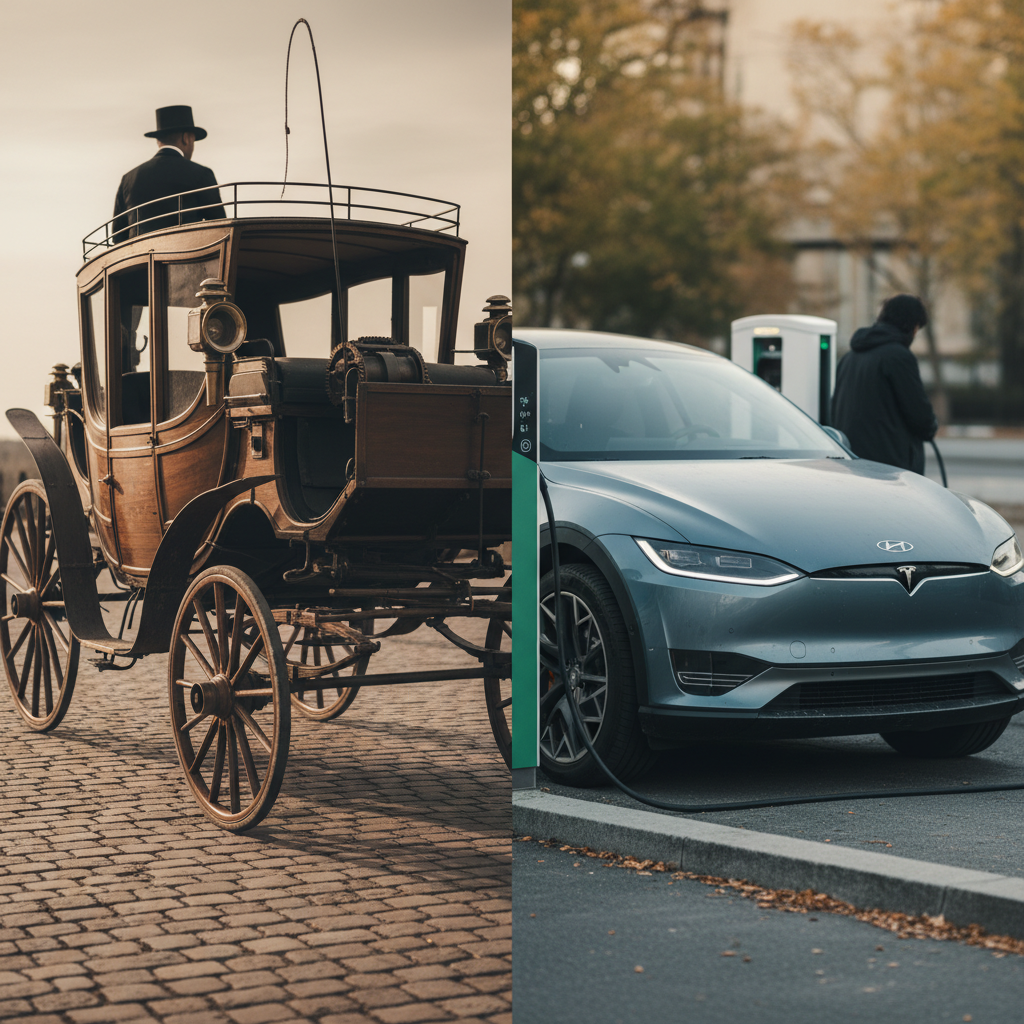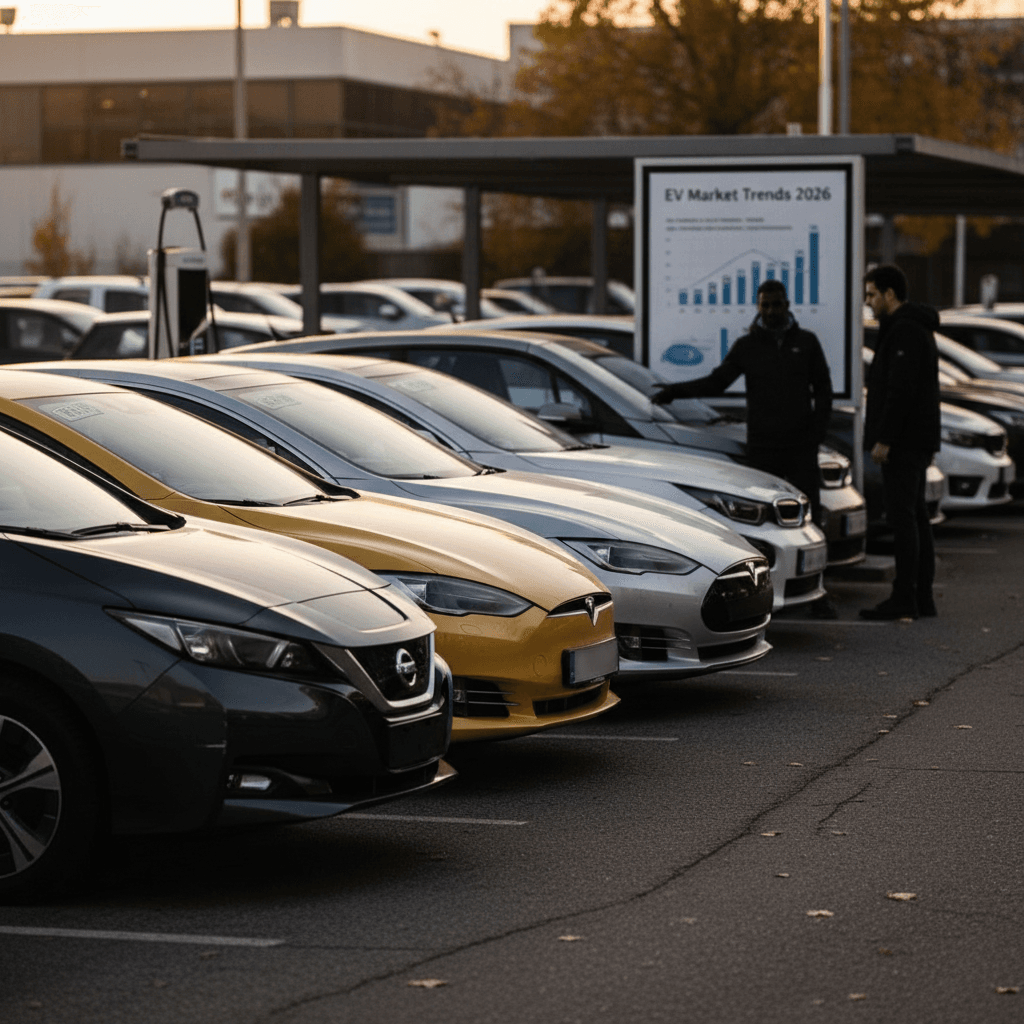
Electric car market trends in 2026 are pulling in two directions at once. On one hand, global EV sales keep climbing toward a quarter of all new cars, with more than 20 million electric vehicles expected to be sold worldwide in 2025 and even higher volumes likely in 2026. On the other, growth is uneven: legacy automakers are retrenching, Tesla is losing share to Chinese brands like BYD, and U.S. demand is highly sensitive to incentives and interest rates. If you’re trying to decide whether to buy, sell, or wait, especially for a used EV, you need to understand how these cross‑currents fit together.
Why 2026 is a pivot year
Overview: Electric car market trends in 2026
Electric car market snapshot heading into 2026
Behind those headline numbers, several 2026 EV market trends matter most for shoppers: - EVs are becoming a normal choice in many segments, not just luxury crossovers. - China’s overcapacity is flooding the world with affordable EVs, but U.S. tariffs limit direct imports. - Incentives are shifting from consumer rebates to behind‑the‑scenes manufacturing support. - The used EV market is finally deep enough that you can compare options the way you would with gas cars. Let’s break down what’s happening globally, in the U.S., and specifically in the used market you’ll shop in.
Global EV sales outlook for 2026
Globally, the EV story is straightforward: growth is slowing from the breakneck 50–60% rates of the early 2020s, but the absolute volume keeps hitting new records. In 2023, about 14 million electric cars were sold worldwide. 2024 pushed that toward 17 million, and by late 2025, monthly data pointed to roughly 20–21 million EVs sold in 2025, or around 23–25% of all new cars. That means that in 2026, the “growth” story matters less than the scale story: one in four new vehicles being electric is enough to reshape supply chains, dealer lots, and resale values.
Three global forces shaping 2026 EV trends
Why the market feels hot and cold at the same time
China’s massive overcapacity
China now produces well over half of the world’s EVs and batteries. Domestic demand is strong but not strong enough to absorb all that capacity, so Chinese brands like BYD are aggressively expanding in Europe, Latin America, and beyond.
Regional policy divergence
Europe continues to tighten CO₂ rules and promote EVs, China has industrial policy baked into its five‑year plans, while the U.S. swings between strong incentives and political backlash. Automakers now tailor their EV strategies region by region.
Maturing technology
Battery costs keep trending down and chemistries like LFP (lithium iron phosphate) are getting cheaper and more durable. That enables more entry‑level EVs and helps stabilize resale values for mainstream models.
Watch the difference between volume and growth
The U.S. EV market: What 2026 really looks like
The U.S. is not China or Europe, and 2026 makes that crystal clear. EVs are gaining share, but they’re doing it unevenly: - Coastal metros and high‑income suburbs where home charging is easy are pushing EV penetration well above the national average. - Pickup and large SUV country is moving slower, waiting for better towing range and lower prices. - Policy whiplash, especially around federal tax credits, makes month‑to‑month demand lumpy, with spikes when incentives are favorable and dips when rules tighten.
Where EVs are winning
- Compact crossovers and sedans: Models like Tesla Model 3/Y, Hyundai Ioniq 5, Kia EV6, and new affordable crossovers are now common in commuter garages.
- Two‑car households: Many families buy an EV as the daily driver while keeping a gas truck or SUV for long trips or heavy tasks.
- Leases and fleets: Lease penetration for EVs exploded in 2024–2025 as automakers used leasing to work around restrictive tax credit rules.
Where EVs are struggling
- High‑interest‑rate shoppers: Payment‑sensitive buyers feel the sting of higher MSRPs plus expensive auto loans.
- Rural drivers without home charging: Public charging gaps remain a real obstacle for many Americans.
- Heavy‑duty use cases: Towing, commercial use, or very high annual mileage often push buyers toward plug‑in hybrids or efficient gas models in 2026.
Used vs. new in the U.S.
China, BYD and the new global competitive landscape
You can’t talk about electric car market trends in 2026 without talking about China. Chinese factories produce more than 70% of the world’s EVs and about two‑thirds of EV sales happen there. BYD has overtaken Tesla on global electric sales, and a crowded field of Chinese brands is fighting for share at home and abroad.
How China’s EV boom affects buyers outside China
Even with U.S. tariffs, you still feel these trends
Downward pressure on prices
China’s overcapacity in EVs and batteries helps push global prices down. Even if you never see a BYD on your local lot, global competition makes it harder for legacy automakers to keep EV prices high.
Better batteries everywhere
Chinese firms have led the commercialization of LFP and are racing on next‑gen chemistries. That competition spills over into U.S.‑built vehicles through joint ventures and tech licensing.
Tariffs and protectionism
The U.S. is using steep tariffs and content rules to keep a direct wave of cheap Chinese EVs at bay. That protects domestic jobs and factories, but also means U.S. shoppers don’t see the same ultra‑low sticker prices emerging in Europe and developing markets.
“When you combine Chinese overcapacity, rising protectionism, and a maturing technology curve, you don’t get the linear S‑curve adoption story investors expected. You get a patchwork of markets, each moving at a different speed, and that’s exactly what we’re seeing in 2026.”
EV pricing and affordability trends in 2026
From a shopper’s standpoint, price is where you feel 2026 EV trends most directly. After spiking during the pandemic and early‑adopter phase, EV pricing has been normalizing:
How EV pricing has shifted by 2026
Broad patterns, not individual model quotes, but enough to understand where deals are emerging.
| Segment | New EV pricing trend | Used EV pricing trend | Key 2026 dynamic |
|---|---|---|---|
| Entry compact cars & crossovers | MSRPs stabilizing or creeping down as more budget EVs launch | Significant softening; many used EVs now priced at or below comparable gas cars | Competition and maturing tech erode early‑adopter price premium. |
| Mid‑size crossovers & family cars | Flat to mildly down, with incentives making up much of the discount | Healthy supply from 3–4‑year lease returns; good value sweet spot | This is where many first‑time EV buyers will land in 2026. |
| Premium & performance EVs | Heavier discounting and incentive stacking needed to move inventory | Used values compressed hardest after rapid new‑price cuts in 2022–2024 | Great deals if you value performance; brutal if you bought new at the peak. |
| Large trucks & SUVs | Sticker prices still high; production constrained and costs remain elevated | Very thin used inventory; values holding for now | Real mass‑market affordability here is more of a late‑decade story. |
EV pricing trends are averages; specific models and trims can vary widely.
Think in monthly cost, not just sticker
The used EV market in 2026: From niche to mainstream
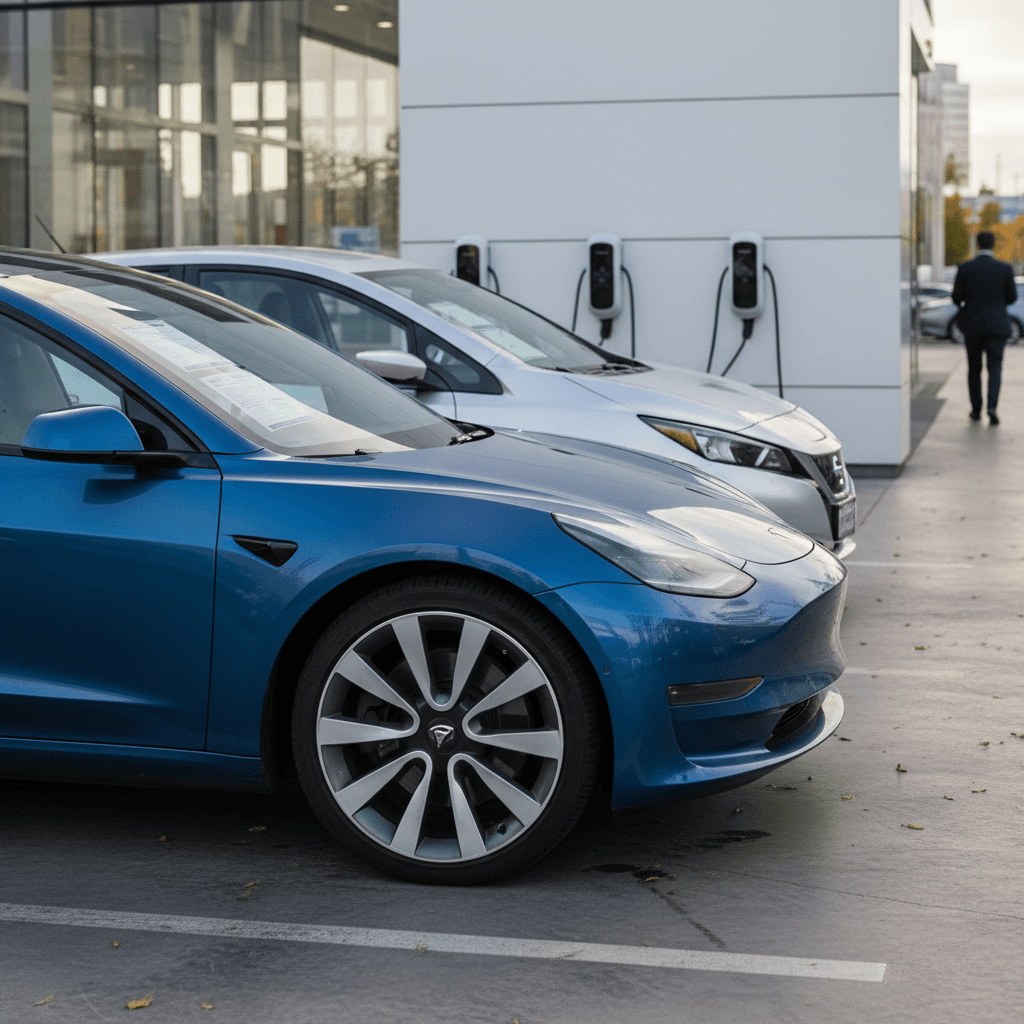
Between 2023 and 2025, the number of used EVs hitting the market surged as early Tesla, GM, Hyundai, Kia and Ford leases came due. Lease penetration for new EVs jumped dramatically, which means hundreds of thousands of 2–4‑year‑old EVs are now flowing into the used market each year, with more coming in 2026 and 2027. At the same time, federal and state incentives have often favored new EVs, which kept used values under pressure. The result in 2026: - Prices: Average used EV transaction prices in the U.S. have settled into the mid‑$20,000s, often under comparable gas models. - Selection: You can now cross‑shop used EVs by body style, brand, and price bracket instead of taking whatever is available. - Battery reality check: Real‑world data shows that most modern EV batteries are holding up better than early skeptics predicted, degrading, but gradually, not catastrophically.
Key questions to ask about a used EV in 2026
1. How healthy is the battery, really?
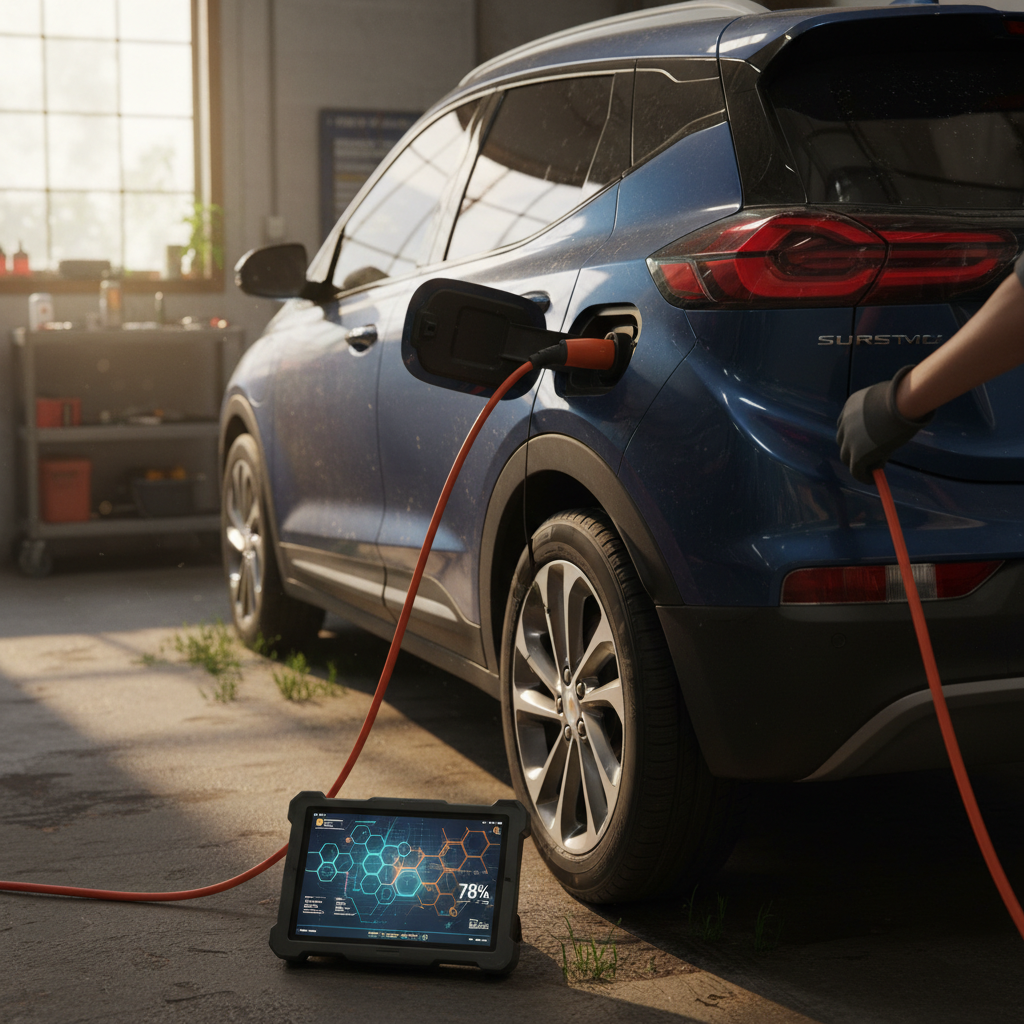
Range is the lifeblood of an EV. Ask for objective battery health data, such as a third‑party diagnostic or a report like the Recharged Score, which quantifies battery condition rather than guessing from a dashboard bar graph.
2. Does this model still qualify for any incentives?
Some states and local utilities offer incentives for used EVs, especially lower‑priced ones. Others focus solely on new vehicles. Check whether a specific VIN qualifies before you sign.
3. What’s the real charging experience like locally?
Map out Level 2 and DC fast chargers near your home, work, and regular routes. Apps and mapping tools can show planned vs. existing infrastructure so you don’t buy an EV that’s stranded from reliable charging.
4. Is software still supported?
Some early EVs lose over‑the‑air update support or navigation services. Confirm the automaker’s support roadmap, especially for vehicles from brands scaling back EV ambitions.
5. What’s the cost to replace common wear items?
Tires, brake components, and onboard chargers can be more expensive on some EVs. Price out likely wear items and compare to your budget.
Where Recharged fits in
Ready to find your next EV?
Browse VehiclesHow 2026 policy and incentives reshape demand
Policy is the invisible hand behind many electric car market trends in 2026. In the U.S., the Inflation Reduction Act (IRA) re‑wired EV incentives around where vehicles and batteries are built and where materials come from. That created a patchwork of winners and losers:
- Some EVs that qualified for a full federal tax credit in 2023 lost eligibility in later years as sourcing rules tightened.
- Leasing became a popular workaround because commercial tax rules are more flexible than retail ones.
- Battery production tax credits quietly subsidize domestic cell plants, making U.S.‑built EVs more competitive over time even if you never see a rebate on the window sticker.
What’s good for shoppers
- More U.S. production: Domestic plants in states like Kentucky, Tennessee and Texas mean more models that qualify for incentives today and more local jobs long‑term.
- Leasing flexibility: Even when a model doesn’t qualify for a retail credit, some lessors can still pass commercial credits through as lower payments.
- Used EV opportunities: As new‑EV incentives come and go, they create waves of depreciation, often leaving used EVs looking cheaper and more attractive.
What’s confusing or risky
- Changing eligibility: A car that qualifies today may not next year, depending on rule changes or supply chain shifts.
- Brand zig‑zags: Some automakers have slowed or postponed EV launches, which can affect long‑term parts and software support.
- State patchwork: California‑style ZEV mandates coexist with states that are trying to roll back EV programs, which creates very different local markets.
Don’t build your whole plan on one incentive
Technology, batteries and model mix: What’s hitting the market
Technology trends in 2026 are less about wild new concepts and more about scaling what works. You’ll still see news about solid‑state batteries and radical concepts, but the cars you can actually buy are shaped by three pragmatic shifts:
Key EV technology trends visible on 2026 dealer lots
Less science fiction, more refinement
LFP becomes mainstream
Lithium iron phosphate (LFP) batteries, once limited to a few models, are common in 2026, especially in lower‑priced EVs. They trade a bit of energy density for lower cost, better cycle life, and less reliance on nickel and cobalt.
Range plateaus, efficiency improves
Instead of chasing 400‑mile ranges for everything, many brands are targeting 250–325 miles with better efficiency and faster fast‑charging. That’s enough for most U.S. use cases when paired with good home charging.
More normal shapes, fewer door‑handle gimmicks
As EVs move from early adopters to mainstream buyers, automakers are dialing back experimental styling and focusing on practical packaging: usable cargo space, rear headroom, and straightforward controls.
NACS, CCS and charging standards
What these trends mean if you’re buying a used EV
Pull this all together and 2026 looks like a sweet spot for thoughtful used EV buyers: - Global production and competition have pushed technology forward and pricing down. - Policy has nudged automakers to build more EVs in North America, expanding your choices. - A wave of off‑lease vehicles is populating the used market with 2–4‑year‑old EVs that still have a lot of life left.
Your 2026 used EV playbook
1. Use market data, not just asking prices
Online listings can lag real market conditions. Look for platforms that benchmark prices against actual transactions and depreciation curves for specific models. Recharged’s fair‑market pricing tools are designed around used EV realities, not generic gas‑car assumptions.
2. Prioritize battery health over trim level
A base‑trim EV with a healthy battery is almost always a better buy than a fully loaded one with heavy degradation. Use objective diagnostics like the Recharged Score to understand usable capacity and projected range.
3. Match range and charging to your real life
If you mostly commute 40–60 miles a day and can charge at home, a 220‑mile EV can be perfect, and a lot cheaper. If you road‑trip every month, pay more attention to DC fast‑charging speed, connector type, and network coverage.
4. Take advantage of soft premium pricing
Because premium EVs took the hardest depreciation hit when new prices fell, a used luxury EV can be a bargain, if you’re comfortable with higher tire/insurance costs and potentially more complex hardware.
5. Consider financing and trade‑in together
In a volatile market, bundling your trade‑in, financing and purchase through one platform can reduce friction and surprises. Recharged can appraise your current vehicle, help with EV‑friendly financing, and coordinate delivery in one digital flow.
FAQ: Electric car market trends in 2026
Frequently asked questions about 2026 EV market trends
Conclusion: Using 2026 EV trends to your advantage
When you zoom out, electric car market trends in 2026 don’t look like a simple, smooth S‑curve anymore. They look like a real market: competitive, uneven, sometimes messy, but increasingly mature. Global production is high, Chinese overcapacity is pushing technology and prices, U.S. policy is pulling some levers and blocking others, and the used EV market is finally rich enough that you don’t have to compromise on basics like body style, range, or budget. If you’re shopping used, this is the first moment where you can treat EVs much like you’ve always treated gas cars, scrutinizing condition, value and total cost of ownership, while layering in EV‑specific questions about battery health and charging. That’s exactly the gap Recharged is built to fill: combining verified battery diagnostics, market‑aligned pricing, trade‑in options, financing and nationwide delivery into a single, EV‑specific buying experience. 2026 won’t be the last word on EVs. But if you understand the forces shaping this market, global competition, policy shifts, technology maturation, and the rise of used EVs, you can make decisions this year that still look smart five or ten years down the road.