If you’re a young driver looking at your first car, an electric vehicle can be a smart long‑term choice. But there’s one line item that often shocks people more than the purchase price: electric car insurance for young drivers. Between your limited driving history and the higher repair costs of EVs, premiums can climb quickly if you’re not prepared.
Young drivers + EVs: a double risk category
Why EV insurance is different for young drivers
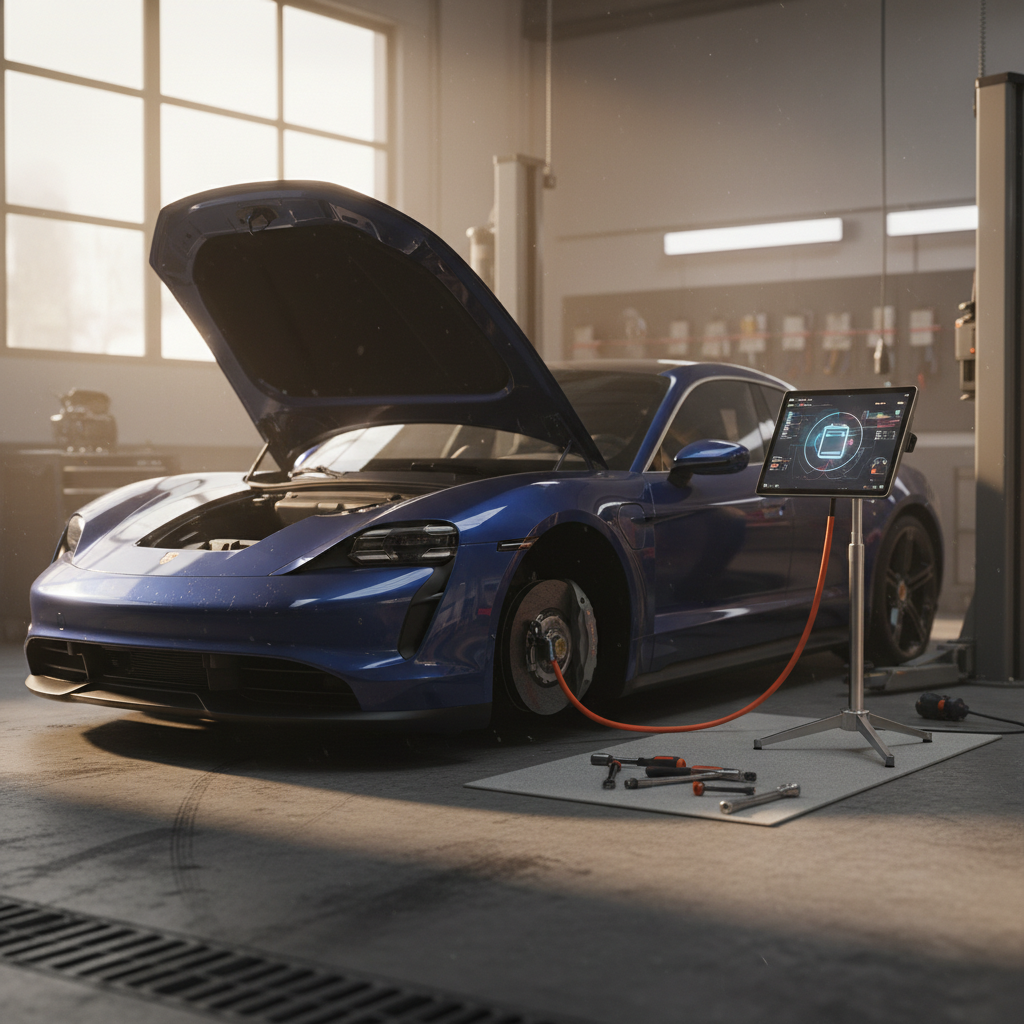
Insurers price every auto policy around one big question: how much will it cost to fix or replace this car if something goes wrong? With electric cars, that answer is often higher than for a similar gas car, mainly because of battery and electronics costs and a smaller pool of repair shops.
EV vs. gas insurance snapshot in 2025–2026
For a young driver, those EV‑specific costs stack on top of already high “inexperienced operator” surcharges. In some states, regulators explicitly allow extra rating factors for drivers with fewer than 6–8 years behind the wheel, which means your age and license date matter almost as much as the car you pick.
How much does electric car insurance cost young drivers?
Exact numbers depend on your state, driving record, and the specific EV, but it’s realistic in 2026 for a young driver to see full‑coverage electric car insurance in the $4,500–$6,000 per‑year range, sometimes more for high‑performance models or if you’ve had tickets or at‑fault claims.
Illustrative annual premiums for a young EV driver
Approximate full‑coverage premiums for a 20‑year‑old driver with a clean record, on a parent’s policy in a mid‑cost state. These are directional examples, not quotes.
| Vehicle type | Example model | Typical young-driver annual premium | Notes |
|---|---|---|---|
| New performance EV | Tesla Model 3 Performance | $5,500–$6,500+ | Quick acceleration and higher vehicle value push rates up. |
| New mainstream EV | Hyundai Kona Electric | $4,800–$5,700 | More affordable than performance EVs, still pricier to repair than many gas cars. |
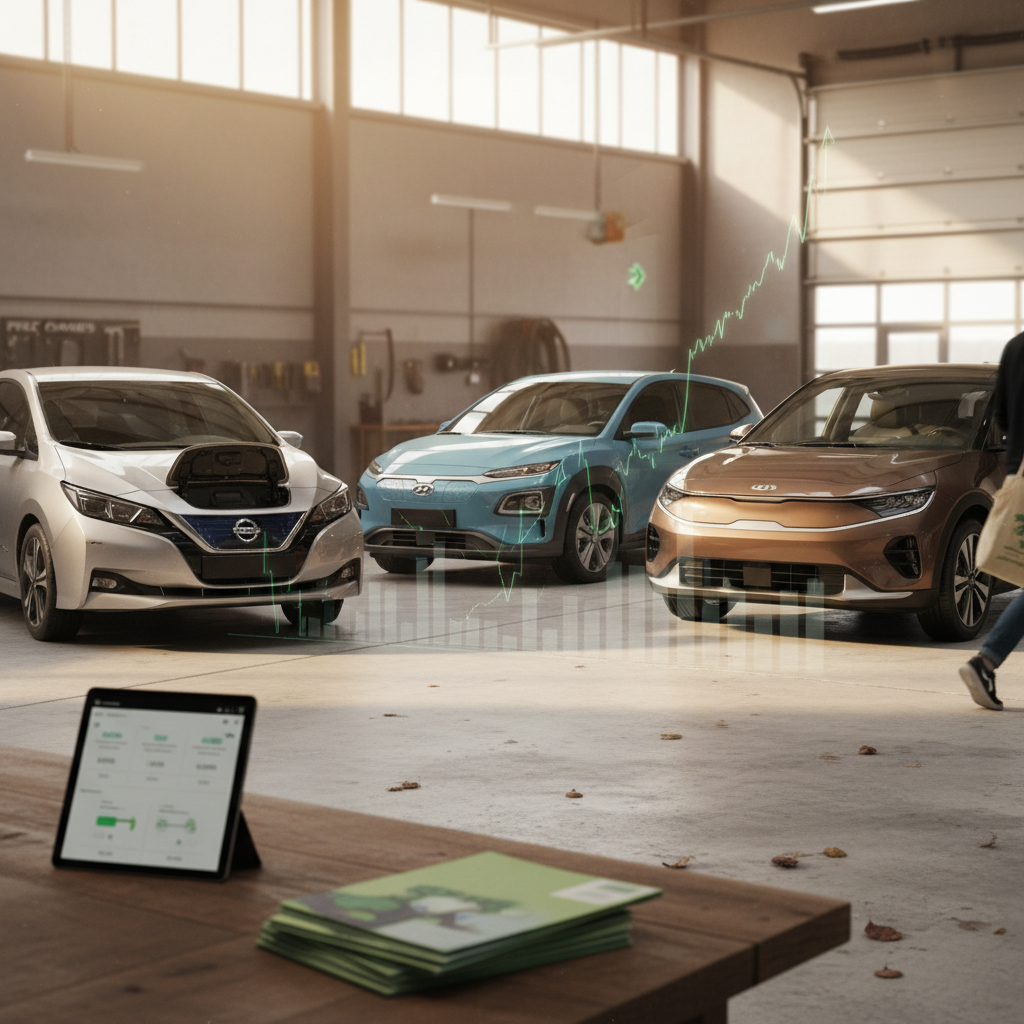
| Used compact EV | 2019 Nissan Leaf | $3,800–$4,600 | Lower vehicle value often means lower comprehensive and collision premiums. |
| Comparable gas compact | 2019 Honda Civic | $3,200–$4,000 | Shows how a similar‑size gas car can still be cheaper to insure. |
Your actual rate will vary by state, insurer, credit tier, and specific model, but this comparison shows how vehicle choice can change the conversation.
Don’t shop on averages alone
Why electric car insurance can cost more than gas cars
Four key reasons EV insurance runs high
These factors matter for everyone, but they hit young drivers especially hard.
1. Expensive battery packs
2. Limited repair options
3. Complex sensors & tech
4. Higher vehicle values
For young drivers, insurers also factor in higher claim frequency and severity. Even with modern safety tech, inexperienced drivers tend to have more accidents, and when those accidents involve an EV with a costly battery pack and advanced sensors, average claim amounts can spike.
Factors that shape your EV insurance rate
- Age and driving experience: Most carriers treat anyone under 25 as higher risk. Some also surcharge drivers licensed less than 3–8 years, regardless of age.
- Driving record: Tickets, at‑fault crashes, DUIs, and frequent claims sharply increase premiums, especially for teens and early‑20s drivers.
- Vehicle model and trim: A dual‑motor performance EV will usually cost more to insure than a modestly powered, earlier‑generation hatchback, even from the same brand.
- Usage and mileage: Higher annual mileage, gig‑work driving, or long commutes can raise rates compared with occasional use.
- Where you live and park: Urban areas with more traffic, higher theft rates, and higher medical costs usually mean higher premiums. Off‑street or garage parking is a plus.
- Credit and insurance history: In most U.S. states, credit‑based insurance scores and prior continuous coverage influence your price.
- Chosen coverage limits and deductibles: Higher liability limits and low deductibles cost more but offer better protection.
Pro tip: test your "what‑ifs"
Choosing the right EV to keep insurance affordable
You can’t change your age, but you can change the car you drive. The single biggest decision you control is which electric car you choose. For a young driver on a budget, that often means resisting the urge to buy the quickest, flashiest EV on the lot.
EV choices that usually help your rate
When in doubt, simpler and less expensive is your friend.
Older, simpler EVs
Mainstream trims
Strong safety record
How used EVs, and Recharged, can help you save
One of the cleanest ways to bring down insurance costs is to bring down the value of the vehicle you’re insuring, without sacrificing safety or reliability. That’s where the current used EV market shines.
Lower vehicle value, lower exposure
Insurance companies look at what it would cost to replace your car if it’s totaled. A three‑ to six‑year‑old EV often costs far less to replace than a brand‑new model, especially as used EV prices have come down into the same range as many used gas cars. That smaller replacement cost can translate directly into lower premiums.
Why the Recharged Score matters
Every EV listed with Recharged includes a Recharged Score Report with verified battery health and fair market pricing. That gives you (and your insurer) a clearer picture of the car’s true condition and value. Pair that with expert EV‑specialist support and financing options, and it becomes easier to choose a car that fits both your budget and your insurance target.
Putting it together
Ready to find your next EV?
Browse VehiclesCoverage young EV drivers actually need
When every dollar matters, it’s tempting to strip your policy down to the legal minimum. For young drivers in electric cars, that’s usually a mistake. Instead, think in terms of protecting your future income and the EV you’ve just worked so hard to buy.
Coverage checklist for young EV drivers
1. Adequate liability limits
State minimums are often far too low to cover a serious crash. Many families choose at least $100,000/$300,000 for bodily injury and higher if budgets allow. This protects you from paying out of pocket if you’re at fault.
2. Collision coverage
Collision pays to repair or replace your EV if you hit another vehicle or object, regardless of fault. With EV repair costs and battery prices, skipping collision on anything you can’t afford to replace is very risky.
3. Comprehensive coverage
Comprehensive covers non‑collision losses: theft, vandalism, hail, animal strikes, and more. Because EVs often sit at higher values than comparable gas cars, comprehensive is usually worth keeping until the car is quite old.
4. Uninsured/underinsured motorist
If someone else hits you and doesn’t have enough coverage, uninsured/underinsured motorist steps in. This can be critical in states with lower minimum limits.
5. Roadside assistance and towing
EVs rarely break down mechanically, but flats, lockouts, or a drained battery can still happen. Roadside coverage that understands EV flatbed towing requirements is a cheap safety net.
6. Gap coverage (if financing)
If you’re financing or leasing, consider gap coverage. It pays the difference between what you owe and what the EV is worth if it’s totaled, especially important when values are still normalizing for some models.
Where you can usually save
8 ways young drivers can lower EV insurance costs
You can’t negotiate the base rate an insurer files with your state, but you can absolutely influence the price you pay. Here are eight practical levers that often matter more than people expect.
- Get quotes before you buy the car. Narrow your EV shortlist, then ask for VIN‑specific quotes. Choosing the right model can save hundreds a year before you ever talk deductibles.
- Stay on a parent’s policy if possible. Being listed as an occasional driver on a household policy is almost always cheaper than carrying your own standalone policy as a teen or early‑20s driver.
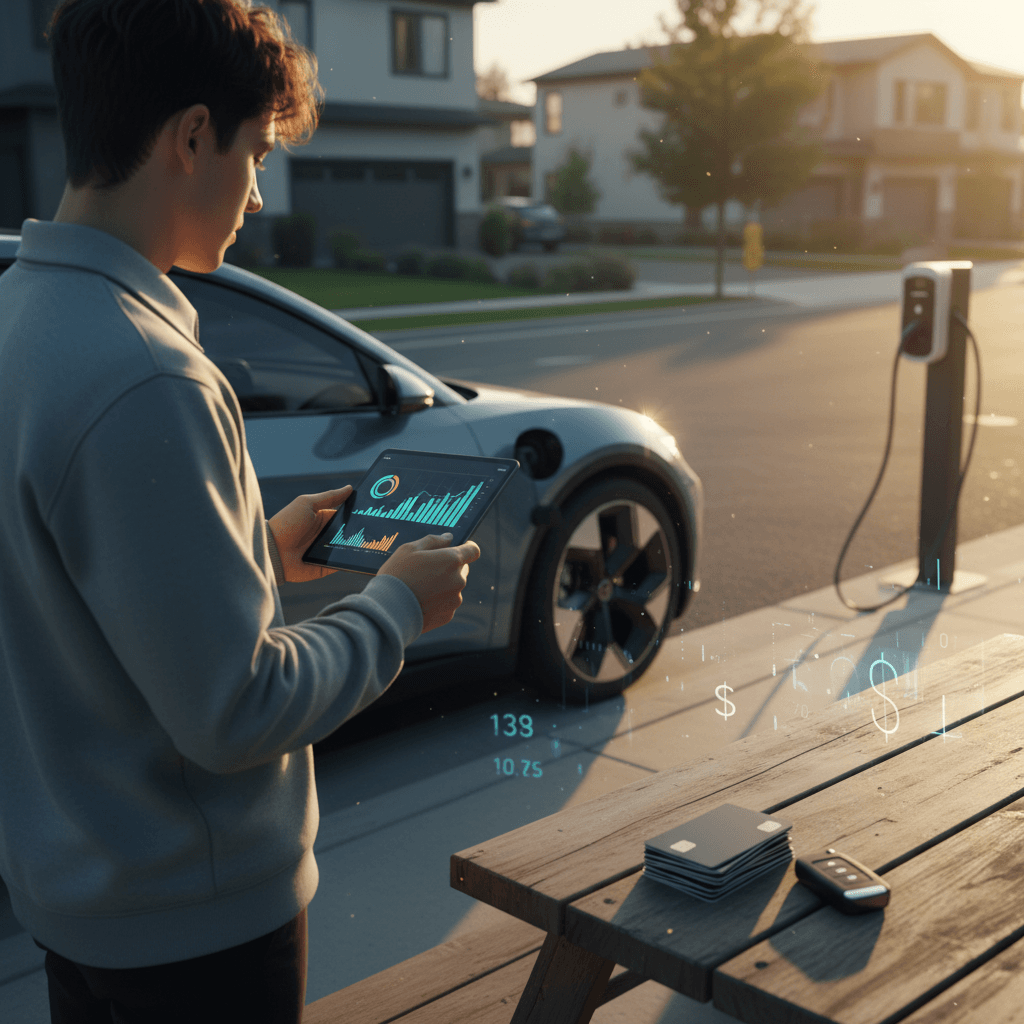
- Use telematics or “drive‑safe” programs. Many insurers now offer smartphone or plug‑in devices that track braking, acceleration, and time of day. Careful driving can earn meaningful discounts over the first 6–12 months.
- Raise deductibles to a level you can afford. Moving from a $500 to a $1,000 collision deductible can noticeably lower premiums. Just be honest about how much cash you could handle if you had a claim tomorrow.
- Limit high‑risk drivers of the EV. If younger siblings or friends with poor records regularly drive your car, your rating can suffer. Insurers price based on who actually uses the vehicle most.
- Aim for clean driving and good grades. Avoiding tickets and at‑fault crashes is non‑negotiable. Many carriers still offer “good student” discounts up to your early 20s, worth asking about if you’re in school.
- Garage or off‑street parking. Parking in a secure driveway or garage can slightly reduce comprehensive rates and lower theft‑related concerns, especially for desirable EV models.
- Review your coverage every 12 months. EV values, your age, and your driving record all change over time. As your EV depreciates or you cross age thresholds (21, 25, etc.), you may be able to adjust coverage and save.
EV insurance myths young drivers should ignore
Common myths about EV insurance for young drivers
Bad assumptions can cost you real money.
“All EV insurance is insanely expensive.”
“Liability‑only is fine on a newer EV.”
“Any safety feature automatically lowers my rate.”
“Charging at home gets me a discount.”
FAQ: Electric car insurance for young drivers
Frequently asked questions about EV insurance for young drivers
Bottom line: should young drivers choose an EV?
Electric car insurance for young drivers isn’t automatically a deal‑breaker, but it does demand more homework. EV premiums can run higher than for gas cars because of battery and repair costs, and youth always magnifies whatever the baseline risk is. The good news is that you control many of the biggest levers: the EV you pick, the coverage you buy, how you drive, and where you insure it.
If you’re realistic about total ownership costs and you’re willing to choose a safe, sensibly priced used EV instead of the flashiest new model, an electric car can absolutely make sense as a first or second vehicle. Start by shopping vehicles with transparent battery‑health data and fair pricing, like the used EVs listed with Recharged, then line up quotes before you buy. With the right car and the right policy, you can enjoy all the benefits of electric driving without letting insurance swallow your budget.