You can fall in love with an electric car’s instant torque and still get cold feet when you see the insurance quote. Electric car insurance cost by model can swing wildly, from relatively tame numbers on a Nissan Leaf to eye-watering premiums on a Tesla Model X. If you’re shopping for a new or used EV, understanding how each model affects your insurance bill is as important as range or charging speed.
Quick snapshot
Why electric car insurance costs more (for now)
If you’ve heard that electric cars are more expensive to insure than gas models, you’re not imagining it. Recent national data shows EVs often cost 20–50% more to insure than comparable internal‑combustion vehicles, largely because of repair economics rather than safety or crash risk.
- Higher repair costs: EVs pack expensive battery packs, advanced electronics, and aluminum or composite body panels. A moderate collision can mean five‑figure repairs or even a total loss.
- Specialized repair networks: Fewer shops are certified to repair EVs and calibrate advanced driver‑assistance systems (ADAS), so insurers pay higher labor rates and transport costs.
- Battery risk: Any suspicion of battery damage, especially from a hard hit or flooding, can push insurers to total the car instead of risking a costly, complex repair.
- Parts availability: Newer or lower‑volume models sometimes have long lead times on parts, which increases rental‑car and storage costs for insurers.
Don’t confuse repair cost with safety
Average electric car insurance costs in 2026
What EV drivers are paying in 2026 (big picture)
Those are national averages for a hypothetical 35‑ to 45‑year‑old driver with a clean record and full‑coverage insurance. Your own quote could land well below or above these figures depending on your ZIP code, credit‑based insurance score (in states where that’s allowed), mileage, and, yes, the specific EV you choose.
Electric car insurance cost by model: popular EVs
Let’s get into the meat of it: how much different electric models tend to cost to insure in the U.S. Numbers below reflect recent national averages for full‑coverage policies on mainstream trims, for drivers with clean records. Treat them as ballpark comparison tools, not quotes.
Typical annual insurance cost by electric car model (full coverage)
Approximate national averages for common EVs as of late 2025 / early 2026 for a 35‑year‑old driver with a clean record and good credit. Yours will vary.
| Model | Segment | Typical annual premium | How it compares |
|---|---|---|---|
| Nissan Leaf | Compact hatchback | $1,600–$2,100 | Among the cheapest EVs to insure; modest power and relatively inexpensive repairs. |
| Hyundai Kona Electric | Subcompact crossover | $1,600–$2,000 | Low purchase price and simple packaging help keep premiums in check. |
| Kia Niro EV | Compact crossover | $1,800–$2,200 | Family‑friendly crossover with relatively moderate repair costs. |
| Volkswagen ID.4 | Compact crossover | $1,900–$2,400 | Insurance similar to many compact gas SUVs; not a high‑risk performance model. |
| Chevrolet Equinox EV | Compact crossover | $1,900–$2,100 | One of the cheaper EVs to insure in recent studies; mainstream hardware and pricing. |
| Ford Mustang Mach‑E | Sporty crossover | $2,100–$2,600 | Sport‑flavored crossover; premiums higher than Leaf/ID.4 but usually below hot Teslas. |
| Hyundai Ioniq 5 | Design‑led crossover | $2,100–$2,700 | Fast‑charging, popular family EV; insurance sits mid‑pack among crossovers. |
| Kia EV6 | Sporty crossover | $2,200–$2,800 | Sportier trims and higher MSRPs push premiums above cheaper family EVs. |
| Tesla Model 3 | Compact sport sedan | $2,400–$3,400 | Commonly among the most expensive mass‑market cars to insure in national rankings. |
| Tesla Model Y | Compact SUV | $2,500–$3,500 | America’s best‑selling EV; high claim volume and repair costs keep rates elevated. |
| Tesla Model S | Luxury sport sedan | $3,300–$4,200 | High purchase price and complex components drive very high premiums. |
| Tesla Model X | Luxury SUV | $3,800–$4,800+ | Among the priciest EVs to insure; exotic doors, heavy curb weight, high repair bills. |
Smaller, lower‑priced EVs like the Leaf and Kona EV skew cheaper to insure than premium or performance‑oriented Teslas and large SUVs.
How to read this table
Tesla insurance costs by model
Teslas occupy a special place in the insurance conversation, the way Italian exotics dominate repair bills. They’re popular, fast, technologically dense, and expensive to fix. Put all that together and it’s no surprise they consistently rank near the top of “most expensive to insure” lists.
Model 3 and Model Y
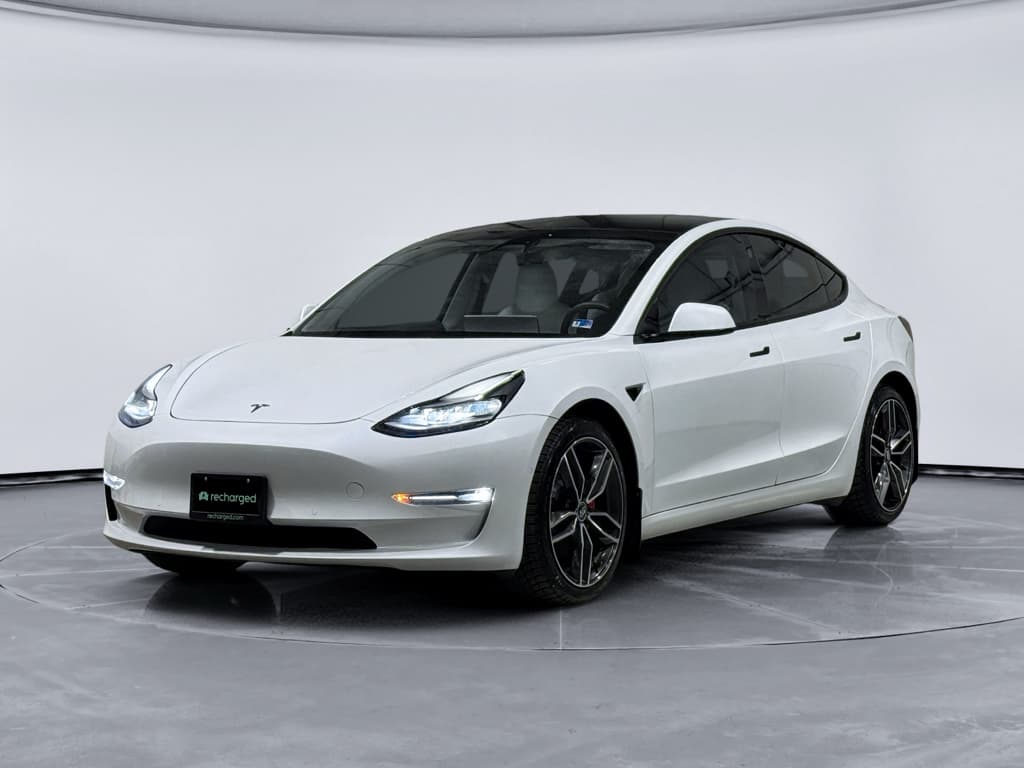
The Model 3 and Model Y are now mainstream cars, priced like loaded Camrys and RAV4s but insured like junior sports cars. National studies often show the Model 3 as one of the most expensive popular vehicles to insure, with averages creeping into the high $2,000s per year and some metro areas pushing far beyond that.
In high‑cost states like Louisiana, Michigan, or parts of California and Texas, it’s not unusual to see Model 3 or Y quotes well over $4,000 per year for full coverage, even with clean records.
Model S and Model X
The bigger Teslas live in a different tax bracket. The Model S and Model X carry very high MSRPs, complex suspensions, and dense ADAS hardware. Claim costs are enormous: insurers see five‑figure repairs as routine and totals as common when the battery pack might have been compromised.
It’s typical to see S and X premiums in the mid‑$3,000s to mid‑$4,000s for otherwise good‑risk drivers, with performance variants and expensive ZIP codes climbing from there.
Why Tesla rates are spiking faster
Which electric cars are cheapest to insure?
On the other side of the ledger, some EVs are surprisingly gentle on your insurance budget. They’re not usually the fastest or flashiest, but if you care more about cost of ownership than Instagram clout, that’s a feature, not a bug.
EVs that tend to be cheaper to insure
Smaller, simpler, and saner is the name of the game.
Nissan Leaf
Long‑running, modestly powered hatchback with a reputation for low claim severity. Insurance costs often undercut most other EVs and even some gas compacts.
Hyundai Kona Electric & Kia Niro EV
These subcompact and compact crossovers use relatively simple, mainstream hardware. They lack hyper‑performance trims, which keeps repair and liability exposure lower.
Volkswagen ID.4 & Chevy Equinox EV
Family crossovers with reasonable repair costs and no exotic hardware. In many studies they land among the cheapest EVs to insure in the U.S. market.
Used EV sweet spot

Factors that matter more than the badge on the trunk
Model choice is important, but it’s not destiny. Two drivers in the same Tesla Model Y can see thousands of dollars’ difference in premiums just based on where and how they live. Before you blame the car, look at the other levers insurers pull.
Key factors that shape your EV insurance rate
1. Location and garaging
Urban ZIP codes with dense traffic, theft, and vandalism risk drive higher rates than quiet suburbs or rural areas. Street parking usually costs more to insure than a locked garage.
2. Driver profile
Age, years licensed, claims history, tickets, and (in many states) credit‑based insurance scores often move the needle more than the car itself.
3. Annual mileage and usage
Lower annual miles and mostly‑personal use typically cost less than high‑mileage commuting or business use. Some telematics programs reward low‑mileage EV drivers with discounts.
4. Coverage limits and deductibles
Higher liability limits and low deductibles raise premiums, but skimping on coverage is risky with expensive EVs. Many owners choose higher deductibles to balance protection and price.
5. Safety and ADAS features
Features like automatic emergency braking and lane‑keeping can earn discounts, but they’re a double‑edged sword: when those sensors are damaged, repairs are pricier.
6. Vehicle value and repairability
Insurers care about what it costs to put the car back the way it was. High‑MSRP EVs with limited repair networks or tricky battery packaging cost more to insure than simple, mass‑market models.
Pro move before you buy
How insurance works when you buy a used EV
With a used EV, the insurance conversation gets more interesting. The car’s value has already taken its depreciation hit, which usually lowers comprehensive and collision premiums. But insurers still worry about that big battery pack and the cost to put Humpty Dumpty back together again after a crash.
Why used EVs can be cheaper to insure
- Lower vehicle value: A 3‑ to 5‑year‑old EV is far cheaper to replace than a new one, which directly reduces comprehensive and collision premiums.
- More repair data: By year three, insurers have real‑world claim data on how expensive a given model is to fix, not just guesses.
- Stabilized parts supply: For popular models, the parts and repair network usually improve over time, which helps lower claim costs.
What still keeps premiums elevated
- Battery uncertainty: One bad crash can still put the pack in question; insurers are cautious about any hint of thermal risk.
- Tech density: Big infotainment screens, radar units, cameras and sensors don’t get cheaper to replace just because the car is older.
- Model reputation: A model with a history of high‑severity claims (like some Teslas) can keep expensive insurance even on older examples.
Where Recharged fits in
If you’re trading in or selling an EV, Recharged can also provide an instant offer or consign your vehicle. While insurers don’t quote based on inspection reports today, buying a well‑documented used EV is your best defense against unpleasant surprises that could trigger a big claim later.
Nine ways to lower your electric car insurance bill
You can’t change the fact that a Model X is packed with sensors like a surveillance submarine, but you’re not powerless. Here are practical, model‑agnostic ways to rein in EV insurance costs.
Practical levers you can pull
1. Compare quotes by model before you commit
Get quotes on two or three EVs you’d happily own. You may find a Leaf, Kona EV, or ID.4 saves you hundreds per year versus a similarly priced Tesla.
2. Adjust deductibles strategically
If you can comfortably afford a $1,000 deductible, raising it from $500 can trim premiums while still protecting you from catastrophic losses on an expensive EV.
3. Ask about EV and safety discounts
Some carriers offer breaks for advanced safety tech, low mileage, or owning an EV at all. It’s rarely automatic, ask explicitly when you shop.
4. Consider telematics and usage‑based programs
If you’re a smooth, low‑mileage driver, app‑based programs that track behavior can shave a meaningful amount off your bill, especially on pricier EVs.
5. Bundle home and auto, or multiple cars
Bundling your EV with home or renters insurance, or insuring multiple cars with the same company, often unlocks discounts that blunt the EV premium hit.
6. Improve your credit profile where it counts
In states where credit‑based insurance scores are allowed, moving from “fair” to “good” credit can sometimes save as much as switching cars.
7. Re‑shop at renewal, especially after big hikes
EV insurance is a moving target. If your premium jumps 20% at renewal with no claims, it’s your cue to re‑shop carriers.
8. Right‑size your coverage on older EVs
If you’re driving a low‑value older EV outright, talk with an advisor about whether full coverage still makes sense, just don’t drop liability limits below what you truly need.
9. Choose trims and wheels with your head, not your heart
Performance packages, massive wheels, and sticky tires can all nudge premiums upward. Sometimes the slower trim is the smarter buy over a three‑ to five‑year horizon.
Electric car insurance cost by model: FAQ
Frequently asked questions
Bottom line: shop the whole ownership cost, not just insurance
Insurance costs by model are one more proof that EVs are not created equal. A gently used Leaf or ID.4, bought at the right price, can feel like cheating the system compared with an over‑optioned performance Tesla that keeps your insurer up at night. As you shop, think the way underwriters do: what does this thing cost to put back together when life goes sideways?
If you’re leaning toward a used EV, a platform like Recharged can simplify the calculus. Every vehicle comes with a Recharged Score battery‑health and condition report, transparent pricing, EV‑savvy support, and optional nationwide delivery, so you can focus on comparing real‑world ownership costs, not guessing what might be hiding under the floor. Get your quotes, run the numbers, and choose the EV whose insurance bill you can live with long after the new‑car smell fades.