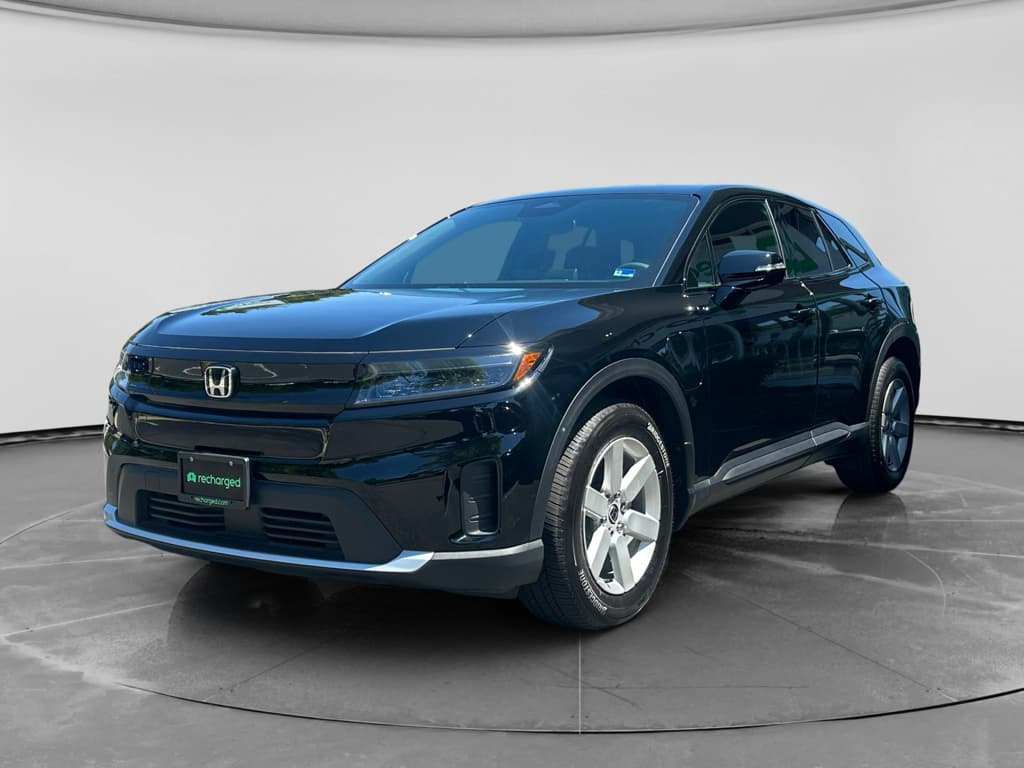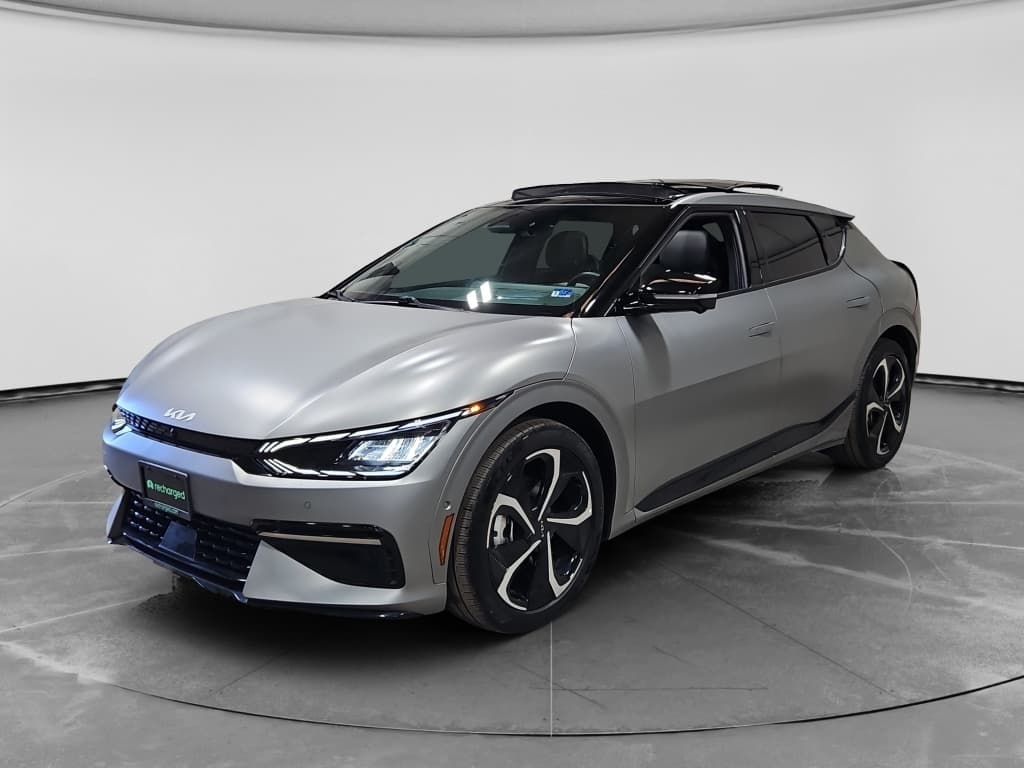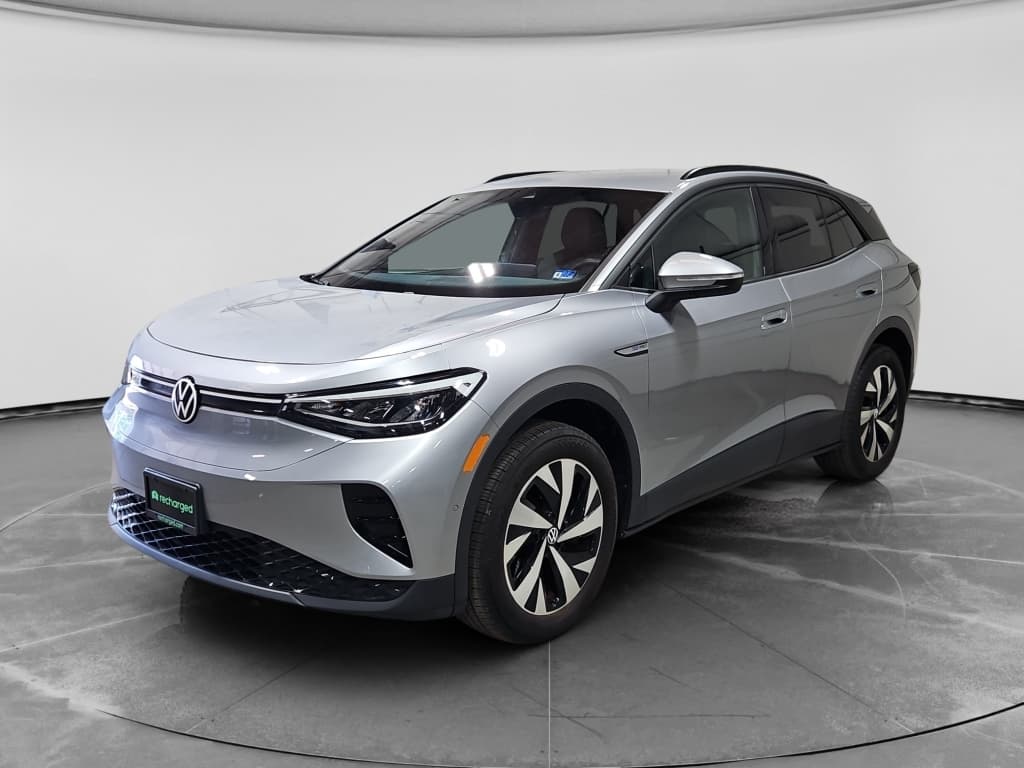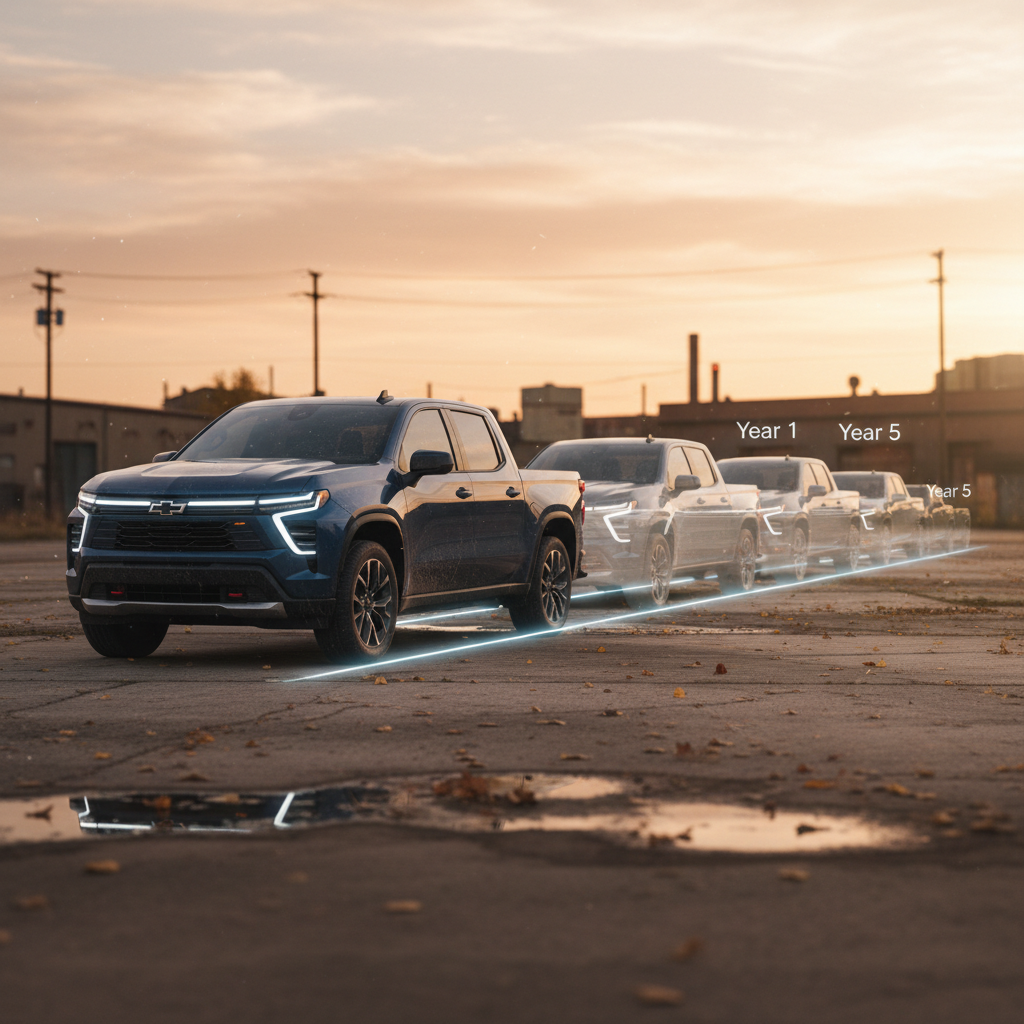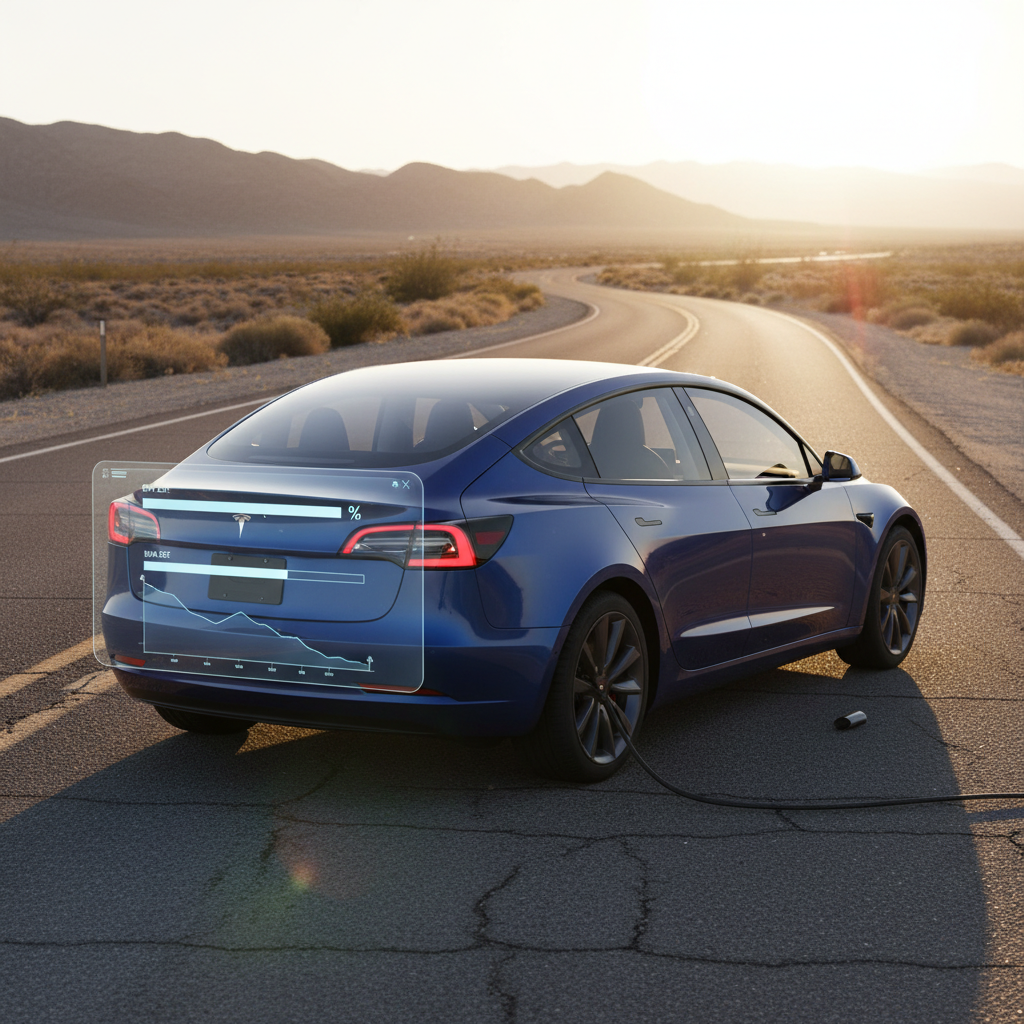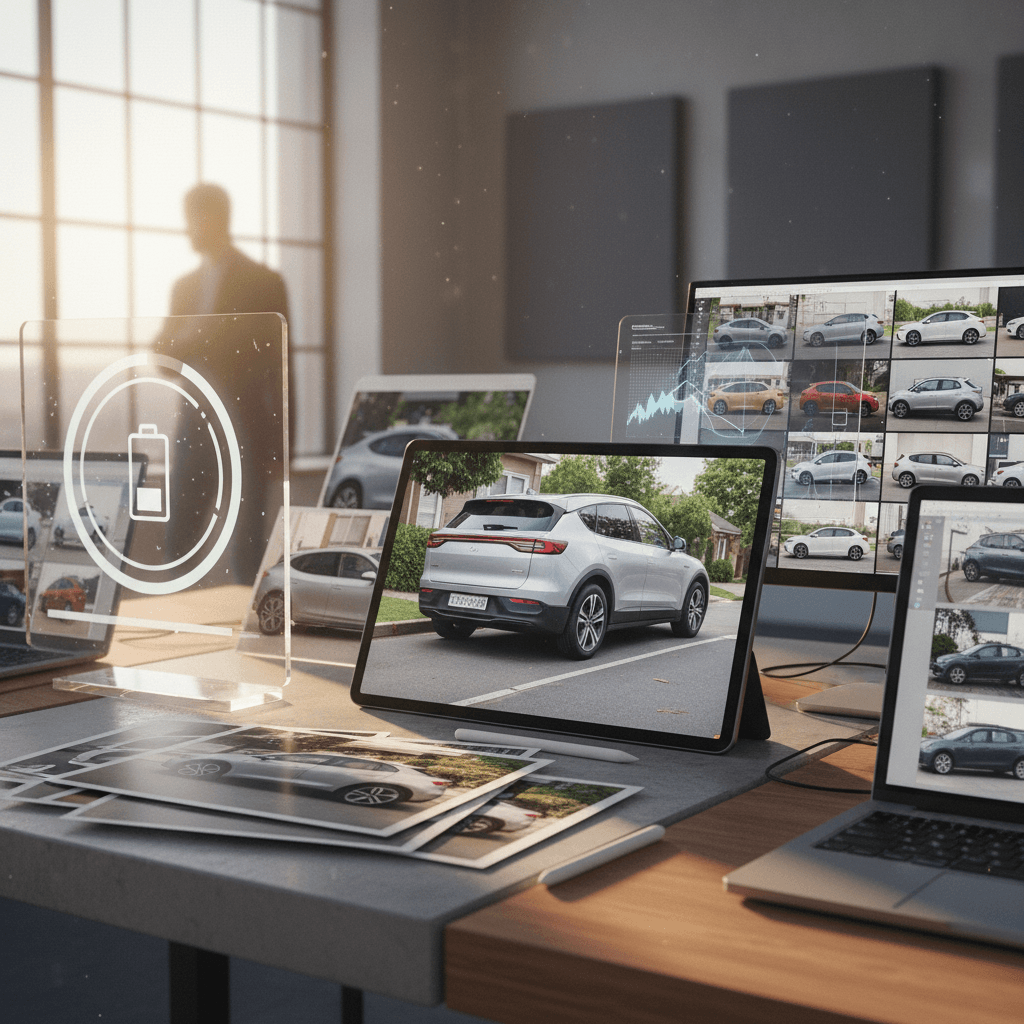
Search for electric car images in 2025 and you’ll see everything from futuristic concept sketches to grainy driveway photos. Some of those images help buyers make smart decisions. Others just look cool, and confuse people. If you’re building an EV-focused website, crafting a presentation, or listing a used electric car for sale, the images you choose can either build trust or raise questions.
Why this guide is different
Why electric car images matter in 2025
Global EV sales are projected to top 20 million vehicles in 2025, and the average shopper compares multiple models and trims online before they ever visit a dealership. A clean, accurate set of electric car images is no longer a nice-to-have, it’s part of how you explain range, charging, tech features, and condition without saying a word.
How visuals shape EV decisions
How Recharged uses imagery
Ready to find your next EV?
Browse VehiclesKey types of electric car images you should have
Instead of grabbing random electric car photos, plan around a simple checklist of image types. That way buyers (or your audience) can answer the big questions: What does it look like? How do I charge it? What’s the tech like? What’s the condition?
Core electric car image categories
Cover these bases whether you use stock or your own photos
1. Exterior angles
Show the EV as a whole:
- Front 3/4 view (hero shot)
- Rear 3/4 view
- Both sides in good light
- Badging that confirms trim or EV variant
2. Interior & seats
Help viewers imagine daily use:
- Driver’s seat and steering wheel
- Infotainment and gauge cluster
- Front and rear seats
- Cargo area with seats up/down
3. Charging & battery
Answer range and charging questions visually:
- Charging port open
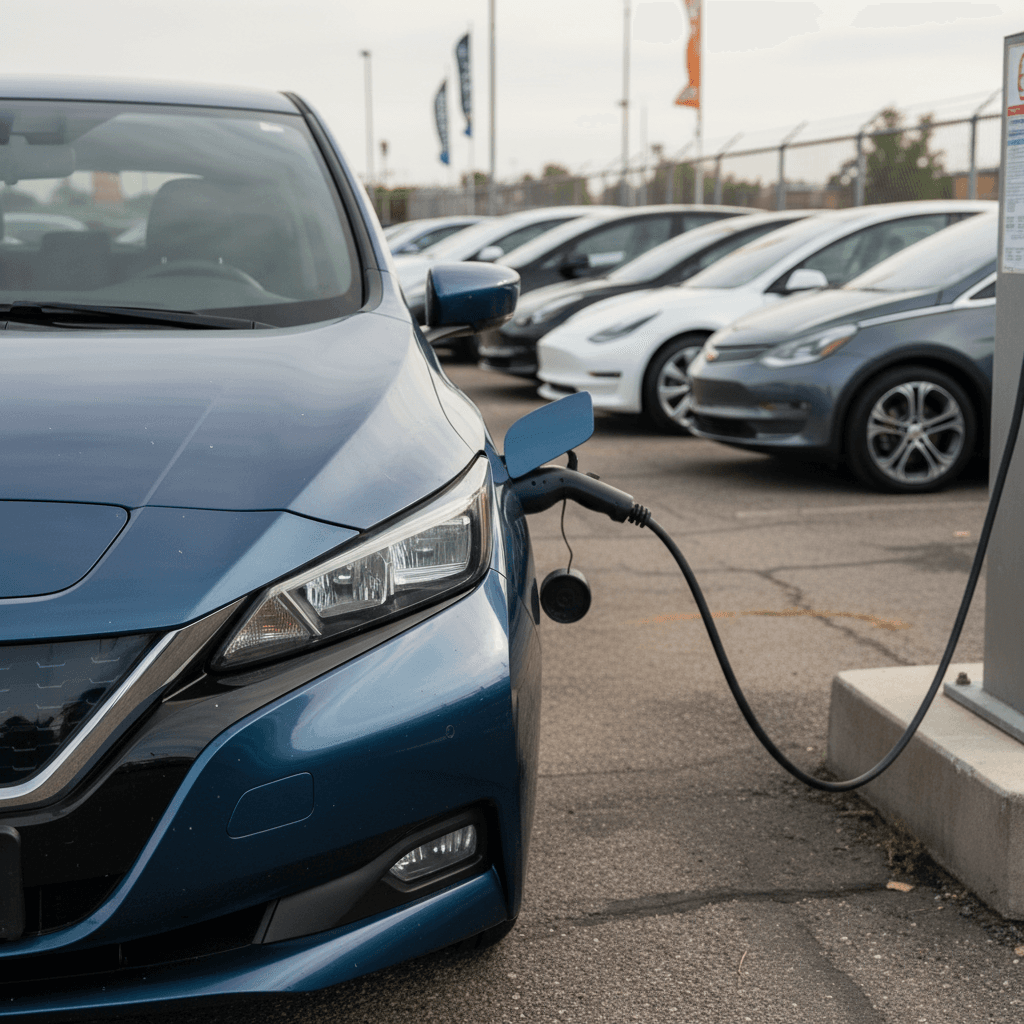
- Cable connected to home or public charger
- Dashboard or center screen showing range
- Charge status screen while plugged in
4. Detail & lifestyle images
Use detail shots to differentiate your vehicle or brand:
- Unique wheels or lighting signatures
- Seat materials and stitching
- Driving position with city or nature background
- EV parked in a driveway or garage to show real-world scale
5. Documentation & accessories
Especially important for used EVs and marketplaces:
- Owner’s manuals and included chargers
- Wallbox or portable Level 2 charger
- Adapters (NACS, CCS, J1772) neatly arranged
- Close-ups of any damage, curbing, or wear
Where to find electric car images (free & paid)
If you just type “electric car images” into a search engine and download the first thing you see, you’ll almost certainly run into licensing problems. Instead, stick to reputable sources that clearly spell out whether you can use images for commercial projects, social posts, or listings.
Reliable sources for electric car images
1. Free stock sites (with clear licenses)
Platforms like Pixabay or other free stock libraries offer thousands of EV photos, illustrations, and vectors with generous usage rights. Before you hit download, skim the license tab and confirm that <strong>commercial use is allowed without attribution</strong> if that’s what you need.
2. Paid stock photography for polished campaigns
For brand campaigns, ads, or slide decks, paid sites such as iStock, Adobe Stock, or Getty often have the most polished EV images, interiors, charging shots, and dashboard closeups. The tradeoff is cost and stricter license terms, so keep a record of what you purchased and how you’re allowed to use it.
3. OEM and press-kit imagery
Automakers publish high-quality electric car images in press sections of their sites. These are great for editorial uses, blog posts, news coverage, comparisons. They are <strong>not</strong> intended for your vehicle listings or advertisements unless you have explicit permission.
4. Your own photos & Recharged-style sets
The safest, most flexible option is to shoot your own photos or hire a professional. That’s how Recharged approaches its own marketplace: consistent angles, honest condition reporting, and images that match each VIN, not a generic marketing image.
Watch for hidden AI-image restrictions
How to shoot your own electric car images
You don’t need a studio or full-frame camera to get great electric car images. A recent smartphone, a simple shot list, and 30–45 minutes of patience will beat most random stock photos, especially for used EVs and local marketing.
EV photo basics: light, background, angles
Follow these fundamentals before you worry about filters
1. Use soft, even light
Shoot just after sunrise or before sunset when the sun is low. Cloudy days are perfect, no harsh shadows on body panels, no blown-out screens.
2. Clean, simple backgrounds
A plain wall, open parking lot, or driveway is better than a busy street full of other cars. You want viewers to focus on your EV, not the clutter around it.
3. Repeatable angles
Capture the same angles for every vehicle: front 3/4, rear 3/4, both sides, close-ups of wheels, seats, and the charging port. Consistency builds trust across multiple listings.
- Start with a full walk-around video to find your best angles and check for reflections or distractions.
- Take more photos than you think you’ll need; you can always delete extras later.
- Keep the steering wheel straight and center the car in the frame.
- Turn on signature lighting (DRLs, LED strips) without blowing out the exposure.
- Clean fingerprints from touchscreens and glossy black trim before close-ups.
Optimizing EV images for web and SEO
Once you’ve chosen or shot your electric car images, you still need to make them fast, accessible, and discoverable. Done right, the same set of photos can power your website, blog posts, and marketplace listings without slowing pages to a crawl.
Quick reference: EV image optimization
Simple settings that work well for most electric car photos
| Item | Recommended Setting | Why it matters |
|---|---|---|
| File format | JPEG or WebP | Balances quality and file size for car photography |
| Max size (web pages) | 1200–1600px wide | Sharp on most screens without bloated files |
| Max size (thumbnails) | 400–600px wide | Loads quickly in search results and galleries |
| Alt text length | 10–15 words | Enough detail for accessibility and SEO |
| File naming | model-year-ev-charging.jpg | Describes content and can include keywords |
| Compression | 60–80% quality | Keeps detail while shrinking file size |
Use this table as a starting point, then adjust for your platform’s limits.
Write alt text like a short caption
Technical basics
- Resize images before upload instead of relying on the website to compress them.
- Use consistent aspect ratios (16:9 or 4:3) so grids don’t look messy.
- Run a few sample pages through a speed test tool and look for image warnings.
Visual consistency
- Stick to similar color balance and contrast across all images on a page.
- Avoid heavy filters that make paint or interior colors look unrealistic.
- For used EVs, show flaws honestly; don’t try to blur or hide them.
Electric car images for used EV listings
If you’re selling or trading in an EV, images aren’t just decoration, they’re part of your disclosure. Serious buyers are looking for clues about how the car was used, how it was charged, and whether the story in the description matches what they see in the photos.
Shot list for a trustworthy used EV listing
1. True hero shot
One clean front 3/4 angle in good light, wheels straight, with the entire car in frame. This is the thumbnail that will show up in search results, so make it your best image.
2. Honest exterior coverage
Show both sides, front, rear, and a direct side profile. Include close-ups of any scratches, dings, or wheel damage. Buyers don’t expect perfection; they want <strong>accuracy</strong>.
3. Interior condition and tech
Photograph the driver’s seat bolsters, steering wheel, pedals, and high-touch surfaces. Add clear shots of the center screen, instrument cluster, and any physical climate or drive-mode controls.
4. Battery and charging status
With the car on and ideally at a typical state of charge (40–80%), capture the range display and battery percentage. If you can, show a charging screen while plugged in to a Level 2 charger.
5. Charging equipment included
Lay out portable chargers, wallbox cables, and adapters on a clean surface. Take one wide shot and a couple of close-ups so there’s no confusion about what’s included in the price.
6. Paperwork and extras
If you have service records, window sticker, or a recent battery health report like a <strong>Recharged Score</strong>, stack them neatly and take one overhead shot. It signals that you maintain and document your car.
How Recharged handles used EV photos
Legal and ethical image use
Electric car images are easy to copy and paste, but that doesn’t mean you’re allowed to use them however you like. A little discipline here can save you headaches down the road.
- Always read the license on stock sites, especially for commercial use.
- Avoid copying images from automaker sites for your own sales listings unless you have written permission.
- Don’t use another dealer’s or marketplace’s photos to represent your car; buyers may see the same VIN elsewhere and lose trust.
- If you’re photographing vehicles in public, avoid recognizable faces and license plates, or blur them before publishing.
- When in doubt, shoot your own photos. Ownership is clearer, and the images actually match the car you’re representing.
Never misrepresent a specific vehicle
Common mistakes with electric car images
Most weak EV image galleries share the same bad habits. If you avoid these, you’re already ahead of the pack, whether you’re a private seller, dealer, or content creator.
Mistakes that confuse electric car shoppers
And what to do instead
1. Concept art as reality
Futuristic renderings look cool but can mislead buyers about what’s on sale today. Use them sparingly in editorial content and clearly label them as concepts or illustrations.
2. No charging context
Photos that never show the charging port, cable, or home setup leave buyers guessing. Always include at least one image that shows how the car is charged in real life.
3. Hiding wear and tear
Skipping photos of curb rash, seat wear, or paint issues doesn’t hide problems; it just makes buyers suspicious. Clear, close-up shots of imperfections tell shoppers you’re honest.
Turn flaws into reassurance
Electric car images: FAQ
Frequently asked questions about electric car images
Wrap-up: Turn images into EV insight
Electric car images do far more than fill space on a page. The right mix of exterior, interior, and charging photos can answer range questions, showcase tech, and prove you’re being upfront about a vehicle’s condition. Whether you’re pulling from stock libraries, OEM press sites, or your own camera roll, focus on clarity, honesty, and consistency.
If you’d rather skip the guesswork, you can browse used EVs on Recharged knowing each vehicle comes with professional photography, a Recharged Score battery health report, and expert guidance from first click to delivery. But even if you’re shooting your own photos, use the principles in this guide and your electric car images will start doing real work for you, building trust, answering questions, and helping people feel confident about going electric.