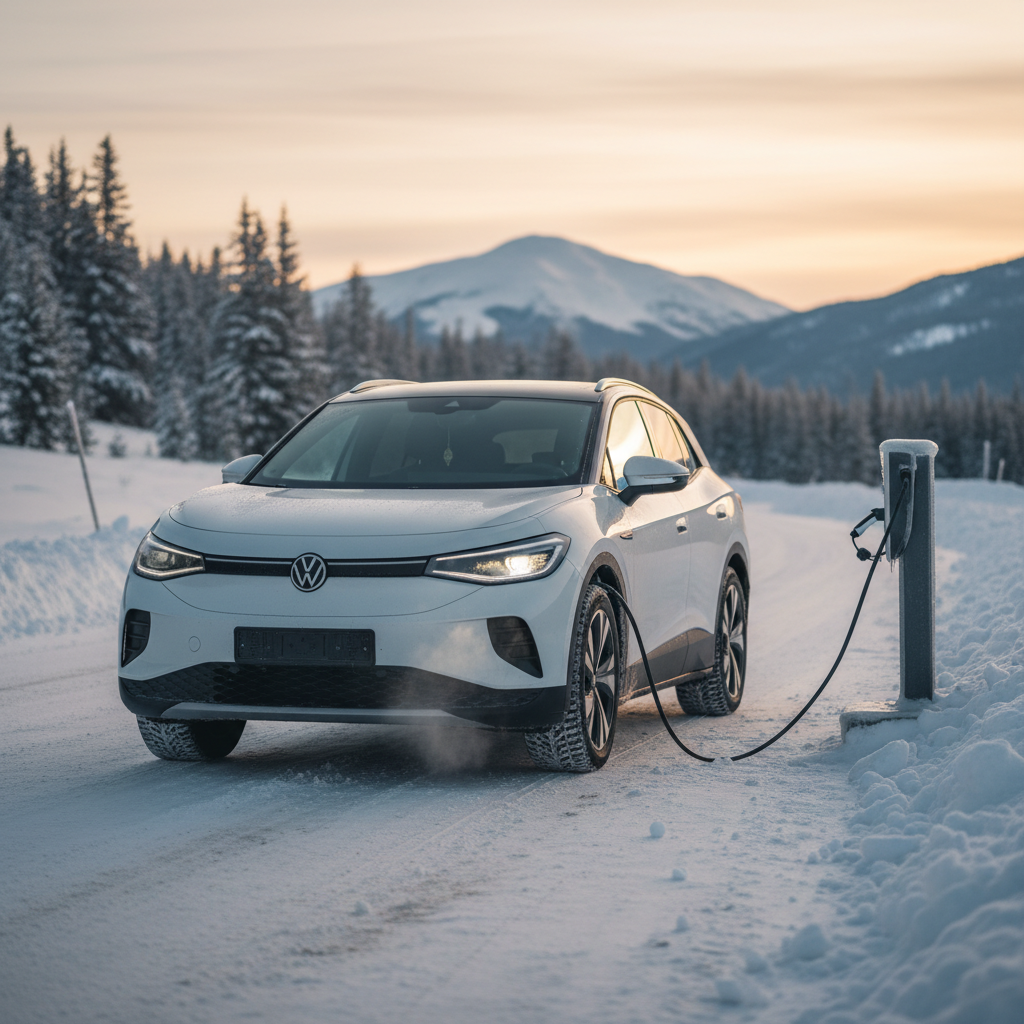
You don’t buy an electric car for Uber because it’s cool. You buy it because you want to make more money per hour without destroying your back or your schedule. This guide walks you through everything you need to know about choosing and running an electric car for Uber in 2026, requirements, costs, range, charging, and how to shop smart, especially if you’re looking at a used EV.
Quick take
Is an electric car for Uber worth it in 2026?
Uber is pushing hard toward a zero‑emission future. The company has committed to 100% electric trips in many major markets by 2030, and in October 2025 it rolled out new incentives, including up to $4,000 in cash grants for drivers in states like California, New York, Colorado, and Massachusetts who buy an EV for Uber Electric. That’s on top of bonuses per EV trip in some cities and access to higher‑earning ride types like Uber Electric and Comfort Electric.
EVs and Uber in 2026: Numbers that matter
Whether an electric car makes sense for you depends on three things: how many miles you drive per week, what your local electricity prices and charging options look like, and how much you’re paying for the car. Get those three wrong and an EV can feel like a mistake. Get them right and it’s one of the easiest ways to protect your earnings from fuel price swings.
Rule of thumb
Uber electric vehicle rules and ride types
Before you shop for an electric car for Uber, you need to make sure it will actually be eligible on the platform, and for the ride types you care about. Uber’s rules change by city and over time, so always double‑check inside the Uber Driver app or on Uber’s vehicle eligibility tool for your ZIP code. But there are some 2026 patterns worth knowing.
Key Uber ride types that care about your EV
Exact model years and availability vary by city. Always verify with Uber before you buy.
| Ride type | Fuel type allowed | Typical model year rules (2026) | Why it matters for EV drivers |
|---|---|---|---|
| UberX | Gas, hybrid, EV | Usually 2022+ for new registrations (stricter in some states) | Your bread‑and‑butter; almost any eligible EV can do UberX. |
| Uber Electric / Uber Green | EV only | 2022+ in many markets; some cities require 2023+ | Higher earning potential; customers can choose EV‑only rides. |
| Comfort / Comfort Electric | Larger, newer, nicer vehicles | 2023+ and specific models only | Bigger cabins and more legroom can boost tips and ratings. |
| Premium tiers (Black, Black SUV) | High‑end models only | 2024+ luxury vehicles | Most mainstream EVs won’t qualify; don’t overbuy hoping for Black. |
Think of this as a starting point, not a legal document, rules change, and cities can be stricter than Uber’s baseline.
Don’t trust old forum threads
What makes a good electric car for Uber? Key specs to focus on
The best electric car for an Uber driver isn’t the flashiest one in the showroom. It’s the one that lets you stay online longer for less money while keeping passengers comfortable. Here’s what actually matters when you’re doing 150–250 miles a day.
Must‑have traits for an Uber‑friendly EV
If an EV misses more than one of these, keep shopping.
Real‑world range
Look for at least 230–250 miles of EPA range if you can charge at home, and 270+ if you’ll rely heavily on public chargers.
Remember, high‑speed driving, weather, and HVAC can chop 20–30% off the rated number.
Fast, reliable charging
You want DC fast‑charging that can go from about 10–80% in under 35–40 minutes at a typical station.
Also check: Does it support the NACS/Tesla connector, or will you need an adapter for Superchargers in your area?
Passenger comfort & space
Rear legroom and headroom matter more than 0–60 times. Clients notice how easy it is to get in and out and how the back seat feels on a 30‑minute ride.
Sedans with cramped back seats can hurt tips in airport and business markets.
Low maintenance & parts
All EVs save you oil changes, but some have pricey tires or limited service networks.
Before you buy, look for a solid service footprint where you drive and check tire sizes and replacement cost.
Safety & driver aids
Five‑star crash ratings, automatic emergency braking (AEB), blind‑spot warning, and adaptive cruise aren’t luxuries when you’re in traffic all day.
These can literally reduce your stress and your insurance claims.
Total cost, not just payment
Don’t fixate on the monthly note alone. Add payment + insurance + charging + parking + maintenance and compare that number to what you’re paying now.
A slightly higher payment can still be a win if your fuel bill plummets.
Pro tip: Range vs. comfort
New vs. used electric car for Uber driving
New EVs come with full warranties and the latest tech, but they also drop in value fast, especially once the initial tax credits and incentives are baked into pricing. As a rideshare driver putting serious miles on the car, buying used can make a lot of sense if you’re careful about battery health and warranty coverage.
Why many Uber drivers like new EVs
- Full factory warranty on the battery and the rest of the car, often 8 years/100,000–150,000 miles for the pack.
- Access to the latest driver‑assist systems and infotainment, nice when you live in the car.
- Easier to qualify for Uber or third‑party EV bonus programs, which sometimes specify model year.
- Simpler financing if you’re working with a mainstream lender.
Why a used EV can be smarter for Uber
- Someone else already paid for the steepest first‑3‑year depreciation.
- You can often buy more range for less money by going 2–4 years old instead of new.
- Lower purchase price usually means lower insurance and smaller payments.
- Many EVs still carry transferable battery warranties, which can protect you well into your rideshare career.
The big used‑EV risk: Unknown batteries
Real‑world EV earnings and costs for Uber drivers
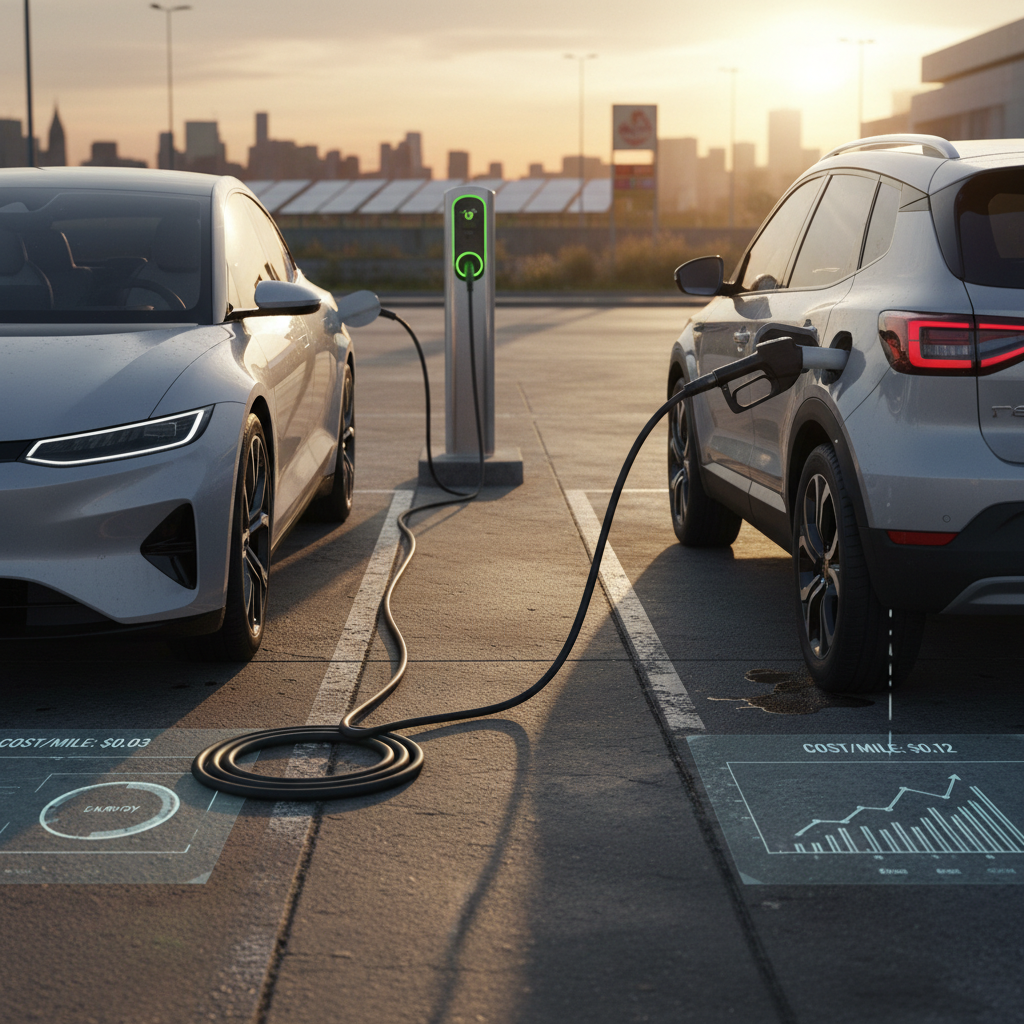
Let’s talk money. Every city is different, but the logic is the same: your profit is what’s left after all the car expenses come out. An electric car for Uber can dramatically cut your per‑mile cost, especially on fuel and maintenance, but you need to run the numbers for your situation.
Example: Weekly costs – gas sedan vs. efficient used EV
Illustrative math for a full‑time driver doing 1,000 miles per week. Adjust for your own payment, electricity rates, and city.
| Item | Gas sedan (UberX) | Used EV (UberX + Uber Electric) |
|---|---|---|
| Fuel/energy | $200–$260 (25–30 mpg, $3–$3.50/gal) | $55–$80 (home/off‑peak at ~$0.13–0.18/kWh, mix of some fast charging) |
| Maintenance | $40–$60 (oil changes, brakes, misc.) | $15–$30 (tires, cabin filters, fewer wear items) |
| Vehicle payment | $450 | $450 (similar‑priced used EV) |
| Total weekly car costs | ~$690–$770 | ~$520–$560 |
| Potential EV bonuses | None | +$25–$75/wk in some markets for Uber Electric / EV trips |
These are ballpark figures to show the shape of the math, not a promise for your specific market.
The spread adds up fast. Over 50 weeks of driving, a difference of even $120 per week is $6,000 a year back in your pocket. That’s the real reason so many high‑mileage drivers are going electric, not just because riders like the quiet ride.
Where EV economics break down
Charging strategy: Home, public, and fast charging
An electric car for Uber pays off only if your charging routine fits your life and your city. Think of charging as part fuel stop, part time‑management puzzle. Here’s how most drivers make it work.
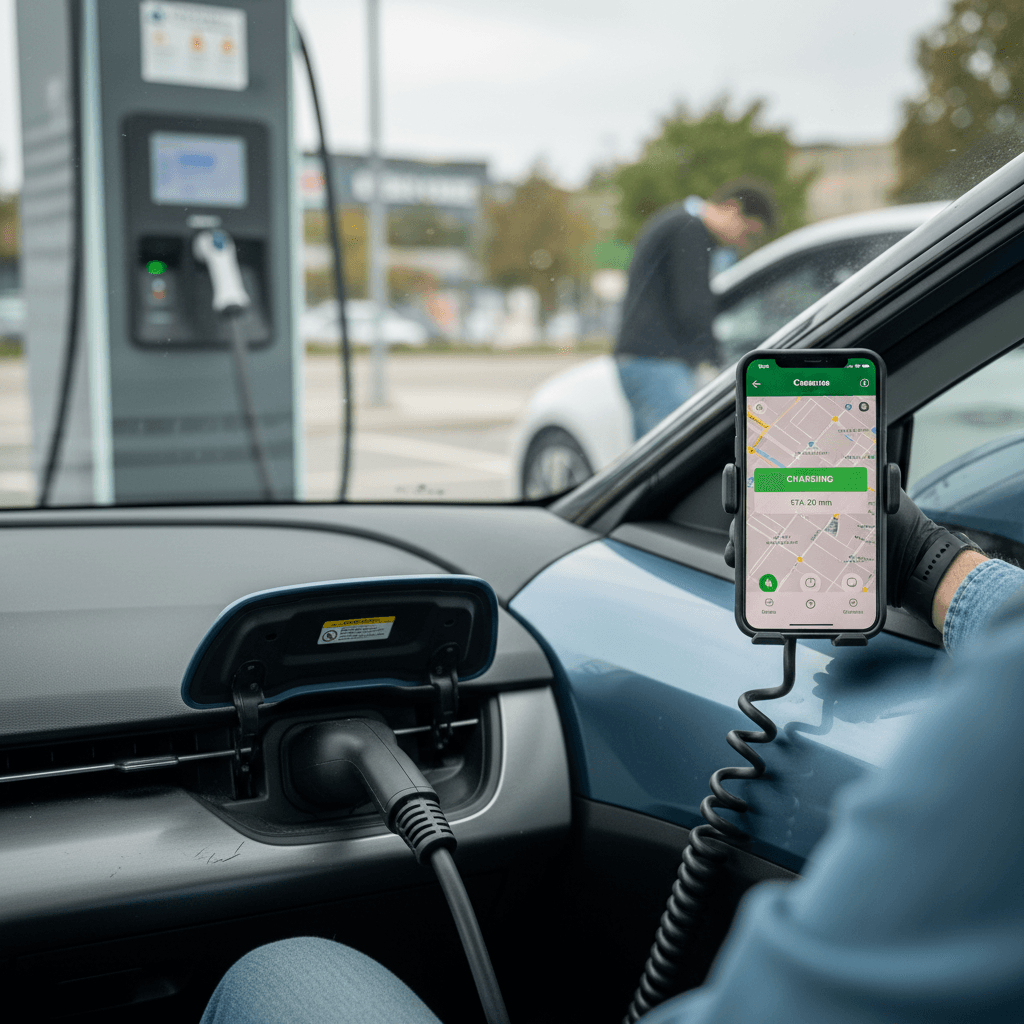
Three main charging setups for Uber drivers
The more of these you can combine, the smoother your week will be.
Home Level 2 charging
Best‑case scenario. A 240‑volt Level 2 charger in your driveway or garage can refill 30–45 miles of range per hour.
- Top off overnight and start every day with a full battery.
- Usually the cheapest electricity, especially with off‑peak rates.
- Requires parking and often a 40–60 amp circuit, talk to a licensed electrician.
Public Level 2 hubs
Great if you can’t install home charging. Many cities now have overnight or off‑peak rates at public garages and community chargers.
Plan to charge while you’re sleeping or doing other things, not during your prime earning hours.
DC fast charging
Your emergency and road‑trip tool, not your daily habit. A good DC fast charger can add 100–200 miles in 25–40 minutes.
Use it to bridge long days between home charges or to recover after a surprise airport run. Avoid fast‑charging from 0–100% every day, it’s harder on the battery and your wallet.
Make your map work for you
How to build your shortlist of EVs for Uber
You’ll see endless lists of the “best EVs for Uber,” but the right list for you depends on budget, city, and how you work. Instead of chasing specific brands, start with a checklist of non‑negotiables, then plug in models that meet those needs in your price range, new or used.
Build a smart shortlist in 6 steps
1. Set a hard monthly car budget
Decide the absolute max you can spend on payment + insurance + expected charging without stressing your cash flow. Work backward from your average weekly earnings, not the other way around.
2. Choose your minimum real‑world range
Based on your longest typical day, weather, and charging options, decide how many miles you truly need between charges. Add at least 30–40% buffer to the official EPA range to account for real‑life conditions.
3. Filter by Uber eligibility
Use Uber’s vehicle checker to remove any EVs that are too old or not approved in your city. There’s no sense falling in love with a car you can’t onboard.
4. Prioritize cabin space and comfort
If you regularly carry three adults, luggage, or airport runs, put rear legroom, seat comfort, and trunk volume high on the list. Happy passengers mean better tips and fewer complaints.
5. Evaluate charging compatibility
Check whether the car natively supports NACS (Tesla connector) or will require an adapter, and how fast it charges on both Level 2 and DC fast chargers. Match that to the networks you actually have nearby.
6. Decide on new vs. used strategy
If you drive huge miles, a 2–4‑year‑old EV with a strong battery report can be the sweet spot between purchase price and remaining warranty. If you hate surprises, a newer car with full coverage may be worth the premium.
Inspecting a used EV for rideshare duty
Most Uber drivers shopping electric will at least consider a used EV. That’s smart, as long as you treat the battery like the engine in a gas car: the single most important (and expensive) component. Here’s how to tell if a used electric car is ready for rideshare life.
Used EV inspection checklist for Uber drivers
Verify battery health with real data
Ask for a professional battery health report, not just a photo of the range estimate. Recharged’s Recharged Score Report includes verified battery diagnostics so you know how much capacity is actually left before you buy.
Confirm remaining battery warranty
Look up the manufacturer’s battery warranty (often 8 years / 100k–150k miles) and confirm the in‑service date to see how much coverage is left. Warranty coverage can be a huge safety net for high‑mileage drivers.
Check charging history and habits
If possible, ask the previous owner how they charged: mostly at home, or mostly DC fast chargers? A car that lived its life on daily fast charges may have more wear on the battery than mileage alone suggests.
Inspect tires, brakes, and suspension
Rideshare miles are hard miles. Check for uneven tire wear, tired shocks/struts, and noisy brakes. EVs are heavier than gas cars, so suspension condition matters for comfort and safety.
Test every driver‑assist feature
On a test drive, confirm that adaptive cruise, lane keep, blind‑spot monitoring, and parking sensors work as they should. You’ll use them constantly in dense traffic.
Confirm rideshare‑friendly features
Small things matter when you’re working: rear USB ports, easy‑to‑clean upholstery, decent cupholders, and a simple climate control interface you can adjust without digging through menus while driving.
How Recharged can help Uber and rideshare drivers
Shopping for a used electric car for Uber can feel like detective work, especially if you’re comparing cars in other cities or trying to guess which listings have healthy batteries. That’s exactly the problem Recharged was built to solve.
- Every EV on Recharged comes with a Recharged Score Report that includes verified battery health, so you’re not gambling on range or longevity.
- Our pricing tools show how the car is priced relative to the fair market value for similar EVs, helping you avoid overpaying and protect your margin as a driver.
- You can complete the entire purchase digitally, with financing options and trade‑in support, then get nationwide delivery, useful if the right Uber‑eligible EV isn’t parked down the street.
- If you’re not sure which EV fits your route and budget, Recharged’s EV‑specialist team can help you compare options with a rideshare lens: range vs. cost, charging in your city, and warranty trade‑offs.
Turn your EV into an earning tool, not a science project
Ready to find your next EV?
Browse VehiclesFAQ: Electric cars for Uber drivers
Common questions about driving Uber with an electric car
Bottom line: Should you switch to an electric Uber?
An electric car for Uber isn’t automatically a gold mine, but for the right driver, in the right city, with the right charging setup, it can be the difference between treading water and building a real cushion. The keys are simple: pick an EV with enough real‑world range, lock in a reliable, affordable charging routine, and don’t gamble on unknown battery health, especially if you’re buying used.
If that sounds like the direction you’re headed, take your time, run the math, and let data drive your choice. Tools like the Recharged Score Report, fair‑market pricing, and EV‑savvy specialists exist so you don’t have to guess. Get the right car, at the right price, and your EV stops being a science experiment and starts being what you need it to be: a quiet, comfortable, low‑cost partner in your Uber business.