If you’ve just bought an EV, or you’re shopping for a used one, "electric car charger" might be the most confusing phrase you’ve heard all year. Level 1, Level 2, DC fast, kW, amps, adapters…it can sound like you need an engineering degree just to plug in. You don’t. Once you understand a few basics, choosing the right electric car charger for your life becomes straightforward.
Quick definition
What Is an Electric Car Charger, Really?
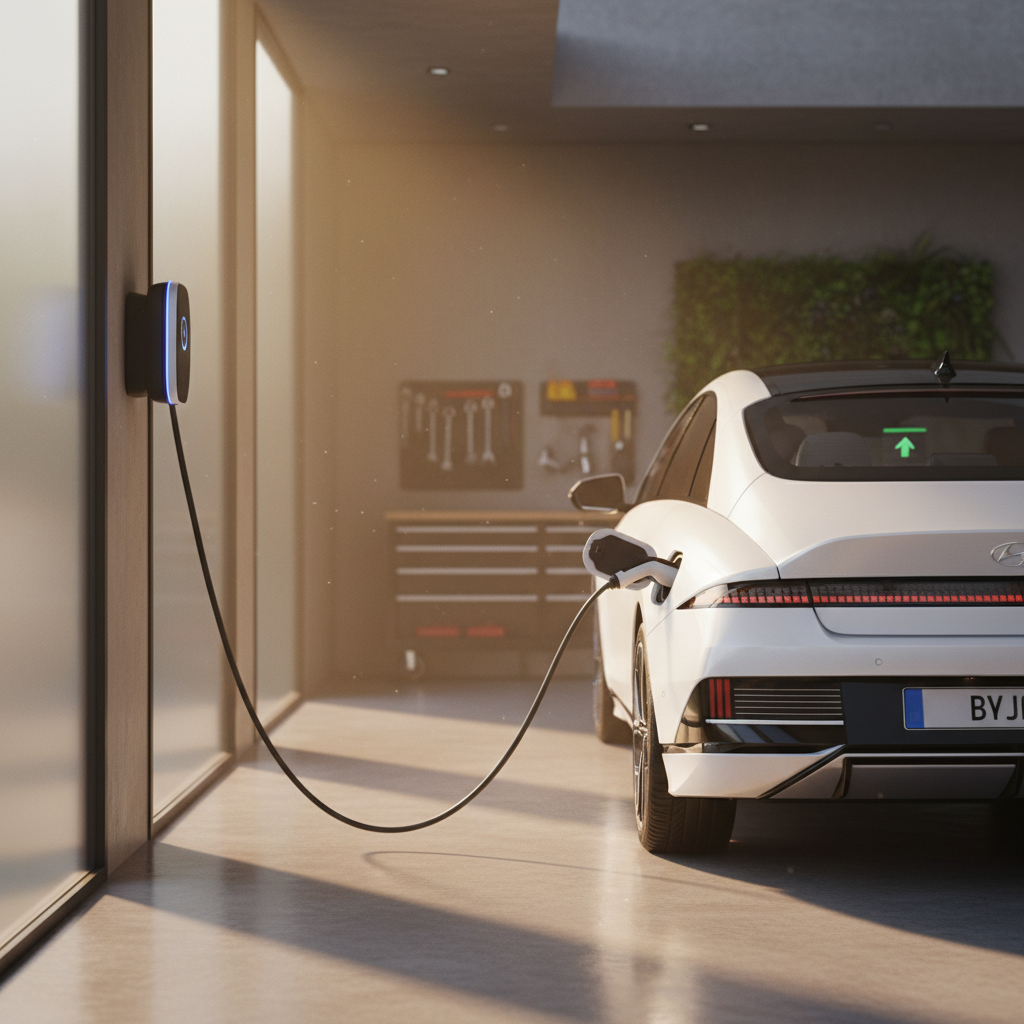
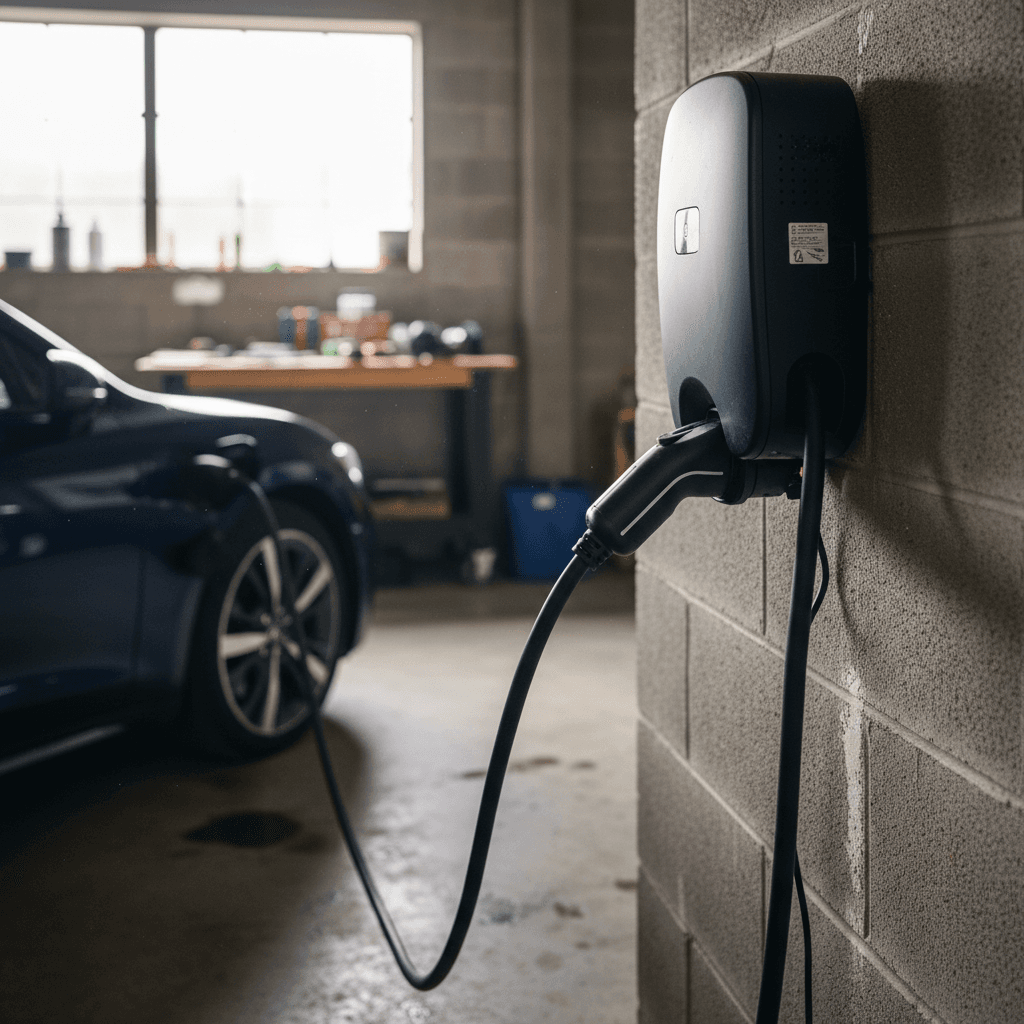
An electric car charger is any device or station that safely delivers electricity from the grid to your EV’s battery. At home, that can be a portable cord that plugs into a standard outlet or a dedicated wall-mounted unit. On the road, it’s the pedestal or cabinet you see in parking lots and along highways.
What the "charger" does
- Communicates with your car to start/stop charging.
- Limits current to a safe level (for your wiring and the car).
- Provides safety features like ground fault protection.
- Sometimes adds "smart" features like Wi‑Fi, apps, and scheduling.
What your EV does
- For Level 1 and Level 2, an onboard charger inside the car converts AC from your home into DC the battery can store.
- With DC fast charging, that conversion happens in the station, so power flows directly to the battery.
- Your EV always controls how much power it will accept, no matter how big the charger is.
Don’t worry about "overbuying" power
The 3 Main Types of Electric Car Chargers
Electric car charger levels at a glance
Every charger you’ll use falls into one of these three buckets.
Level 1: 120V
Where: Any standard household outlet in the U.S.
- Slowest charging (think overnight only).
- Typically 3–5 miles of range per hour.
- Great for low-mileage commuters or temporary setups.
Level 2: 240V
Where: Homes, workplaces, public lots.
- Uses a 240V circuit (like an electric dryer).
- Typically 15–35 miles of range per hour.
- Sweet spot for most EV owners.
Level 3: DC Fast
Where: Highway corridors, major shopping centers.
- 50 kW to 350 kW or more.
- Can add 150+ miles in 20–30 minutes in many EVs.
- Perfect for road trips, not for everyday battery health.
Watch the connector type
How Fast Will My EV Charge on Each Level?
Charging speed depends on three things: the charger level, the amps available, and the car’s onboard charger limit. You’ll often see EV brands advertise miles of range added per hour of charging. Here’s how that typically breaks down for modern EVs in 2025.
Typical charging speeds by level (approximate)
Real-world speeds vary by vehicle model, temperature, and your specific charger, but these ranges work well for planning.
| Charger type | Power (typical) | Miles of range added | Best use case |
|---|---|---|---|
| Level 1 (120V outlet) | 1–1.4 kW | 3–5 mi per hour | Overnight top-ups, plug‑in hybrids |
| Level 2 (16–32A) | 3.8–7.7 kW | 12–25 mi per hour | Daily charging for most commuters |
| Level 2 (40–48A) | 9.6–11.5 kW | 25–40 mi per hour | Fast home charging, multi‑EV households |
| DC fast (50 kW) | 50 kW | ~100 mi in 30 min | Older EVs, smaller stations |
| DC fast (150 kW) | 150 kW | 150–200+ mi in 20–30 min | Modern road‑trip capable EVs |
| High‑power DC (250–350 kW) | 250–350 kW | Up to 200+ mi in ~20 min (if car supports it) | Highway stops on long trips |
Estimated miles of range gained per hour (AC) or per 20–30 minutes (DC fast).
Your car is the bottleneck
Home Electric Car Charger Costs in 2025
Home EV chargers: the new normal
Let’s talk about what most new and used EV shoppers want to know: what does a home electric car charger actually cost in 2025? You’re looking at two price tags, the hardware and the installation.
Typical U.S. home Level 2 charger costs in 2025
Approximate price ranges for a single-family home installation. Complex projects or older electrical systems can cost more.
| Item | Typical cost range | Notes |
|---|---|---|
| Basic Level 2 charger hardware | $400 – $800 | Reliable 32–40A units without many "smart" features. |
| Premium/smart Level 2 hardware | $700 – $1,200 | Wi‑Fi/app control, load balancing, nicer enclosures. |
| Standard installation labor & materials | $500 – $1,500 | Short wire runs, no panel upgrade, straightforward mounting. |
| Panel upgrade (if needed) | $1,500 – $3,000+ | Older homes may need a new or larger service panel. |
| Permits & inspection | $100 – $300 | Varies widely by city or county. |
| Total typical Level 2 project | $1,200 – $3,000 | Most homeowners land in this range; complex jobs can run higher. |
Prices include USD estimates for hardware and professional installation.
Look for incentives before you buy
If a full installation isn’t in the budget yet, a portable Level 2 unit that plugs into an existing 240V outlet (like a NEMA 14‑50) can be a great bridge solution, especially in newer homes or garages already wired for RVs or electric ranges.
How to Choose the Right Electric Car Charger
6 steps to choosing your home electric car charger
1. Start with your daily driving
If you drive 30–40 miles a day and can plug in overnight, a 32A Level 2 charger is usually plenty. If you’re regularly burning through 80+ miles per day or have multiple EVs, step up to 40–48A if your electrical system allows.
2. Check your EV’s onboard charger rating
Look in your owner’s manual or manufacturer specs for the AC charging limit (often 7.2 kW, 9.6 kW, or 11 kW). There’s no payoff in paying extra for a 48A charger if your car will never use more than 32A.
3. Confirm your electrical panel capacity
Your electrician will calculate whether your main panel can handle a new 240V circuit. A quick rule of thumb: the higher your home’s service (e.g., 200A vs. 100A), the easier it is to add a robust Level 2 charger without an upgrade.
4. Decide on plug‑in vs. hardwired
Plug‑in units connect to an outlet and are easy to replace or take with you if you move. Hardwired units are more weather‑resistant and sometimes allow higher amperage, but require an electrician to swap out later.
5. Consider "smart" features
Wi‑Fi, apps, and load management can schedule charging for off‑peak rates, track costs, and avoid tripping breakers if you have multiple big appliances or EVs charging at once.
6. Think ahead to your next EV
If you plan to add a second EV or upgrade to something with faster AC charging, it can be cheaper to oversize your wiring and circuit now instead of re‑doing the work in a few years.
Which electric car charger fits your life?
Match the charger to your parking situation and mileage, not your neighbor’s setup.
Apartment dweller
- No dedicated parking? Focus on workplace and public Level 2 chargers.
- If you have assigned parking with power, a simple 120V Level 1 can work for low miles.
- Portable Level 2 plus a 240V outlet is gold if your building allows it.
Single‑family home
- Most owners are happiest with a 32–40A wall‑mounted Level 2 in the garage or driveway.
- Smart features help if you’re on time‑of‑use electric rates.
- Consider cable length if you sometimes park outside.
Road‑trip family or long commuter
- Higher‑power Level 2 (40–48A) makes quick top‑ups easy.
- Plan your regular DC fast‑charge stops along work or weekend routes.
- Look for EVs with stronger fast‑charging curves if you’re still shopping.
Installation Basics and Safety
A home electric car charger is not just another gadget; it’s a high‑powered electrical appliance. Treat it like a major home upgrade, the way you would HVAC or a new panel. Done right, you’ll barely think about it, your car just wakes up ready every morning.
- Hire a licensed electrician who has experience with EV chargers. Many utilities maintain preferred contractor lists.
- Pull permits where required. Skipping them can create insurance issues if there’s ever a problem.
- Mount the charger where the cable easily reaches your charge port without stretching or lying in puddles.
- If outdoors, choose a unit rated for weather exposure and follow all mounting and sealing instructions.
- Test the setup with your EV present so the electrician can verify proper operation and breaker sizing.
Avoid DIY 240V work
Public Chargers, Road Trips, and Fast Charging
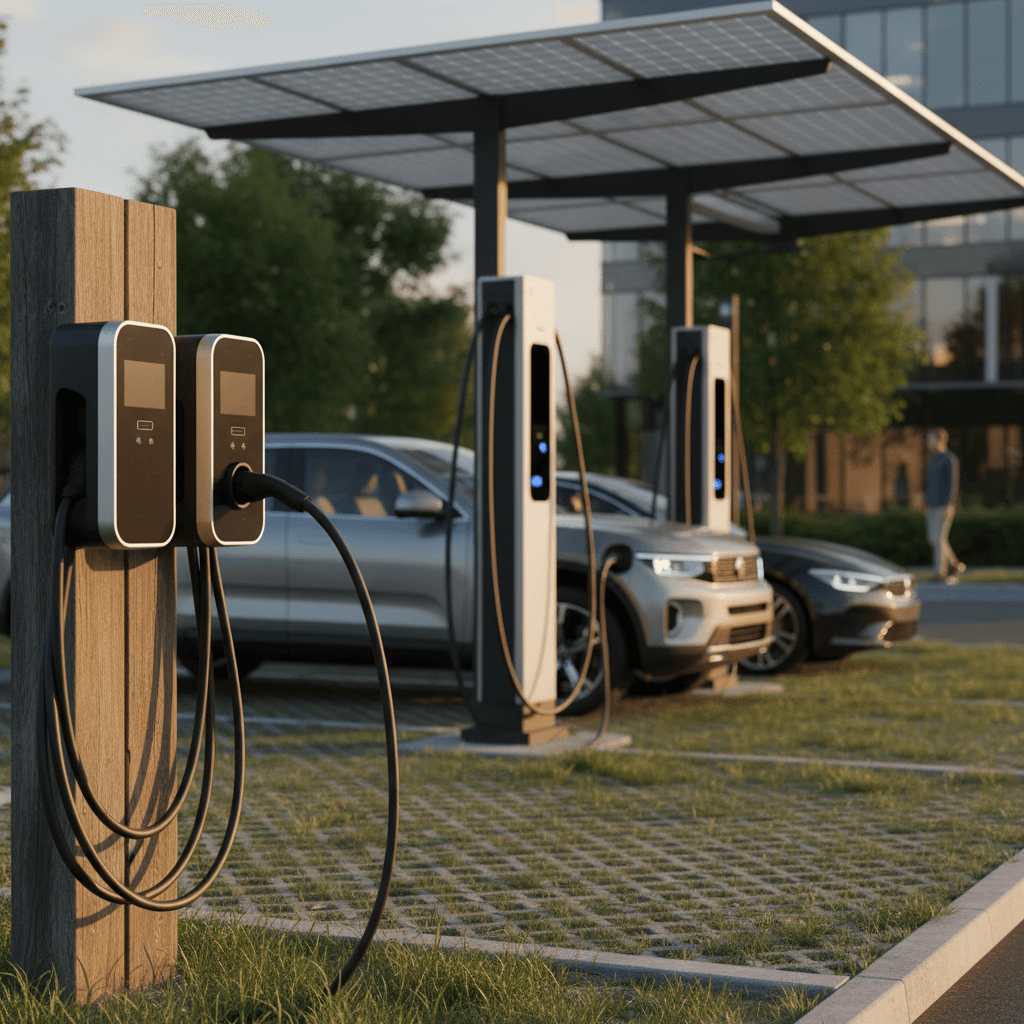
Even if you rely on home charging most of the time, you’ll eventually lean on public chargers, especially for road trips or apartment living. The good news: U.S. public charging is growing quickly, from highway fast chargers at truck stops to slower Level 2 stations at grocery stores, hotels, and workplaces.
Use fast charging strategically
- Plan for a 20%–80% charge window on road trips; the last 20% is much slower.
- Many newer EVs add 150+ miles in 20–30 minutes on 150 kW or faster stations.
- Make charging stops align with meals and rest breaks to avoid "waiting on the car."
Protect your battery long‑term
- Frequent DC fast charging isn’t ideal for battery longevity in most EVs.
- Whenever possible, rely on Level 1 or Level 2 at home or work for daily use.
- Save DC fast charging for trips or true "I mis‑planned" emergencies.
Apps make it easier
Electric Car Chargers and Buying a Used EV
If you’re shopping used, charging should be right up there with price, mileage, and battery health. A great deal on an EV that doesn’t fit your charging reality won’t feel like a great deal for long.
Charging questions to ask when buying a used EV
You’re not just buying a car; you’re buying into a charging routine.
Battery health and charging history
- Ask how the previous owner charged, mostly at home on Level 2 or often at DC fast chargers?
- Request service records and any available battery checks.
- With Recharged, every vehicle includes a Recharged Score Report with verified battery health so you’re not guessing.
Connector type and adapter needs
- Confirm whether the car uses CCS, J1772, or NACS.
- Check if the seller is including any adapters (for example, CCS‑to‑NACS).
- Match this with the chargers you’ll actually use near home and on your typical routes.
Leverage experts when you’re unsure
"The happiest EV drivers aren’t the ones with the biggest batteries; they’re the ones whose charging setup quietly fits their life."
Electric Car Charger FAQ
Frequently Asked Questions About Electric Car Chargers
The Bottom Line: Make Charging Work for Your Life
You don’t need to memorize every acronym in the EV world to pick the right electric car charger. Focus on how far you drive, where you park, and what your home’s electrical system can support. For many drivers, a straightforward 32–40A Level 2 charger at home turns every night into a full tank of range and makes public fast charging an occasional convenience instead of a constant anxiety.
If you’re still shopping for a used EV, think about charging as part of the purchase, not as an afterthought. With Recharged, every vehicle comes with a Recharged Score Report that spells out verified battery health and real‑world charging performance, and EV‑savvy specialists can help you plan the home setup that fits your driveway and your budget. Get those pieces aligned, and the thing you’ll notice most about charging is how quickly you stop thinking about it at all.