Search for electric car brands in 2025 and you’ll see a confusing mix of familiar names (Tesla, Hyundai, BMW), emerging players (Rivian, Lucid), and global giants you may never have heard of (BYD, Geely, Changan). If you’re trying to decide which brand to trust, especially in the used market, that noise doesn’t help.
Big picture
Why electric car brands look different in 2025
How concentrated EV brands really are
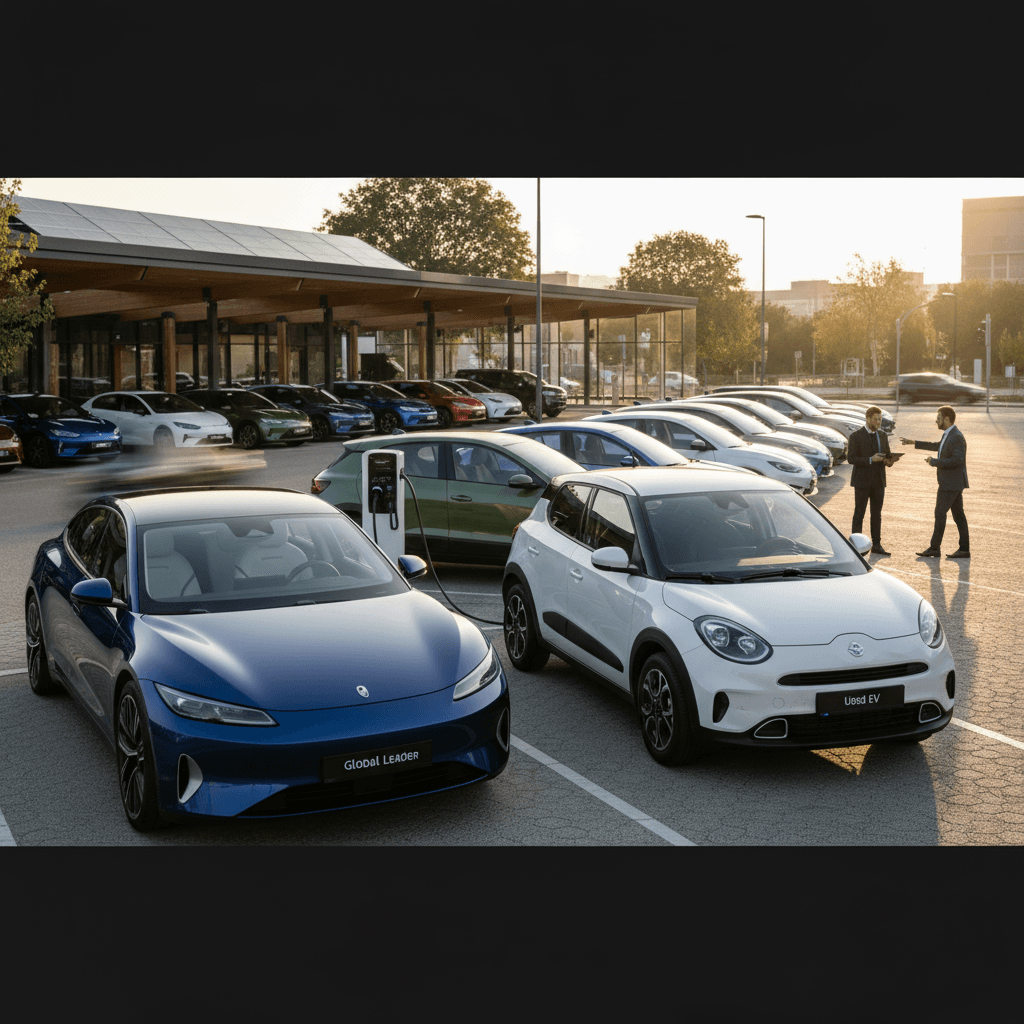
Globally, the electric market is now dominated by Chinese groups like BYD, Geely, and SAIC, alongside Tesla and Volkswagen. In the U.S., however, Tesla is still the brand you see most often on the road, with Chevrolet, Ford, Hyundai, Kia, BMW and a handful of others fighting for the remaining share.
Think in three layers
Global EV giants vs U.S. market leaders
Global top EV makers vs U.S. market leaders (2025 snapshot)
Global sales are dominated by Chinese groups, but Tesla still leads U.S. EV sales by a wide margin.
| Rank | Brand / Group | Primary Region | 2025 Position | What it means for U.S. shoppers |
|---|---|---|---|---|
| 1 | BYD | China, expanding globally | #1 global EV seller | Limited U.S. presence today, but their price pressure shapes what other brands must offer. |
| 2 | Geely (incl. Volvo, Polestar) | Global | Top‑3 global | You mostly see them as Volvo and Polestar in U.S. showrooms. |
| 3 | Tesla | Global, strong U.S. | Top‑3 global, #1 U.S. | Still the reference point for range, charging, and resale. |
| 4 | Volkswagen Group | Europe, China, U.S. | Top‑5 global | VW, Audi, Porsche EVs share platforms and software investments. |
| 5 | SAIC & partners | China, exports | Top‑5 global | Mostly shows up in the U.S. via joint ventures or future imports. |
| , | Chevrolet (GM) | U.S. | Fast‑growing U.S. share | Aggressive push into mainstream-priced EVs. |
| , | Hyundai & Kia | Global, strong U.S. | Top‑10 global | Known for efficient E‑GMP platform, fast‑charging Ioniq and EV6 lines. |
| , | Ford | U.S., Europe | Top‑10 U.S. | F‑150 Lightning and Mustang Mach‑E give it a strong EV identity. |
Numbers are rounded and simplified to show the pecking order, not exact counts.
The takeaway: global leaders aren’t always the brands with the best support or resale in the U.S. BYD may sell more EVs than anyone worldwide, but if you’re shopping a used EV in Richmond or Denver, you’ll be dealing primarily with Tesla, GM, Ford, Hyundai, Kia, Nissan, and a handful of premium European brands.
Major electric car brands you should know
Core electric car brands in today’s market
If you’re shopping new or used in the U.S., these names will come up again and again.
Tesla
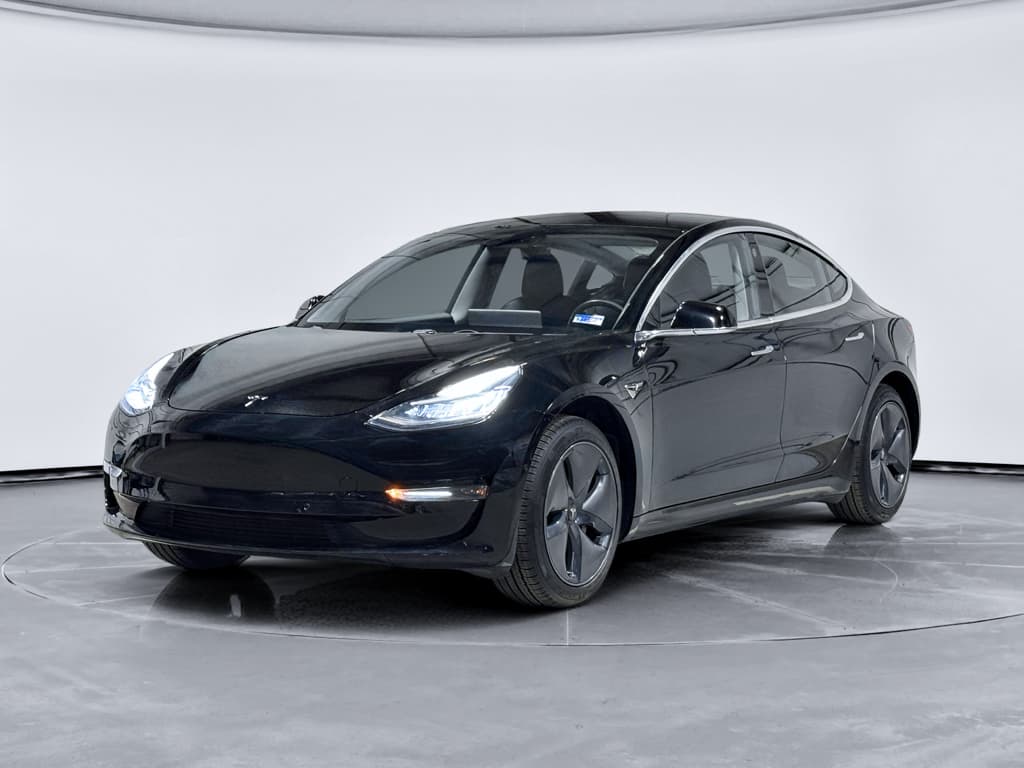
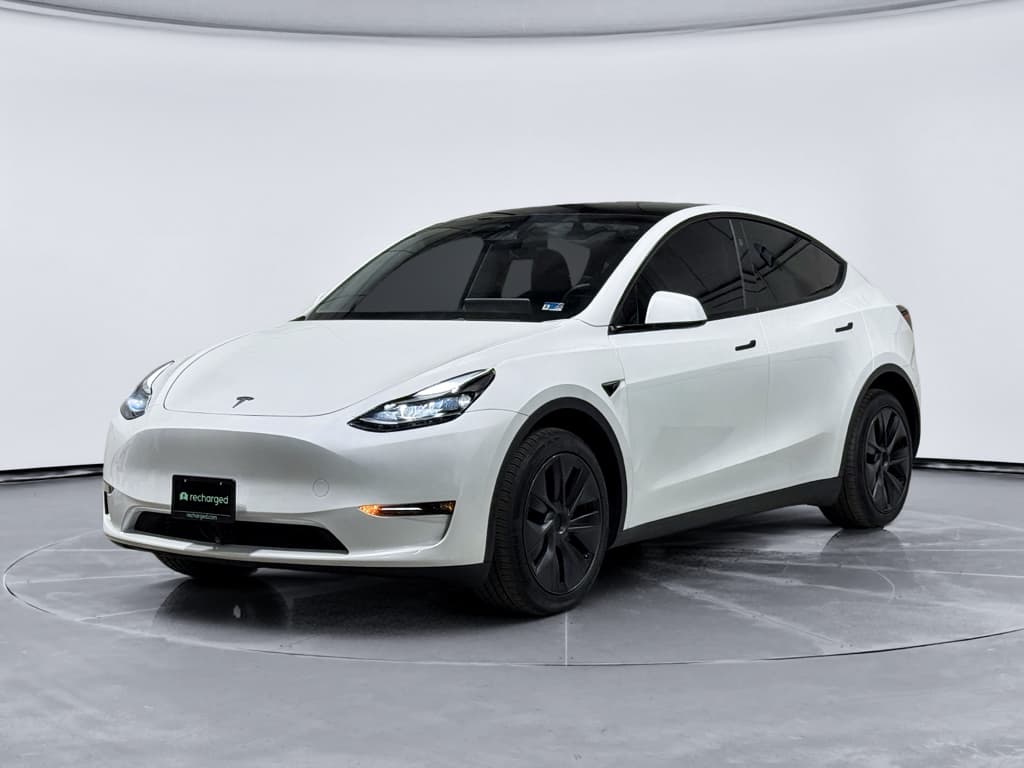
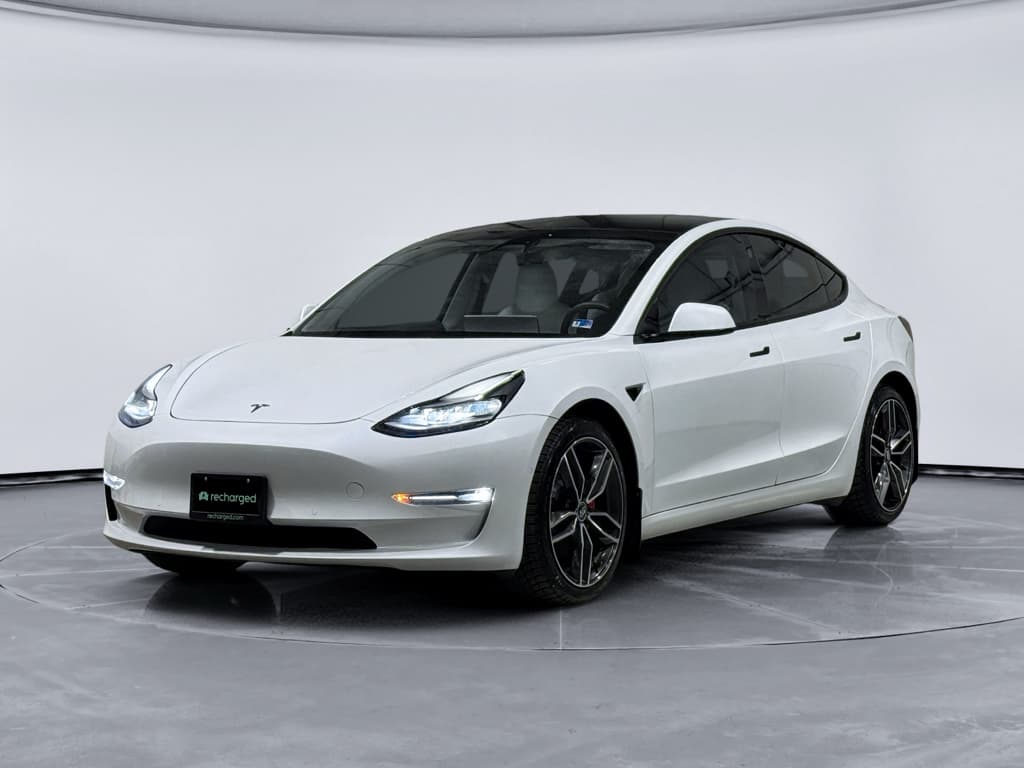
Tesla remains the benchmark EV brand in the U.S. with the Model 3, Model Y, and less common Model S/X.
- Strong Supercharger access (now increasingly open to other brands).
- Simple trims, high efficiency, software-first approach.
- Used market: huge volume, wide price range, but battery and warranty details matter.
BYD
Globally, BYD is the world’s largest EV maker, with models like the Atto 3, Dolphin, and Seal.
- Strengths: in‑house batteries, aggressive pricing, rapid innovation.
- Weakness in U.S.: limited direct retail presence so far due to politics and tariffs.
Hyundai & Kia
Hyundai’s Ioniq 5/6 and Kia’s EV6 are widely praised for design, range, and 800‑V fast charging.
- Among the quickest fast‑charging non‑Tesla EVs.
- Competitive warranties and strong feature lists.
GM (Chevrolet, Cadillac, GMC)
GM is rapidly scaling EVs on its Ultium platform.
- Chevy Bolt/Blazer/Equinox EV, Cadillac Lyriq, GMC Hummer EV.
- Emerging, but still sorting out software and charging partnerships.
Ford
Ford leans on two halo EVs: Mustang Mach‑E and F‑150 Lightning.
- Strong brand trust with truck and Mustang buyers.
- Good choice if you want an EV that still feels like a familiar Ford.
Volkswagen Group
VW, Audi and Porsche all sell EVs on shared platforms.
- VW ID.4 and ID.7, Audi Q4 e‑tron, Porsche Taycan.
- Solid dynamics and interiors; software has been the pain point.
Legacy automakers that now take EVs seriously
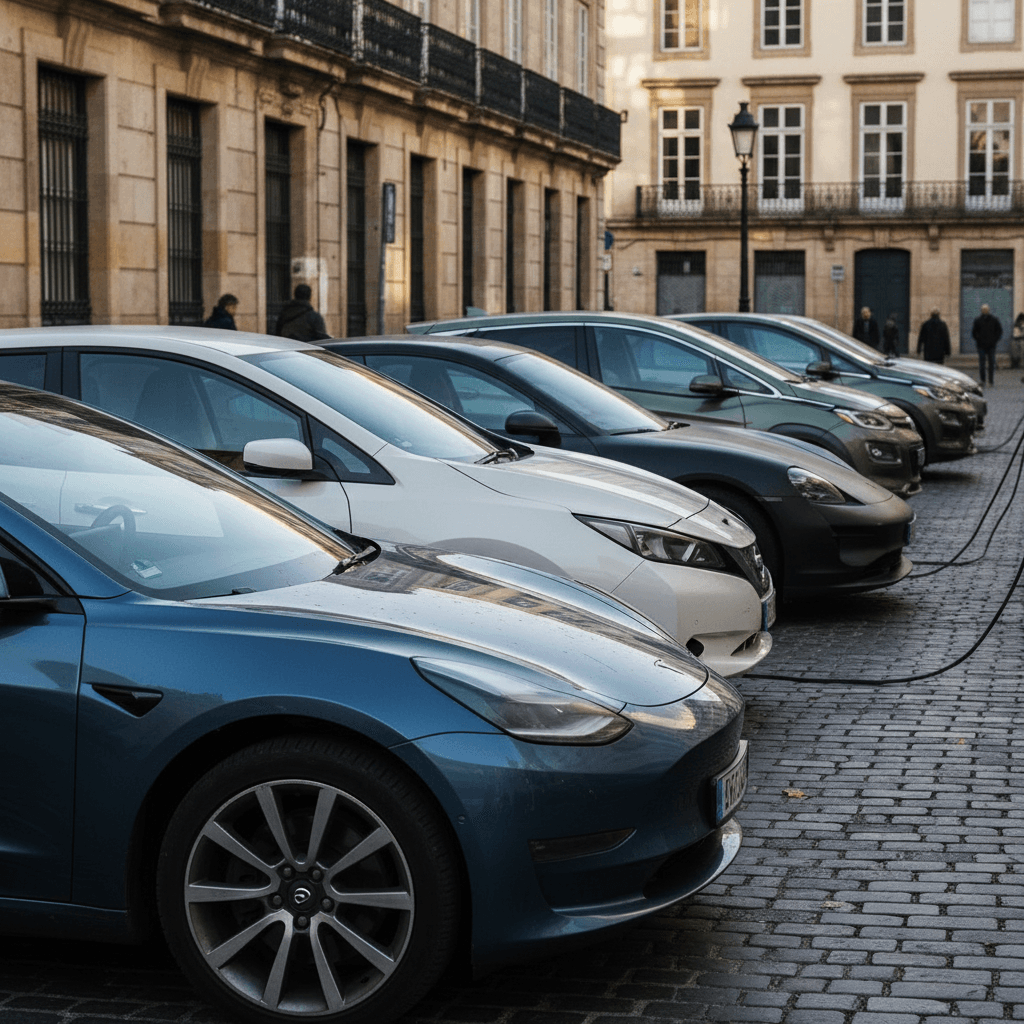
Legacy brands that are now credible EV players
- Hyundai & Kia – Purpose‑built E‑GMP platform, fast charging, distinctive design.
- BMW – i4, i5, iX and others blend familiar BMW dynamics with strong efficiency.
- Mercedes‑Benz – EQE and EQS lines, increasingly shifting back to using core "C‑Class" and "E‑Class" naming on EVs.
- Volvo & Polestar – Scandinavian design, strong safety story, transitioning fully to EV.
Brands still in transition or lagging
- Toyota & Lexus – Hybrids are strong; pure EVs are improving but late.
- Honda & Acura – Only recently gaining traction with new Ultium‑based EVs and in‑house platforms.
- Stellantis (Jeep, Dodge, Chrysler, Fiat, Peugeot) – Big EV plans, but U.S. availability is still ramping.
If you’re buying used, you’ll mostly see early, lower‑range efforts from these brands today, with better products arriving over the next few years.
Don’t over‑weight the logo
Startups and new electric car brands
- Rivian – Adventure‑oriented pickups and SUVs (R1T, R1S) plus commercial vans. Strong brand affinity among outdoor‑focused buyers.
- Lucid – Luxury sedans and SUVs with standout efficiency and range, but smaller dealer/repair footprint.
- Fisker (uncertain future) – The Ocean launched with big promises but the company’s financial health has raised red flags; treat with caution in the used market.
- VinFast, NIO, XPeng, Zeekr and others – Significant players globally (especially from China and Vietnam), but with limited or evolving U.S. presence and support.
- Dozens of smaller startups – From delivery vans to off‑road toys, many won’t be around in five years. That doesn’t mean the vehicles are bad, but it does affect parts, software, and resale risk.
Used startup EVs: know the risk
Chinese electric car brands and what they mean for U.S. buyers
China’s EV industry, BYD, Geely, Changan, SAIC, GAC Aion, NIO, XPeng and others, now accounts for a large share of global electric sales and is pushing down EV prices worldwide. That competition is a big reason you’re seeing more affordable EVs from Hyundai, Tesla, and GM.
Chinese brands you’ll hear about
- BYD – Global volume leader with its own battery tech and aggressive pricing.
- Geely – Owns or partners with brands like Volvo, Polestar, Smart, and Zeekr.
- SAIC – Behind MG in Europe and involved in joint ventures that may eventually touch the U.S.
- NIO, XPeng, Li Auto, Zeekr – Tech‑heavy brands pushing battery swapping, advanced driver assist, and software‑centric experiences.
What this means if you’re buying in the U.S.
- Even if you never buy a Chinese‑brand EV, their cost advantage squeezes everyone else, which is good for your wallet.
- Some Chinese tech already shows up indirectly via joint ventures and supply chains in vehicles you can buy here.
- Tariffs and politics may limit direct imports, but the pressure on prices and innovation is here to stay.
Which electric car brands are best to buy used?
Brand rankings look very different once you stop asking “Who sells the most new EVs?” and start asking “Which used EV would I actually want to live with for the next 5–8 years?” That’s where battery health, charging access, and long‑term software support matter more than glossy marketing.
Used EV brand tiers for U.S. buyers
A practical, data‑driven way to think about brand risk when you’re buying second‑hand.
Tier 1: Safe bets
These brands have scale, solid charging options, and good parts support in the U.S.:
- Tesla – Massive fleet, strong charging, good efficiency. Watch for warranty status and battery degradation.
- Hyundai & Kia – Long warranties, excellent modern platforms (Ioniq/EV). Verify recall work.
- Ford – Mach‑E and F‑150 Lightning backed by large dealer network.
- Chevrolet (GM) – Bolt had recalls but is now one of the best value used EVs if the battery is verified.
Tier 2: Good, but model‑dependent
Brand is fine, but specific EVs vary:
- Volkswagen/Audi – Solid, but early ID‑series software was rough.
- BMW, Mercedes, Volvo – Premium experience and pricing; range on older models can be modest.
- Nissan – Leaf is affordable, but air‑cooled batteries in older cars can suffer in hot climates.
Tier 3: Extra homework required
Not necessarily bad cars, but higher uncertainty:
- Smaller startups – Lucid, Rivian, VinFast, and others may be great to drive but have thin service networks.
- Brands exiting or shrinking EV efforts – Parts, software, or resale value can become question marks.
Whatever the brand, insist on independent battery health data before you buy.
Where Recharged fits in
Ready to find your next EV?
Browse VehiclesHow electric car brands differ on battery tech
Most modern EV brands use variants of lithium‑ion batteries, but the chemistry, cooling, and safety strategies differ, and that’s where brands start to separate.
Brand approaches to EV battery tech (simplified)
A high‑level comparison of how different brands think about batteries and what that means for you.
| Brand / Group | Notable approach | What it means in practice |
|---|---|---|
| Tesla | High‑efficiency packs, mix of NCA/NCM and LFP chemistries depending on model | Good range per kWh and strong fast‑charging, but chemistry and degradation vary by year and trim. |
| BYD | Blade battery (LFP) with focus on safety and cost | Durable and cost‑effective; slightly lower energy density but strong in value‑oriented models. |
| Hyundai & Kia | 800‑V E‑GMP platform and high‑power charging | Very fast DC charging and good thermal management, which helps battery longevity. |
| GM (Ultium) | Modular pouch‑cell architecture | Flexible packaging and good energy density; early recalls underline the need for strong quality control. |
| Nissan (Leaf) | Earlier packs lacked liquid cooling | Lower cost, but used examples in hot climates can show more degradation, battery health check is essential. |
Always look at the specific model’s battery chemistry and warranty, not just the brand’s marketing name.
Don’t obsess over chemistry labels
How to choose between electric car brands
Checklist for comparing EV brands (especially used)
1. Start with your use case, not the logo
List your real needs: commute miles, road trips, home charging, cargo space. A Hyundai or Chevy that fits your life beats the wrong Tesla.
2. Look at local charging and service
In many U.S. regions, Tesla has the densest fast‑charging network today. But if you rarely road‑trip, a non‑Tesla brand with good dealer coverage might make more sense.
3. Demand battery health data
Don’t rely on a dashboard guess. Ask for a battery health report, like the Recharged Score, or a third‑party diagnostic so you’re not guessing about remaining capacity.
4. Compare total cost of ownership
Factor in purchase price, incentives, insurance, charging, and likely resale. A cheaper used Bolt with healthy battery may beat a pricier Model 3 for many buyers.
5. Check software and support history
Search for over‑the‑air updates, known glitches, and recall history for the specific model. An EV is as much software as hardware.
6. Think about exit strategy
Brands with strong demand (Tesla, Hyundai/Kia, some Fords) tend to hold value better. That matters if you plan to sell or trade in a few years.
Buying used through Recharged
Electric car brands: FAQ
Frequently asked questions about electric car brands
The bottom line on electric car brands
The electric car landscape in 2025 isn’t a simple Tesla‑vs‑everyone‑else story. Globally, Chinese groups like BYD and Geely now move more volume than anyone. In the U.S., Tesla still dominates the sales charts, but Hyundai, Kia, Ford, GM, BMW, and others are finally fielding competitive, sometimes superior products.
For you as a shopper, especially in the used market, what matters most is not who tops a global leaderboard, but how a specific vehicle from a specific brand fits your life: its range, charging options, battery health, price, and support. That’s why Recharged anchors every listing in a transparent Recharged Score Report, expert guidance, and a digital‑first buying experience that makes cross‑shopping brands actually manageable.
Start with your needs, then use brands as a filter, not a shortcut. If you do that, today’s crowded EV brand landscape stops being confusing and starts becoming an opportunity to get more car, and more future‑proof tech, for your money.