Tap the brake pedal in a modern electric car and a lot happens behind the scenes. Instead of simply squeezing pads on rotors, electric car brakes juggle computers, electric motors, and traditional hydraulics to slow you down, recover energy, and keep you safe. If you’ve just switched from a gas car, or you’re shopping for a used EV, understanding those systems makes you a much more confident driver and buyer.
Key idea
How electric car brakes actually work
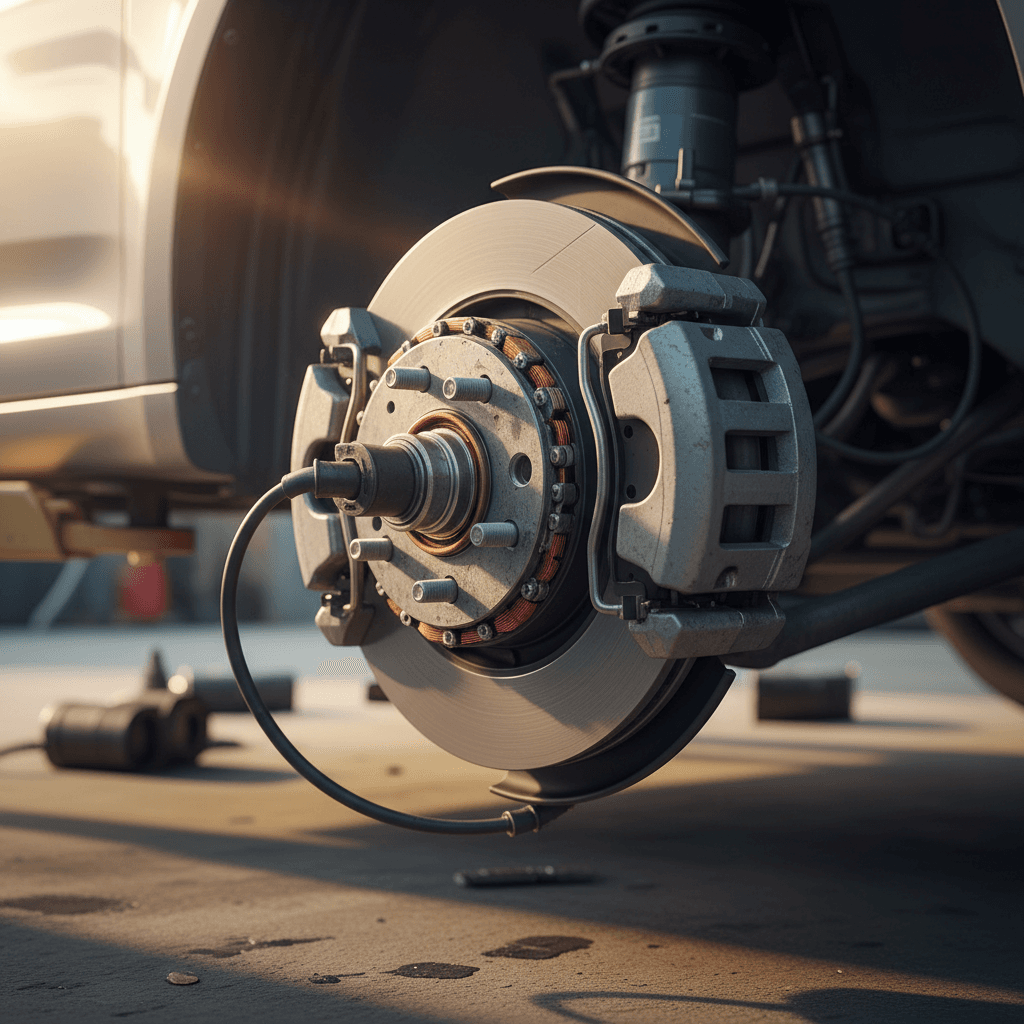
Strip away the software and buzzwords and an electric vehicle still relies on a familiar setup: disc brakes at each wheel, hydraulic lines filled with brake fluid, and a brake pedal that asks the system for a certain amount of stopping force. What’s different is that your foot is no longer directly commanding just the friction brakes. Instead, the car’s brain decides how much stopping is done by the electric motor and how much by the pads and rotors.
Conventional car brakes
- Engine provides power only; it can’t recapture energy when you slow down.
- Pressing the brake pedal increases hydraulic pressure that squeezes pads against discs or drums.
- All your speed is turned into heat in the brakes and lost forever.
Electric car brakes
- Electric motor can run as a generator when you lift off or brake.
- Control unit decides how much deceleration to do with regeneration vs. friction.
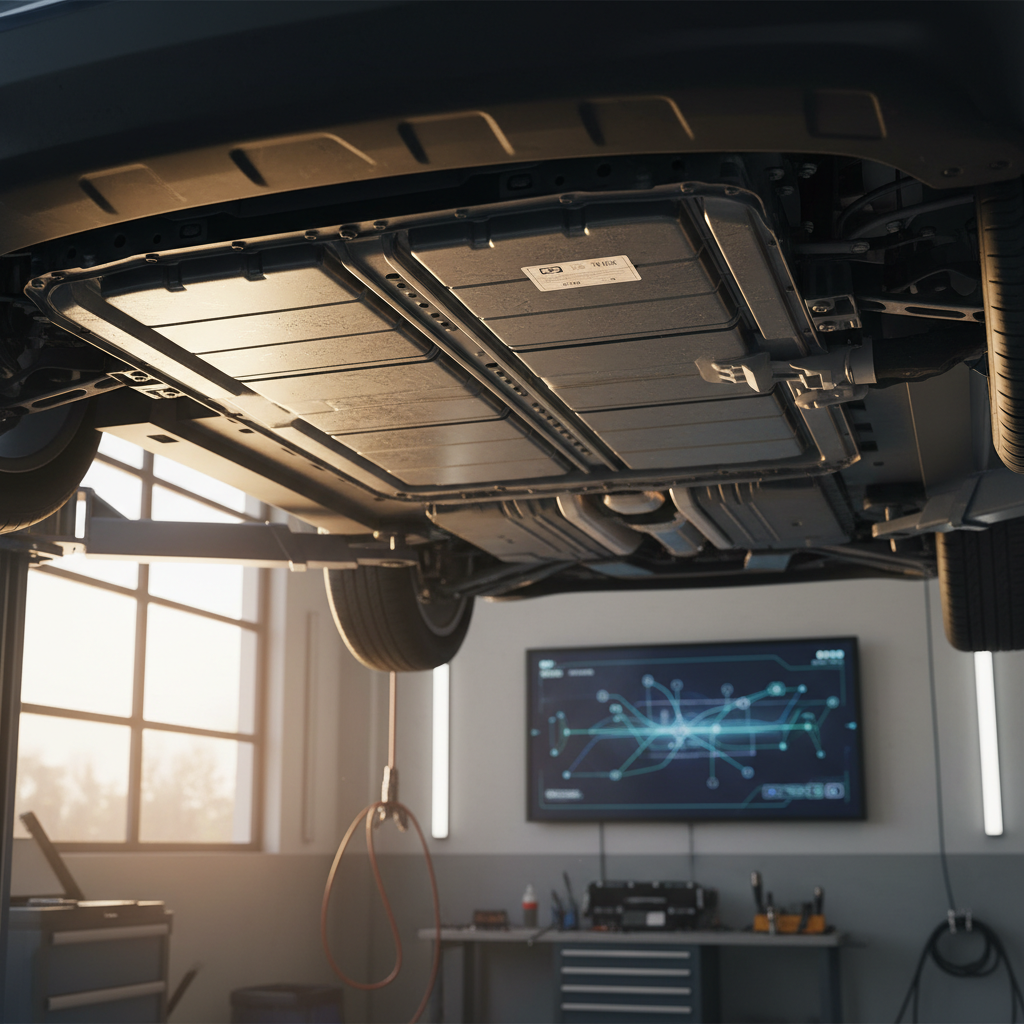
- Recovered energy flows back into the high-voltage battery, stretching your range.
Safety first
Regenerative braking explained in plain English
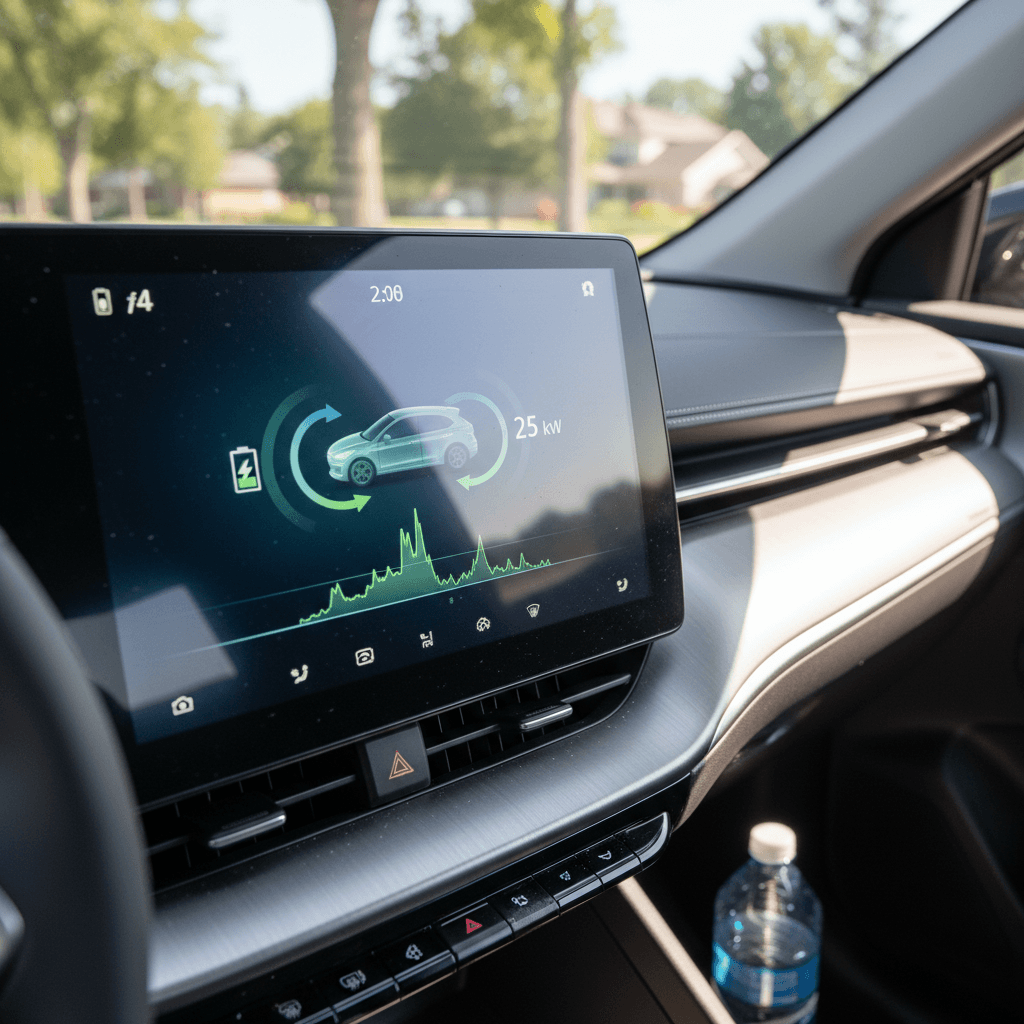
Regenerative braking ("regen") sounds exotic, but the principle is simple. In normal driving, the electric motor pushes the car forward. During regen, the process runs in reverse: the spinning wheels turn the motor, which acts as a generator and pushes electricity back into the battery. You feel that as a gentle, or sometimes pretty strong, drag that slows the car.
- You lift off the accelerator or press the brake pedal lightly.
- The control system tells the motor to start generating instead of driving.
- The motor resists the rotation of the wheels, creating deceleration.
- Electricity flows back into the battery instead of being wasted as heat.
- If you need more stopping power, friction brakes blend in seamlessly.
How much range does regen add?
Blended braking, brake-by-wire, and one-pedal driving
Most modern EVs use brake‑by‑wire and blended braking. Instead of your foot being mechanically linked to the hydraulic system, sensors read how hard you’re pressing the pedal. A control unit then blends in regenerative and friction braking to hit the exact deceleration you asked for, while trying to maximize energy recovery.
Three EV braking behaviors you’ll notice
Understanding these will make any electric car feel more natural in a day or two.
Lift-off regen
Blended pedal braking
Coast vs. one-pedal
When regen backs off
If you’re test‑driving a used EV, it’s worth toggling between drive modes to see how the brake feel changes. Strong regen or one‑pedal modes can make around‑town driving smoother and more efficient once you’re used to them, but you can always choose a more traditional "coasting" feel if you prefer.
Do electric car brakes really last longer?
How EV brakes typically compare to gas cars
Real‑world owner reports and early maintenance data show that EV brake pads generally last much longer than on comparable gas cars, often double or more. That’s because regen handles most gentle and moderate slowing, especially if you use one‑pedal driving. Your friction brakes are reserved for low‑speed creep and true emergency stops.
The hidden EV brake problem: rust, not wear
Maintenance basics for electric car brakes
Even though regenerative braking saves wear, you can’t ignore the conventional parts. The good news is that maintaining electric car brakes is straightforward and often cheaper over the life of the vehicle than on a gas car, if you stay ahead of corrosion and fluid age.
Simple maintenance habits that keep EV brakes healthy
1. Have the brakes inspected annually
Ask your shop or dealer to remove at least one front and one rear wheel each year to check pad thickness, rotor condition, and sliding hardware. EVs can hide rusty or sticking calipers because regen masks weak friction performance in everyday driving.
2. Change brake fluid on schedule
Brake‑by‑wire systems still depend on clean hydraulic fluid. Many EV makers recommend checking or replacing fluid every 2–3 years. Old, moisture‑contaminated fluid can corrode internal components and reduce braking performance.
3. Exercise the friction brakes regularly
Once in a while on a quiet road, do a few moderate stops using the pedal a bit harder than usual so the pads scrub the rotors. This helps clear surface rust and ensures the caliper slides freely.
4. Listen and feel for changes
Grinding, squealing, a soft pedal, or a pull to one side are just as serious in an EV as in any car. Don’t assume regen will cover for a mechanical problem, have it checked promptly.
5. Keep wheels and underbody clean
If you live where roads are salted, occasional underbody washes and wheel‑well cleaning help slow corrosion on brake lines, calipers, and brackets.
Where Recharged fits in
Ready to find your next EV?
Browse VehiclesWhat to check on the brakes when buying a used EV
If you’re considering a used EV, whether from a private seller, a traditional dealer, or a marketplace like Recharged, brake condition is part safety check, part negotiation tool. Regen can make even tired friction brakes feel fine under light use, so you want more than a short spin around the block.
Used EV brake checklist at a glance
Questions to ask and what the answers might tell you.
| What to ask or inspect | What a healthy EV looks like | Red flags to investigate |
|---|---|---|
| Service history | Documented brake fluid changes every 2–3 years; periodic inspections noted. | No records at all on a 5+ year‑old car, budget for a full brake service. |
| Visual rotor condition | Smooth surfaces with light, even wear and only mild surface rust on the edges. | Thick rust ridges, deep grooves, or flaking rotors suggest long periods of sitting. |
| Pad thickness | Plenty of material remaining and even wear between inside and outside pads. | Inner pads worn much thinner than outer pads, or pads nearly at minimum thickness. |
| Parking brake operation | Engages and releases smoothly, holds the car on a hill without drama. | Sticking electronic parking brake, warning lights, or scraping noises when applied. |
| Dashboard warnings | No ABS, brake, or stability‑control warning lamps lit. | Any persistent brake‑system warning light, have it scanned before you sign anything. |
Print or save this table when you’re shopping for a used electric car.
Regen makes bad brakes harder to feel in everyday driving. Don’t confuse a strong tug when you lift off the accelerator with a thorough check of the mechanical brakes.
Driving tips to protect your EV brakes and maximize regen
Good technique in an EV is about timing more than drama. Smooth inputs let the car lean on regeneration earlier and use the friction brakes more gently, which is easier on hardware and easier on your passengers.
Everyday habits that make your brakes and battery happier
You don’t have to drive slowly, just a little more thoughtfully.
Look farther ahead
Use the strongest regen you like
Brake firmly, not timidly, when you must
Match drive mode to the situation
Pro test‑drive move
Cold weather, mountain driving, and other special cases
There are a few situations where electric car brakes behave differently than you might expect. You’ll get used to them quickly, but it’s worth knowing what’s going on so odd sensations don’t catch you off‑guard.
- Cold batteries: On a frosty morning, regen may be limited until the battery warms up. You’ll feel more coasting and more reliance on friction brakes, and some cars display a regen‑limited icon.
- Full or nearly full charge: If the battery can’t accept more energy, the system dials back regeneration. The pedal will still feel normal because friction brakes take over, but you won’t recover as much energy on descents.
- Long mountain downhills: Once the battery fills up, regen gradually fades and you’re relying on traditional brakes, just like a gas car. Use low "B" or "L" modes where offered, and downshift or reduce speed early to avoid overheated brakes.
- Towing with an EV: When you’re pulling a trailer, braking loads climb. Verify your EV’s tow rating, use the correct mode, and be extra diligent about brake inspections and fluid condition.
Smell something hot?
FAQ: Common questions about electric car brakes
Frequently asked questions about electric car brakes
The bottom line on electric car brakes
Electric car brakes add a layer of intelligence to a familiar safety system. The motors that launch you away from a light can also help slow you down and feed energy back into the battery, which means less wear on pads and rotors and more miles between service visits. But the basics still matter: fresh fluid, moving hardware, and regular inspections.
Learn how your EV’s regenerative modes work, build a few simple habits to keep rust at bay, and pay attention to changes in feel or noise. If you’re shopping used, treat the brakes as a key part of the evaluation, not an afterthought. And if you want a head start, Recharged can pair you with a used EV whose battery and braking system have already been checked, scored, and explained in plain language, so you know exactly what you’re getting before you click "buy".