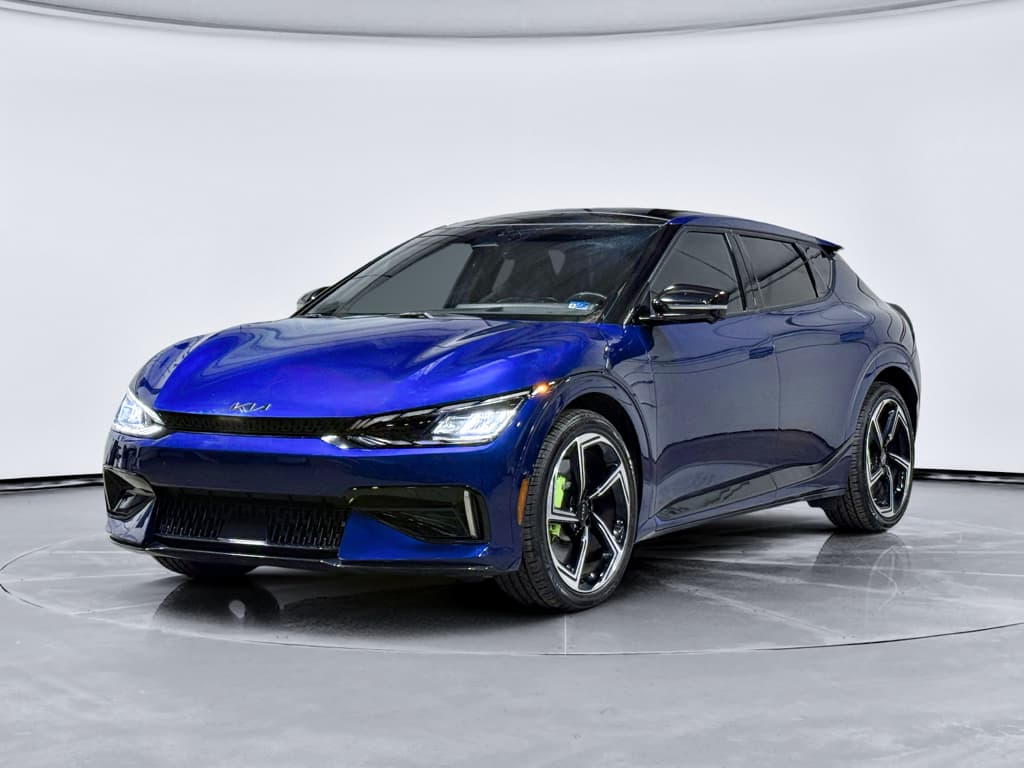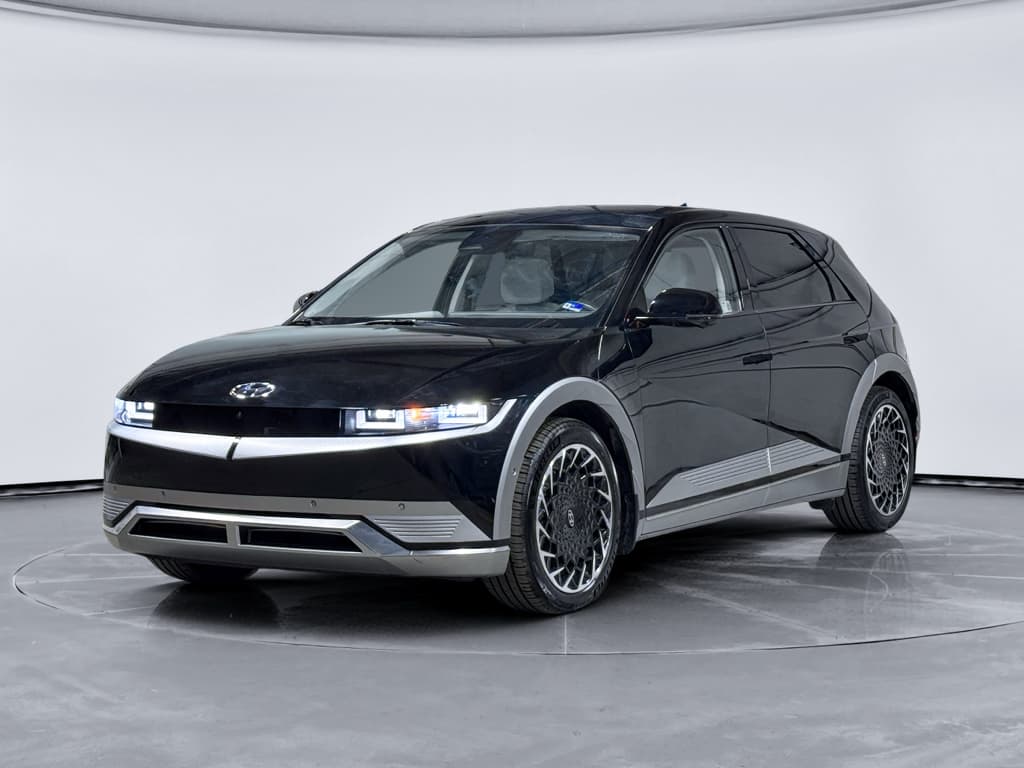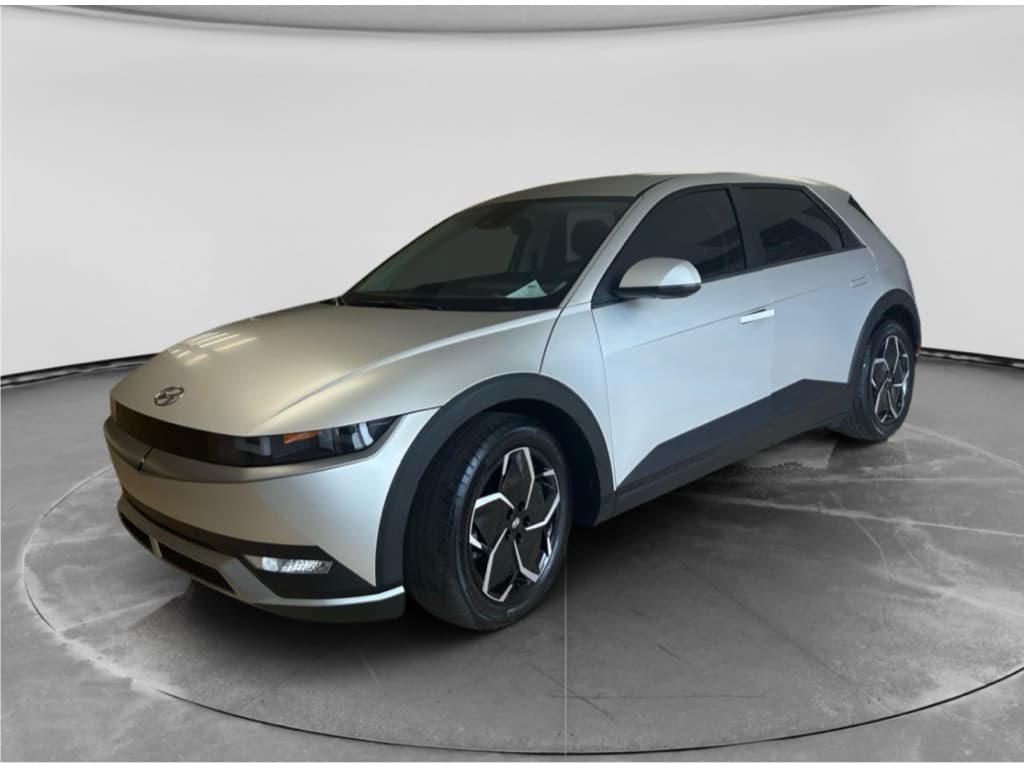
If you’ve just bought an electric car and you’re planning your first ride day or family vacation, you’ll quickly run into one big question: what are the best electric car bike rack options that won’t hurt safety, range, or your warranty? The good news is you can carry bikes on almost any EV, but you need to think a bit differently about weight, aerodynamics, and how your specific model is designed.
Quick overview
Why EV bike racks are a little different
Weight and tongue load matter more
Electric vehicles are heavy to begin with because of their battery packs, and many have modest payload and tongue weight ratings compared with gas SUVs and trucks. That means the combined weight of the rack, bikes, passengers, and cargo can push you up against the vehicle’s limits faster than you’d expect.
Aerodynamics affect range
Your EV’s slippery shape is a big part of its range. Anything you hang outside the body – especially on the roof – adds drag. A couple of bikes on the roof can noticeably increase energy use at highway speeds, while a hitch-mounted rack usually has a smaller hit on range.
Always check your owner’s manual
Main electric car bike rack options
Three primary rack styles for electric cars
Each has pros, cons, and unique EV considerations
Hitch-mounted platform racks
Best all-around choice for most EV owners. Bikes sit low and are easy to load, and you avoid roof drag. Requires a factory or aftermarket hitch that’s approved for accessory use on your EV.
Roof-mounted bike racks
Great when your EV already has crossbars or you carry other gear up top. Keeps access to the rear hatch clear, but adds height and aerodynamic drag, which can cut range more than a hitch rack.
Trunk / hatch-mounted racks
Strap-on racks that don’t require a hitch or roof bars. Affordable and flexible, but they can interfere with spoilers, sensors, and paint on many EVs, so compatibility is model‑specific.
Hitch-mounted bike racks for EVs
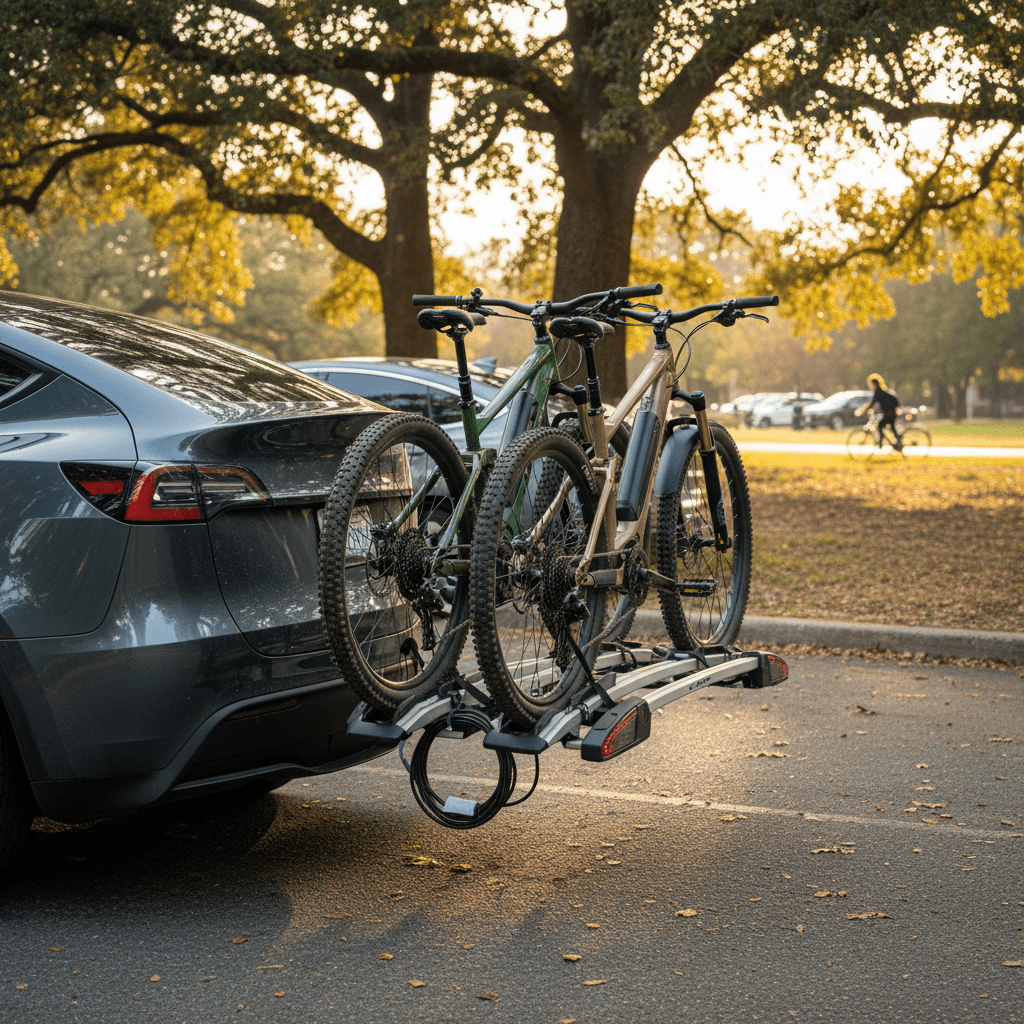
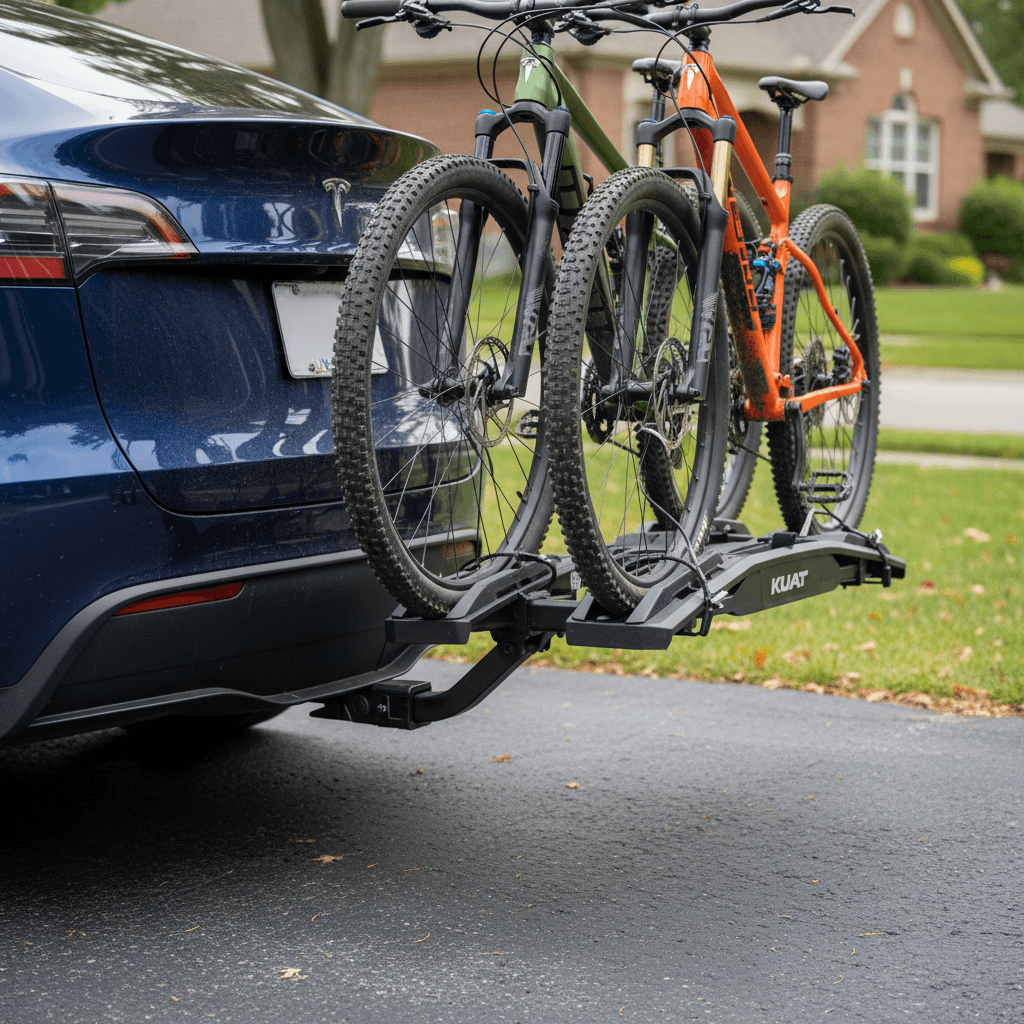
If your EV allows it, a 2-inch receiver hitch with a platform-style bike rack is usually the most EV‑friendly setup. The weight sits low and close to the rear axle, loading is easy, and the impact on range is often smaller than a roof system at highway speeds. Many EV crossovers and SUVs – like Tesla Model Y, Kia EV9, Hyundai Ioniq 5, and Volkswagen ID.4 in some markets – can be equipped with a hitch from the factory or with a high-quality aftermarket solution.
Factory vs. aftermarket hitches on EVs
Common hitch classes and what they mean for EV bike racks
Typical U.S. receiver sizes and ratings that matter when you add bikes to an electric car.
| Hitch class | Receiver size | Typical tongue weight | Typical bike capacity |
|---|---|---|---|
| Class I | 1.25 in | ~150–200 lbs | Usually up to 2 bikes (lighter frames) |
| Class II | 1.25 in | ~250–350 lbs | 2–3 bikes, depending on rack and bikes |
| Class III | 2.00 in | ~350–500+ lbs | 2–4 bikes, e‑bikes supported on many racks |
Always respect the lower of the hitch rating and the vehicle’s own tongue‑weight limit.
Because many EVs have tongue‑weight limits in the 165–350 pound range, you can’t just count bikes. You have to add rack + bikes + any cargo on the rack and stay under both the hitch rating and the vehicle’s lower tongue‑weight figure.
Quick math example
- Look for racks with a tilt-away feature so you can open the hatch on your EV without unloading bikes.
- Choose a platform rack with wide trays if you carry e‑bikes or fat-tire bikes; they spread weight more evenly and are easier to load.
- If your EV has a soft rear bumper cover or light-duty crash structure, avoid hanging-style racks that put all the weight high and far from the bumper.
Roof-mounted bike racks on electric cars
Roof racks are a proven solution, and brands that cater to EV owners design very aerodynamic crossbars and bike carriers. Still, putting bikes on the roof of a sleek EV can noticeably increase drag and energy consumption, especially above 60 mph. For many drivers, the trade‑off is acceptable because the roof keeps the rear hatch fully usable and works with vehicles that can’t take a hitch.
Roof rack pros and cons on EVs
Helpful if you can’t or don’t want to add a hitch
Advantages
- Works even if your EV is not tow-rated.
- Keeps rear cameras and parking sensors largely unobstructed.
- Can carry bikes plus other gear like ski boxes or cargo pods.
Disadvantages
- Higher impact on range at highway speeds due to drag.
- Harder to load, especially on tall crossovers or for heavier e‑bikes.
- Watch garage doors, low branches, and drive‑through clearances.
Mind the height
Trunk and hatch-mounted bike racks
Trunk‑ or hatch‑mounted racks strap to the edges of your liftgate with hooks and nylon straps. They’re appealing because they’re cheap, hitch‑free, and easy to move between cars. The catch is that EVs often have glass hatches, integrated spoilers, and delicate trim pieces that aren’t designed to carry load from straps and hooks.
- Many EVs have plastic or glass spoilers at the top of the hatch. Avoid any rack that rests on or straps around these pieces unless the manufacturer specifically approves it for your model.
- Rear‑mounted racks can block backup cameras, ultrasonic sensors, and hatch‑mounted radar. Expect more parking alerts and reduced functionality of driver‑assist systems.
- If you lease your EV or plan to protect resale, be cautious: trunk racks can leave scuffs or dents where feet rest on the bumper or hatch. Use clear paint protection film if you go this route.
Don’t improvise attachment points
Tongue weight, payload, and range on an EV
Key numbers that matter when you add a bike rack
Three concepts matter when you bolt a rack to your electric car: tongue weight, payload, and aero drag. Tongue weight is the downward force on the hitch; payload is everything the vehicle carries – people, luggage, rack, bikes, dog, you name it. Aerodynamic drag is what you feel in the form of lost range when you hang bikes out in the wind.
Simple weight safety checklist for EV owners
1. Find your tongue-weight limit
Check the towing section of your owner’s manual. If your EV isn’t tow-rated, see if the manufacturer still allows a hitch‑mounted accessory carrier and lists a maximum vertical load.
2. Add up real-world weights
Weigh your bikes or check manufacturer specs, and don’t forget the rack itself. Add these together and compare to the lower of the hitch rating and the vehicle’s tongue‑weight limit.
3. Count people and cargo
Your EV’s payload must also cover passengers, luggage, a rooftop box, and the bikes. If you’re loading up for a road trip, it’s easy to get closer to the limit than you think.
4. Start with conservative loads
If you’re new to EV towing or racks, start with fewer bikes and local trips. Watch how the car rides, how regen braking feels, and how much range you lose before planning a big vacation.
Range planning with bikes on board
EV-specific bike rack fitment examples
Tesla Model Y
Model Y is tow‑rated in the U.S. with the factory towing package. Many owners use a 2‑inch receiver hitch with a 2‑ or 3‑bike platform rack. Tesla notes that accessory carriers should be used with the official tow package, so check your build sheet or have a Tesla Service Center confirm equipment before adding a rack.
Hyundai Ioniq 5 / Kia EV6
These popular EV crossovers are tow‑rated in many trims and work well with a Class II or III receiver for a light platform rack. Aftermarket hitches are widely available, but their ratings don’t override the vehicle’s own tongue‑weight limits. In other words, you can’t safely use the full rating of a heavy‑duty hitch if the car itself is rated lower.
Compact EVs and non tow-rated models
Some smaller EVs and certain trims are not tow‑approved in North America. In those cases, a roof rack is often the manufacturer’s preferred option for bikes. If no hitch rating is listed in your manual, assume that a hitch‑mounted rack is not approved unless the automaker explicitly says otherwise.
Used EVs and existing hitches
How to choose the right rack for your EV
Match rack style to how you drive and what you carry
Ask yourself these questions before you buy
What kind of bikes do you carry?
E‑bikes and downhill rigs are heavy. Aim for a hitch‑mounted platform rack rated for e‑bikes and a vehicle with tongue‑weight capacity to match. For lighter road, gravel, or kids’ bikes, roof and trunk solutions are more realistic options.
Where and how fast do you drive?
If most of your miles are highway road trips, a hitch rack usually costs less range than bikes on the roof. If you do mostly short‑hop city driving, a roof system might be fine and keep your rear sensors happier.
What’s your parking situation?
Garage with a low door? A roof setup may be risky unless you’re very disciplined. Tight parallel parking downtown? A long hitch rack sticking out may be more hassle than it’s worth.
How many people ride with you?
More passengers mean less available payload. If you regularly fill every seat, pay close attention to tongue‑weight and payload ratings before planning a four‑bike setup, especially with e‑bikes.
When in doubt, keep it simple
Installation checklist for EV bike racks
Pre‑trip checklist: setting up a bike rack on your EV
1. Confirm ratings and approvals
Verify the EV’s towing and tongue‑weight ratings, and make sure the manufacturer allows a hitch or rooftop load. If you’re unsure, talk to a dealer or an accessory specialist before spending money.
2. Choose EV‑friendly hardware
Prefer hitches and racks that are specifically listed for your model and year. Look for features like tilt‑away, integrated locks, and compatibility with your tire size and wheelbase.
3. Protect sensors and paint
Expect parking sensors to behave differently with bikes on board. On trunk racks, use foam pads and paint-protection film where the rack contacts the hatch or bumper.
4. Torque and test
Use the included torque specs for hitch bolts and rack mounts. After the first few drives with bikes, re‑check all fasteners and straps. Listen and feel for any movement or clunking.
5. Adjust driving and charging plans
Leave more following distance, especially in rain or on long descents, and assume a bit less range than usual. Build in extra charging time on your first long trip until you have real‑world data with bikes loaded.
FAQ: Electric car bike rack options
Frequently asked questions about EV bike racks
Bottom line: match the rack to your EV and your bikes
Electric car bike rack options are plentiful – the trick is choosing one that respects your EV’s weight limits, aerodynamics, and warranty rules while still fitting your riding style. For many owners, that means a two‑ or three‑bike platform rack on a properly rated hitch. Others will be better served by a carefully chosen roof system or, in specific cases, a trunk rack that’s approved for their model.
If you’re still shopping for the right EV, it can pay to think about bikes before you buy. Some models are far more rack‑friendly than others. Recharged makes that process easier with transparent vehicle specs, battery health information through the Recharged Score Report, and EV specialists who understand real‑world needs like hauling bikes, boards, and camping gear. Get the right electric car, add the right bike rack, and you’ll be ready for weekend adventures without sacrificing safety or range.