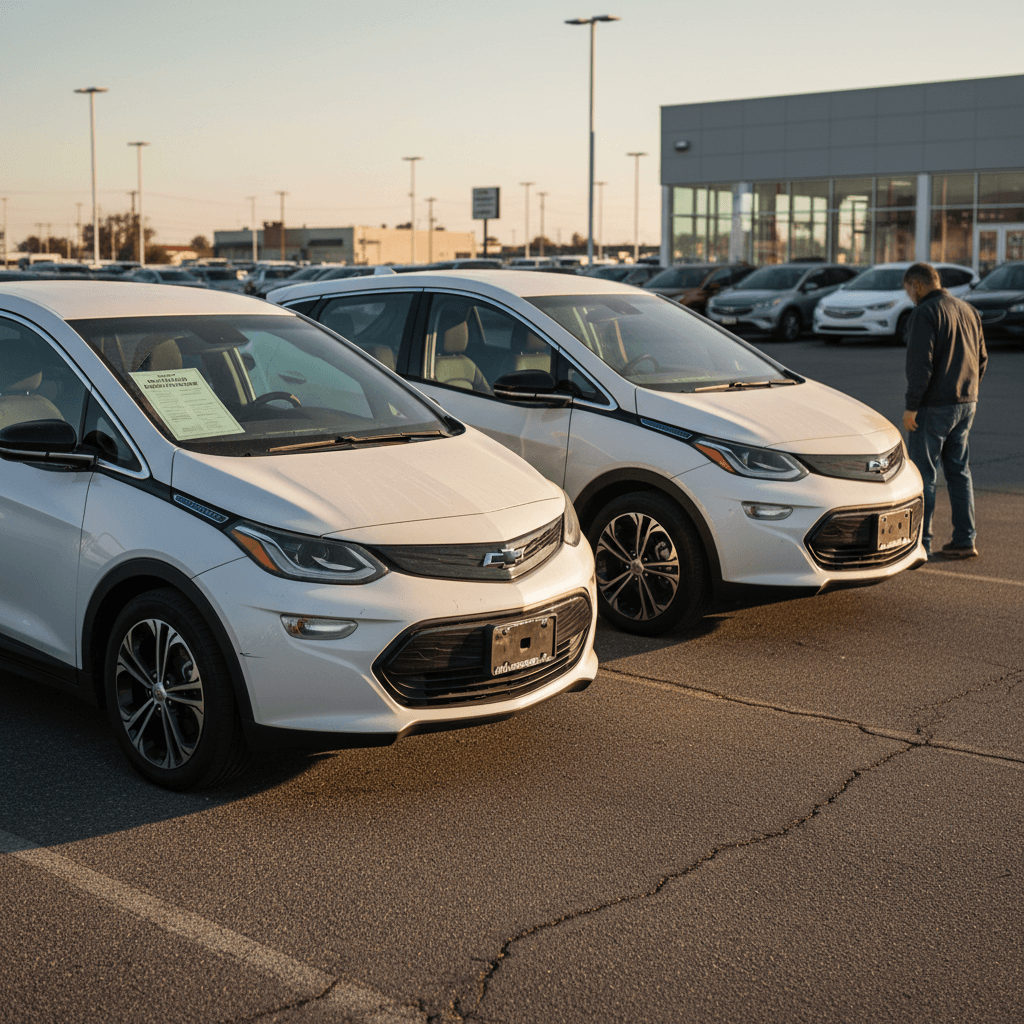
If you’re hunting for an affordable electric car with real highway range, the question naturally pops up: is the Chevrolet Bolt EV worth buying in 2026? The short answer is that a used Bolt EV (and its slightly larger sibling, the Bolt EUV) can be one of the best-value EVs on the market, if you choose the right year, understand the battery recall story, and are honest about how you’ll use it.
Where the Bolt EV fits in 2026
Should you buy a Chevrolet Bolt EV in 2026?
Let’s put the headline verdict right up front: for many buyers, yes, a Chevrolet Bolt EV is absolutely worth buying in 2026. It shines if you want a low-cost EV that you’ll mostly charge at home, drive under about 15,000 miles a year, and occasionally road trip with some patience at fast chargers. It’s less ideal if you live by DC fast charging or crave SUV-style space and the newest tech.
When a Bolt EV is a smart buy
- You want 200–260 miles of range without paying Tesla money.
- You can charge at home or work most of the time.
- You mostly drive in town or do regional trips.
- You’re shopping under roughly $20,000 and want something modern and safe.
When you should probably skip it
- You rely heavily on DC fast charging and long highway trips.
- You need a true family SUV with towing or all‑wheel drive.
- You’re extremely sensitive to infotainment and cabin design feeling a bit dated.
- You need the latest active safety suites or highway hands‑free systems.
The rest of this guide walks through pricing, range and charging, the much‑discussed battery recall, and a clear-eyed pros-and-cons list so you can decide whether a Bolt belongs in your driveway, or whether you’re better off in something like a Kona EV, Niro EV, or a newer Ultium‑based Chevy.
Chevy Bolt EV & EUV basics in 2026
First, some context. The Chevrolet Bolt EV launched for the 2017 model year as one of the first affordable long‑range EVs. It’s a tall hatchback with a single motor driving the front wheels and a roughly 60–65 kWh battery. The Bolt EUV, introduced for 2022, stretches the formula with a bit more rear legroom, SUV‑ish styling, and available Super Cruise on some trims.
Chevy Bolt EV vs. Bolt EUV at a glance
Core specs for the most common used models you’ll see in 2026 (U.S. figures).
| Model years | Model | Battery (kWh) | EPA range (mi, combined) | Onboard AC charging | Max DC fast-charge power |
|---|---|---|---|---|---|
| 2017–2019 | Bolt EV | ~60 | 238 | Up to 7.2 kW | ~50–55 kW |
| 2020–2021 | Bolt EV | ~66 | 259 | Up to 7.2 kW | ~50–55 kW |
| 2022–2023 | Bolt EV | 65 | 259 | Up to 11.5 kW | ~55 kW |
| 2022–2023 | Bolt EUV | 65 | 247 | Up to 11.5 kW | ~55 kW |
Later Bolt EVs and EUVs share most hardware; the EUV adds space and style more than range.
Don’t stress too much over EV vs. EUV
Used Chevrolet Bolt EV prices in 2026
One big reason the Bolt keeps coming up in 2026 EV shopping conversations is price. After aggressive new‑car discounts in 2022–2023 and a cooling EV market, used Bolts undercut a lot of comparable gas cars.
Typical U.S. used Bolt EV pricing in late 2025–early 2026
Those numbers mean a five‑ to seven‑year‑old long‑range EV can cost less than half the price of the average used car in the U.S., yet still give you more than 200 miles of usable range. That’s why value‑seekers keep circling back to the Bolt.
Price swings you should expect
Bolt EV range, charging, and real-world usability
On paper, the Bolt’s range numbers still look solid in 2026. A healthy 2019+ Bolt EV can reasonably deliver 220–250 miles of real‑world mixed driving on a full charge, depending on temperature and driving style. The EUV gives up a bit, think 10-ish miles, but you’re still comfortably above 200 miles for typical commuting.
How a Bolt EV feels to live with
Range is generous for the price; charging speed is where compromises show.
Daily driving
For commuting, errands, and school runs, a Bolt feels like overkill if your round‑trip is under 80 miles. You plug in at night, wake up to a full battery, and rarely think about public chargers.
Level 2 home charging
On a 240V Level 2 charger, later Bolts (2022–2023) can add roughly 35–39 miles of range per hour of charging. Earlier cars are closer to mid‑20s. Either way, overnight charging is simple.
DC fast charging
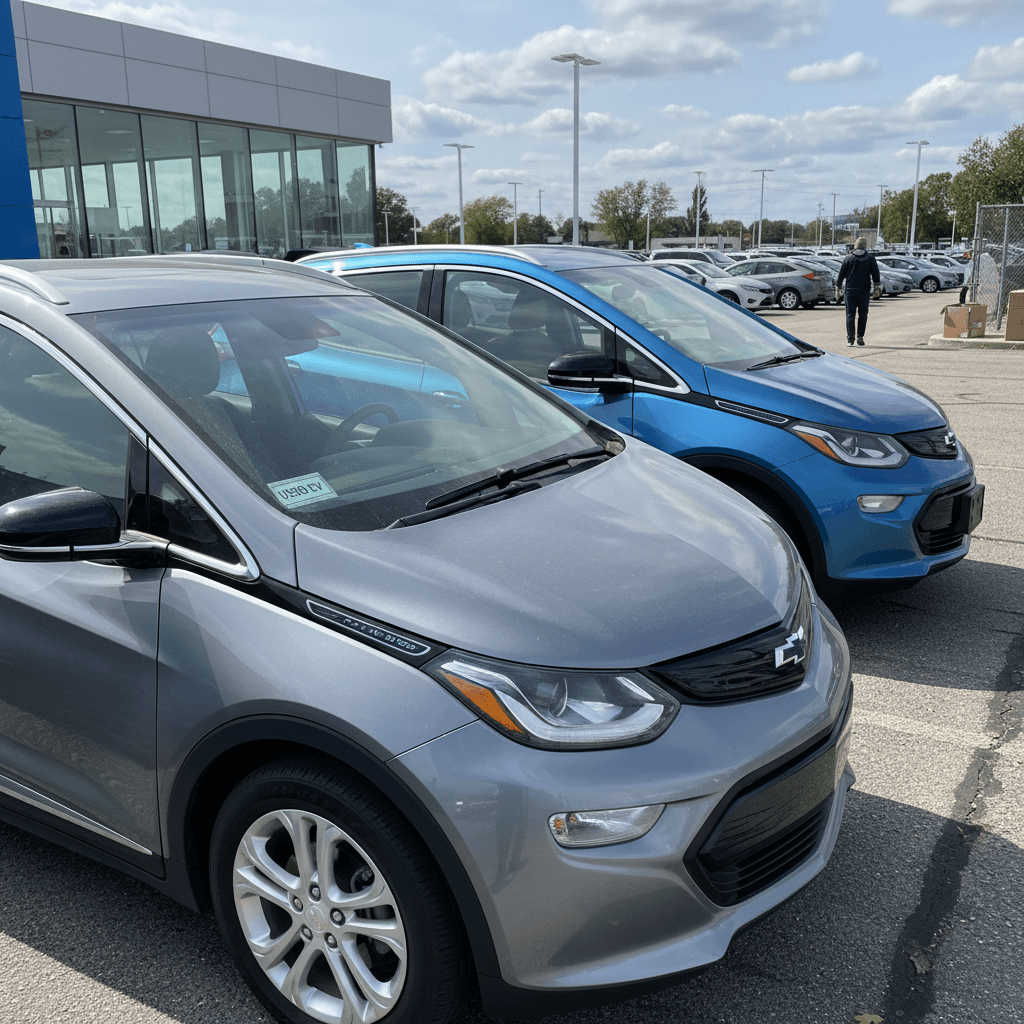
This is the Bolt’s Achilles’ heel: peak rates around 55 kW and a conservative charge curve. Figure roughly 80% charge in about an hour if you arrive low. It’s fine for occasional road trips, not ideal if you live on fast charging.
If you live on fast chargers, think hard
The Chevy Bolt battery recall: what it means now
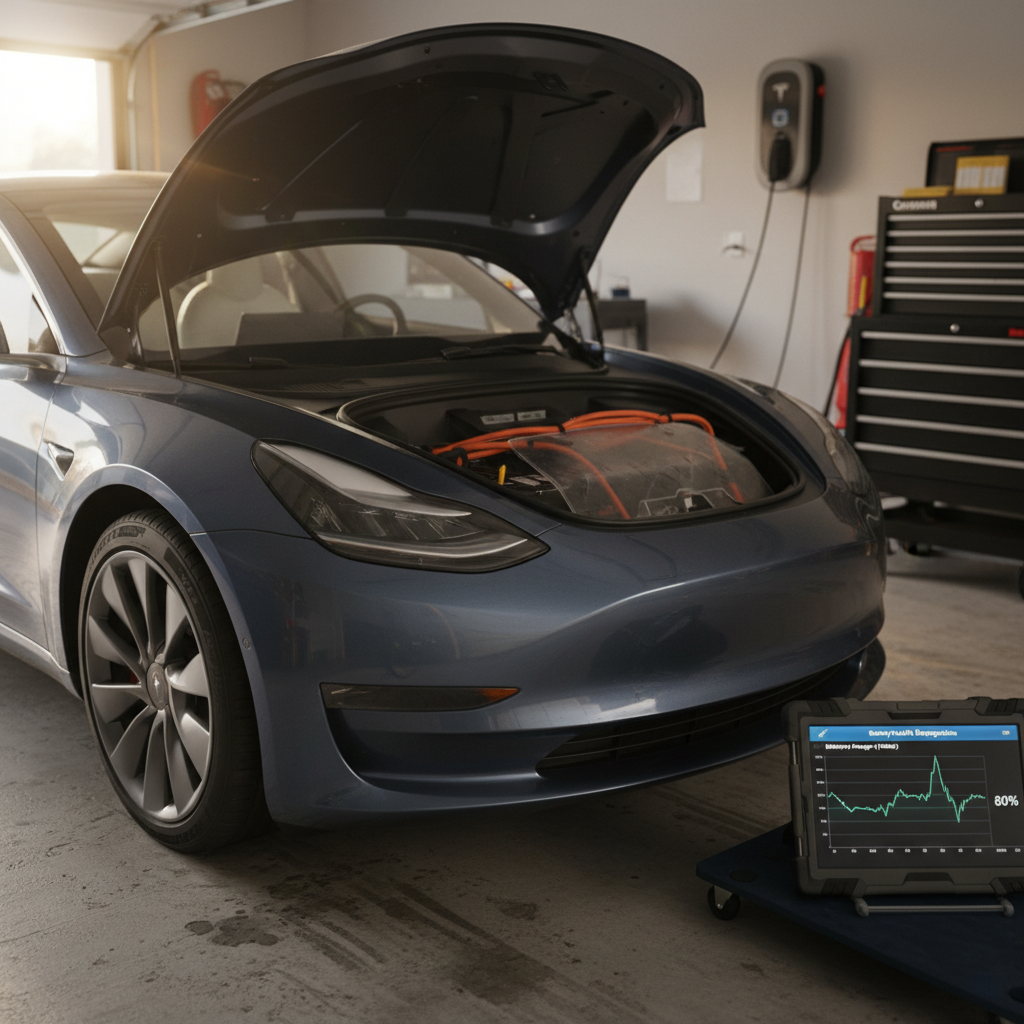
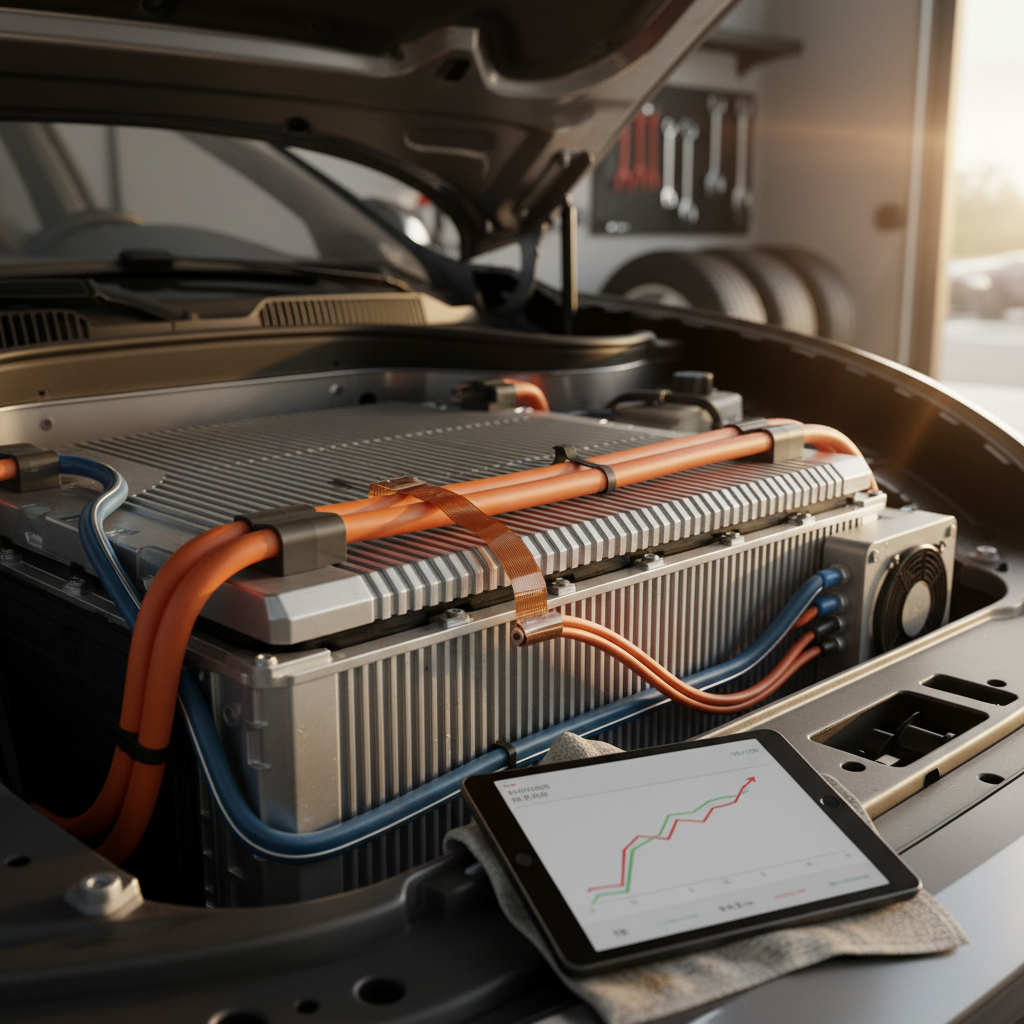
You can’t talk about whether a Bolt EV is worth buying in 2026 without addressing the big story: the battery recall. Certain 2017–2022 Bolts were recalled because of rare manufacturing defects in LG battery cells that could, in worst‑case scenarios, lead to fires. GM responded with software limits at first, then large‑scale full battery pack replacements for affected cars.
- Many 2017–2019 cars, and some later ones, have already received an entire new pack under warranty.
- Replaced packs typically reset the odometer for battery life: you’re effectively getting a much “younger” battery than the rest of the car.
- A properly completed recall with documentation can actually make a used Bolt more attractive, not less.
What you should verify on any used Bolt
By 2026, the recall is more of a history lesson than a current crisis, but it still matters. A Bolt with an unresolved recall or murky battery history is one to walk away from, there are plenty of clean examples on the market. On the flip side, a car with a documented recent pack replacement can be a tremendous long‑term value.
Chevy Bolt EV pros and cons in 2026
Bolt EV upsides and downsides, 2026 lens
Every used EV is a compromise; here’s how the Bolt’s tradeoffs stack up today.
What the Bolt EV does really well
- Outstanding value: Long range for the money, especially on 2019–2021 cars.
- Compact but roomy: Easy to park, yet surprisingly good rear headroom and cargo space.
- Simple, reliable drivetrain: A decade of GM EV learnings baked into a straightforward FWD layout.
- Cheap to run: No oil changes, minimal scheduled maintenance, and strong efficiency.
- Recall packs can be a win: Many owners end up with newer batteries than the build year suggests.
Where the Bolt EV still shows its age
- Slow DC fast charging: Around 55 kW peak when newer rivals are doing 150–250 kW.
- No AWD or towing: This is a front‑drive hatchback through and through.
- Aging interior design: Functional, but plastics and infotainment feel a generation behind in 2026.
- Seat comfort is hit‑or‑miss: Some drivers love them, others find long trips tiring.
- Limited DC infrastructure in some regions: Which magnifies the slow‑charge issue if networks are sparse where you live.
How the Bolt compares to other cheap EVs
Who is the Bolt EV worth buying for?
Different types of buyers and how well the Bolt fits
Suburban commuter with home charging
Drives 30–80 miles per day, mostly on surface streets or freeways under an hour from home.
Can install or already has a Level 2 charger in the garage or driveway.
Takes a handful of weekend trips a year under 300 miles round‑trip.
➡ For this driver, a Bolt EV is <strong>nearly ideal</strong>, cheap, easy, and drama‑free.
Apartment dweller or city driver
Relies on workplace charging, public Level 2, or occasional DC fast charging.
Drives fewer miles, but can’t always plug in overnight at home.
Lives in an area with at least a decent public charging network.
➡ A Bolt can work very well, but <strong>charging access</strong> matters more than anything here.
Road‑trip enthusiast
Routinely does 300–600‑mile days for work or pleasure.
Values short stops, 15–25 minutes at DC fast chargers, not 45–60.
Is considering EVs that charge at 150+ kW on DC fast chargers.
➡ A Bolt is <strong>usable but not ideal</strong>. You’ll spend more time at chargers than in a Hyundai Ioniq 5 or Tesla Model Y.
Cost‑conscious first EV household
Owns another gas car for the big trips or towing.
Wants to reduce fuel spending and try EV life without a huge payment.
Is comfortable shopping in the $12k–$22k range for a used car.
➡ The Bolt EV or EUV is often the <strong>smart first EV</strong> in this driveway.
Pro move: keep a gas car for a while
How to shop smart for a used Chevrolet Bolt EV
The Bolt is common enough now that you can afford to be picky. Treat it like any other used car, but add a few EV‑specific checks so you’re not guessing about battery health or past recall work.
Essential checklist for buying a used Bolt EV or EUV in 2026
1. Confirm recall and battery history
Ask for service records showing completed battery recall work and any pack replacements. Use the VIN to check for outstanding campaigns and make sure the car isn’t still running on software‑limited capacity.
2. Look closely at model year and mileage
For value, many shoppers land on 2019–2021 Bolt EVs: they balance price, range, and age nicely. Newer 2022–2023 cars add faster Level 2 charging and refreshed styling, but at a price premium.
3. Evaluate battery health, not just odometer
Two Bolts with the same mileage can have very different battery histories. Look for range estimates at 100% charge, ask about DC fast charging habits, and, where possible, use a <strong>battery‑health diagnostic</strong> like the Recharged Score instead of guessing.
4. Inspect tires, brakes, and suspension
EVs are heavy and can be hard on tires. Uneven wear may hint at alignment or suspension issues. Regenerative braking means pads and rotors may last longer, but corrosion or lack of use can still cause problems.
5. Test charging on Level 2 and (if you can) DC fast
If the seller allows, plug into a Level 2 charger and verify the car pulls the expected kilowatts. A short DC fast‑charge session near 20–60% can also reveal whether charging behavior seems normal.
6. Make sure the seating and driving position work for you
The Bolt’s seats and upright driving position fit some bodies better than others. Spend at least 20–30 minutes driving at highway speed to decide whether you’d be happy commuting in it every day.
Don’t buy on price alone
How Recharged helps you buy the right Bolt EV
Bolts are exactly the kind of EV where what you can’t see, battery history, fast‑charging habits, recall status, can matter as much as what you can. That’s why every Chevrolet Bolt EV and EUV listed on Recharged comes with a detailed Recharged Score Report that pulls those threads together for you.
Shopping for a Bolt on Recharged
How our process de‑mystifies used EVs like the Bolt EV and EUV.
Verified battery health
We run Recharged Score battery diagnostics on every Bolt we sell, so you can see how much usable capacity remains and how it compares with similar cars.
Transparent recall & history
We document open recalls, past battery replacements, and available charging history right in the listing, so you’re not piecing together the story from random paperwork.
Financing, trade‑in & delivery
From online financing and trade‑in offers to nationwide delivery and our EV‑specialist support team, you can handle your entire Bolt purchase digitally, or visit our Experience Center in Richmond, VA.
Ready to find your next EV?
Browse VehiclesIf you already own a car you’re ready to part with, Recharged can also buy your vehicle outright or help you consign it while you move into a Bolt. That’s often how shoppers turn a high‑mileage gas commuter into a low‑cost electric daily driver with one clean transaction.
Chevy Bolt EV in 2026: FAQ
Frequently asked questions about buying a Bolt EV in 2026
Bottom line: Is the Chevrolet Bolt EV worth it in 2026?
In 2026, the Chevrolet Bolt EV sits in a fascinating place. It’s no longer the new kid with the cutting‑edge spec sheet, but it’s also not a short‑range compliance car destined only for city errands. Instead, it’s become what a lot of people quietly need: an honest, efficient, long‑range hatchback that happens to be electric and surprisingly affordable.
If you expect super‑fast charging and luxury‑car polish, you’ll be disappointed. But if your daily life looks like commuting, school runs, Costco trips, and the odd weekend drive, and you can plug in regularly, a well‑chosen used Bolt EV or EUV can be one of the smartest car purchases you’ll make in 2026.
The key is to buy with your eyes open: insist on clear recall documentation, pay attention to battery health, and don’t be afraid to walk away from sketchy histories. Whether you shop locally or browse curated options on Recharged, those habits will tell you very quickly whether a particular Chevrolet Bolt EV is worth buying, or whether you should wait for the next one.