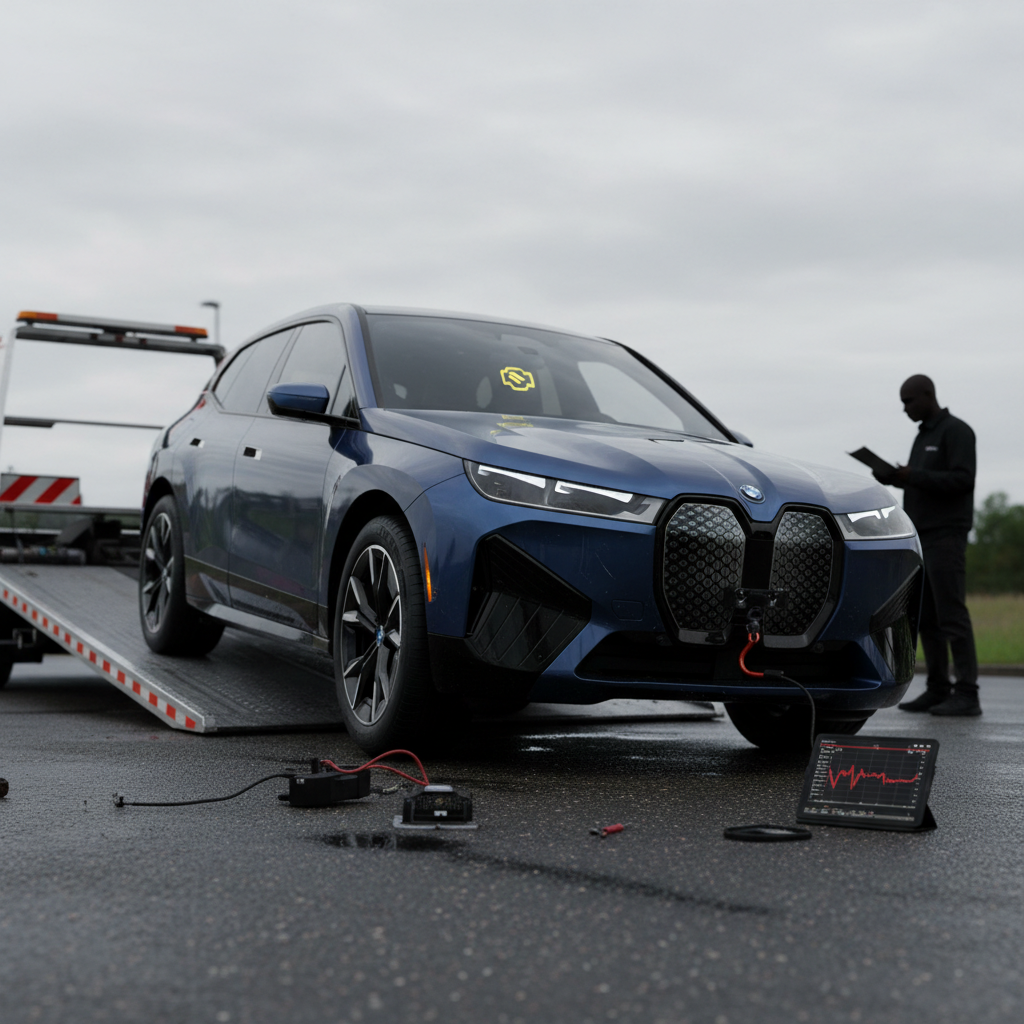
If you’re searching for electric car batteries for sale, there’s usually a story behind it: a high‑mileage EV with shrinking range, a salvage car you’d like to revive, or simple curiosity about what a replacement pack costs. In 2025, battery prices are falling, but they’re still the single most expensive component in an EV, often close to the value of the whole car.
Quick takeaway
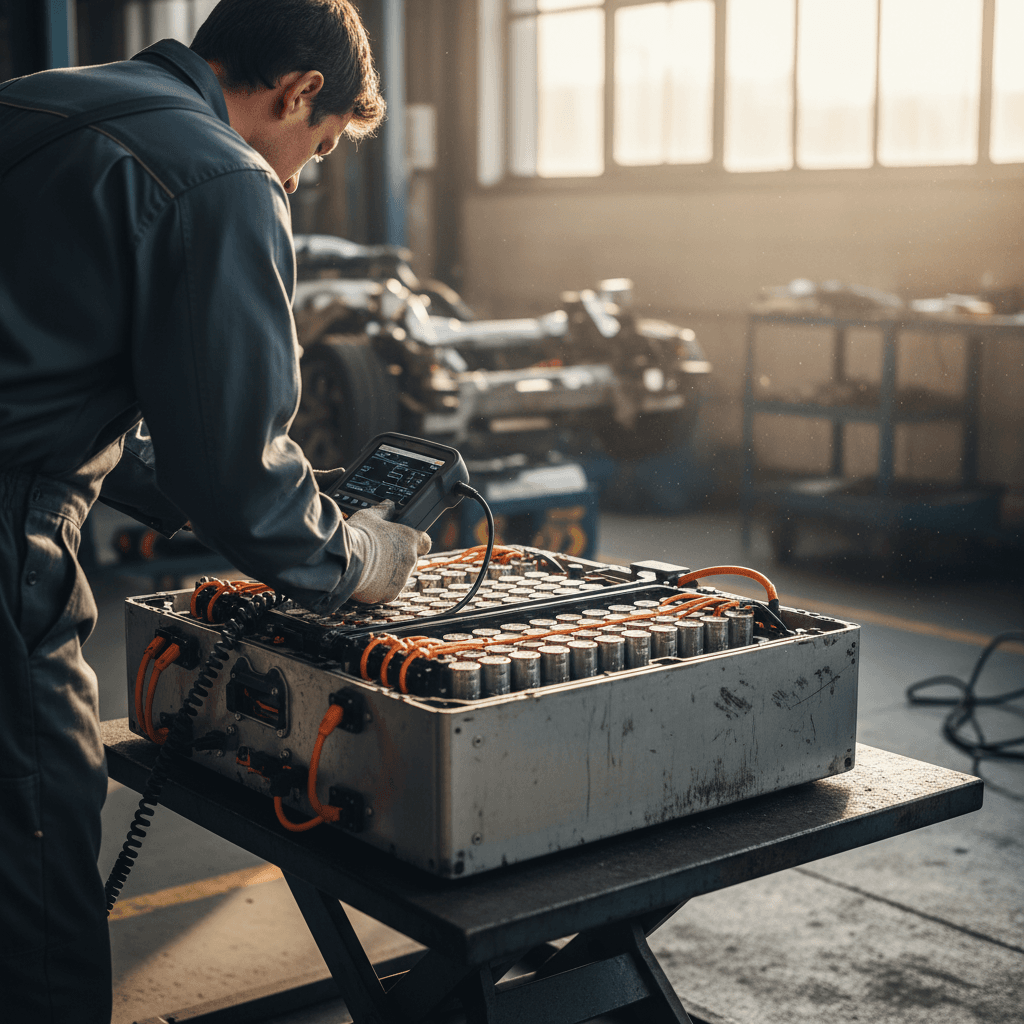
Why people search for electric car batteries for sale
Most shoppers typing in “electric car batteries for sale” fall into three buckets:
- Your EV’s range has dropped and you’re afraid the pack is “done.”
- You own (or are eyeing) a high‑mileage or salvage EV and want to know if a battery swap makes financial sense.
- You’re exploring second‑life batteries for home energy storage or a DIY project.
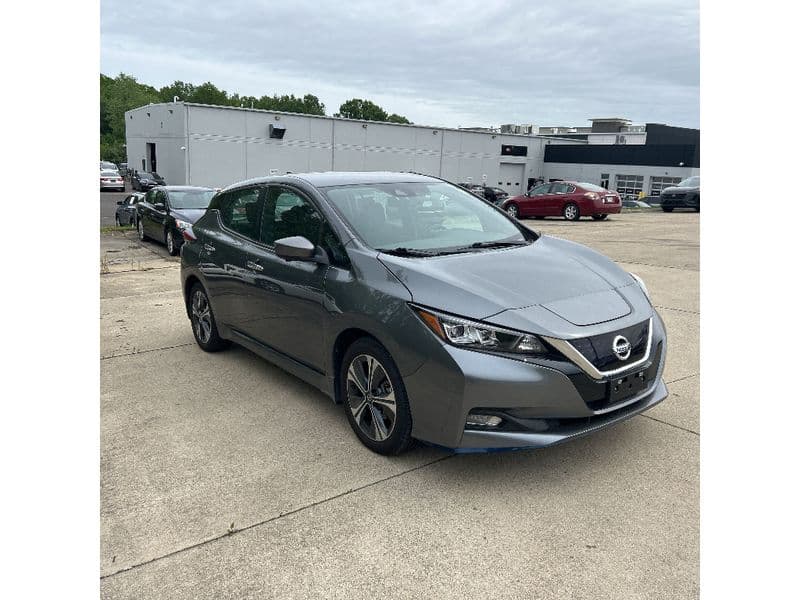
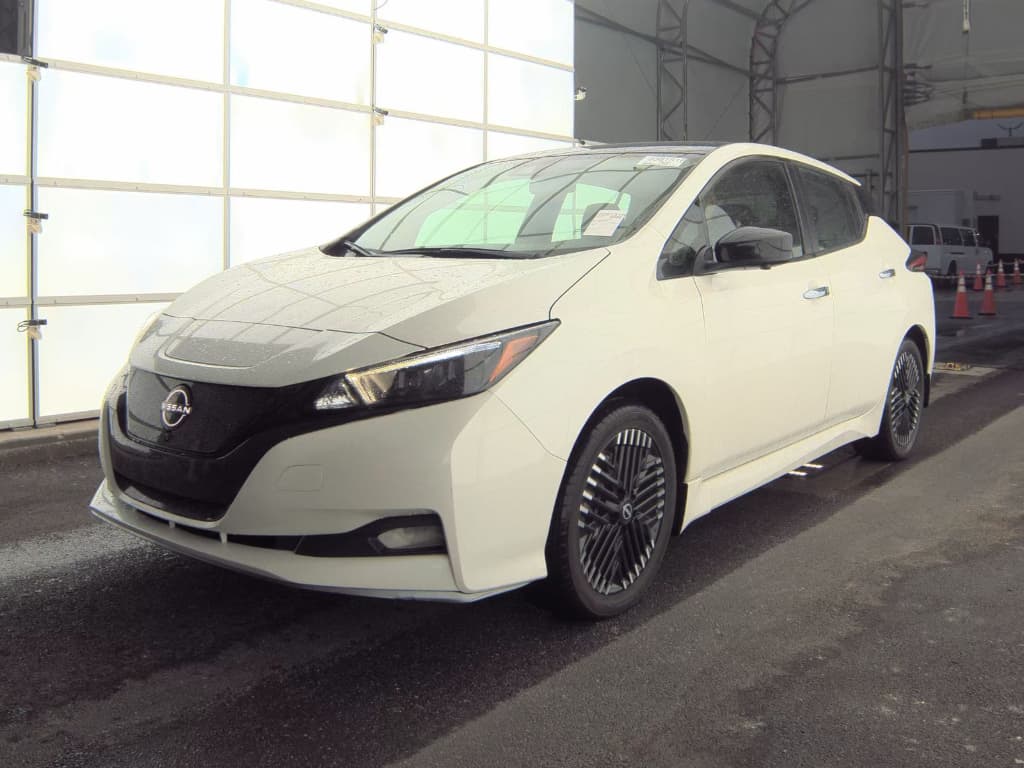
Each scenario has different math. A 10‑year‑old compact EV like a Nissan Leaf might justify a lower‑cost refurbished pack if you love the car and drive locally. A luxury crossover with a dead pack may be cheaper to replace by buying a late‑model used EV instead. And if you’re thinking about home storage, you’ll run into a completely different set of sellers and safety rules.
Important reality check
How much electric car batteries cost in 2025
Battery technology keeps getting cheaper at the pack level, but retail replacement is still pricey once you add markup, logistics, and labor. Industry data from 2024–2025 puts typical EV battery replacement costs between about $5,000 and $20,000 for mainstream models, with large luxury cars and trucks pushing higher.
Typical 2025 EV battery replacement costs
Drill into specific models and the picture sharpens:
- Nissan Leaf replacement packs often land in the $6,000–$9,500 window including labor for common sizes, making it one of the cheaper EVs to re‑battery.
- Tesla Model 3/Y packs typically run around $10,000–$15,000 for OEM replacements, with some third‑party refurbished options a bit lower.
- Mainstream crossovers like the Hyundai Ioniq 5, Kona Electric, Mustang Mach‑E, Chevy Bolt and VW ID.4 usually show up somewhere between $8,000 and $18,000, depending on capacity and who does the work.
Watch the per‑kWh price
Where you can actually buy EV batteries (and where you can’t)
Here’s the first surprise for many shoppers: searching “electric car batteries for sale” turns up far more blog posts than actual parts listings. That’s because most high‑voltage packs never enter the open retail market. Instead, they move through a few controlled channels.
Main ways EV battery packs are sold today
Who sells them, what you get, and who they’re for
Automaker & dealer network
Who it’s for: Current owners needing warranty or out‑of‑warranty replacement.
- New OEM packs, latest revision.
- Sold through franchised dealers or factory service centers.
- Pricey, but highest confidence and clear warranty.
Typically requires diagnostic confirmation and VIN.
Specialty recyclers & refurbishers
Who it’s for: Shops and advanced DIYers.
- Refurbished or reconditioned packs and modules.
- Capacity tested, may mix modules.
- Lower cost, but warranty is shorter and quality varies.
Often ship freight and expect professional installation.
Salvage auctions & used parts yards
Who it’s for: Experienced rebuilders.
- Pull‑out packs from wrecked EVs.
- Cheapest route per kWh.
- Capacity, damage history, and software status can be unknown.
High risk if you don’t have diagnostic tools.
High‑voltage safety warning
Big‑box auto parts chains rarely list full EV battery packs. At best, you’ll see hybrid packs or low‑voltage auxiliary batteries. For most EV owners, that leaves two realistic paths: work with a dealer or specialist third‑party shop, or sidestep the problem entirely by replacing the car instead of the pack.
New vs refurbished vs used EV battery packs
New OEM packs
- Pros: Latest chemistry and design, full OEM warranty, plug‑and‑play with your vehicle’s software.
- Cons: Highest cost and often dealer‑only access.
- Best for: Newer, higher‑value EVs where the car will outlast the loan.
Refurbished / remanufactured packs
- Pros: 20–50% cheaper than new; modules are tested and weak cells replaced.
- Cons: Capacity may not be 100% of original; warranty is shorter and varies by shop.
- Best for: Older EVs you plan to keep several more years, local commuting duty.
Used packs from salvage
- Pros: Lowest cost per kWh; potential bargains from low‑mileage wrecks.
- Cons: Unknown history; possible crash damage, water intrusion, or software locks.
- Best for: Professional rebuilders and second‑life energy storage projects.
Think in terms of warranty and miles
Battery replacement vs buying a used EV
Here’s the decision point a lot of owners hit: if a replacement pack for your aging EV is $10,000–$15,000, does it still make sense to fix the car, or should you put that money into a newer used EV with stronger range and a healthy battery?
Replace the battery or buy a used EV?
High‑level comparison to help frame the decision.
| Option | Upside | Downside | Best for |
|---|---|---|---|
| Replace with new OEM pack | Restores like‑new range; full compatibility and OEM warranty. | Highest upfront cost; only makes sense if the rest of the car is in great shape. | Late‑model EVs with good resale value and low overall mileage. |
| Install refurbished/used pack | Lower upfront cost; can extend life of a paid‑off vehicle. | Uncertain long‑term reliability; capacity may still lag newer EVs. | Older compact EVs used for short commutes or as city runabouts. |
| Buy a newer used EV | Modern range, tech, and safety; one transaction instead of a complex repair. | You’re replacing the whole car; still need to assess battery health carefully. | Drivers who want better range and lower hassle than a major battery job. |
Exact math will depend on your vehicle, but these are the trade‑offs most owners face.
Where Recharged fits in
How Recharged evaluates battery health on used EVs
If you decide that buying a used EV beats buying a bare battery, battery health becomes the most important line item on the inspection sheet. That’s why Recharged builds its entire experience around making EV condition, especially the pack, transparent.
- Recharged Score battery diagnostics: We use model‑specific tools and live data to assess pack health, state of charge behavior, and range trends instead of relying on dash‑display guesses.
- History and usage context: Mileage is only part of the story. We look at climate, charging patterns, and service history to understand how the pack has actually lived.
- Fair‑market pricing: Our valuations factor in battery condition so you’re not paying top dollar for a tired pack.
- Specialist guidance: EV‑savvy team members can help you compare, say, a Leaf with a fresh pack versus a Model 3 with moderate degradation, and what that means for your driving.
Financing instead of a five‑figure repair
Key factors to check before you shop for a battery
Pre‑decision checklist: battery or different car?
1. Confirm warranty coverage
Many EVs carry 8‑year/100,000‑mile (or more) battery warranties. Before you price batteries for sale, verify whether your pack is still covered for capacity loss or defects.
2. Get a real health report
Use a trusted shop, or a platform like Recharged that provides a <strong>Recharged Score battery report</strong>, to understand remaining capacity, module health, and any fault codes.
3. Evaluate the rest of the car
If your EV needs suspension, tires, infotainment work, or body repair on top of a new pack, stacking all those costs may not pencil out versus a newer used EV.
4. Compare total cost of ownership
Add up the replacement battery quote, labor, taxes, fees, and downtime. Then compare that to buying a used EV (including financing, insurance, and taxes) over the same time horizon.
5. Consider your real‑world range needs
If you only drive 30–40 miles a day, a slightly degraded battery or smaller refurbished pack might be fine. Highway commuters and road‑trippers need more cushion.
6. Think about resale value
Dropping a $15,000 pack into a car that’ll be worth $9,000 in three years isn’t great math. In some cases, selling as‑is and stepping into a healthier used EV retains more value.
Second‑life batteries, recycling, and the grid
Not every battery that leaves an EV goes straight to the shredder. In fact, major recyclers are now building entire businesses around second‑life batteries, repurposing packs with 50–80% of their original capacity into stationary storage for buildings, microgrids, and even AI data centers.
What “second life” really means
Companies are already deploying multi‑megawatt installations built from used EV packs, turning what used to be a waste problem into a revenue stream. At the same time, recyclers recover valuable materials, lithium, nickel, cobalt, copper, to feed the next generation of batteries. That circular loop is part of why long‑term battery replacement costs are expected to trend downward, even as EVs hit higher volumes.
DIY powerwall caution
FAQ: electric car batteries for sale
Frequently asked questions about EV batteries for sale
Bottom line: should you really be shopping for a battery?
If you’re hunting for electric car batteries for sale, you’re right to do your homework, these are big‑ticket components with big implications. The reality in 2025 is that full pack replacements often cost as much as, or more than, the market value of older EVs. New OEM batteries make sense for newer, higher‑value cars; refurbished and used packs can extend the life of older commuters if the price and warranty are right.
But for many drivers, the smarter play is to step back and compare that repair bill to the cost of a carefully vetted used EV. With tools like the Recharged Score, transparent battery health reporting, financing options, and trade‑in support, you may find that upgrading into a healthier pack inside a newer vehicle delivers more range, less hassle, and better long‑term value than chasing a standalone battery.