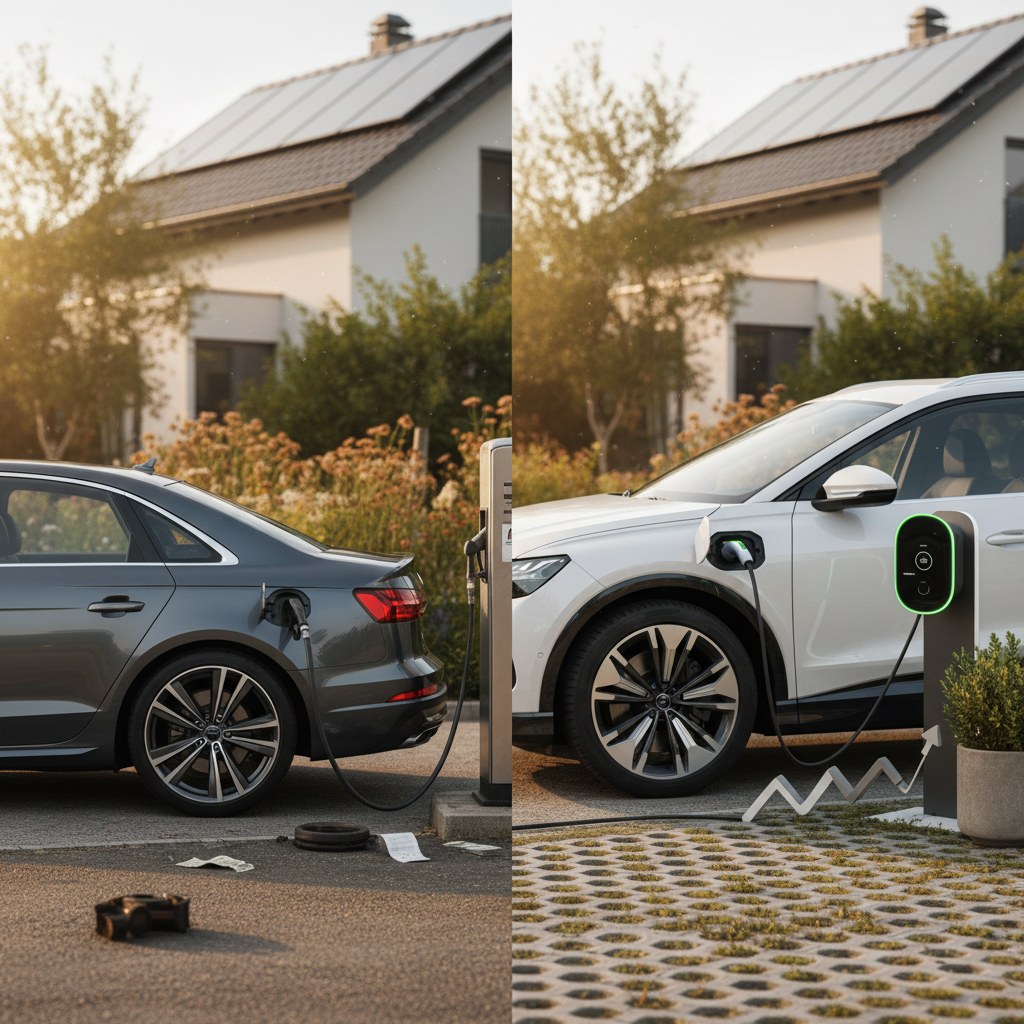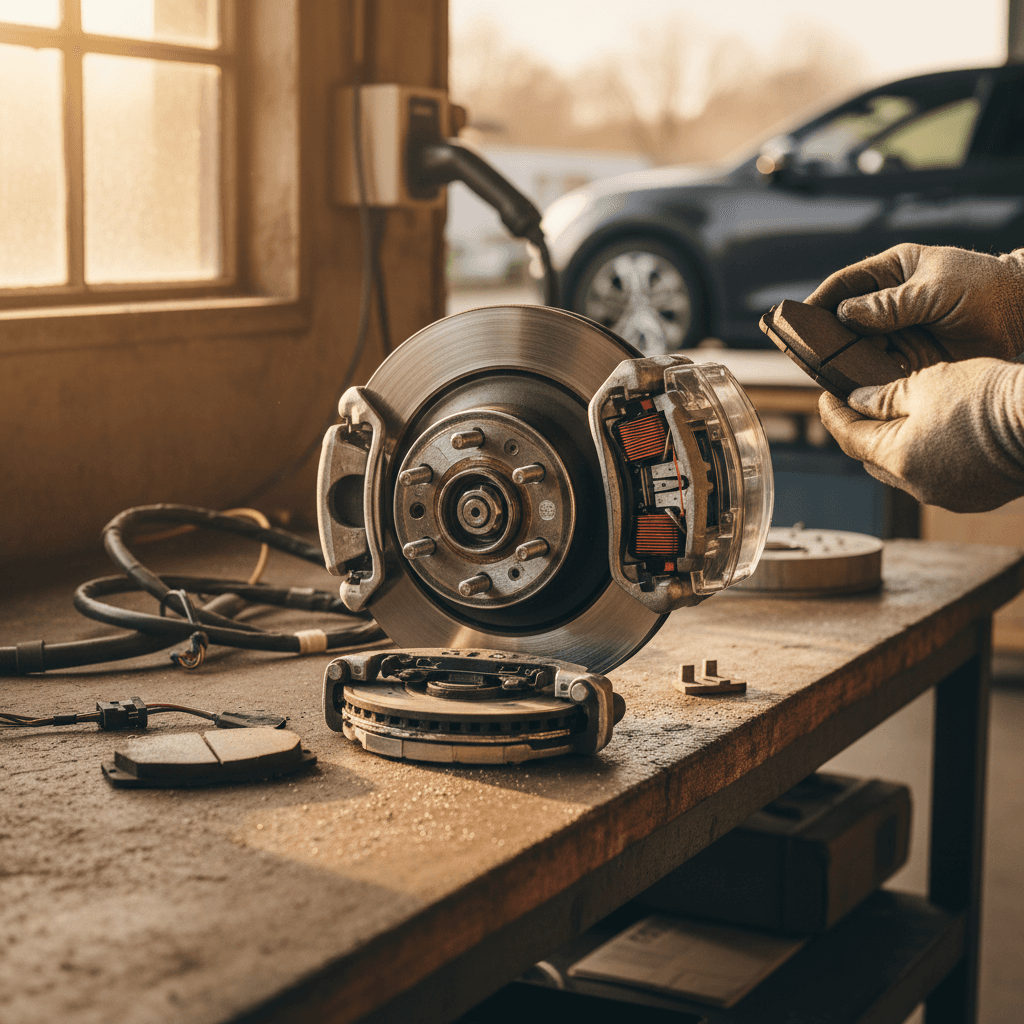
The first time you drive an electric car, the electric braking can be the most surprising part. Lift off the accelerator and the car slows harder than you expect. Touch the brake pedal and the car sheds speed smoothly, with very little drama, and often without any of the smells or noises you associate with hot brake pads. That’s not magic. It’s an entirely different way of slowing a car, and once you understand it, you can use it to drive more smoothly, save energy, and shop smarter for a used EV.
Key takeaway
What is electric braking in an EV?
In a gasoline car, braking is almost entirely about friction: pads squeeze a metal disc, turning your motion into heat and throwing that energy away. In an electric vehicle, electric braking adds a second, smarter option. The drive motor flips roles and acts as a generator, using the car’s momentum to spin and push electricity back into the battery. That’s called regenerative braking, and it’s one of the reasons EVs are so efficient in stop‑and‑go driving.
Modern EVs don’t make you choose between regen and regular brakes. They use both, often called a blended braking system. Light deceleration is mostly handled by the motor. Hard panic stops, or braking when the battery is full or cold, rely more on the friction brakes. The software is constantly blending these two systems behind the scenes so what you feel from the driver’s seat is one smooth, predictable slowdown.
Electric braking by the numbers
How electric braking differs from traditional brakes
Traditional braking (gas vehicles)
- Friction only: Press the pedal, hydraulic pressure clamps pads on rotors.
- Energy lost as heat: All that motion turns into hot brakes and hot air.
- Wear and tear: Pads and rotors wear quickly in city driving.
- Pedal feel: Mostly mechanical, with power assist.
Electric braking (EVs and hybrids)
- Two systems in one: Motor‑based regenerative braking plus conventional friction brakes.
- Energy recaptured: Some of your slowing charges the battery instead of heating the air.
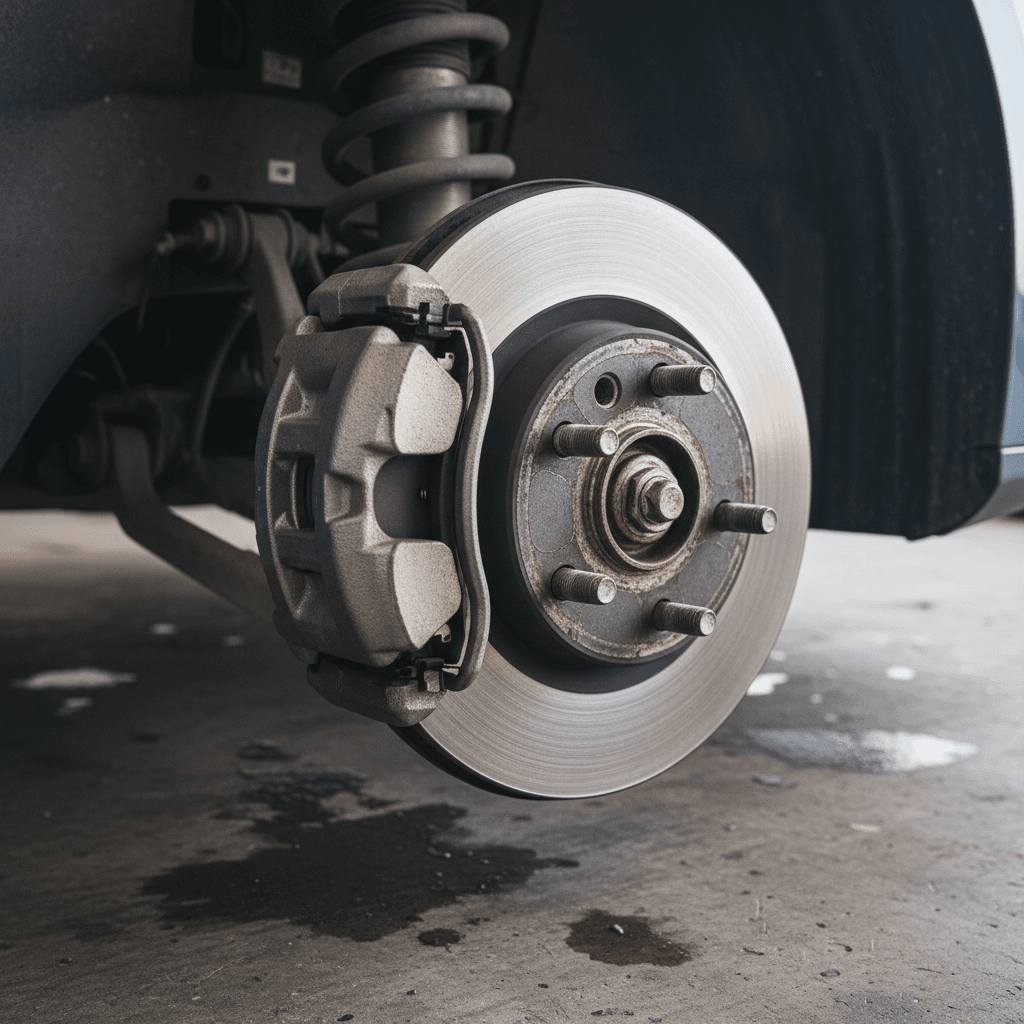
- Slower wear: Pads and rotors often last far longer because they’re used less.
- Software‑tuned feel: Brake-by-wire systems simulate a consistent pedal feel while the computer blends regen and friction behind the scenes.
Driving tip
Inside regenerative braking: turning slowing into range
At the heart of electric braking is regenerative braking. When you’re cruising, the motor uses electricity to create rotation. When you’re slowing with regen, that process runs in reverse: the wheels drive the motor, which becomes a generator and feeds power back into the battery. The more aggressively the system allows the motor to resist that rotation, the stronger the braking effect you feel.
- You lift off the accelerator or press the brake pedal lightly.
- The EV’s control unit decides how much deceleration you’re asking for.
- As long as the battery can accept charge, the car adds regenerative braking first.
- If you ask for more deceleration than regen alone can provide, friction brakes quietly join in.
Under the right conditions, moderate speeds, a battery that isn’t already full, and good tire grip, regenerative braking can recapture a meaningful chunk of energy that would otherwise be wasted. On mixed, real‑world driving cycles, many EVs recover roughly 10–30% of energy through regen, with the highest gains in hilly or stop‑and‑go urban driving.
Where regen works best
Blended braking & brake-by-wire systems
If you’ve ever wondered why the brake pedal in an EV feels so normal even though so much is happening behind the scenes, the answer is brake-by-wire This is called blended braking. Light, everyday stops lean heavily on regen. As you press harder, or if the battery can’t accept more charge, maybe it’s full, cold, or you’re already near the maximum charging power, the computer ramps in more friction braking. Done well, you never feel the handoff; the pedal is tuned to feel linear and consistent across all situations. Many EVs now offer one-pedal driving: take your foot off the accelerator and the car slows aggressively, often all the way to a stop, without you ever touching the brake pedal. It feels strange at first, but once your brain recalibrates, it can make city driving calmer and more precise. You’re asking the motor to do as much of the braking work as possible, and preserving the friction brakes for emergencies. Automakers give you different ways to tune how strong electric braking feels when you lift off the accelerator. Feels most like a traditional automatic transmission. Balanced everyday setting. Maximum electric braking. For all its advantages, electric braking has limits. Regenerative braking can only recapture energy while the wheels are still turning and the battery is able to accept charge. Stopping quickly from high speeds, or coming to a dead stop at very low speeds, still leans heavily on your friction brakes. Underneath the software, EVs still use familiar safety systems: ABS (anti‑lock braking), traction control, and stability control. When the car senses a wheel starting to lock up, it rapidly modulates hydraulic pressure at that wheel, just as in a gas car. At the same time, it can also reduce the regenerative braking torque on that axle to keep things stable. Because electric braking is so programmable, some EVs can tailor pedal feel and brake response by drive mode. A “Sport” mode might sharpen pedal response and allow stronger regen, while an “Eco” mode smooths everything out and prioritizes energy recovery. The goal is always the same: a pedal that feels natural and predictable, even while the car is juggling multiple systems behind the scenes. The best brake systems are the ones you never think about. You just press the pedal and the car does exactly what you expect, every time. One of the pleasant surprises with electric braking is how gently it treats your friction brakes. Because regen handles so much routine slowing, pads and rotors in an EV can last significantly longer than in a comparable gasoline car, especially for drivers who embrace one‑pedal driving. But that doesn’t mean you can forget about them. Ask for a brake inspection at least once a year or at each tire rotation. You’re looking for pad thickness, rotor condition, and any signs of uneven wear or corrosion. Squeals, grinding, or pulsing in the pedal are still signs something’s wrong, even if you rarely use the brakes hard. Have them checked promptly. Brake‑by‑wire systems still rely on hydraulic fluid. Follow the manufacturer’s interval for brake‑fluid changes, often around every 2–3 years. Occasionally make a few firm, but safe, stops from moderate speed. This can help scrub surface rust off the rotors if you do a lot of gentle, regen‑heavy driving. Electric braking can only work with the grip your tires provide. Proper tire pressure and quality all‑season or winter tires make as much difference as the brakes themselves. Shopping for a used EV isn’t just about finding the right color and options. It’s about understanding how the previous owner drove and how the car’s systems, especially the braking system and the battery, have aged. Electric braking is a big part of that story, because it affects both mechanical wear and how efficiently the car was driven. Every vehicle sold through Recharged comes with a Recharged Score Report that includes verified battery health, usage patterns, and a comprehensive vehicle inspection. That makes it easier to understand how the car was driven and how its electric braking and charging habits may have affected the battery. Because Recharged specializes in EVs, not gas cars, we can also connect you with EV‑savvy support if you have questions about brake feel, regen modes, or anything you notice on a test drive. Electric braking is one of the big reasons EVs feel so different, and so satisfying, to drive. The motor that launches you onto the highway is also your most hard‑working brake, turning every slowdown into a little bit of extra range. Behind that, familiar friction brakes are still on duty for the heavy lifting when you need them most. If you understand how regenerative, blended, and brake‑by‑wire systems work, you can get more comfort and efficiency out of the EV you already own, or make a smarter decision on the used one you’re about to buy. And if you’d like backup while you shop, vehicles that come with a Recharged Score Report give you verified battery health, transparent pricing, and EV‑savvy support from the first click to the first drive, so your next car’s electric braking is one more thing you can feel confident about.Why brake feel can change slightly
One-pedal driving and adjustable regen
Common electric braking modes in modern EVs
Low or “coast”
Normal or medium
High or one-pedal
Try this when test driving
Limits of electric braking: what it can’t do
Don’t treat regen as a safety feature
Brake feel, safety systems, and ABS in EVs
Brake maintenance on electric cars
Electric braking maintenance checklist
1. Inspect brakes regularly
2. Watch for brake noise or vibration
3. Keep brake fluid fresh
4. Exercise the friction brakes
5. Mind your tires
Good news for your budget
What electric braking means when buying a used EV
Questions to ask or test on a used EV
How Recharged helps you evaluate braking and battery health
Pro move when you test drive
Electric braking FAQ
Frequently Asked Questions about electric braking
The bottom line on electric braking