If you need space for kids, friends, grandparents and all their stuff, an electric 7 passenger SUV might finally be on your shopping list. After years of compact crossovers and luxury experiments, 2025 is the moment when family‑size three‑row EVs start to feel real, not theoretical. The question is: which ones are actually worth your money, and how do they fit into everyday life?
Quick take
Why electric 7‑passenger SUVs are taking off
For years, going electric meant choosing between a compact hatchback or a stylish two‑row crossover. Families who needed three rows were stuck burning gasoline. That’s changing quickly. Automakers now see three‑row electric SUVs as the bridge between early adopters and mainstream buyers who need real space and towing capability, not just a cool powertrain.
What’s driving demand for electric 7‑seat SUVs?
Three big shifts are finally lining up for families
Bigger batteries
Modern packs of 100 kWh or more mean a loaded 7‑seater can still deliver 250–300 miles of real‑world range, even at highway speeds.
Faster charging
800‑volt architectures on models like the Kia EV9, Hyundai Ioniq 9 and Lucid Gravity let you add roughly 150–200 miles in about 20–30 minutes on a DC fast charger.
Family‑first design
Carmakers are finally giving EVs the sliding second rows, usable third rows, and big cargo holds that minivan refugees have been begging for.
Think in "people miles"
Electric 7‑passenger SUVs available in 2025
There aren’t dozens of electric 7‑seater SUVs yet, but the list is finally long enough that you have real choice, especially if you’re open to shopping used. Here are the key players U.S. shoppers should know about for the 2025 model year and beyond:
Electric 7‑seater market snapshot (U.S., 2025)
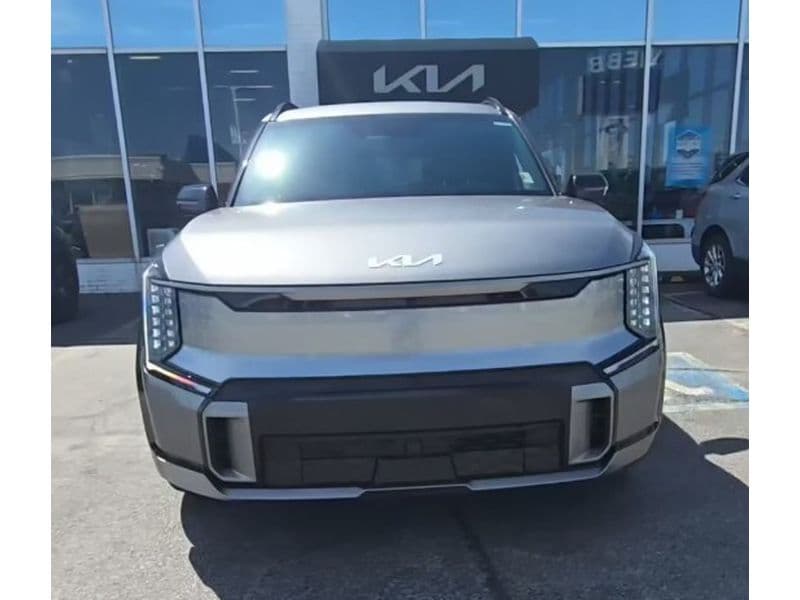
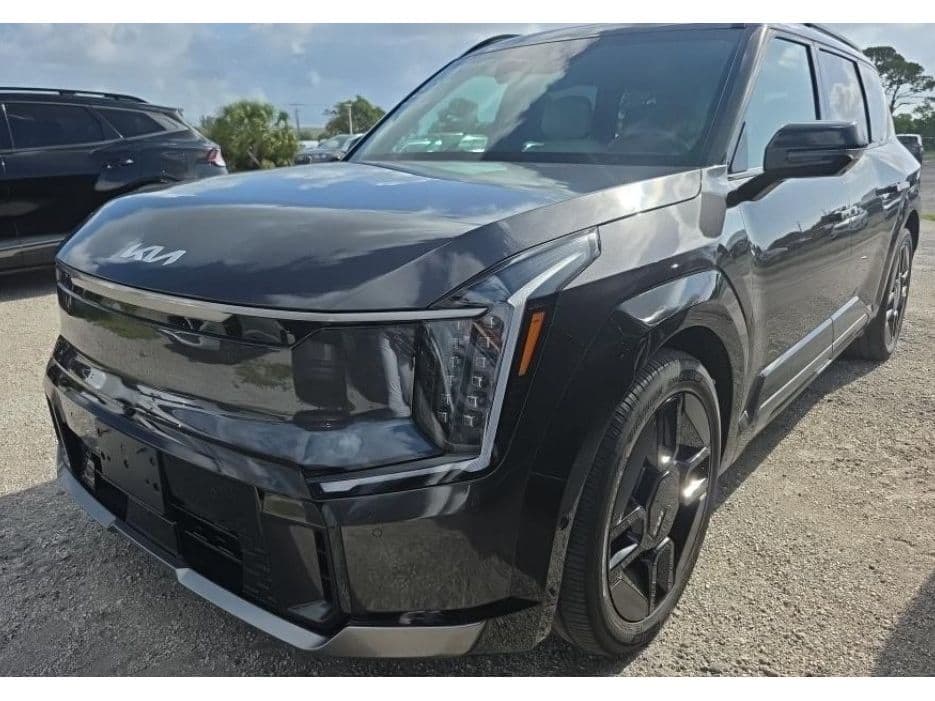
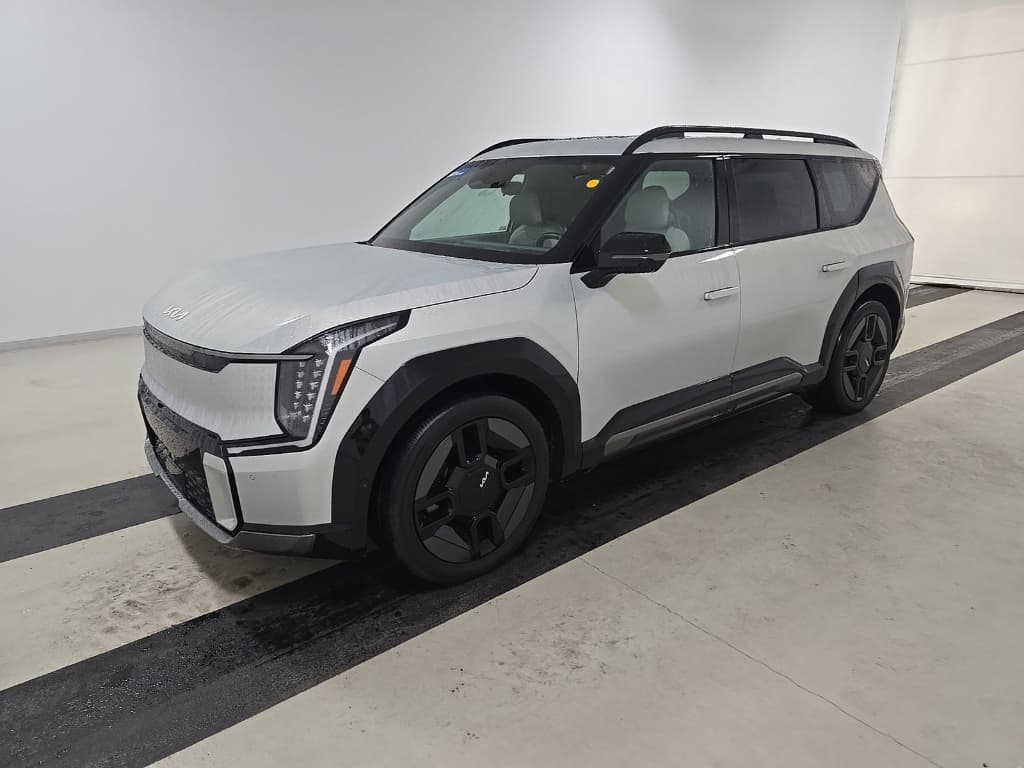
- Kia EV9 – Mainstream three‑row SUV with standard 7‑seat layout and available captain’s chairs. Around 300 miles of range and fast DC charging put it right in the sweet spot for families.
- Hyundai Ioniq 9 – Sister vehicle to EV9, also a 7 passenger electric SUV with over 300 miles of projected range and 800‑V charging, built in the U.S. and expected to qualify for federal incentives.
- Rivian R1S – Adventure‑oriented 3‑row SUV with serious off‑road capability, strong range and performance, and standard 2‑3‑2 seating.
- Mercedes‑Benz EQS SUV – Luxury three‑row with an optional 7‑seat package; focuses on comfort, refinement and tech, with a range that can exceed 300 miles.
- Cadillac Escalade IQ / IQL – All‑electric re‑imagining of Cadillac’s flagship SUV, with standard three‑row seating and an estimated 460 miles of range in some configurations.
- Lucid Gravity – New luxury three‑row SUV offering more than 800 hp and up to roughly mid‑400‑mile range, with an optional 7‑seat interior and very fast charging.
- Tesla Model X – The veteran of the group; its available 7‑seat configuration makes it a compelling used‑market option even as newer rivals arrive.
Watch for regional availability
Compare leading 7‑seat electric SUVs
Spec sheets don’t tell you how easy it is to buckle a toddler in the third row, but they’re a smart place to start. Use this high‑level comparison to narrow your list, then dig into test drives and at‑home measurements.
Electric 7‑passenger SUV snapshot (2025)
Approximate specs for some of the most important three‑row EVs U.S. shoppers will see in late 2025. Always confirm details for the exact trim you’re considering.
| Model | Seats | Approx. max range (mi) | Notable strengths | Ballpark new MSRP* |
|---|---|---|---|---|
| Kia EV9 | 6 or 7 | ~300 | Value, fast charging, family‑friendly cabin | Mid‑$50,000s and up |
| Hyundai Ioniq 9 | 6 or 7 | >300 (projected) | U.S.‑built, long range, quick charging | TBD, expected similar to EV9 |
| Rivian R1S | 7 | Up to ~390 | Off‑road ability, performance, outdoorsy image | Upper‑$70,000s and up |
| Mercedes‑Benz EQS SUV | 5 or 7 (optional third row) | 300+ (in efficient trims) | Luxury, quiet ride, high‑end tech | Low‑$90,000s and up |
| Cadillac Escalade IQ / IQL | 7 | Est. ~460 (select trims) | Huge interior, towing, long‑range touring | Around $127,000+ for IQ; IQL higher |
| Lucid Gravity | 5 or 7 (optional) | Up to mid‑400s | Range, fast charging, performance | High‑$90,000s and up |
| Tesla Model X | 6 or 7 | Up to ~330 | Mature Supercharger access, used availability | New pricing varies; used market often less |
Key numbers to compare when you’re shopping electric 7‑passenger SUVs.
Specs vs reality
Range realities in a loaded 7‑seat EV
An electric 7‑passenger SUV has the aerodynamic grace of a brick and the job of hauling your whole life at highway speeds. That’s a tough assignment for any battery. The good news: today’s three‑row EVs are designed for it. The catch is that you won’t always see the headline range number on the window sticker once you fill every seat and hitch up a trailer.
What cuts your range
- High speeds: Above 70 mph, the aero penalty on a tall SUV really shows up on the trip computer.
- Cold weather: Heating a big cabin and a big battery can easily shave 15–30% off displayed range.
- Roof boxes and bikes: Add a cargo box or bikes on the roof and you’re pushing even more air.
- Towing: Pulling a camper or boat can cut range in half, depending on weight and shape.
What helps you go farther
- Preconditioning: Warming or cooling the cabin while you’re still plugged in saves energy on the road.
- Eco modes: Softer throttle mapping and lower top‑speed limits can pay off on long trips.
- Right‑size wheels: Base wheels and tires are often more efficient than flashy 22‑inch packages.
- Smart charging stops: Shorter, more frequent fast‑charge sessions in the 10–60% window can minimize road‑trip time.
Road‑trip rule of thumb
Charging life with a big electric SUV
Living with a three‑row EV is easiest if you treat public fast charging as your road‑trip solution, not your everyday lifeline. The heavy lifting should happen at home or work, where energy is cheaper and your schedule is your own.
How 7‑passenger EVs fit into your charging routine
From weeknight homework runs to 600‑mile vacations
Everyday home charging
A Level 2 charger (240 V) can add 25–40 miles of range per hour on most big EVs. Plug in each night and you’ll rarely think about range in daily use.
If you’re new to home charging, our guide to installing a Level 2 charger is a good next step.
Fast charging on the road
Many 7‑seat EVs can accept 200–350 kW DC fast charging. In practice, that means roughly 15–30 minutes to go from low state of charge back up to 60–80%.
Models using the North American Charging Standard (NACS) or including NACS adapters can also tap into Tesla’s Supercharger network.
Charging with kids on board
Think in 90‑minute chunks. Plan stops around food, bathrooms, and playgrounds rather than chasing a perfect charging curve. A well‑timed 20‑minute fast charge feels shorter if everyone’s already out of the car.
Don’t skip the home‑charging math
Buying new vs used electric 7‑passenger SUVs
New three‑row EVs are arriving fast, but the used market is where many families can actually make the numbers work. Tesla’s Model X, early Mercedes EQS SUVs, and first‑run luxury 7‑seaters are already showing up at substantial discounts compared with their original MSRPs.
When a new 7‑seat EV makes sense
- You need maximum range: Latest‑generation batteries and efficiency tricks can add dozens of miles compared with older models.
- You want NACS from day one: Many 2026‑onward EVs include native NACS ports or adapters for Tesla Superchargers.
- Tax credits help the math: Depending on where the vehicle is built and your income, federal and state incentives can knock thousands off the price.
- You plan to keep it 8–10 years: Stretch the cost across a long ownership window and enjoy the full warranty.
Why used can be a smart play
- Big depreciation: Some luxury 7‑seat EVs lose value quickly, turning a six‑figure MSRP into a more approachable used price.
- Real‑world track record: You can see how batteries and electronics are holding up after several years on the road.
- Shorter commitment: A 3–5‑year‑old EV can be a great "trial run" if you’re not ready to commit to a brand‑new platform.
- More choices right now: In some regions there are more used 6‑ and 7‑seat EVs available than factory‑fresh ones, especially if you count plug‑in hybrids.
How Recharged fits in
Ready to find your next EV?
Browse VehiclesHow to inspect a used 7‑seat EV (battery first)
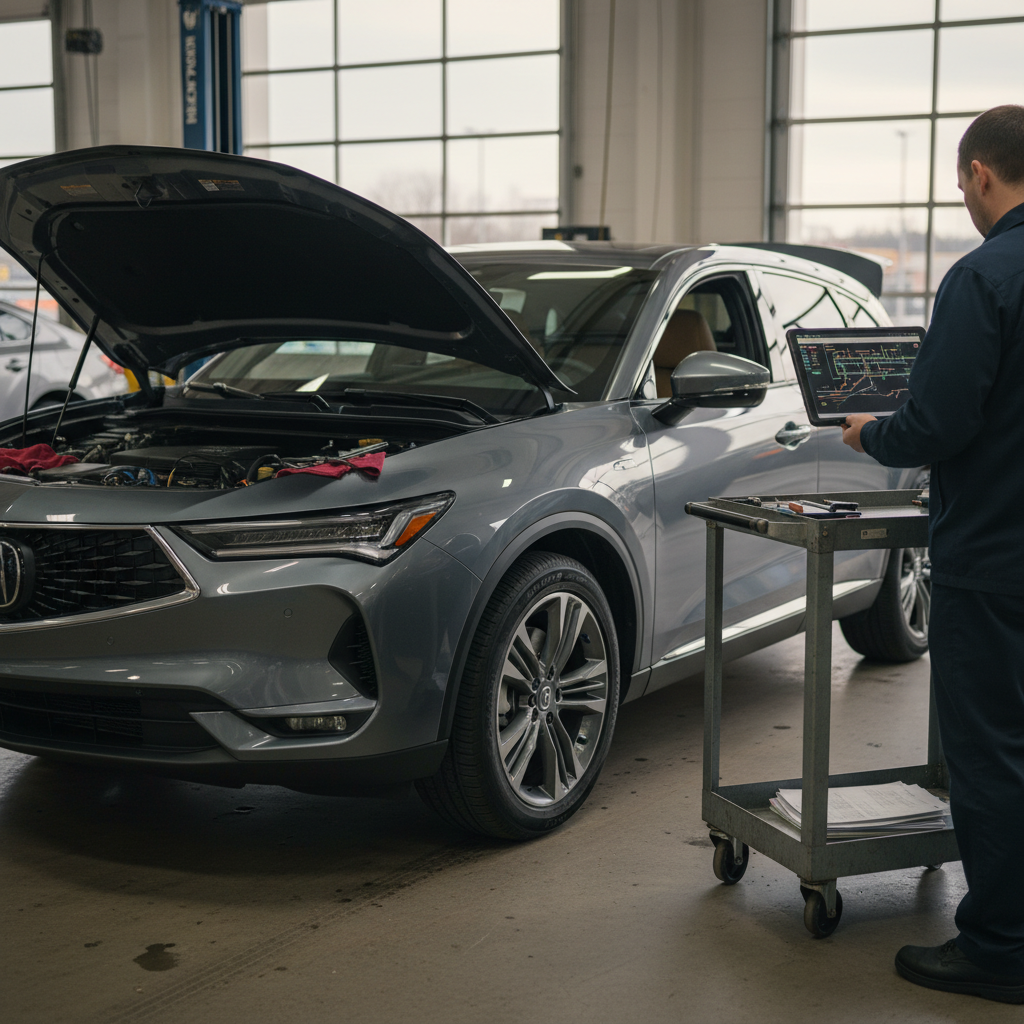
A three‑row EV is a rolling family room. You’ll check for Goldfish crackers in the seat tracks and dings on the tailgate, of course, but the make‑or‑break component is the battery pack. Here’s how to approach a used 7‑passenger EV like a pro.
Seven essentials when evaluating a used electric 7‑passenger SUV
1. Start with a battery health report
Ask for a recent battery health assessment or state‑of‑health estimate. On Recharged, this is baked into the Recharged Score, but even outside the platform you should insist on data, not guesses.
2. Compare state of charge to estimated range
On a test drive, note the state of charge and projected remaining miles. Does it line up with what you’d expect for that model year and pack size? Big discrepancies could be a red flag.
3. Check charge‑port and cable condition
Inspect the charge port, rubber seals, and any included cables. Corrosion, bent pins, or excessive wear can hint at rough use or exposure to the elements.
4. Confirm fast‑charging performance
If possible, do a quick DC fast‑charge session from a low state of charge and watch the charging curve. Sluggish speeds can indicate software limits, pack issues, or simply needing a software update.
5. Sit in every seat
Climb into the second and third rows yourself. Check headroom, legroom, child‑seat anchors, and how easy it is to get in and out. If you dread using the third row, your kids will too.
6. Measure cargo space with seats up
Family life happens with all three rows deployed. Bring a stroller, sports gear, or a suitcase and make sure the rear hatch can swallow your real‑world loadout.
7. Review software and warranty status
Ask which over‑the‑air updates are installed and how much of the battery and drivetrain warranty remains. A few extra years of coverage can make a big difference in peace of mind.
Is an electric 7‑passenger SUV right for you?
A three‑row electric SUV is wonderful at some jobs and overkill at others. The trick is being honest about how you live, not just how you wish you lived on Instagram.
Who benefits most from an electric 7‑seat SUV?
Suburban families with predictable routines
Daily school runs, practices and errands that stay well within 200 miles of home.
Garage or driveway where a Level 2 charger is feasible.
Frequent use of three rows but only occasional long‑distance road‑trips.
Road‑trip lovers who hate gas stations
Regular multi‑state trips where DC fast‑charge networks are dense enough to keep you moving.
Appreciation for quiet cruising, one‑pedal driving and smooth electric torque.
Willingness to plan charging stops the way you once planned fuel and lunch stops.
Luxury and tech seekers
Prioritize a serene cabin, advanced driver‑assist systems and cutting‑edge infotainment.
Comfortable paying a premium for brands like Mercedes‑Benz, Lucid or Cadillac.
See the vehicle as both transportation and rolling living room or office.
Towing and adventure families
Own a camper, boat or small trailer and want the instant torque and control of an EV.
Live near or frequently visit areas with fast chargers along your towing routes.
Are realistic about reduced range while towing and can plan around it.
When a 7‑seat EV might not fit
FAQ: Electric 7‑passenger SUVs
Frequently asked questions about electric 7‑seat SUVs
The era of the electric 7‑passenger SUV has finally begun. Whether you’re drawn to the value and practicality of a Kia EV9, the over‑the‑top luxury of an Escalade IQ, or the adventure‑ready stance of a Rivian R1S, there’s now a way to carry seven people without burning a drop of gasoline. The key is to match the vehicle to your real life, your commute, your road‑trips, your towing, and your budget, and to buy with clear eyes about range and charging. Do that, lean on solid battery‑health data, and a three‑row EV can turn family logistics into something you actually look forward to.