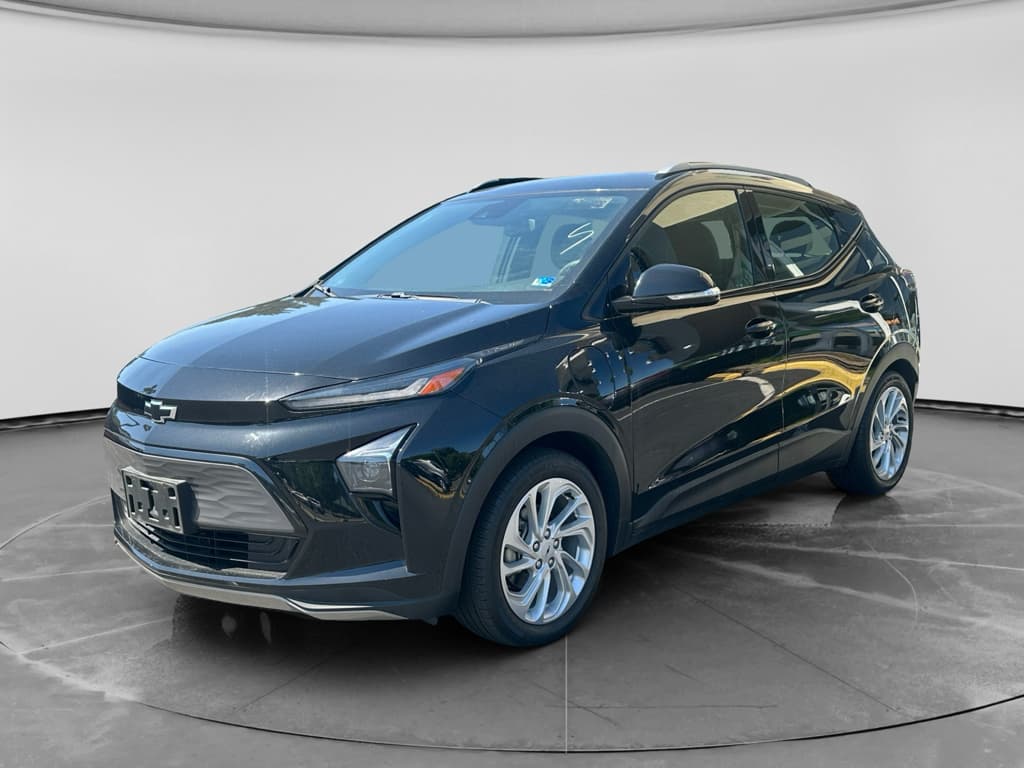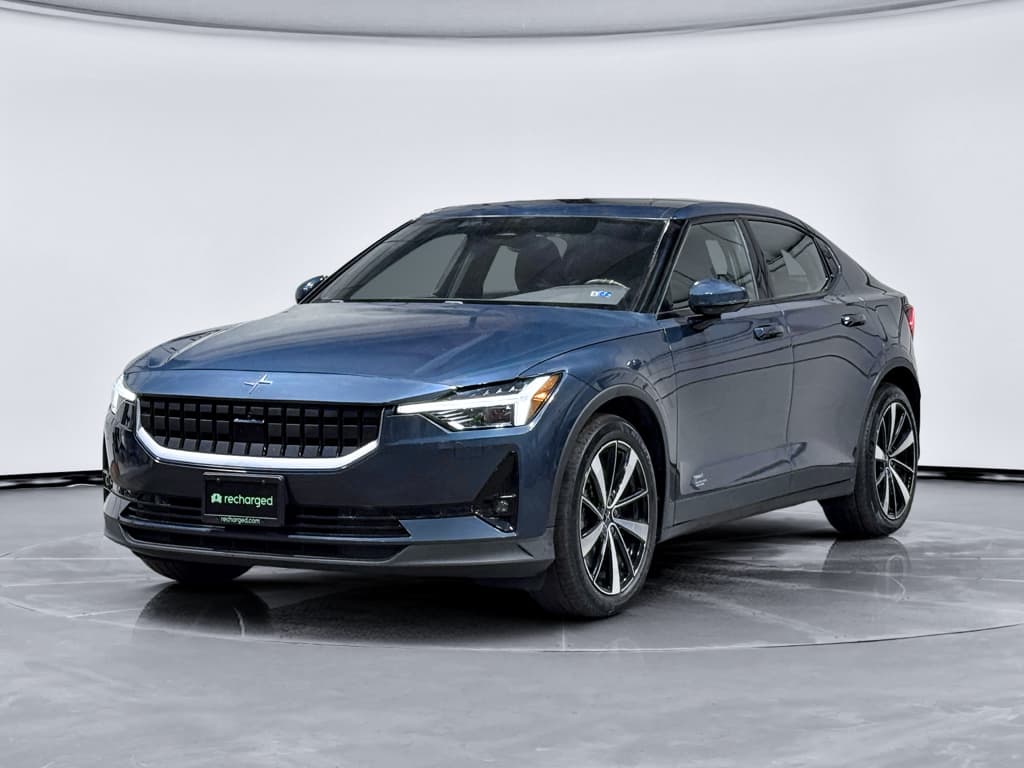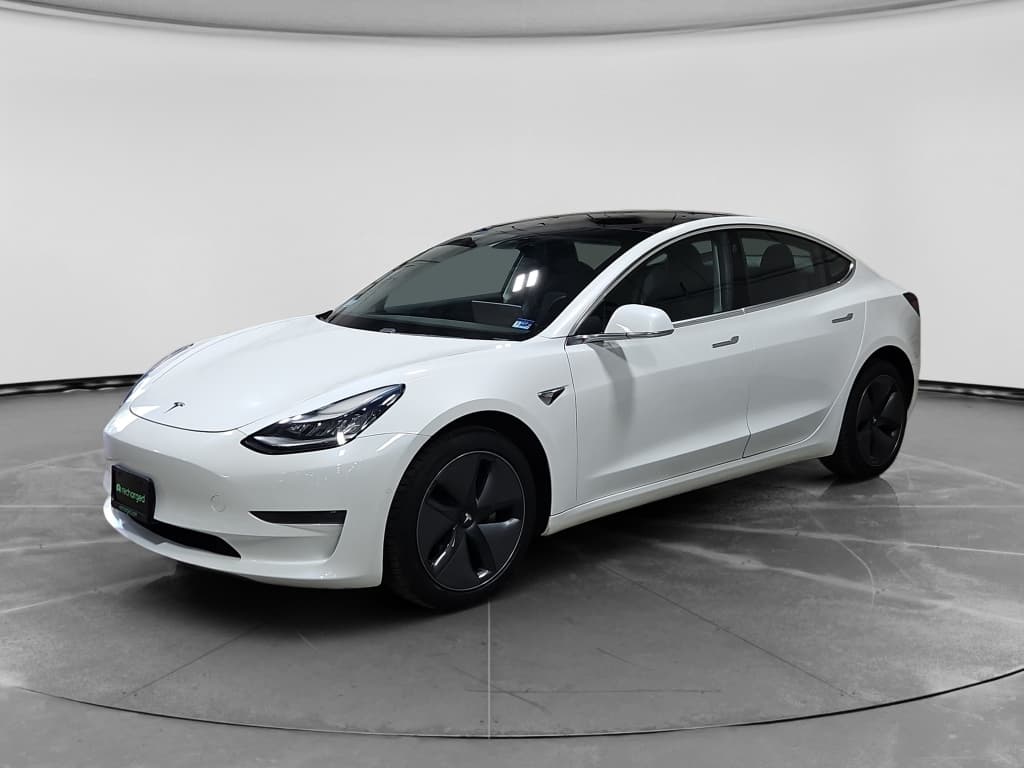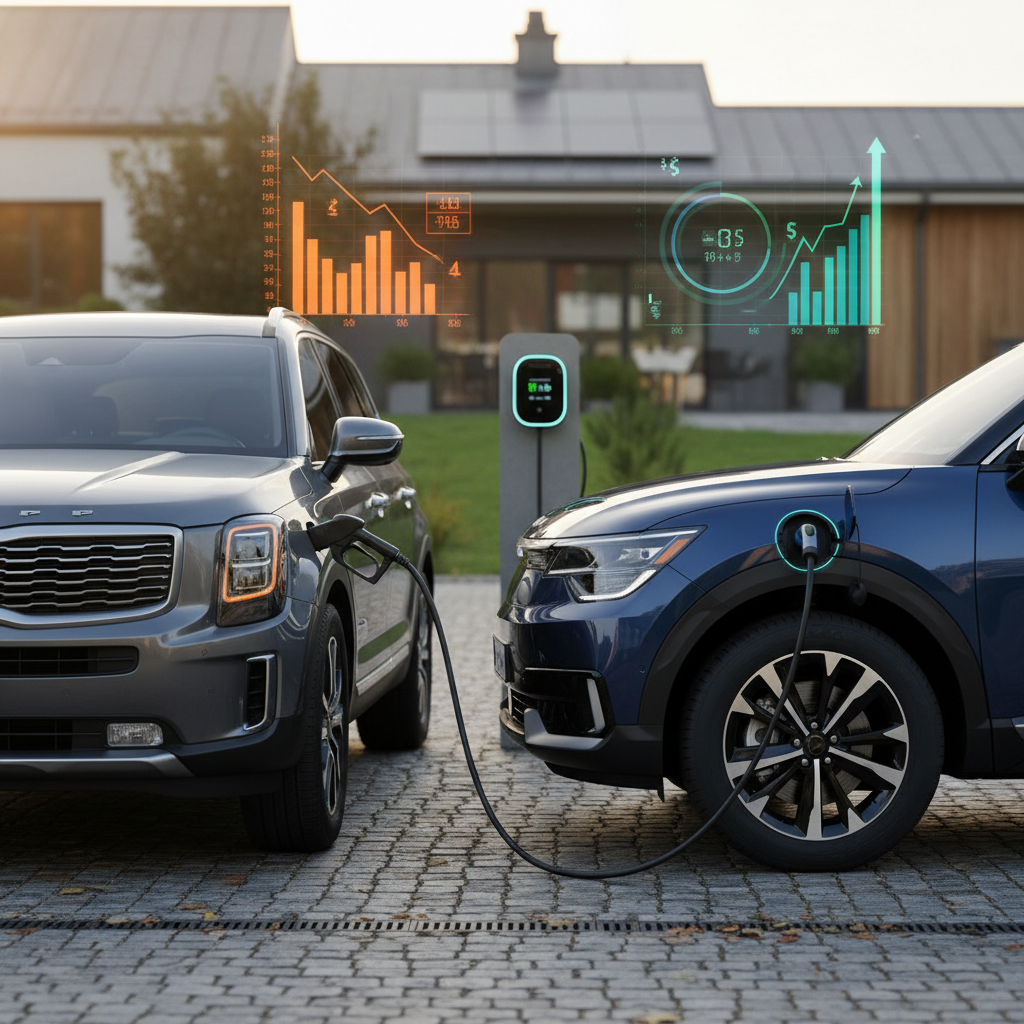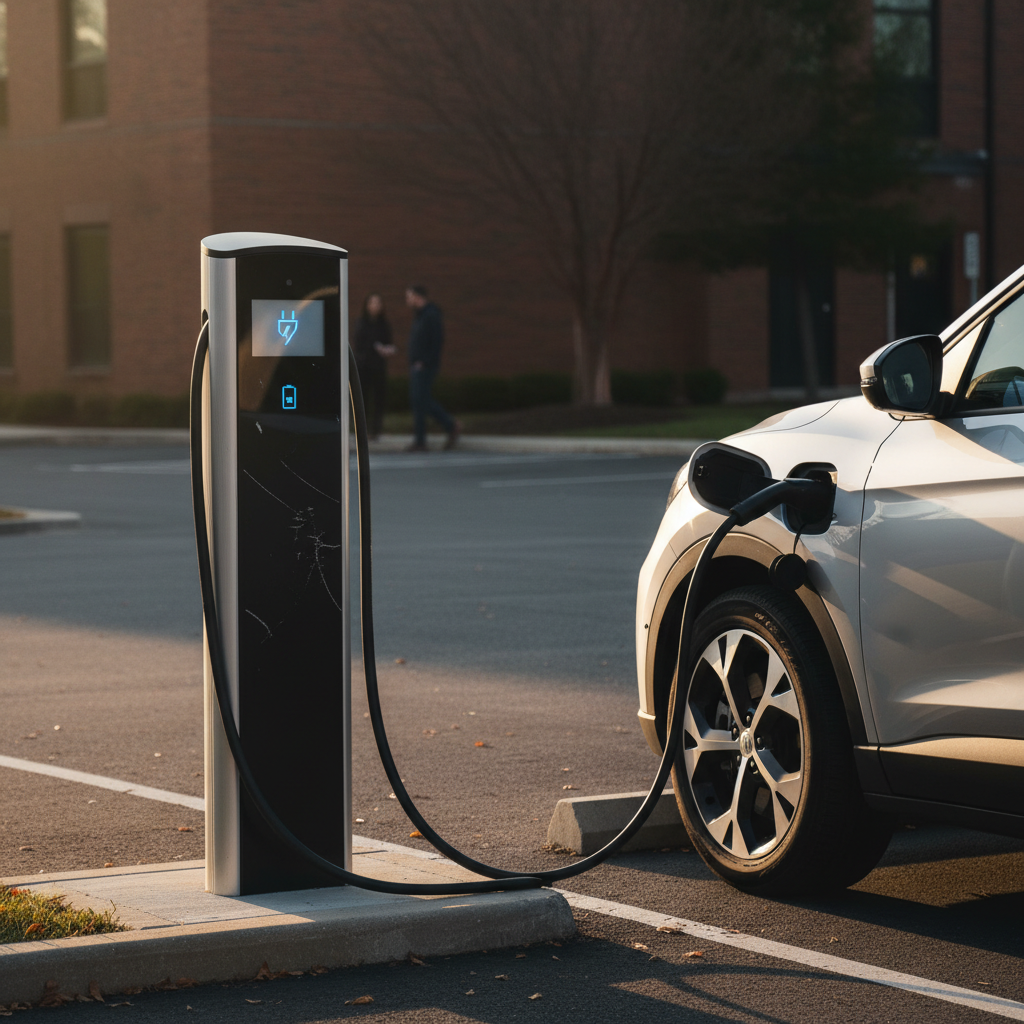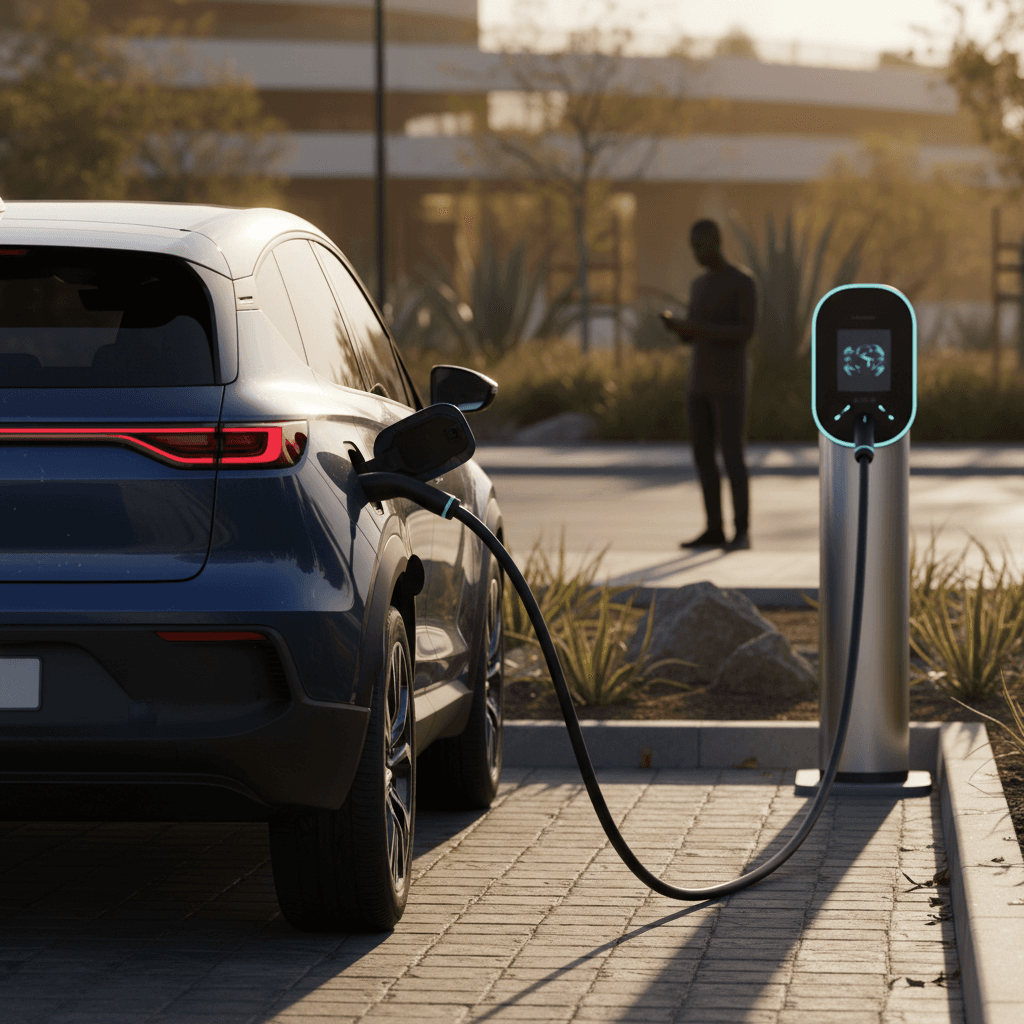
If you’ve been thinking about an elctric vehicle (yes, even if you typed it that way into a search bar), you’re not alone. EVs are moving from niche to mainstream, and 2025 is a tipping point where choice, charging, and prices are finally lining up for everyday drivers in the United States.
EVs are no longer a science project
What is an electric vehicle, really?
An electric vehicle (EV) is any car, SUV, or truck that uses an electric motor for propulsion and stores energy in a battery pack you recharge from an external source. The key difference from a conventional car is simple: no gasoline engine doing the work. Instead, you have a battery and an electric motor turning that energy into motion.
- Battery electric vehicles (BEVs): Run only on electricity. You plug in to charge and never visit a gas station.
- Plug‑in hybrid electric vehicles (PHEVs): Have both a battery and a gasoline engine. You can drive on electricity for shorter trips, then gasoline takes over for longer drives.
- Hybrid electric vehicles (HEVs): Use a small battery and motor to assist a gasoline engine, but you don’t plug them in. They’re not typically what people mean when they say “electric vehicle” today.
Think in terms of daily miles
Why electric vehicles are growing so fast
Electric vehicle momentum in 2025
Multiple forces are pushing EV adoption forward at once. Governments want lower emissions. Automakers are pouring billions into new electric platforms. Batteries are getting cheaper and more capable. And drivers are discovering that an EV can be smoother, quieter, and often cheaper to run than a comparable gasoline vehicle.
Key benefits of electric vehicles
How an electric vehicle works in plain English
Conventional gasoline car
- Stores energy as gasoline in a tank.
- Burns fuel in an internal combustion engine, creating heat and exhaust.
- Needs multi‑speed transmission, oil changes, spark plugs, and complex emissions hardware.
Battery electric vehicle (BEV)
- Stores energy as electricity in a large battery pack (measured in kWh).
- Uses an electric motor: instant torque, smooth acceleration, no gear shifts.
- Far fewer moving parts, no oil, no fuel system, no exhaust or multi‑gear transmission.
Most modern EVs place the battery pack in the floor of the vehicle, which lowers the center of gravity and helps handling. The motor (or motors) can be at the front, rear, or both axles, enabling front‑, rear‑, or all‑wheel drive. Power electronics manage how quickly energy flows between the battery and motor, and software coordinates everything behind the scenes.
Battery is not the whole story
EV charging basics: Level 1, Level 2, and DC fast charging
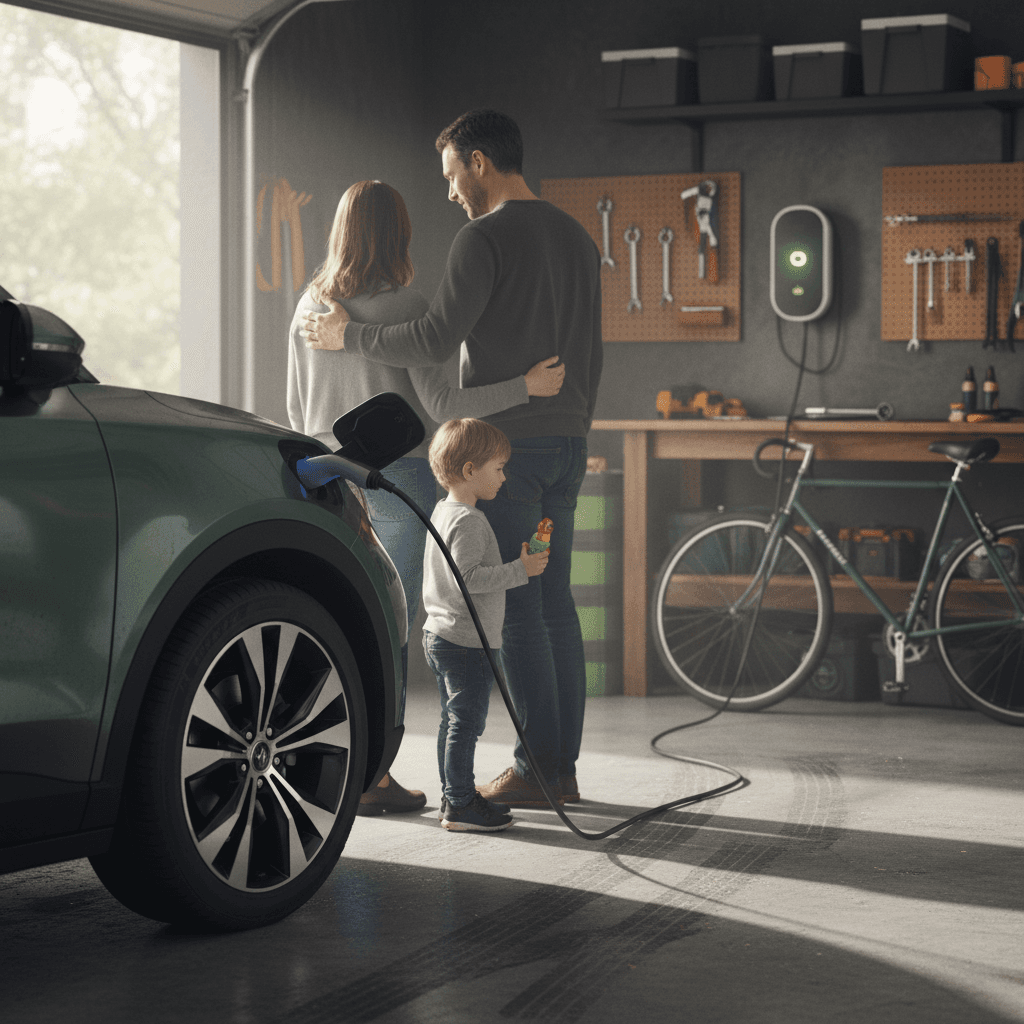
Charging is where many first‑time shoppers get intimidated, but it doesn’t need to be complicated. Think of it in three tiers: slow but simple, ideal daily charging, and road‑trip fast charging.
Common charging options for electric vehicles
How the main charging levels differ in speed, typical use, and where you’ll find them.
| Charging level | Voltage (U.S.) | Typical location | Approx. speed | Best for |
|---|---|---|---|---|
| Level 1 | 120V | Any standard household outlet | 2–4 miles of range per hour | Overnight top‑ups, low‑mileage drivers |
| Level 2 | 240V | Home garage, workplaces, public stations | 15–40 miles of range per hour | Daily charging for most EV owners |
| DC fast charging | 400–800V DC | Highway corridors, some urban hubs | 150–1,000+ miles of range per hour (in a short session) | Road trips and quick top‑ups on the go |
Real‑world charging speeds vary by vehicle model, battery size, and weather, but these ranges are a solid starting point.
Start with home charging first
Many used EVs come with portable Level 1 or Level 2 charging cords. Before you buy, it’s smart to confirm what’s included and what kind of outlet you have at home. If you’re in an apartment or condo, look for workplace charging, nearby public Level 2 stations, or landlords who are adding EV infrastructure.
Range, battery life, and real-world performance
Today’s mainstream electric vehicles commonly offer between 220 and 320 miles of rated range, with some trucks and premium models stretching beyond that. In daily use, your actual range will depend on speed, temperature, driving style, and how often you use climate control.
- Highway speeds reduce range more than city driving because of aerodynamic drag.
- Cold weather can temporarily reduce range, especially if you pre‑heat the cabin from the battery rather than while plugged in.
- Fast charging is great for trips, but frequent DC fast charging can age a battery a bit faster than slower home charging.
- Payload and towing matter; EV trucks carrying heavy loads will see a noticeable range hit.
Battery longevity in perspective
Watch for uneven battery wear
What an electric vehicle really costs to own
Sticker price is only one part of the story. Electric vehicles can look more expensive on the window sticker but cheaper once you factor in fuel, maintenance, and incentives. To get a clear picture, you want to focus on total cost of ownership over several years.
Key pieces of EV ownership cost
Look beyond the sticker to understand what you’ll really spend.
Energy costs
Electricity is typically cheaper per mile than gasoline, especially if you can charge at home overnight on a standard residential rate or dedicated EV plan.
Maintenance
No oil changes, fewer fluids, and far fewer moving parts mean lower routine maintenance. You’ll still need tires, wipers, and occasionally brakes.
Incentives & taxes
Federal and state incentives, plus local perks like HOV lane access or reduced registration fees, can meaningfully lower your effective cost.
Compare monthly, not just purchase price
Used EVs can be an especially strong value because the market is still figuring out how to price them relative to comparable gas vehicles. A three‑ to five‑year‑old EV with a healthy battery can deliver years of low operating costs at a substantial discount from new.
Buying a used electric vehicle with confidence
Shopping for a used electric vehicle isn’t identical to shopping for a used gasoline car. You don’t have to worry about transmission failures or oil leaks, but you do need to understand battery health, charging hardware, and software support. The good news: once you know what to look for, it’s very manageable.
Used EV buying checklist
1. Check battery health
Ask for objective battery diagnostics rather than guesses based on range. At Recharged, every vehicle includes a <strong>Recharged Score</strong> report with verified battery health so you know what you’re getting.
2. Confirm charging compatibility
Make sure the vehicle’s charging port fits the networks you plan to use (for example, CCS, NACS, or CHAdeMO on older models) and that any necessary adapters are included.
3. Review warranty coverage
Many EVs carry separate battery and drivetrain warranties that can extend well beyond the basic bumper‑to‑bumper coverage, especially valuable on a used purchase.
4. Inspect charging equipment
Verify that the mobile charging cable and any home charger being sold with the car are in good condition and properly matched to the vehicle’s maximum charging rate.
5. Look at software and updates
Check whether the vehicle supports over‑the‑air updates, current navigation maps, and the latest driver‑assistance features you care about.
6. Take a thorough test drive
During your drive, pay attention to range estimates, any warning lights, charging port operation, and how regenerative braking feels in daily traffic.
How Recharged simplifies used EVs
Ready to find your next EV?
Browse VehiclesIncentives, policies, and where they’re heading
EV incentives have been a moving target in the United States. Federal tax credits now depend on where a vehicle and its battery components are built, and individual states layer on their own rebates, tax breaks, or utility‑bill discounts. On top of that, political debates over future EV mandates and fuel‑economy rules mean policies can change more quickly than brochures are updated.
- Federal Clean Vehicle Tax Credit: Still available for qualifying new EVs assembled in North America that meet battery sourcing rules, but the list changes regularly.
- Used EV tax credit: In some cases, qualifying used EVs can receive a federal credit up to a capped amount, subject to income and price limits.
- State and local incentives: These can include point‑of‑sale rebates, reduced registration fees, HOV lane access, and special electricity rates for home charging.
- Utility programs: Some utilities help cover the cost of home charger installation or offer time‑of‑use rates that reward overnight charging.
Always verify current incentives
Is an electric vehicle right for you?
EVs aren’t one‑size‑fits‑all, but there are some clear patterns. For a lot of households, especially those with predictable daily driving and access to overnight charging, an EV already fits beautifully. For others, very high annual mileage, frequent long‑distance towing, or no reliable access to charging, the calculus is more nuanced.
Common driver profiles and how EVs fit
Daily commuter (up to ~60 miles/day)
Home or workplace charging makes EV ownership almost seamless.
A 220–280‑mile EV can easily cover your week with just a couple of charges.
Look for high efficiency so your electricity bill stays low.
Suburban family with road trips
A mid‑ or large‑size EV SUV can handle school runs and errands on home charging.
For holiday trips, plan routes around DC fast chargers and allow extra time for charging breaks.
Consider pairing an EV with a gasoline or hybrid second vehicle if you’re nervous about occasional long hauls.
Apartment or condo resident
Prioritize access to reliable public Level 2 charging or workplace charging.
A smaller, more efficient EV helps stretch every kWh and minimize charging stops.
Portable charging cables and adapter flexibility matter more in your case.
High‑mileage or rural driver
Map out fast‑charging networks along your typical routes before committing.
Consider EVs with longer range and faster DC charging speeds.
In very remote areas, a plug‑in hybrid may currently be a better compromise.
Test the lifestyle, not just the car
Electric vehicle FAQ
Frequently asked electric vehicle questions
Electric vehicles have matured quickly from curiosity to compelling everyday transportation. If you match the right EV to your driving habits and charging options, and if you pay close attention to battery health when buying used, you can enjoy quiet, responsive performance and lower running costs than a comparable gasoline car. And if you’d like expert help evaluating a used elctric vehicle specifically, Recharged is built from the ground up to make that decision simpler, more transparent, and a lot less stressful.