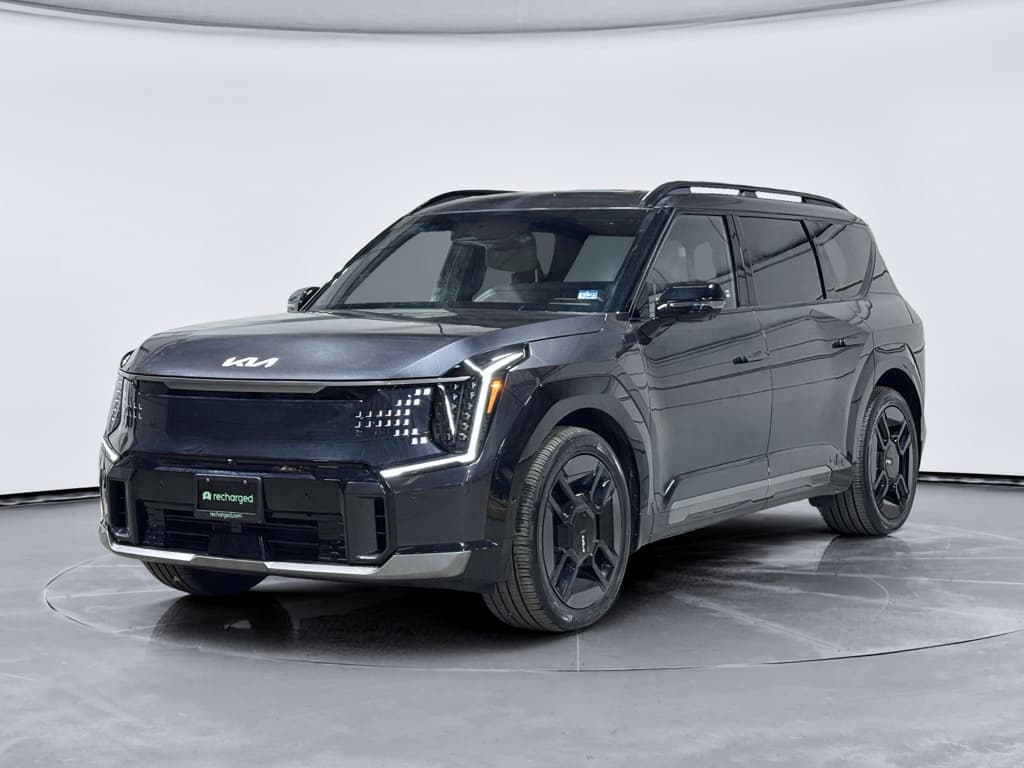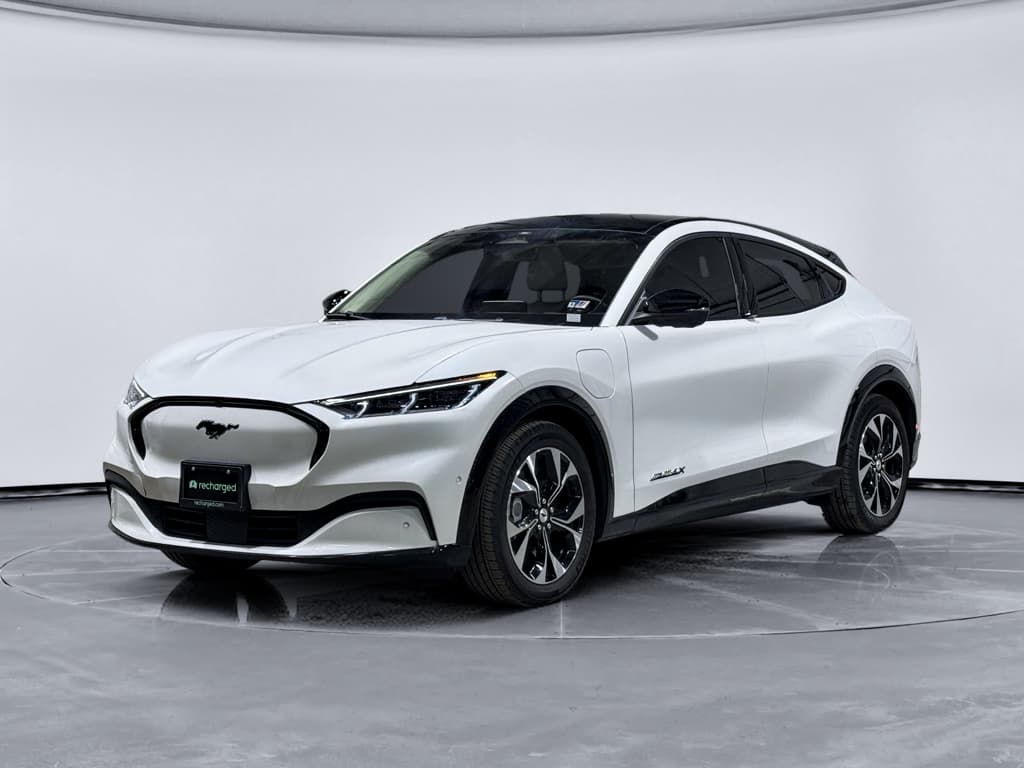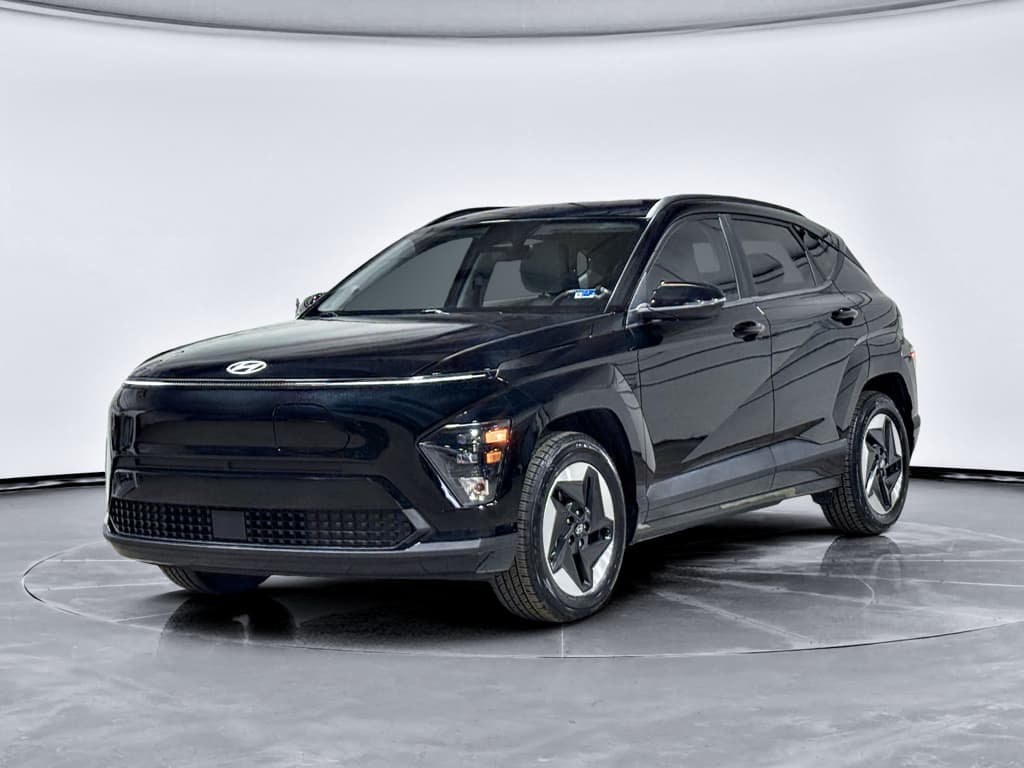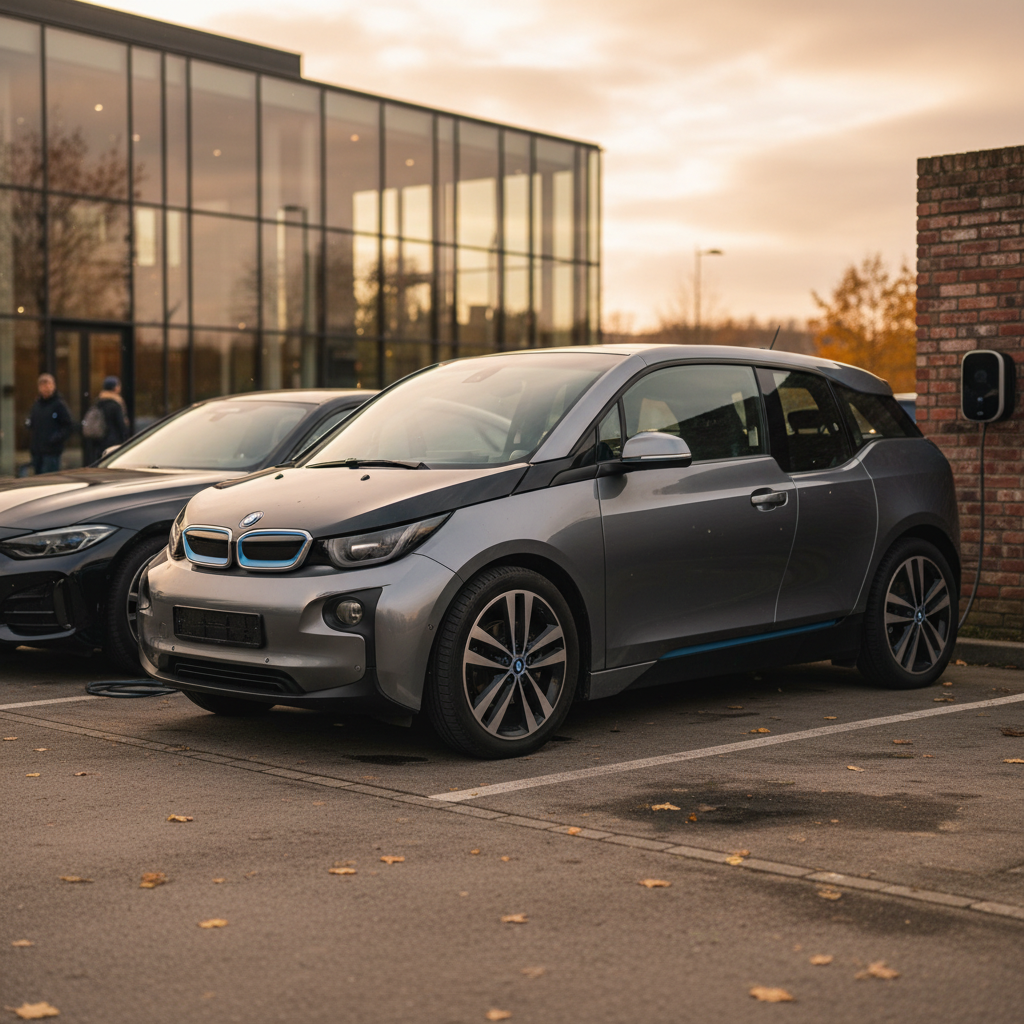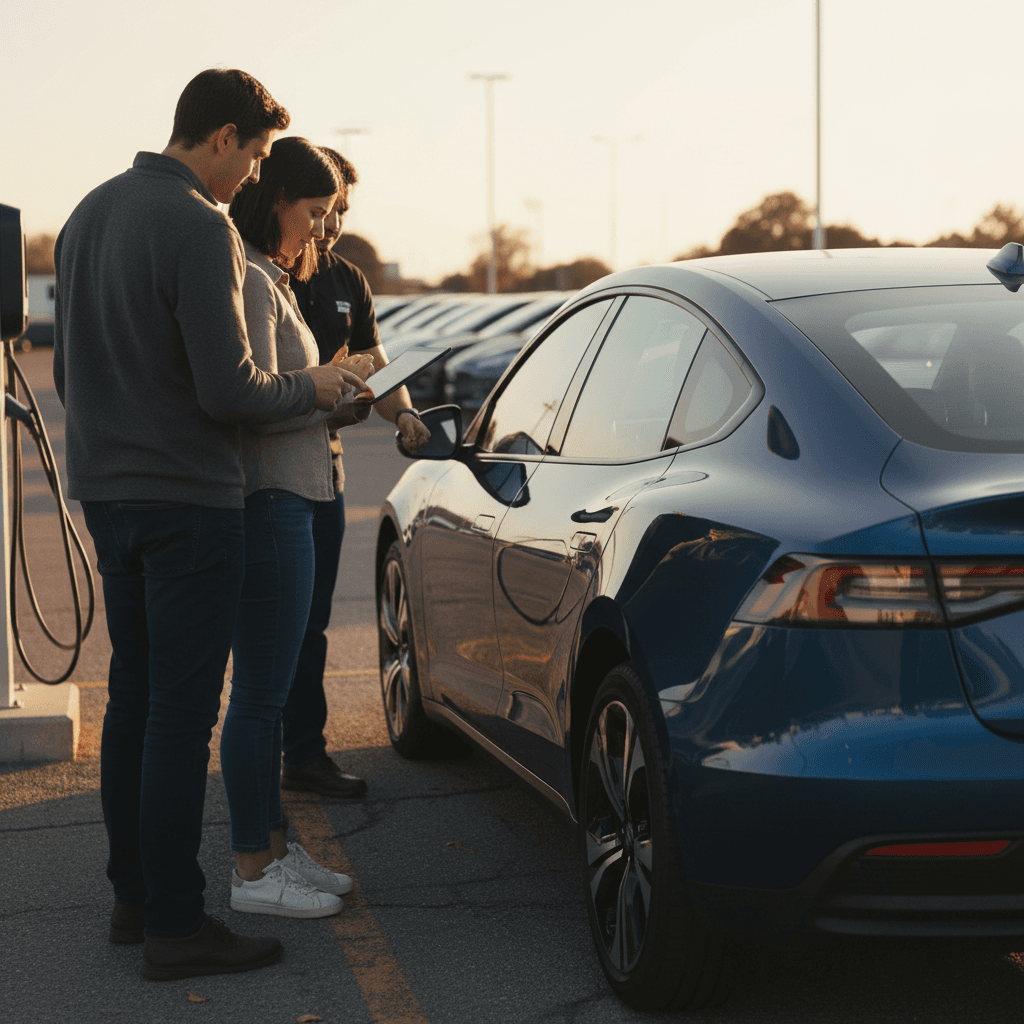
If you spend time on European auto sites, you’ve probably seen the word “e‑auto”. It’s simply short for “electric automobile” or electric car. Whether you call it an e‑auto, EV or BEV, you’re looking at the same big shift: cars powered by batteries instead of gasoline. This guide walks you through what that actually means for you in 2025, costs, charging, pros and cons, and how to shop smart, especially if you’re considering a used electric car.
Quick definition
What is an e‑auto, exactly?
At its core, an e‑auto is any car that uses electricity as its primary fuel. That includes fully electric cars (battery electric vehicles or BEVs) and, depending on who you ask, plug‑in hybrids (PHEVs) that can drive some miles on battery power before a gas engine kicks in. When most people talk about e‑autos in 2025, though, they mean fully electric cars, no tailpipe, no gas tank.
- Battery electric vehicle (BEV): 100% electric, charged from the grid. This is what most people mean by e‑auto today.
- Plug‑in hybrid (PHEV): Electric for short trips, gasoline for longer drives. Counts as an e‑auto in some statistics, but ownership feels closer to a hybrid.
- Hybrid (HEV): No plug, gas engine plus small battery. Not typically called an e‑auto, even if marketing suggests otherwise.
Watch the fine print
Why e‑autos are taking over the market
E‑autos are no longer niche
Global EV sales have climbed sharply since 2020, and 2024–2025 kept that momentum going. China leads in volume, Europe in market share, and the US is steadily catching up. Policy incentives, more model choices and falling battery costs are pushing e‑autos into the mainstream. At the same time, used EV inventory is growing fast as early adopters trade up, opening the door for value‑focused buyers.
Why this matters to you
How an e‑auto works in plain English
Main components of an e‑auto
- Battery pack: Stores energy, measured in kilowatt‑hours (kWh). Bigger battery = more range, higher cost.
- Electric motor: Turns electricity into motion. Delivers instant torque, which is why EVs feel so quick.
- Onboard charger: Manages AC charging from home or workplace outlets.
- Inverter and electronics: Control power flow and protect the battery.
Charging and driving
- Plug in to charge: At home (120V or 240V), at work, or at public stations.
- Regenerative braking: The motor works in reverse when you slow down, putting energy back into the battery.
- Software‑centric: Many e‑autos get over‑the‑air updates that can tweak efficiency, features, even range estimates.
Range in context
E‑auto pros and cons you should weigh
Key advantages and trade‑offs of e‑autos
Where electric cars shine, and where they still ask for compromise
Major advantages
- Lower running costs: Electricity is typically cheaper per mile than gasoline, especially with home charging.
- Less maintenance: No oil changes, fewer moving parts, no exhaust system.
- Quiet, quick drive: Instant torque and near‑silent operation improve day‑to‑day comfort.
- Incentives: Federal and state programs can reduce purchase or charging costs, especially for qualifying models.
Real‑world downsides
- Higher upfront price: New e‑autos often cost more than similar gas cars, even as prices fall.
- Charging access: Apartment living or no dedicated parking can make ownership tricky.
- Range in winter: Cold weather and high speeds can temporarily cut usable range.
- Battery uncertainty used: On older EVs, battery health varies widely, that’s where data matters.
Don’t ignore the battery
What an e‑auto really costs to own
Sticker price only tells part of the story. With an e‑auto, total cost of ownership, purchase price, fuel, maintenance, taxes and resale value, often looks better than it does for a comparable gasoline car, especially if you drive more than 10,000–12,000 miles a year.
Typical cost differences: e‑auto vs. gas car (simplified example)
Illustrative comparison for a compact SUV driven 12,000 miles per year in the US. Actual numbers vary by state, electric rates and fuel prices.
| Category | E‑auto (EV) | Gas car |
|---|---|---|
| Purchase price (new) | Higher upfront | Lower upfront |
| Fuel cost per mile | Lower (home charging) | Higher (gasoline) |
| Maintenance over 5 years | Generally lower | Higher (oil, brakes, engine) |
| Tax credits/incentives | Available for some models | Rare |
| Resale value trend | Improving as demand grows | Stable but exposed to fuel‑price swings |
Use these figures as directionally accurate, not as a quote. Always run the math for your specific situation.
Run your own numbers
Charging an e‑auto: Home, work and public

Charging is the biggest mental hurdle for many first‑time e‑auto shoppers. In practice, most owners find a rhythm quickly. The key question is where your car sleeps at night and what kind of outlets you can access there.
Three main ways to charge an e‑auto
Think about which mix fits your daily life before you buy
Level 1 – 120V outlet
- Uses a standard household outlet.
- Slow: roughly 3–5 miles of range per hour.
- Fine for low‑mileage drivers or plug‑in hybrids.
Level 2 – 240V home/work
- Dedicated 240V circuit, like an electric dryer.
- Typically adds 20–40 miles of range per hour.
- Best solution for most e‑auto owners with off‑street parking.
DC fast charging
- High‑power public stations along highways and in cities.
- Can add 60–200+ miles in 20–40 minutes on compatible cars.
- Great for road trips, not ideal as your only charging source.
Apartment and street parking realities
Buying a used e‑auto: battery health is everything
The used e‑auto market has matured quickly. Three‑ to six‑year‑old EVs are hitting dealer lots and online marketplaces in volume, often at prices that undercut new gas cars. But not all used EVs are equal, especially when it comes to the battery.
- State of health (SoH): A percentage that compares the current battery capacity to when it was new. A pack at 92% SoH will deliver less range than a fresh pack, but may still be perfectly acceptable for daily driving.
- Fast‑charging history: Frequent DC fast charging, especially in hot climates, can accelerate degradation on some chemistries.
- Previous use: Fleet or rideshare vehicles may have high mileage but good maintenance; short‑trip city cars may show more wear than the odometer suggests.
- Software limits: Some vehicles mask battery degradation behind software; others show it clearly in the display or app.
Why diagnostics beat guesswork
How Recharged makes buying an e‑auto simpler
Recharged exists for one reason: to make used e‑auto ownership simple and transparent. Instead of leaving you to decode battery readouts and auction sheets, every vehicle on the platform comes with a data‑driven Recharged Score Report so you know what you’re buying.
What you get when you shop an e‑auto with Recharged
Tools and services designed specifically around electric cars
Recharged Score battery health diagnostics
Fair market pricing
Financing and trade‑in
Ready to find your next EV?
Browse VehiclesA buying experience built around EVs
From first search to delivery, the process is designed for electric
Fully digital shopping
EV‑specialist support
Experience Center in Richmond, VA
Checklist: 8 questions to answer before you buy
E‑auto readiness checklist
1. How many miles do you drive most days?
Look at your typical weekday and your busiest day of the week. If you’re usually under 60–80 miles a day, most modern e‑autos will feel easy to live with.
2. Where will the car park overnight?
Garage, driveway, carport or street? Your parking situation drives your charging strategy. If you can install Level 2 at home, ownership is much simpler.
3. What charging options can you realistically use?
Check for workplace charging, nearby public stations and the cost of adding a 240V circuit at home. The more options you have, the more models will work.
4. How often do you take long road trips?
If you do several 300‑ to 600‑mile trips a year, prioritize e‑autos with faster DC charging and better highway efficiency, and map out charging stops in advance.
5. Is a new or used e‑auto a better fit?
New cars may qualify for federal tax credits and the latest tech. Used cars offer lower prices and more choice, but make sure you have clear battery health data.
6. What’s your realistic budget, all‑in?
Think beyond the payment. Include electricity, any increase in your home panel capacity, insurance and public charging in your monthly budget.
7. How long do you plan to keep the car?
If you tend to keep cars 7–10 years, pay extra attention to battery warranty coverage and degradation history. Data from a Recharged Score Report can help here.
8. Who will support you after the sale?
With an e‑auto, good post‑sale support matters. Look for EV‑savvy service networks, software update policies and marketplaces like Recharged that stay involved beyond delivery.
FAQ: Common questions about e‑autos
Frequently asked questions about e‑autos
The bottom line on e‑autos in 2025
E‑autos have moved from curiosity to mainstream option, with one in four new cars sold globally now running on electricity. For many drivers in the US, especially those with off‑street parking and predictable daily miles, an electric car can be cheaper to own, smoother to drive and easier to live with than a comparable gas model.
The key is to go in with clear eyes: understand how you’ll charge, how much range you actually need, and, if you’re buying used, exactly how healthy the battery is. That’s where data‑driven tools like the Recharged Score Report, fair‑market EV pricing and EV‑savvy support can turn a complicated decision into a confident one.
If you’re ready to see what an e‑auto could look like in your driveway, explore used EVs on Recharged, run the numbers on total cost of ownership, and take your time. The technology is mature, the market is broad, and with the right information, your first e‑auto doesn’t have to be a leap of faith, it can simply be your next car.