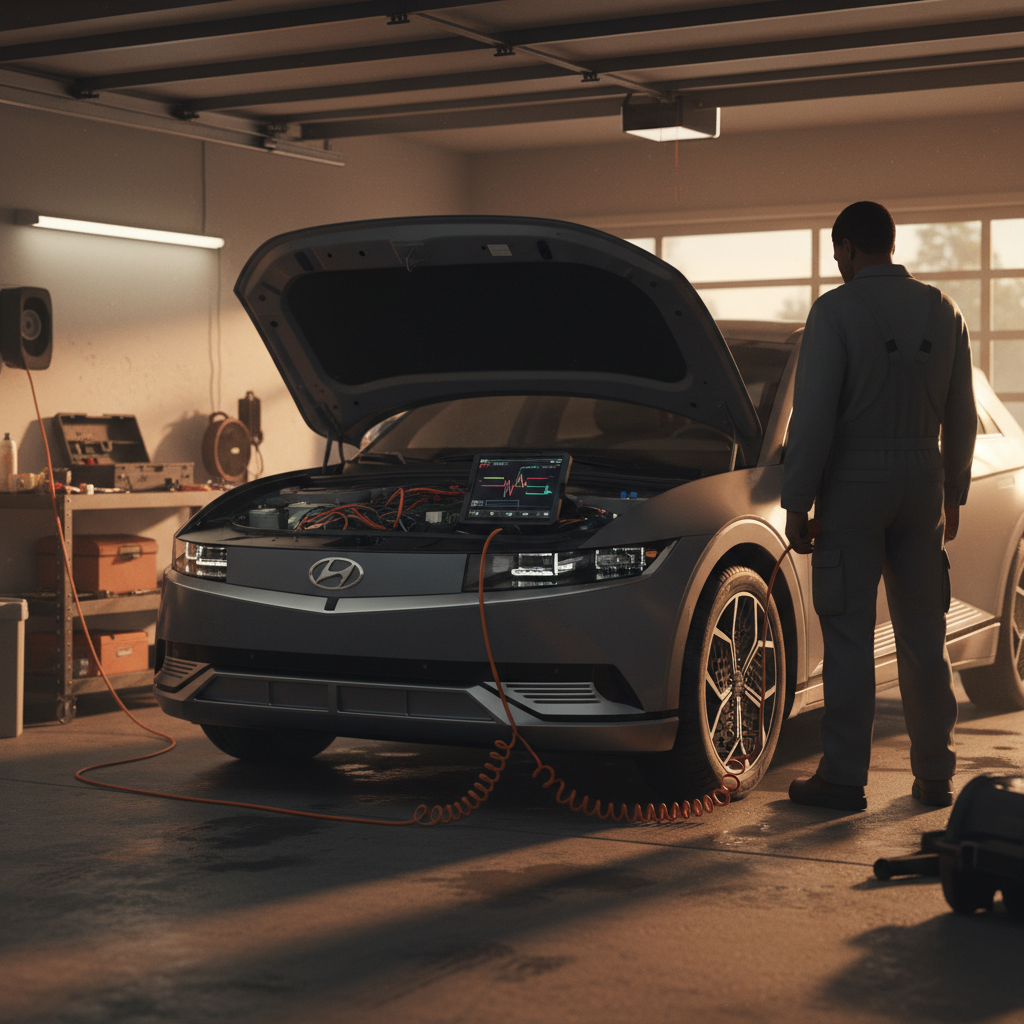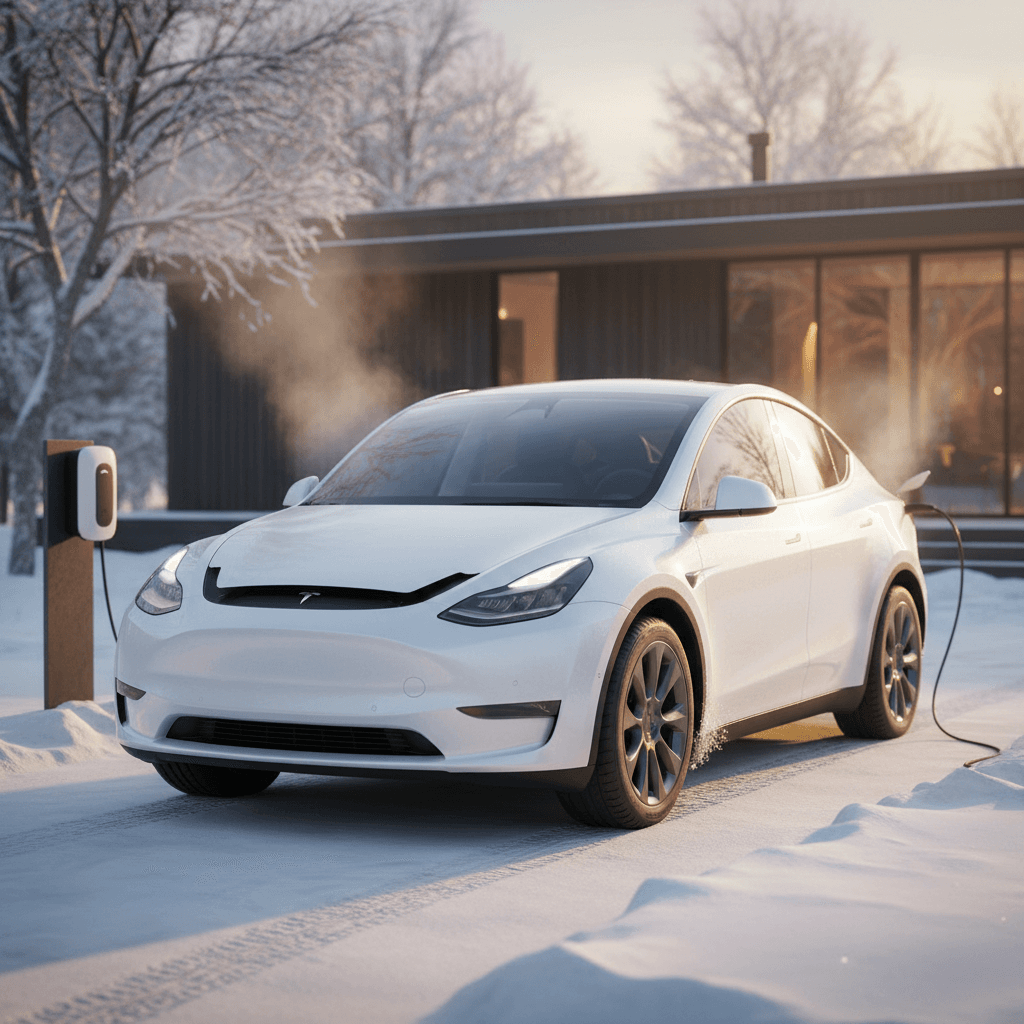
If you’re wondering “does the Tesla Model Y have a heat pump?” you’re almost certainly thinking about winter driving, range loss, and cabin comfort. The short version: yes, every Tesla Model Y is built with a heat pump–based climate system, and it’s one of the key reasons the Y is a solid choice for cold climates and for used EV shoppers who don’t want to gamble on winter range.
Key takeaway
Quick answer: Tesla Model Y and heat pumps
- All U.S. Tesla Model Y vehicles (2020–present) include a heat pump as part of Tesla’s integrated thermal management system.
- The heat pump is tied into Tesla’s “octovalve” and coolant manifold that also manages battery and powertrain temperatures.
- Compared with older resistive-heater designs, the Model Y’s system can use significantly less energy to heat the cabin in cold weather, helping preserve range in winter.
- Later Tesla models (refreshed Model 3, S, X and Cybertruck) adopted variations of this same heat-pump-based architecture after the Y debuted it.
So if your search is purely “does a Model Y have a heat pump or not?”, the answer is easy: yes, it does, regardless of year or trim. The more interesting questions are how it works, what it does for you in real-world cold weather, and what to watch for if you’re buying used.
Which Tesla Model Y years have a heat pump?
Tesla is famously inconsistent about model years in the traditional sense, so it’s natural to worry that some early cars might be different. In this case, it’s refreshingly simple:
Model Y heat pump by model year
Every U.S. Tesla Model Y has shipped with a heat pump–based climate system.
| Model year | Drivetrain trims | Heat pump included? |
|---|---|---|
| 2020 | Long Range, Performance | Yes – standard on all Model Y |
| 2021 | Long Range, Performance, Standard Range (limited run) | Yes – standard on all Model Y |
| 2022 | All trims | Yes – standard on all Model Y |
| 2023 | All trims, including Austin/Berlin variants | Yes – standard on all Model Y |
| 2024–present | All trims, hardware revisions | Yes – standard on all Model Y |
From launch in 2020 onward, the Model Y has always used a heat pump rather than a purely resistive heater as its primary cabin heat source.
Comparing to Model 3
How the Model Y heat pump works
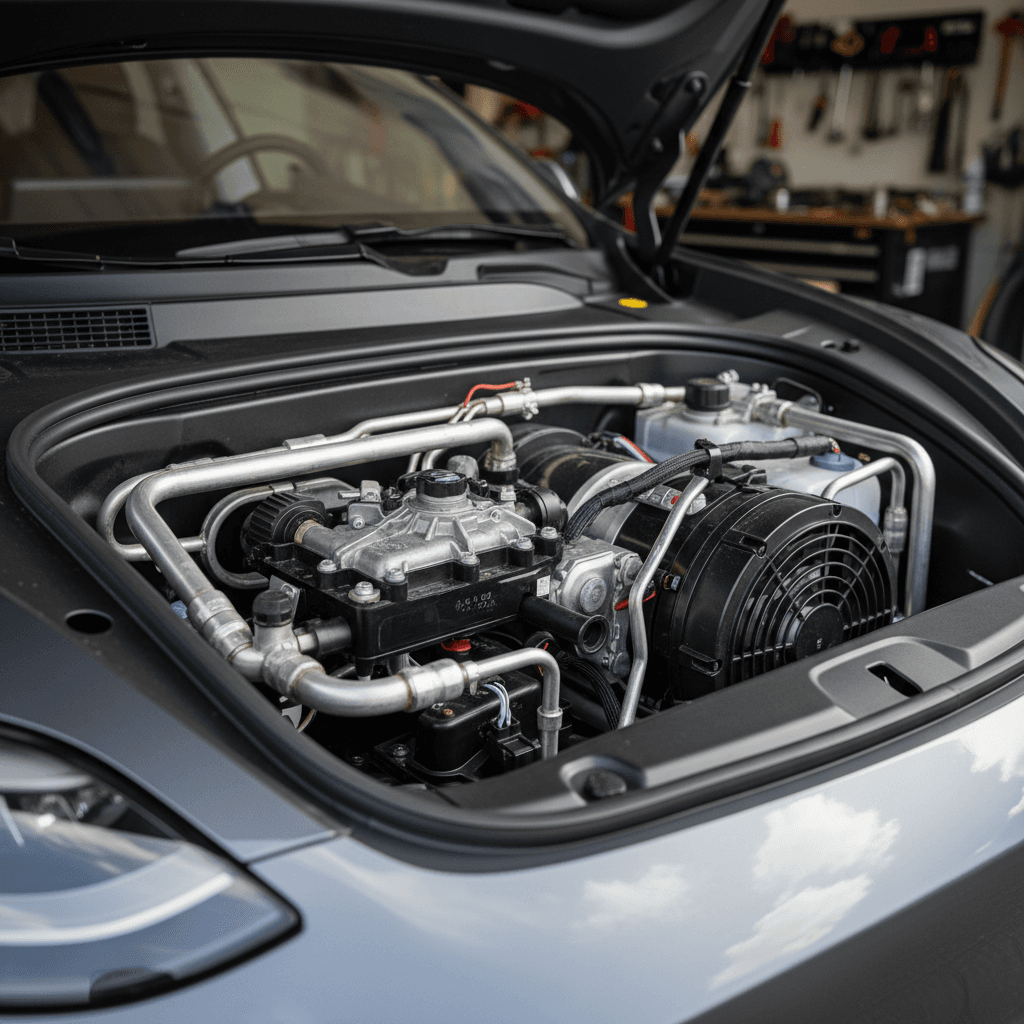
At a basic level, a heat pump is like a reversible, highly efficient air conditioner. Instead of burning energy to create heat, it moves heat from one place to another. In the Model Y, that concept is integrated into a much more sophisticated thermal system than you’ll find in most legacy EVs.
Inside Tesla’s Model Y thermal system
More than just a space heater: why the Y’s design stands out
Dedicated heat pump
Octovalve & "Super Manifold"
Smart waste‑heat reuse
Because the same system that heats the cabin also conditions the battery, the heat pump in a Model Y influences more than just comfort. It affects how quickly the car can fast‑charge in winter, how much preconditioning energy it needs before Supercharging, and how consistent your range feels across seasons.
Heat pump vs. resistive heater: why it matters for range
Traditional EV cabin heating uses electric resistance elements, basically a giant toaster inside the HVAC box. It’s simple and reliable, but in freezing weather it can consume a huge chunk of your available battery power, leading to winter range losses of 30–40% or more on some models.
Why heat pumps are such a big deal in EVs
Not magic, and not always more efficient
Cold-weather performance: what you can realistically expect
Heat pump or not, every EV loses range in cold weather. The battery chemistry is less efficient at low temperatures, and you’re using energy to warm both the pack and the cabin. The Model Y’s advantage is that its heating system wastes less of that energy as pure resistive heat.
Typical daily commuting
In the 20–40°F range you’ll probably see a modest range hit in a Model Y, often on the order of 10–25% depending on speed, wind, and how warm you keep the cabin. Preconditioning while plugged in can shave this down further.
For many owners, this means a rated 300‑mile Y feels more like a 220–260‑mile car on a cold day, which is still plenty for most commutes.
Deep‑winter highway road trips
At sustained freeway speeds in sub‑freezing temperatures, the heat pump has less time to recapture waste heat, and aerodynamic drag increases. It’s normal to see 30%+ effective range loss on long winter highway drives.
The good news is that the Model Y’s heat pump and battery preconditioning work together to keep fast‑charge speeds usable, even when it’s frigid outside, especially if you navigate to a Supercharger in advance.
App-based preconditioning helps
How to tell if a used Model Y has a heat pump
Because all Model Ys include a heat pump, you don’t have to play detective in the same way you would with a Model 3 or older EV. Still, if you’re buying used from a private seller or generic dealer, it can be reassuring to confirm how the car’s climate system is configured and that it’s working properly.
Quick checks when you’re looking at a used Model Y
1. Open “Additional Vehicle Information”
On the center screen, go to <strong>Controls → Software → Additional vehicle information</strong>. The list will note the type of HVAC system, including the heat pump hardware on Model Y.
2. Test heating performance
From a cold start, set the cabin temperature higher and enable the front defrost. The car should warm up quickly and maintain heat without strange noises or error messages about “Cabin climate limited.”
3. Listen for unusual compressor noises
The Model Y’s heat pump and octovalve can be more vocal than older systems, but loud grinding, squealing, or repeated cycling can indicate a problem that deserves a professional inspection.
4. Scan for HVAC‑related alerts
On the main screen, check for any persistent alerts about the climate system, defrost performance, or “reduced cabin heating.” These can signal a fault in the heat pump circuit, sensors, or valves.
How Recharged handles this
Known issues and recalls with Tesla heat pumps
Tesla’s move to heat pumps has been a net win for efficiency, but it hasn’t been flawless. In very cold regions, some Model 3 and Model Y owners, particularly with 2021–2022 builds, have reported intermittent loss of cabin heat in deep winter conditions.
- In early 2022 Tesla issued an over‑the‑air recall campaign for certain 2021–2022 Model 3 and Model Y vehicles where a valve in the heat pump system could stick open, triggering a shutdown of the compressor and loss of cabin heat until the car was restarted and the software updated.
- The underlying issue was software control of an electronic expansion valve, not the fundamental heat pump concept. Updated firmware changed how the valve realigns itself and reduced the risk of it sticking in the wrong position.
- Owners in very cold climates still occasionally report marginal heating performance at extreme temperatures, but most of these cases have been resolved with software updates, warranty repairs, or component replacements.
If you lose heat in extreme cold
Tips to maximize winter range in your Model Y
Owning a Model Y with a heat pump doesn’t mean you can ignore winter entirely, but it does give you more tools to manage it. A few practical habits can make a big difference in both comfort and range.
Five ways to get the most from your Model Y heat pump
Simple habits that add up to better winter range
Use app preconditioning
Rely on seat and wheel heaters
Dial back HVAC on the highway
Navigate to Superchargers
Choose Chill and moderate speeds
Plan shorter legs in deep winter
Buying a used Model Y: what Recharged checks for you
For used‑EV shoppers, the Model Y’s standard heat pump is one of the reasons it’s become a go‑to choice in snowbelt states. But not every used Y on the market has been treated the same way, and not every seller is transparent about how winter driving has affected the battery and thermal system.
Thermal and battery health, quantified
Every Model Y sold through Recharged includes a Recharged Score Report. Our diagnostics go beyond simple odometer readings and cosmetic checks, we look at battery state of health, DC fast‑charging history, and signs of abnormal thermal behavior that might point to HVAC or heat‑pump issues.
Support tailored to first‑time EV owners
If you’re coming from a gas SUV, our EV specialists can walk you through how the Model Y’s heat pump works, how to plan winter charging, and whether a specific car’s range profile matches your daily needs. We also offer financing, trade‑in options, consignment, and nationwide delivery, so you can focus on picking the right Y, not decoding Tesla’s hardware history.
Why many used shoppers choose a Model Y
FAQ: Tesla Model Y heat pump
Frequently asked questions about the Model Y heat pump
Bottom line: is the Model Y heat pump a big deal?
If you’re trying to decide whether the Tesla Model Y is a smart choice, especially as a used EV, the answer to “does it have a heat pump?” is a resounding yes, and it genuinely matters. The Y’s heat‑pump‑based thermal system is more than a comfort feature: it’s a core part of why the vehicle holds up well in real‑world winter driving, helps protect battery performance, and feels less compromised in January than many earlier EVs.
For you as a shopper, that means less time worrying about whether you’re buying into old hardware and more time focusing on the right trim, range, and budget. If you’d like help finding a Model Y with verified battery health and a clean bill of thermal health, you can browse vehicles with a Recharged Score Report and lean on EV‑specialist support from first click to delivery.