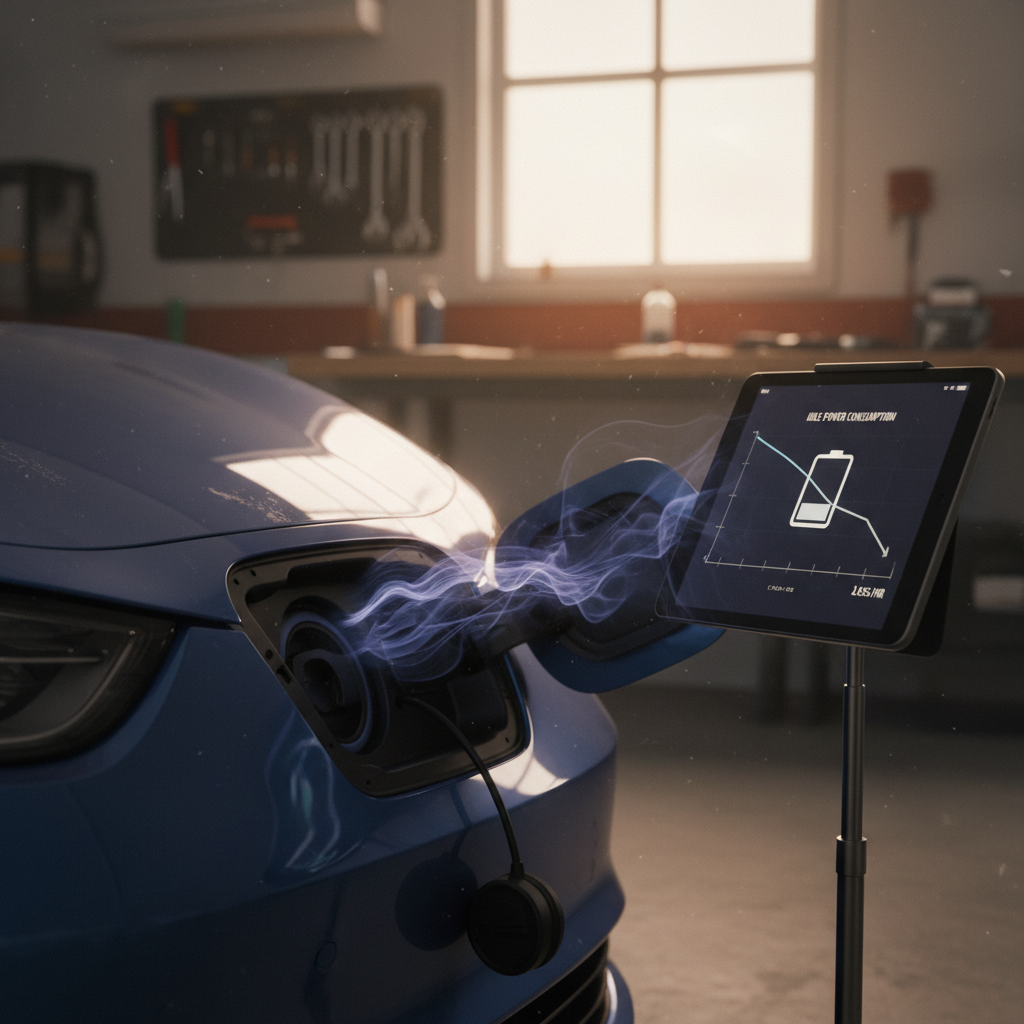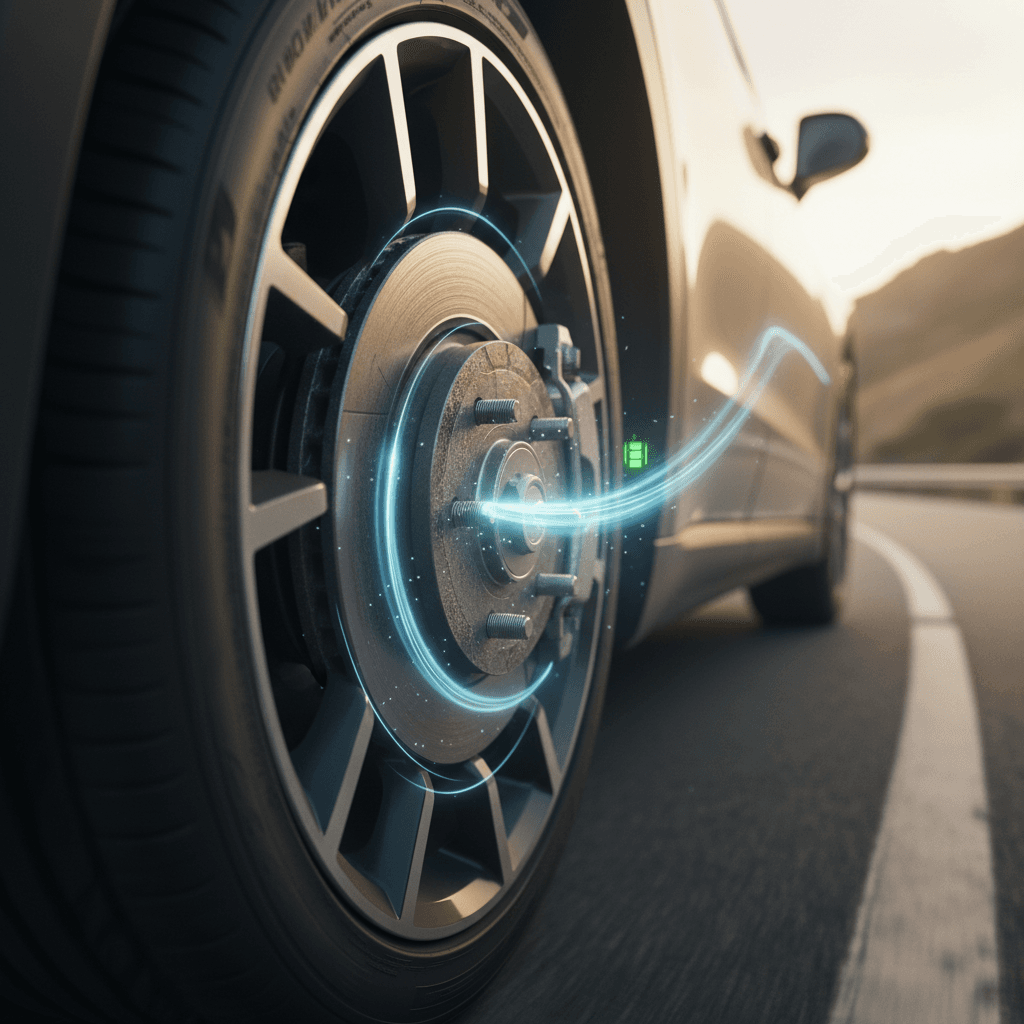
If you’ve driven an electric vehicle or a hybrid, you’ve felt it: you lift off the accelerator and the car noticeably slows, almost like you tapped the brakes. That’s regenerative braking. But does regenerative braking actually charge the battery, or is it more of a marketing story than a meaningful source of range? Let’s break it down in real‑world terms.
Quick answer
What is regenerative braking, in plain English?
Conventional (friction) braking
In a gas car, pressing the brake pedal squeezes pads against discs or drums. That friction turns your car’s kinetic energy (motion) into heat and throws it away. You slow down, but all that energy you used to get up to speed is gone for good.
- Simple and effective
- 0% of that energy is recovered
- More brake wear, more heat
Regenerative braking
In an EV or hybrid, the electric motor does double duty. It can propel the car, but it can also act as a generator.
- When you lift off the accelerator or press the brake, the motor resists rotation
- That resistance slows the wheels, just like engine braking in a manual car
- At the same time, it generates electricity and sends it back to the battery
Mechanical brakes still step in for hard stops and at very low speeds, but regen does a surprising amount of the day‑to‑day work.
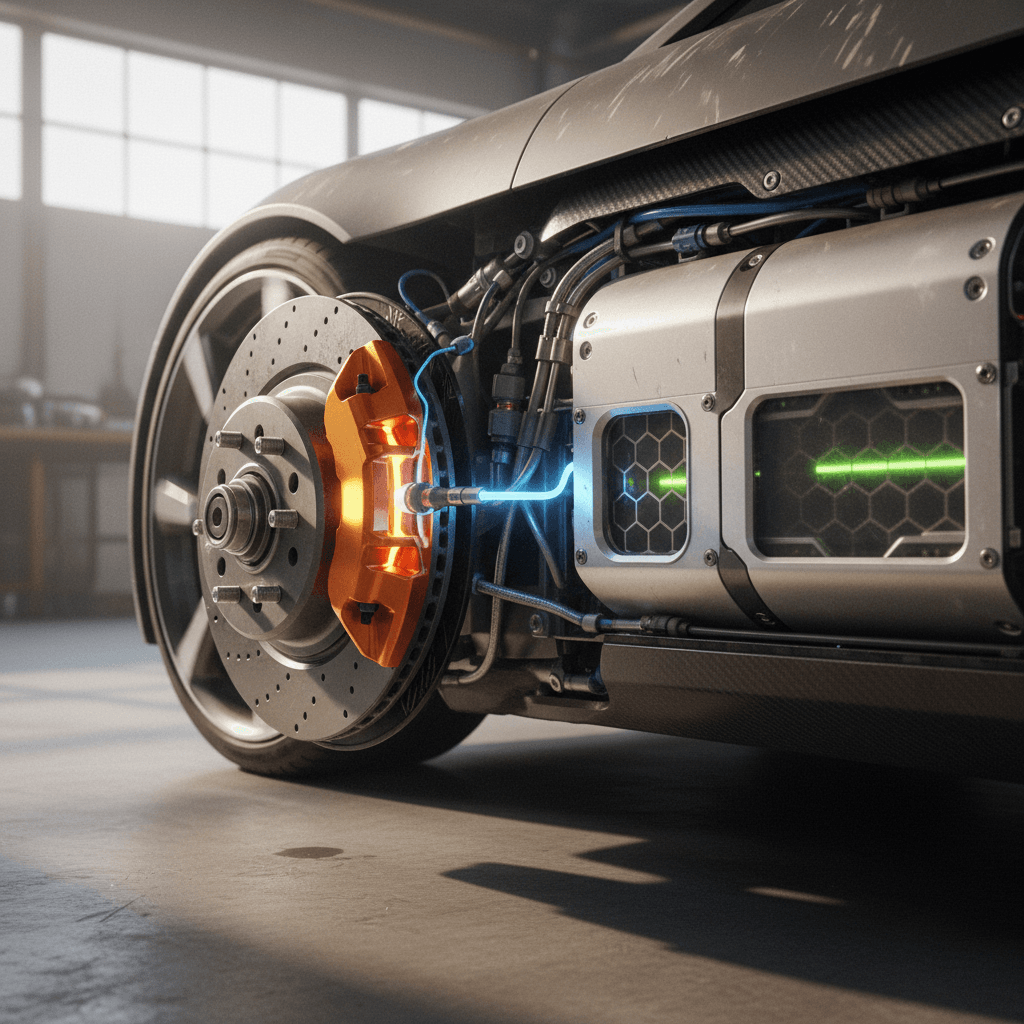
Watch your energy flow screen
So…does regenerative braking actually charge the battery?
Yes. In every modern EV and most hybrids, regenerative braking directly charges the high‑voltage traction battery. The process looks like this:
- You lift off the accelerator or press the brake pedal.
- The car’s power electronics tell the motor to flip into generator mode.
- The spinning wheels turn the motor, which now pushes electrical current the other way.
- That current is routed through the inverter as DC and fed into the battery pack.
- The battery’s management system decides how much of that current it can safely accept in that moment.
You can think of it like rolling a bicycle downhill with a hub generator powering a light: the wheel motion turns into electricity. In an EV, the “light” is a battery the size of a kiddie pool instead of a flashlight.
There are limits
How much charge can regenerative braking really add?
How much energy can regenerative braking recover?
Those numbers come with a big asterisk: they’re highly sensitive to how and where you drive. On a flat, steady‑speed highway, you might go dozens of miles without touching the brakes, there’s very little energy to recover. In downtown stoplight‑to‑stoplight traffic or on a long downhill grade, regen has a lot more to work with.
Efficiency vs. effectiveness
When regenerative braking works best (and when it doesn’t)
Best and worst conditions for regenerative braking
Same car, same battery, very different results depending on the drive.
Where regen shines
- City driving: Lots of lights, stop signs, and slow‑downs mean frequent opportunities to recapture energy.
- Hilly routes: Long descents let the motor act like a strong engine brake, pumping steady energy back into the pack.
- Moderate speeds: Slowing from 45 mph to 0 recovers more useful energy than a gentle trim from 15 mph.
Where regen matters less
- Flat highway cruising: Once you’re up to speed, you shouldn’t be braking much at all, regen stays mostly idle.
- Very low speeds: Below a crawl, friction brakes take over.
- Slippery conditions: Stability control may limit regen torque to keep the tires from losing grip.
Cold and full batteries cut regen
Is regenerative braking good or bad for battery health?
Done properly, regenerative braking is neutral to slightly positive for battery health. The car’s battery management system limits how much current can flow back into the pack at any moment, keeping it within safe temperature and voltage windows.
- Regen uses relatively short bursts of charge, nothing like a long DC fast‑charging session.
- The system automatically tapers regen when the battery is cold, hot, or near full to protect the cells.
- Because regen lets you drive more efficiently, you may need fewer deep discharge cycles over the car’s life, which can help slow degradation.
If you’re looking at a used EV and see that regen has been used heavily, that’s not a red flag on its own. High‑speed fast charging and frequent 100% charges are far more important to long‑term battery health than everyday regenerative braking.
Bonus: less brake wear
Driving tips to get the most from regenerative braking
Simple ways to let regen do its job
1. Look farther ahead
Smooth drivers get the most from regen. If you’re scanning traffic and lights a block or two ahead, you can ease off the accelerator earlier and let the car harvest energy instead of charging toward the next red light and standing on the brake.
2. Use the strongest regen mode you’re comfortable with
Many EVs offer multiple regen settings or "one‑pedal" driving. Try the stronger modes in a safe, empty area. Once you’re used to it, you’ll find you can do most of your slowing just by modulating your right foot.
3. Avoid topping to 100% for daily driving
Charging to about 80–90% for everyday use not only helps battery longevity but also leaves room in the pack for regen to feed energy back in on your morning commute.
4. Be gentle on the brake pedal
In many cars the first part of pedal travel commands more regen, and deeper travel blends in friction brakes. Smooth, moderate pressure often gives you the best energy recovery while still slowing comfortably.
5. Expect less regen in winter
When the pack is cold, you’ll likely see dashed lines or warnings about limited regen. That’s normal. As the battery warms up from driving, the system will gradually restore full regenerative braking strength.
Regenerative braking in EVs vs. hybrids
Battery‑electric vehicles (BEVs)
- Regen directly charges the main traction battery that powers the car.
- Because the battery is large, the system can often accept significant regen power, especially at mid state‑of‑charge.
- Strong regen modes can make the car feel like it’s actively braking as soon as you lift off the pedal.
Hybrids and plug‑in hybrids
- Regen still charges a high‑voltage battery, but that pack is usually smaller.
- Recovered energy may be used for electric‑only driving at low speed and to power accessories, taking load off the gas engine.
- Blending between regen and friction braking is very noticeable in older hybrids; newer models are smoother and more EV‑like.
If you’re cross‑shopping a hybrid and a full EV, remember: regen helps both, but it’s a much bigger piece of the puzzle in a pure electric vehicle.
Common myths about regenerative braking
Separating regen fact from fiction
What drivers often hear, and what’s actually true.
“Regen can fully recharge my battery”
“I should accelerate hard so I can regen more”
“Regen is bad for the battery”
What this means when you’re shopping for a used EV
If you’re looking at used EVs, regenerative braking is part of the reason they make so much sense for daily driving. It quietly works in the background to stretch range, reduce brake wear, and improve efficiency, especially in city use.
Questions to ask or test‑drive checks
- Can you adjust the level of regen? Do you like how the strongest setting feels?
- Does the car show an energy flow or power gauge so you can see regen working?
- On a test drive, does the transition between regen and friction braking feel smooth?
How Recharged can help
Every EV sold through Recharged includes a Recharged Score Report with verified battery health and real‑world range insights. That means you’re not guessing how much benefit you’ll actually see from regen on a particular car, you can match its battery condition to your commute and driving style.
If you decide to trade in or sell your current car for an EV, Recharged can handle everything from instant offers and financing to nationwide delivery, all with EV‑savvy specialists who can walk you through how regen and charging will fit into your daily life.
FAQ: Regenerative braking and your battery
Frequently asked questions about regenerative braking
Regenerative braking absolutely does charge your EV or hybrid’s battery, but it’s not a magic free‑energy machine. Think of it as a smart recycling program for momentum: every time you slow down, some of that energy is captured and stored instead of burned off as heat. Learn to drive in a way that lets regen work, pair that with a healthy battery, and you’ll see the benefits in smoother driving, fewer brake jobs, and more real‑world range from every charge.