If you’ve ever Googled “does electric cars use gas,” you’re not alone. Car makers throw around terms like EV, hybrid, and plug‑in hybrid, dealers call everything with a battery “electric,” and you’re left wondering: does this thing still need gasoline, or not? This guide untangles the jargon so you know exactly which “electric” cars use gas, which don’t, and what that means for cost, range and daily life.
The short version
Quick answer: Do electric cars use gas?
- Battery electric vehicles (BEVs) – No gas, no tailpipe, no oil changes. They run only on electricity stored in a large battery pack.
- Plug‑in hybrid electric vehicles (PHEVs) – Yes, they use both gas and electricity. You can often do short trips on electricity only, then the gas engine takes over.
- Conventional hybrids (HEVs) – Yes, they always use gas. The small battery and motor just help the engine; you never plug them in.
- Range‑extender EVs – A special case. The wheels are electric, but there’s a small gas engine on board that acts like a generator when the battery gets low.
Key takeaway
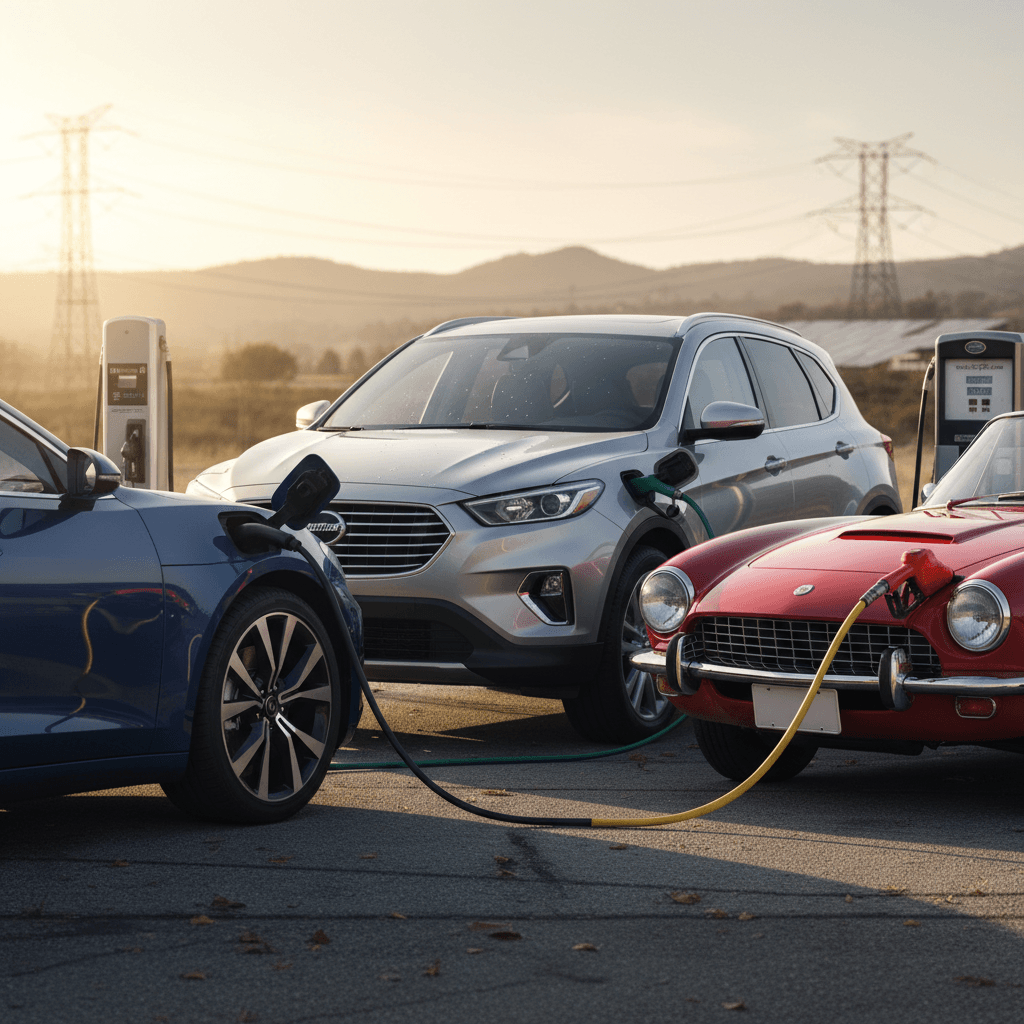
EV vs hybrid vs plug-in hybrid: who uses gas?
Three main “electric” powertrains
They all use batteries and motors, but not in the same way
Battery electric vehicle (BEV)
Fuel: Electricity only
- Big traction battery
- One or more electric motors
- No gas tank or tailpipe
- Examples: Tesla Model 3, Nissan LEAF, Hyundai Ioniq 5
Plug‑in hybrid (PHEV)
Fuel: Electricity + gasoline
- Medium‑size battery you can plug in
- Electric motor and gas engine
- Short trips on electricity, long trips on gas
- Examples: Toyota RAV4 Prime, Chrysler Pacifica Hybrid
Conventional hybrid (HEV)
Fuel: Gasoline only
- Small battery, can’t plug in
- Electric motor helps the engine
- Always needs gas in the tank
- Examples: Toyota Prius (non‑plug‑in), Honda Insight
Why the terminology matters
How battery electric cars work (no gas at all)
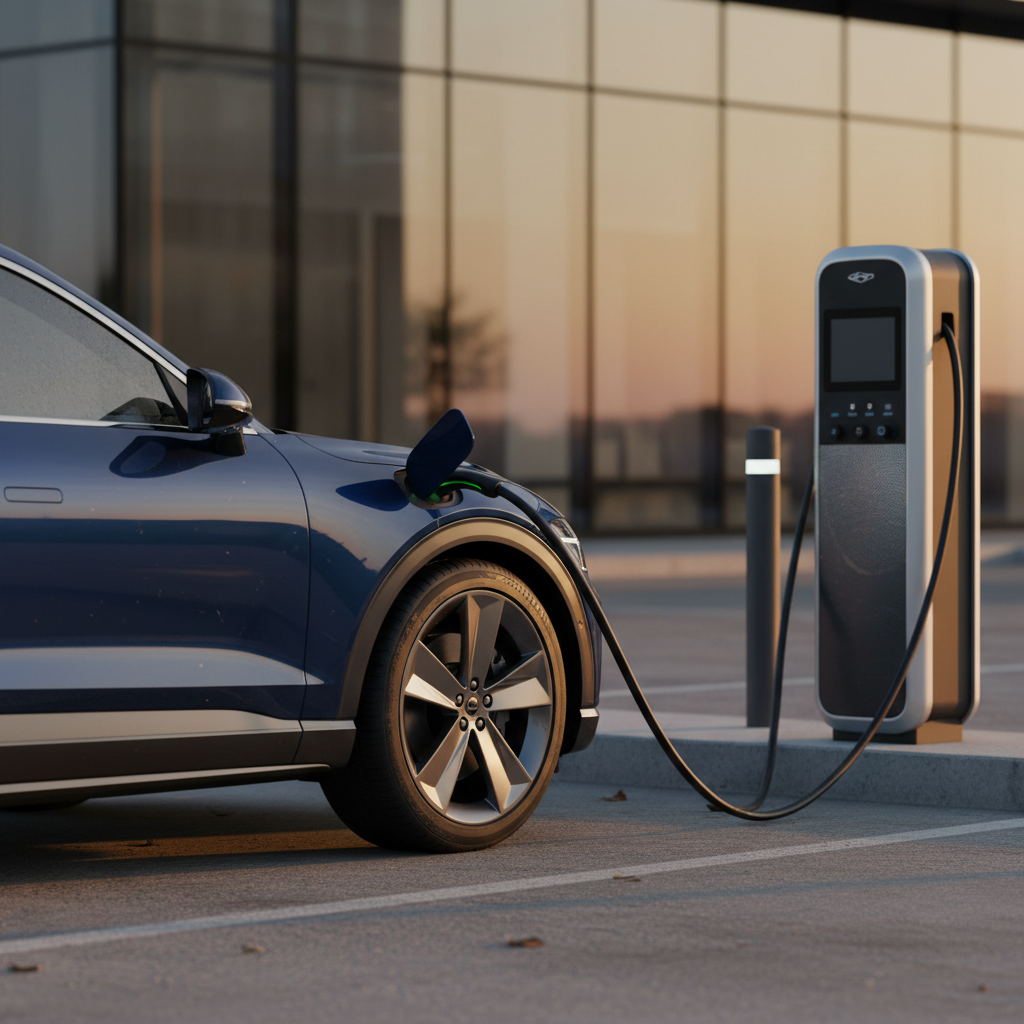
A battery electric vehicle is the simplest to understand: swap the engine, transmission, fuel tank and exhaust system for a battery pack, power electronics and an electric motor. When you press the accelerator, the motor draws energy from the battery and turns the wheels directly. You recharge by plugging into an EV charger instead of filling up at the pump.
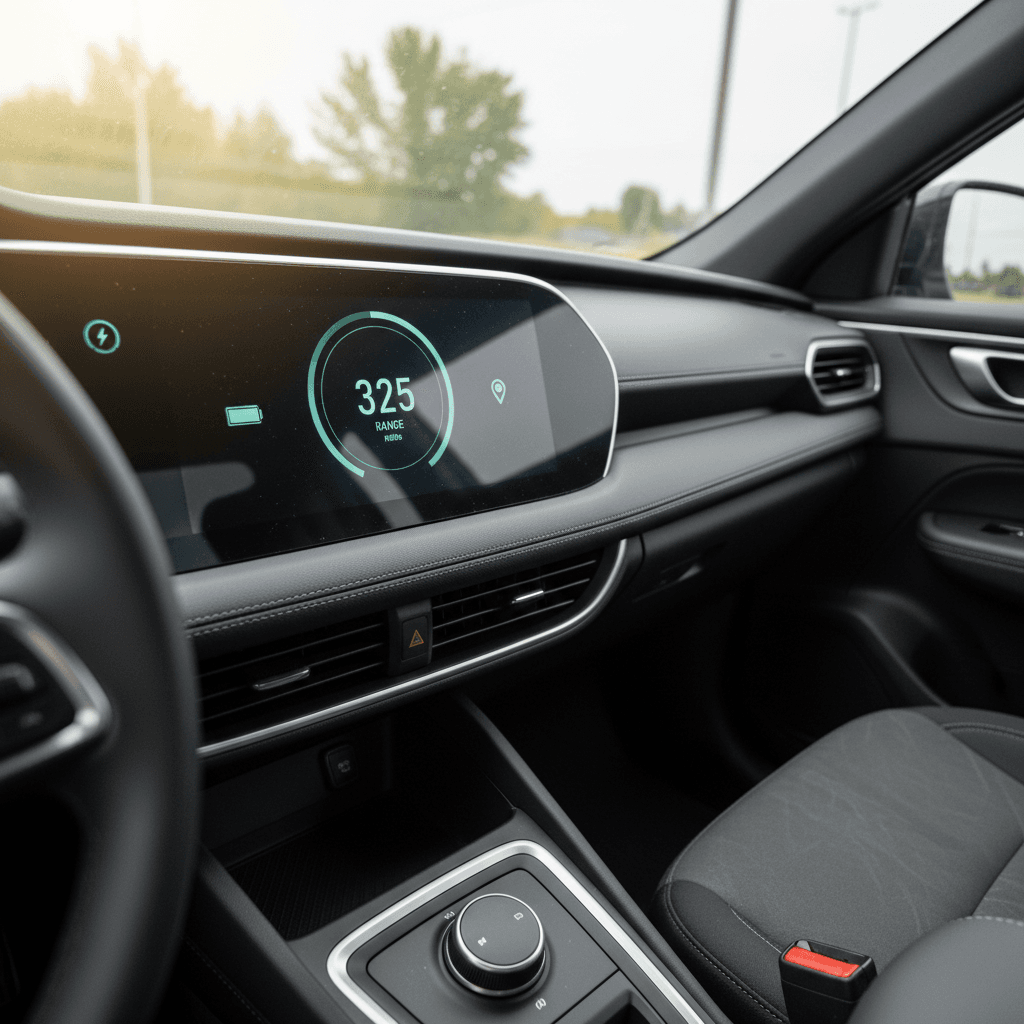
- No gas system at all – No tank, no fuel lines, no tailpipe, no catalytic converter.
- Instant torque – Electric motors deliver power immediately, which is why even everyday EVs feel quick around town.
- Regenerative braking – When you slow down, the motor runs in reverse as a generator, putting energy back into the battery instead of wasting it as heat.
- Home “refueling” – You plug in at home like a big appliance. Most US owners use Level 2 (240‑volt) charging and wake up every morning with a “full tank.”
Think of it like your phone
How hybrids and plug-in hybrids use gas
Hybrids and plug‑in hybrids blur the line between gas and electric. They still have a combustion engine and fuel tank, but they add a battery and motor that can either assist the engine or power the wheels directly. How much gas you burn depends heavily on the design, and on your habits.
Conventional hybrids (HEV)
- Fuel source: Gas only. Electricity is generated on board from the engine and regenerative braking.
- Battery size: Small. You can’t plug these in; the car manages charge automatically.
- How they drive: The engine is almost always involved. The motor smooths stop‑start traffic and recovers energy when braking.
- Gas usage: You’ll visit gas stations regularly, just less often than in a non‑hybrid equivalent.
Plug‑in hybrids (PHEV)
- Fuel sources: Electricity and gas. You charge the battery from the grid, and there’s still a gas tank.
- Battery size: Much larger than a regular hybrid. Many offer 20–50 miles of electric‑only range.
- How they drive: Around town, the electric motor often does all the work. On the highway or when the battery is low, the engine takes over.
- Gas usage: If you charge diligently and have a short commute, you might buy gas rarely. If you never plug in, they behave like a heavy, expensive hybrid and burn more fuel than lab numbers suggest.
The plug-in hybrid trap
What about range-extender EVs?
There’s a small class of EVs that muddy the waters further: range‑extender electric vehicles. BMW’s early i3 REx is the best‑known recent example. These cars always drive the wheels with an electric motor, but they carry a small gas engine that acts purely as a generator once the battery is low.
- In normal use, you drive on electricity until the battery hits a low state of charge.
- Then the gas engine starts automatically and runs at steady RPM to generate electricity for the motor.
- Performance in “generator mode” is usually reduced; the engine is sized for limp‑home duty, not high‑speed mountain climbs.
- You still have to buy gas and keep the fuel system maintained, even though the wheels are never mechanically driven by the engine.
Range extenders are rare today
Gas vs electricity: what you actually spend
Whether your car uses gas, electricity, or both shows up every month in your budget. The good news: on a per‑mile basis, electricity is usually cheaper than gasoline in the US, especially if you can charge at home. But the exact math depends on your vehicle, driving pattern and local energy prices.
Typical US fuel cost patterns
How to estimate your costs
How different “electric” cars use gas and electricity
These are simplified examples for illustration, not quotes for a specific car.
| Type | Typical powertrain | Daily 30‑mile commute | Road trip behavior | Gas station visits |
|---|---|---|---|---|
| BEV (pure electric) | Electric motor + large battery | All‑electric, charge at home; no gas | Uses fast chargers on highway | Only if you borrow someone else’s car |
| Plug‑in hybrid | Motor + engine + medium battery | Often all‑electric if you recharge nightly | Engine runs like a regular gas car when battery is low | Anywhere from monthly to weekly, depending on how often you plug in |
| Conventional hybrid | Engine + small battery | Gas engine nearly always running | Behaves like a very efficient gas car | Regularly, but less often than non‑hybrid |
| Range‑extender EV | Motor + small gas generator | Electric drive until battery is low, then generator kicks in | Generator may run constantly on long trips | Infrequent if most miles are electric, frequent if you road‑trip a lot |
Gas usage depends heavily on how much you plug in and what you drive.
Emissions, regulations and the shift away from gas
Fuel isn’t just about money. It’s also about emissions and regulation. A pure BEV has no tailpipe at all, so there are no local exhaust emissions when you drive. Hybrids and plug‑in hybrids still burn gasoline and emit CO₂ and pollutants when their engines run, though typically less than a comparable non‑hybrid because the electric motor does some of the work.
- In many US states, regulations are phasing in higher sales requirements for zero‑emission vehicles (essentially BEVs and fuel‑cell cars).
- Some policies treat plug‑in hybrids as a transitional technology because they can operate in electric‑only mode for part of their driving.
- Charging an EV does create upstream emissions at the power plant, but as the grid adds more wind and solar, the average emissions per kWh tend to fall over time.
- Urban air‑quality rules care a lot about tailpipe emissions where people breathe, which is why policy increasingly favors true zero‑emission vehicles.
Why governments draw a hard line at tailpipes
If you’re shopping used: which “electric” car is right?
On the used market, you’ll see everything from early LEAFs to plug‑in minivans labeled as “electric.” The right choice depends on how ready you are to leave gas behind, what charging you have access to, and how much complexity you’re willing to live with. This is exactly where a transparent marketplace like Recharged can make your life easier.
Questions to ask yourself before you buy
1. Do I actually want to stop buying gas?
If your goal is to ditch fuel stations entirely, you’re looking for a <strong>pure battery electric vehicle</strong>. Any hint of a fuel filler door or gas mileage on the window sticker means you’ll still be visiting the pump.
2. Can I charge at home or work?
Home or workplace charging makes a BEV easy to live with. If you can only occasionally plug in, and you take frequent long trips, a <strong>plug‑in hybrid</strong> may be a more forgiving bridge technology.
3. How far do I drive on a normal day?
Add up your typical weekday miles. If you’re under, say, 40–60 miles, most modern BEVs and many PHEVs can easily cover that on electricity alone. Your answer also helps you decide how much battery capacity you actually need.
4. Am I comfortable with more mechanical complexity?
Hybrids and PHEVs have both a full gas powertrain and an electric one. That’s more parts to maintain. A BEV’s simplicity, no oil changes, no spark plugs, far fewer moving parts, is part of its long‑term appeal.
5. What does battery health look like?
With any used EV or PHEV, the battery is effectively the new engine. On Recharged, every vehicle comes with a <strong>Recharged Score Report</strong> that includes verified battery diagnostics so you’re not guessing about remaining capacity.
6. How do financing and trade‑in fit?
Switching from a gas car to an EV often reshapes your monthly budget: less spent on fuel and maintenance, sometimes more on the vehicle. Recharged can help you <strong>trade in your current car, finance a used EV, and see the total cost picture</strong> before you commit.
How Recharged helps cut through the noise
Ready to find your next EV?
Browse VehiclesFAQ: Do electric cars use gas?
Frequently asked questions about gas and electric cars
Bottom line: match the car to your lifestyle
When you hear “electric car,” don’t just ask whether it uses gas, ask how it uses energy and how that lines up with your life. If you’re ready to ditch gas stations and you can plug in regularly, a pure battery electric vehicle keeps things simple and can dramatically cut your fuel and maintenance costs. If you need more flexibility for long, unplanned trips or limited charging access, a plug‑in hybrid can be a helpful stepping stone, as long as you actually plug it in.
Whichever path you’re considering, the used market is where the math often starts to pencil out, especially as early‑generation EVs come down in price. On Recharged, you’ll see clearly whether a vehicle is all‑electric, hybrid or plug‑in hybrid, along with verified battery health and expert help to run the numbers. That way, “does this electric car use gas?” becomes less of a mystery and more of a smart, informed decision.