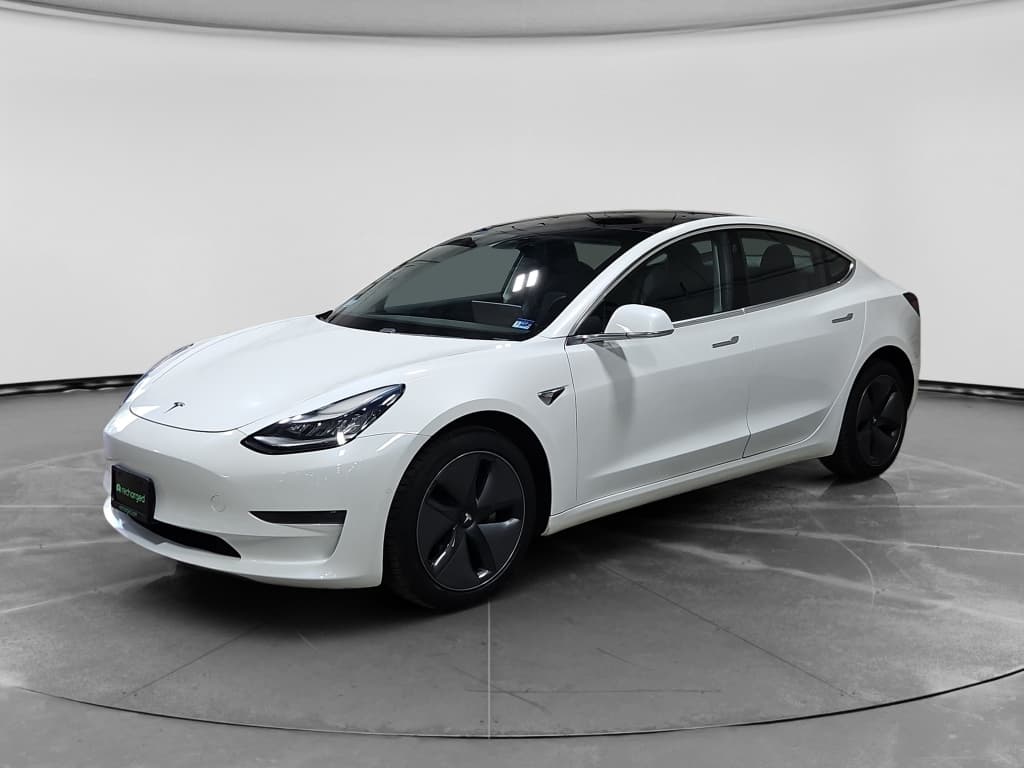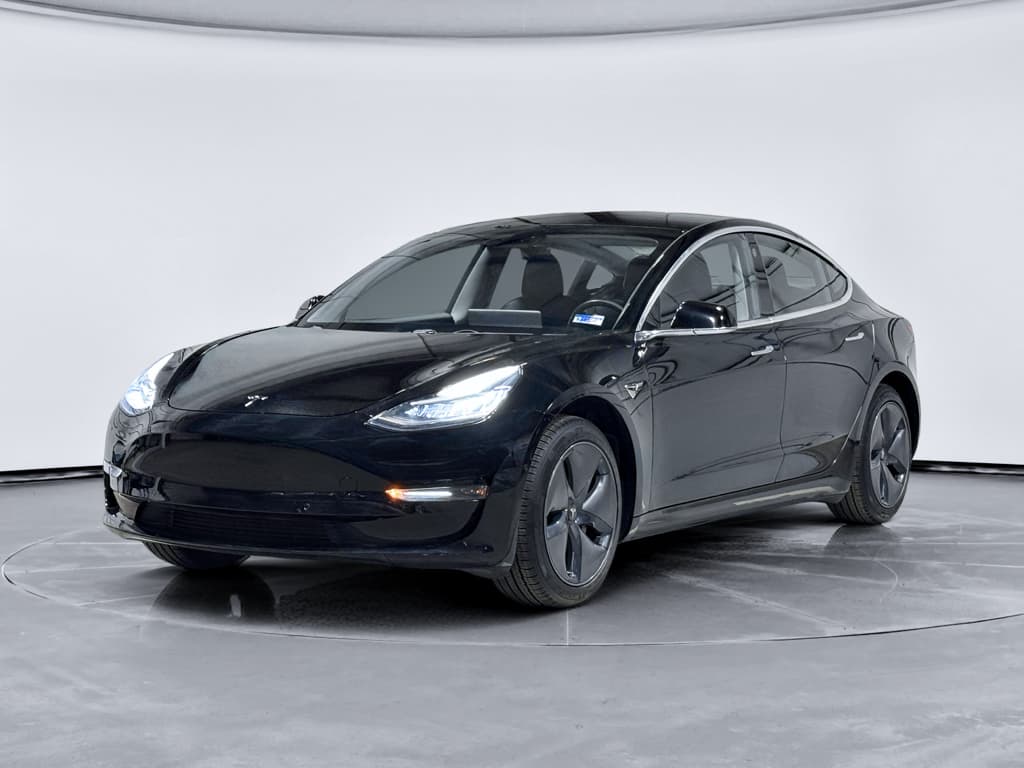
If you grew up timing your life around 3,000‑mile oil changes, the idea of a car with no oil feels almost suspicious. So do Teslas have oil, or is that just marketing magic? The short version: Teslas do not use motor oil or need traditional oil changes, but they do use a small amount of specialized lubricants and other fluids that matter, especially if you’re shopping for a used Tesla.
Key takeaway
Do Teslas Have Oil? The Short Answer
In the way most drivers use the word "oil", as in engine oil that gets changed every few thousand miles, the answer is no, Teslas do not have oil. There’s no internal combustion engine under the hood, so there’s no crankcase full of motor oil, no oil filter, and no oil change interval on the maintenance schedule.
- No engine = no engine oil and no oil filter
- No spark plugs, fuel system, or emissions gear to service
- Far fewer moving parts compared with a gas drivetrain
However, Tesla still uses lubricating oils and greases inside the drive unit (the sealed electric motor and reduction gearbox) and in components like wheel bearings. You never treat these like a regular oil change, but they’re part of why the car can quietly handle hundreds of thousands of miles.
Don’t confuse “no oil changes” with “no maintenance”
How a Tesla Drivetrain Differs From a Gas Car
Traditional gas car
- Large multi-cylinder engine with hundreds of moving parts
- Complex lubrication system circulating several quarts of oil
- Oil contaminated by combustion byproducts and heat
- Regular oil and filter changes required to avoid damage
Tesla electric drivetrain
- Electric motor with a small reduction gearbox
- Sealed lubricant inside the drive unit, no user service
- Large high-voltage battery pack with liquid coolant
- Much simpler overall, fewer friction points
Why this matters for you
What Fluids Do Teslas Still Use?
Even without engine oil, a Tesla isn’t a fluid‑free appliance. Think of it more like a high‑end smartphone on wheels: fewer wear items, but the ones that are there are important. Here are the main fluids you’ll find in Teslas like the Model 3, Model Y, Model S, and Model X:
Core Fluids in a Tesla
No oil changes, but these still matter over the life of the car.
Battery & drive unit coolant
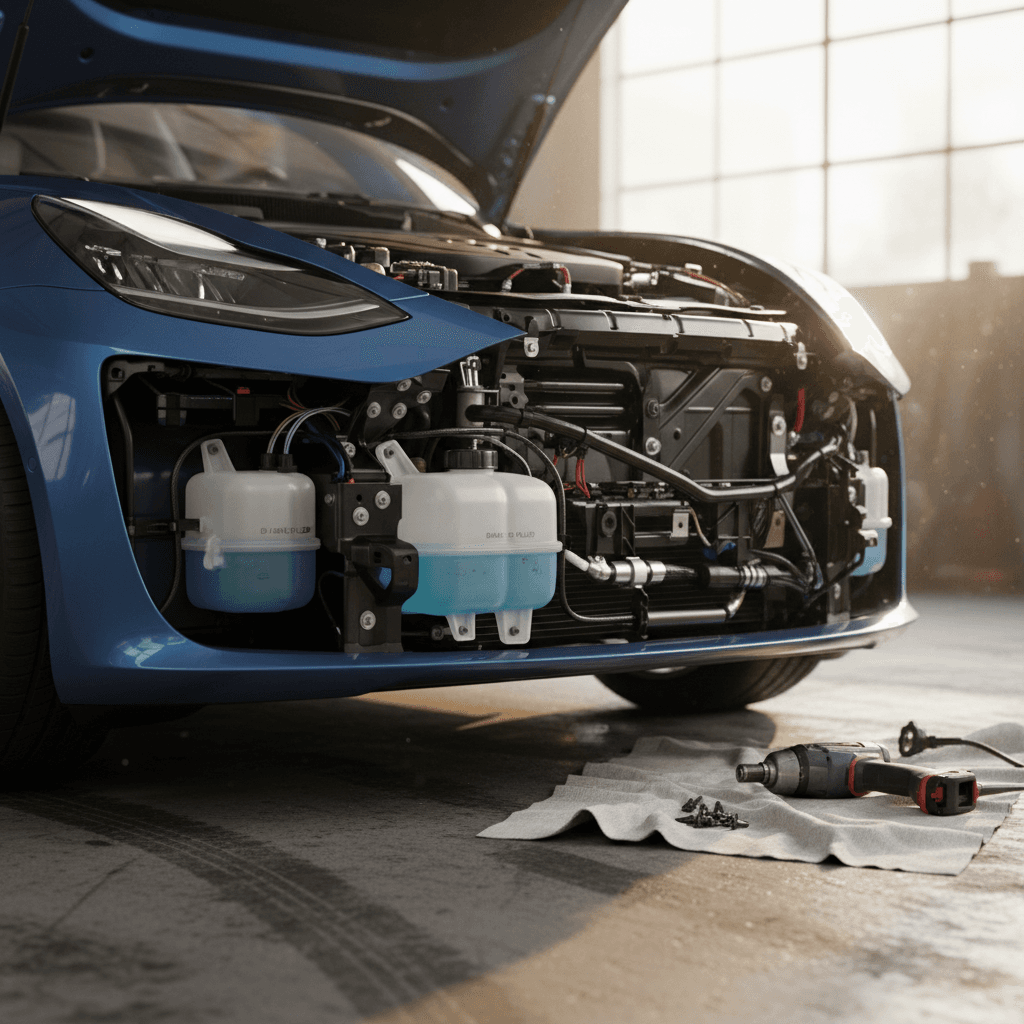
Liquid coolant circulates through the battery pack and power electronics to keep everything in the right temperature window. It’s long‑life, but not lifetime, Tesla recommends periodic inspection and service.
Brake fluid
Just like in a gas car, brake fluid transfers force from the pedal to the brakes. Tesla’s strong regenerative braking means pads last longer, but the fluid still ages and absorbs moisture.
Gearbox & differential lubricants
The sealed reduction gearbox and differential use specialized gear oil or lubricant. In normal use you’ll never change it yourself, but it’s there doing quiet work every mile you drive.
Owner’s manual is the final word
“Oil” in a Tesla: Gearbox Fluid & Other Lubricants
Here’s where the confusion comes from. Technically, Teslas do use oil‑based fluids in a few places, mainly the drive unit gearbox, differential, and bearings. It’s real oil, but it’s not what we mean when we talk about oil changes:
- The reduction gearbox uses a small amount of gear oil for lubrication.
- It’s sealed inside the drive unit and not checked at routine service like engine oil would be.
- In some high‑mileage or track‑use situations, specialists will change this fluid as preventative maintenance, but it’s not part of the standard Tesla schedule.
“Unlike gasoline cars, Tesla vehicles require no traditional oil changes…"
So yes, there is oil in a Tesla, but it behaves more like the lifetime lubricant in a wheel bearing or sealed transmission than anything you deal with every 6 months. For most owners, and especially if you’re buying a used Tesla, the bigger questions are coolant condition, brake fluid, and tire wear.
Tesla Maintenance Schedule: Fluids & Service Items
Tesla’s official guidance focuses on inspections and condition‑based service, not a long list of fixed‑interval fluid changes. In fact, Tesla is proud to remind owners that there are no traditional oil changes on their cars.
Typical Tesla Fluid & Service Intervals
General guidance for popular models like Model 3 and Model Y. Always confirm for your exact year and configuration.
| Item | Typical interval | Notes |
|---|---|---|
| Tire rotation | 6,000–7,500 miles | EVs are heavy and torquey, regular rotations prevent rapid wear. |
| Brake fluid check | Every 2 years | Test and replace if contaminated; Teslas use regen but fluid still ages. |
| Battery coolant inspection | Around 4 years, then as needed | Service or replacement typically handled by Tesla service center. |
| Cabin air filter | 2–3 years | More often in dusty or polluted areas. |
| High‑efficiency particulate (HEPA) filter (if equipped) | 3 years | On models with Bioweapon Defense Mode. |
| Drive unit/gearbox lubricant | No routine interval | Inspected for leaks; changed only in special cases by service professionals. |
These intervals are directional, not a substitute for your owner’s manual.
Good news for your calendar
Signs Your Tesla May Need Fluid Service
You won’t be checking a dipstick, but a Tesla can still ask for attention. If you notice any of the following, it’s time to schedule service:
Watch for These Warning Signs
1. Warning messages on the screen
Any alert related to cooling, braking, or powertrain performance deserves attention. Don’t ignore yellow or red warnings in the name of convenience.
2. Puddles or stains under the car
A small drip of condensation from the A/C is normal; oily or brightly colored puddles are not. Note the color and location before you move the car.
3. Spongy or inconsistent brake pedal
If the pedal feels soft, goes lower than usual, or the car doesn’t stop as confidently, have the brake fluid and hardware inspected immediately.
4. Overheating or reduced power under load
If the car limits power on hot days or after spirited driving, the cooling system could be struggling. Coolant and related components may need service.
5. Unusual drivetrain noises
Whines, grinding, or clunks from the front or rear of the car can sometimes point to bearing or gearbox issues, areas where lubricants are working hard.
When to stop driving
Buying a Used Tesla? Fluid & Maintenance Checklist
If you’re looking at a used Model 3, Model Y, or one of the older S or X cars, you’re not just buying a battery, you’re buying someone else’s maintenance habits. The right questions about fluids and service history can save you from surprises later.
Used Tesla Fluid & Maintenance Checklist
1. Confirm basic service history
Ask for records of tire rotations, brake inspections, and cabin filter replacements. A car with a tidy paper trail usually had a careful owner.
2. Ask about brake fluid checks
Has the brake fluid been tested or replaced at least every 2–3 years? Moisture‑contaminated fluid can corrode components from the inside out.
3. Check for coolant work or battery service
Coolant‑related repairs aren’t common, but if the battery pack or drive unit has been opened, you want to know who did the work and why.
4. Look underneath for leaks or damage
A quick look at the underbody and drive units can reveal past impacts or ongoing leaks. Many buyers skip this step; you shouldn’t.
5. Get an independent EV‑savvy inspection
A specialist with EV experience can spot subtle issues in the cooling, braking, or high‑voltage systems that a generic inspection might miss.
6. Use data, not guesswork
A structured report, like the <strong>Recharged Score</strong> you get with every car on <a href="https://www.recharged.com">Recharged</a>, combines battery health, maintenance history, and pricing into one clear picture before you commit.
How Recharged fits in
How EV Fluids Translate Into Lower Maintenance Costs
The lack of engine oil is just the headline. When you total everything up, Teslas and other EVs tend to cost significantly less to maintain over time than comparable gas cars. You’re servicing fewer systems, at longer intervals, with less labor involved.
Why Tesla Maintenance Usually Costs Less
Gas car over 8–10 years
- 20+ oil changes
- 1–2 sets of spark plugs
- Transmission service, belts, and possibly a water pump
- More frequent brake jobs (no regen braking)
Tesla over 8–10 years
- Tire rotations and alignments
- Periodic brake fluid checks and maybe one fluid change
- Coolant service per Tesla’s guidance
- Cabin filter replacements and the usual wear‑and‑tear items
What that means if you’re buying used
FAQ: Do Teslas Have Oil or Need Oil Changes?
Tesla Oil & Fluid Questions, Answered
The Bottom Line: Life Without Oil Changes
So, do Teslas have oil? In the everyday sense, scheduled oil changes, reminders on the dash, jugs of 5W‑30 in the garage, the answer is no. A Tesla’s electric drivetrain runs on electrons, with sealed lubricants and a few key fluids doing their work quietly in the background.
For you, that means less routine maintenance, lower operating costs, and one less thing to worry about when you’re considering a used Tesla. Focus on battery health, coolant and brake fluid history, and signs of careful ownership. And if you’d rather not decode all of that yourself, browsing used Teslas on Recharged gets you expert support, a detailed Recharged Score Report, financing options, and even nationwide delivery, all without ever booking another oil change.