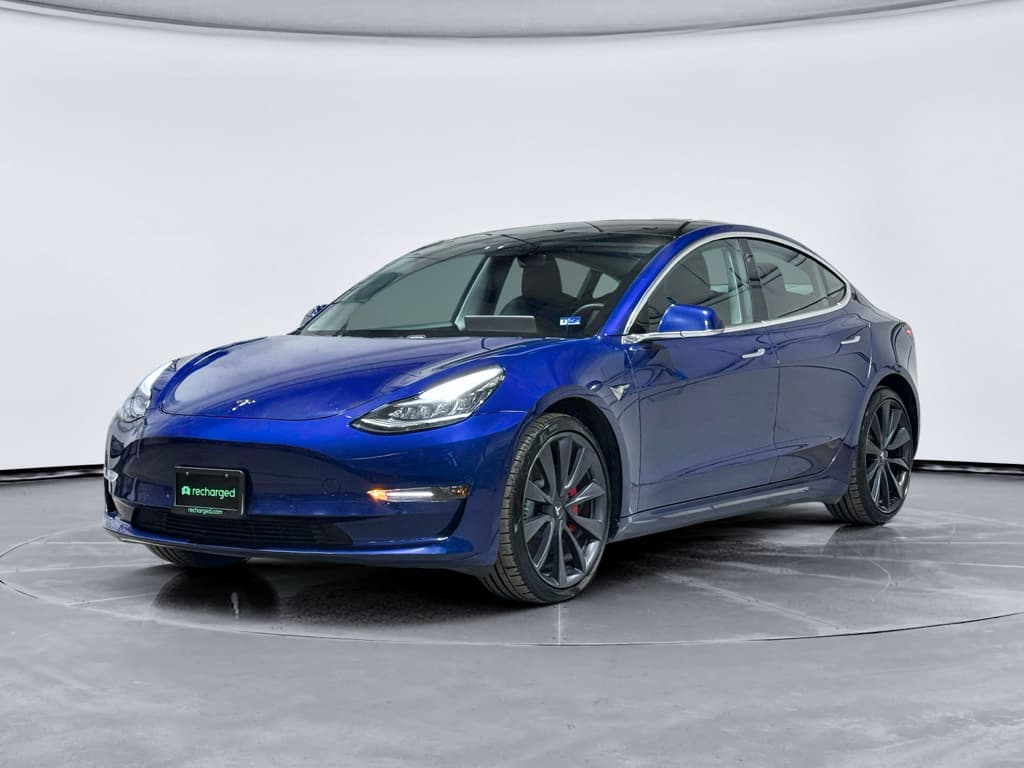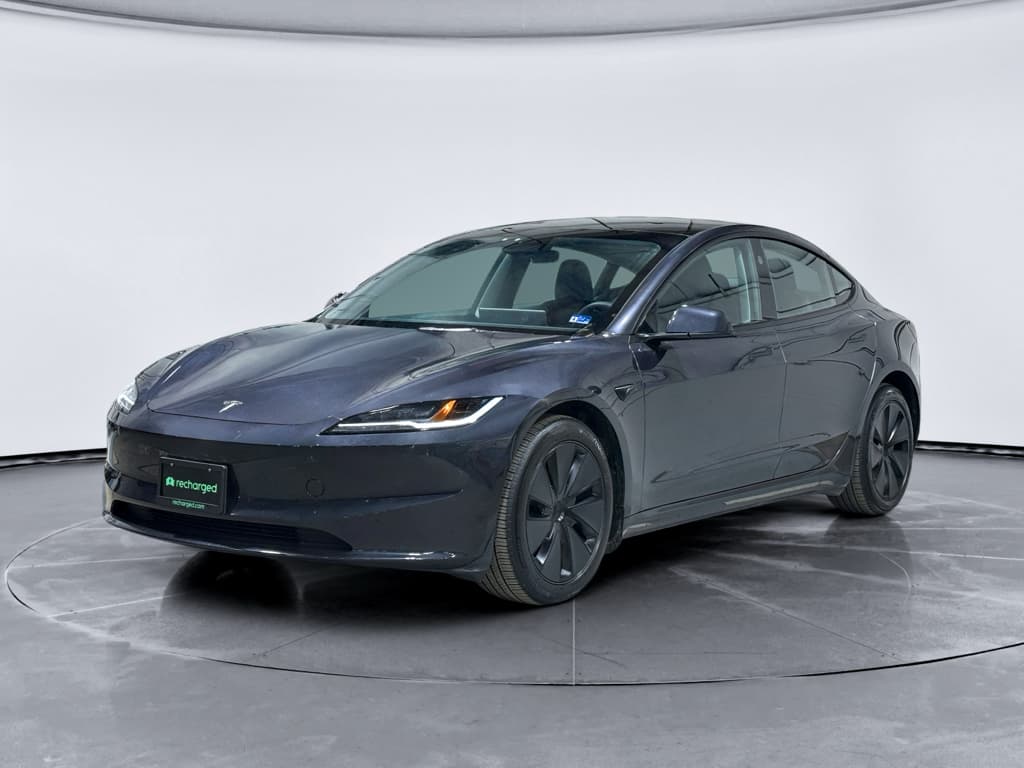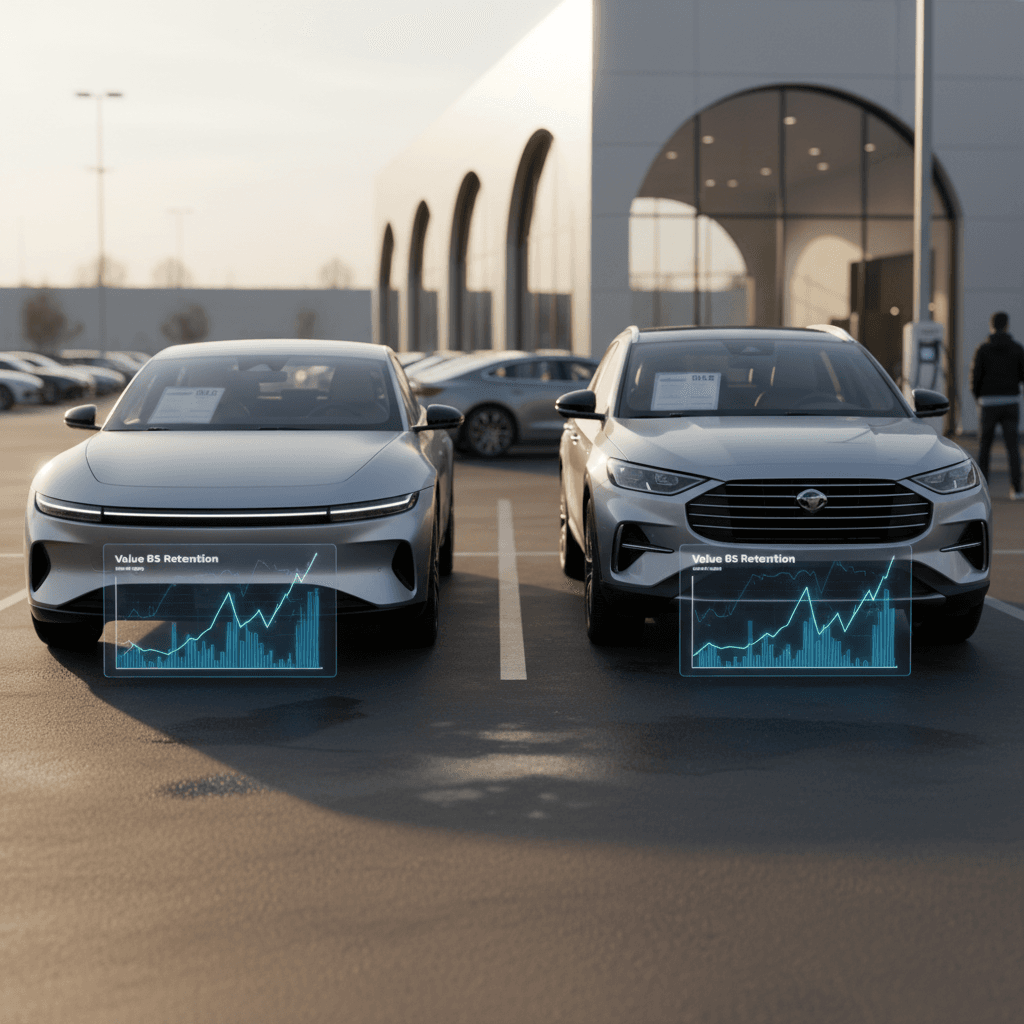
If you’re shopping today, you’ve probably heard the warning: “Electric cars tank in value; hybrids are safer.” There’s some truth in that, especially after the wild 2023–2025 EV price rollercoaster. But the real answer to “do plug in hybrids hold value better than EVs?” is more nuanced, and, if you’re buying used, it can actually work in your favor.
Big picture
Quick answer: Do PHEVs hold value better than EVs?
Short version: In the U.S. right now, yes, plug‑in hybrids usually hold their value a bit better than comparable EVs, but the gap isn’t universal, and it’s been shaped by some weird, one‑time market shocks.
- Hybrids (non‑plug) have had the strongest resale in many studies, losing roughly low‑40% of value over five years.
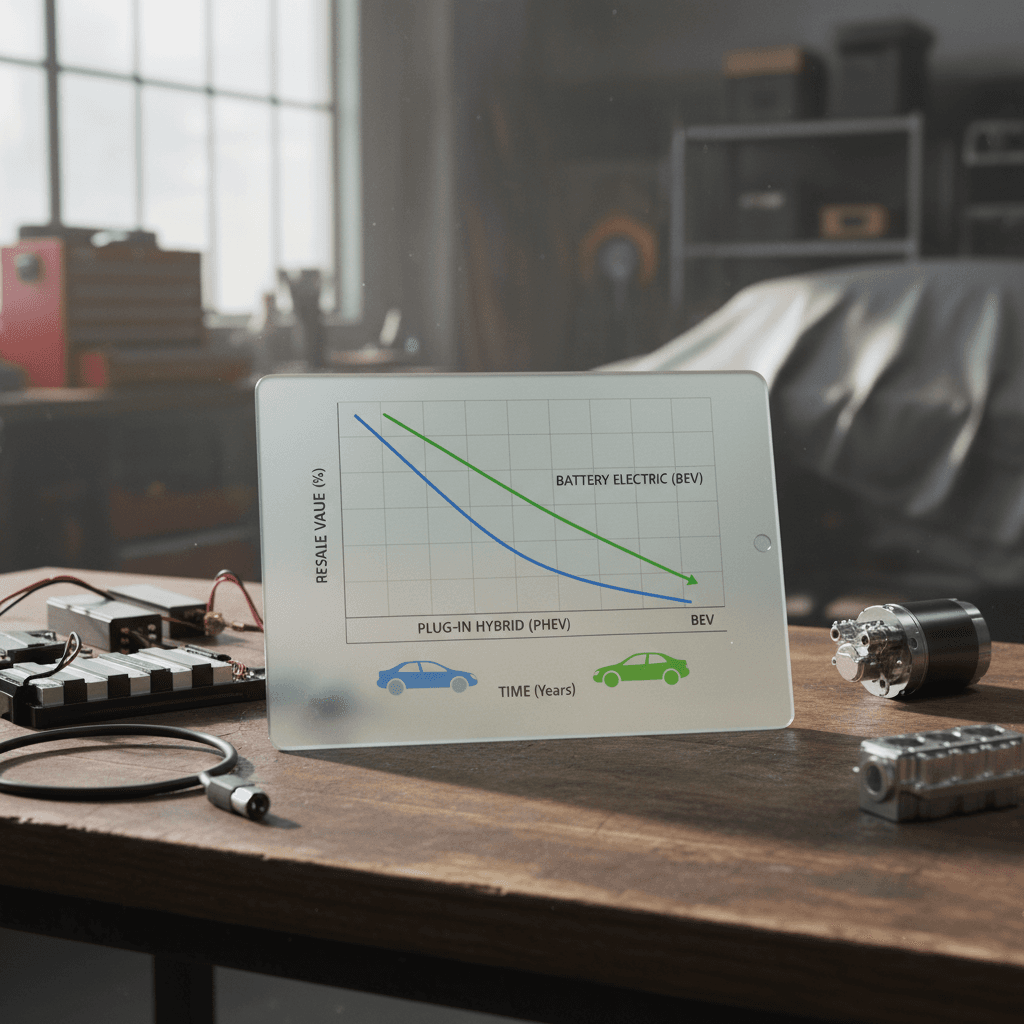
- EVs have often been the worst, with several analyses showing around 50% or more lost over five years during the 2020–2024 period as prices fell and tech raced ahead.
- PHEVs land in between: some hold value almost like a hot SUV, others depreciate like a niche EV nobody understands.
The catch is that averages hide the extremes. A Toyota RAV4 Prime can be a resale rock star. A first‑gen niche PHEV sedan? Not so much. Meanwhile, some EVs have fallen off a cliff purely because new‑car prices were slashed and incentives changed overnight.
For a used‑car shopper, that means the question isn’t just “PHEV or EV?” but “which model, in which segment, with what incentives baked in?” That’s where smart buying, and good battery data, matters.
How resale value actually works
Before you crown a winner, it helps to zoom out. Resale value is just the percentage of the original price the car still commands after X years. For EVs and PHEVs, a few factors matter more than the badge on the trunk:
- Segment and body style – Compact crossovers and trucks tend to hold value better than small sedans, regardless of powertrain.
- Brand strength and demand – A Jeep Wrangler‑based PHEV lives in a very different universe from an obscure compact plug‑in nobody asked for.
- Fuel and electricity costs – When gas prices spike, anything that can run on electrons looks smarter; when electricity rates jump or incentives vanish, the math flips.
- Battery health and range – For EVs and PHEVs alike, usable range is a huge part of perceived value.
- Policy and incentives – Tax credits pull the rug out from beneath used prices when they change suddenly, especially for EVs.
Think in total cost, not just resale
What recent data says about PHEV vs EV depreciation
Recent depreciation patterns by powertrain
In plain English: EVs, in aggregate, have been your best way to lose money quickly, while hybrids and many PHEVs have been closer to “normal” depreciation. But that’s mostly a story about timing, early‑adopter tech, fast‑moving software, and some brutal price cuts, more than a permanent law of physics.
Why EVs depreciate differently from plug‑in hybrids
Five big forces pushing EV and PHEV values apart
Same batteries, very different market psychology
1. Technology pace
2. Price cuts & incentives
3. Range anxiety vs. gas backup
4. Infrastructure reality
5. Perceived risk
6. Supply & demand quirks
Don’t overgeneralize the averages
When a plug‑in hybrid really does hold its value better
Plug‑in hybrids tend to shine in resale when they’re solving a specific problem for a specific crowd. Think of them as gateway drugs to electrification: all of the torque, some of the efficiency, none of the road‑trip anxiety. Here are cases where PHEVs usually look better on the depreciation chart than full EVs.
Strong-resale scenarios for PHEVs
High-demand segment, not a compliance car
PHEVs built on already‑hot vehicles, compact SUVs, off‑roaders, luxury crossovers, often keep values high because buyers wanted the model first, the powertrain second.
Limited supply, long waitlists
When an automaker undershoots demand for a PHEV trim, late‑model used examples can sell close to sticker. You see this with plug‑in versions of popular family SUVs more than with small sedans.
Buyers scared of full EV range
In markets where fast chargers are scarce or winters are brutal, many drivers simply won’t consider an all‑EV. That pushes demand, and prices, toward PHEVs and conventional hybrids.
Company‑car and fleet niches
Some fleets like PHEVs because they can mandate plug‑in use during the week but keep gas as a backup. When those cars hit the used market, they can be surprisingly desirable if the math works for commuters.
Where PHEVs look especially smart used
When a full EV can actually be the smarter buy
The irony of the past few years is that EVs have depreciated so hard that they can now be screaming bargains used. If someone else has already taken that 30–50% hit, you’re stepping in at the sensible end of the chart.
1. Cheap miles, cheap entry price
Electricity is still usually cheaper per mile than gasoline, especially if you can charge at home on a reasonable residential rate. Pair that with a heavily discounted used EV and your total cost of ownership might beat a higher‑resale PHEV that drinks more gas.
2. Simpler hardware, lower maintenance
EVs lose a lot of failure points: no oil changes, no exhaust, no transmission in the traditional sense. That long‑term mechanical simplicity matters, especially once the car is out of warranty.
3. You’re insulated from the initial “tech wave”
If you’re buying in 2026, you’re no longer the early‑adopter who paid full price for v1.0 hardware and then watched v2.0 double the range. Many late‑model used EVs have already stabilized; the next buyer may see much gentler year‑to‑year depreciation.
4. Urban and two‑car households
If you already have a gas car in the driveway, a used EV can handle 90% of your driving with almost no lifestyle compromise. In that setup, PHEV’s extra complexity buys you less than a full EV’s running‑cost savings.
Where Recharged fits in
Battery health: the silent driver of resale value
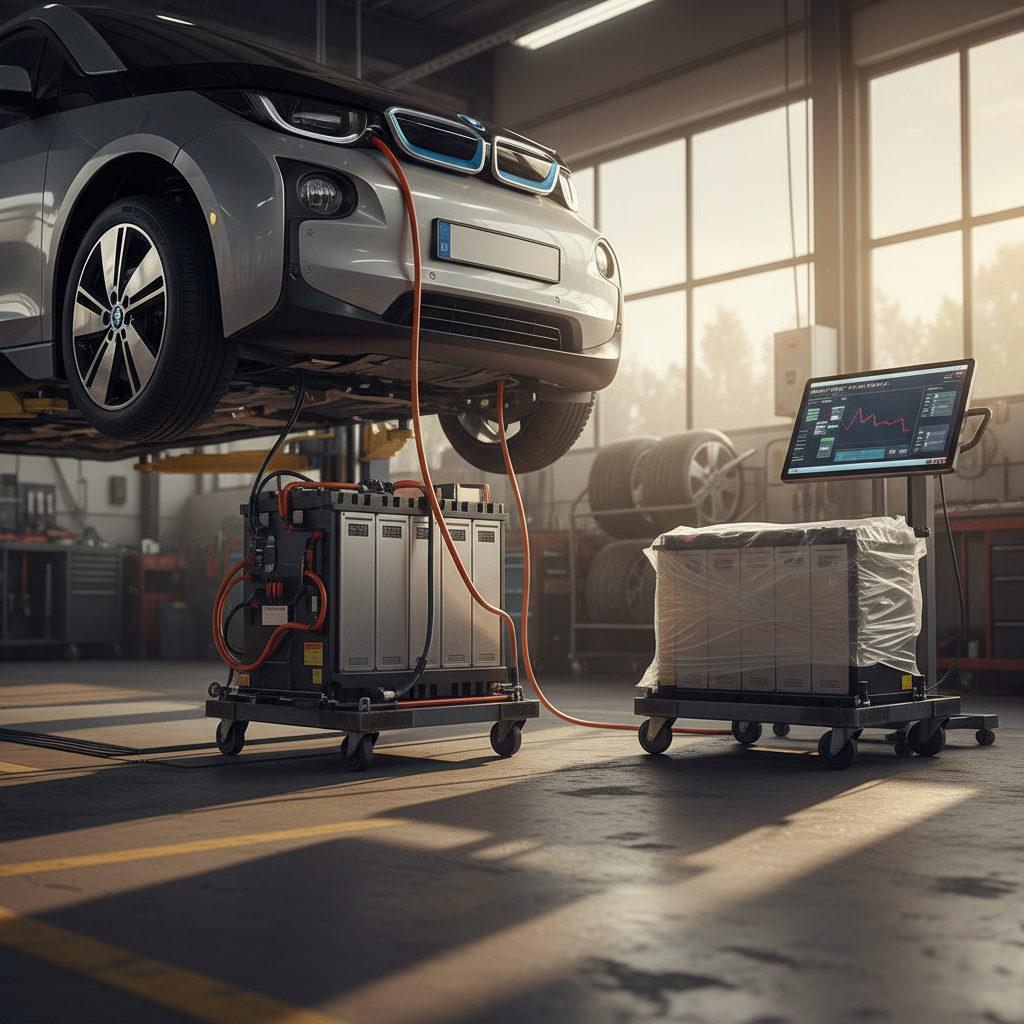
Whether it’s a 40‑mile‑range PHEV or a 300‑mile EV, the pack is the asset. Used‑market shoppers intuitively understand this, even if they can’t quote kWh specs, which is why stories about expensive battery replacements can chill prices.
How battery health shapes PHEV vs EV resale
Same chemistry, different expectations
Usable range vs sticker range
Age & fast‑charging history
Warranty perception
Always demand real battery data
How incentives and policy shocks skew resale values
If the last few years taught EV shoppers anything, it’s this: Washington can blow up your depreciation curve overnight. In the early 2020s we saw a perfect storm, new EV tax credits, then point‑of‑sale rebates, then the sunset of federal incentives by late 2025. Automakers responded with rapid price cuts. Used values didn’t stand a chance.
How policy changes ripple into resale value
Why the sticker on a three‑year‑old EV doesn’t tell the whole story of what it actually cost new.
| Event | Typical impact on new prices | Knock‑on effect in used market | Who benefits |
|---|---|---|---|
| New EV tax credit introduced or expanded | Effective transaction prices drop quickly | Used prices must fall to keep a meaningful gap between new and used | Second or third owners who buy after the adjustment |
| Tax credit or incentive ends | Some new prices rise; sales slump | Short‑term chill in used values as shoppers reassess affordability | Cash buyers and value hunters with patience |
| Aggressive new‑car price cuts (Tesla‑style) | MSRP drops thousands in a quarter | Lease residuals and used asking prices get repriced overnight | Future buyers; current owners take the hit |
| Gas prices spike | EV and PHEV demand jumps | Better retention for anything that plugs in, especially efficient hybrids and PHEVs | Owners of efficient models; shoppers pay more up front |
Understanding the policy backdrop helps explain why some EVs look like shockingly bad deals on paper, and why that can be an opportunity for used buyers.
Beware of comparing “losses” across model years
Practical buying strategies for 2026 shoppers
So how do you use all of this without turning your next car purchase into a PhD thesis? A few practical playbooks depending on your life and your risk tolerance.
Choose your playbook: PHEV vs EV in 2026
The cautious first‑time plug‑in buyer
Target a <strong>plug‑in hybrid SUV</strong> or crossover with at least 30–40 miles of electric range.
Look for models with historically strong demand in their gas or hybrid versions, resale follows popularity.
Buy 2–4 years old to dodge the steepest new‑car drop but still enjoy remaining battery warranty.
Factor in gas use honestly: if you’ll rarely plug in, a conventional hybrid may be smarter than a PHEV.
The value‑hunter commuter
Look at <strong>3–5‑year‑old EVs</strong> that took the big hit already; total cost can undercut PHEVs despite weaker resale.
Prioritize models with stable software support and solid reliability rather than chasing absolute max range.
Verify home charging is easy and affordable; that’s where EVs print money compared with gas.
Use tools like the <strong>Recharged Score Report</strong> to compare real‑world battery health across candidates.
The road‑trip family
If you do several long trips a year and live far from reliable DC fast chargers, a <strong>PHEV or efficient hybrid</strong> probably pencils out better.
In PHEVs, test whether the gas‑only fuel economy is acceptable; some get thirsty once the pack is depleted.
Consider an EV only if your typical routes are well‑served by fast charging and you’re comfortable planning stops.
Pay attention to cargo space, some older PHEVs lose trunk volume to battery packaging.
The tech‑forward early adopter
Accept that you’re subsidizing the next owner through depreciation; buy what you love and can afford.
Favor EVs with robust update roadmaps and strong charging networks; those support better resale even in a fast‑moving tech race.
Leasing can be your friend if you want constant access to the latest software and hardware.
If you plan to flip the car in 2–3 years, stick to high‑demand trims and colors in popular segments.
Checklist before you choose PHEV or EV based on resale
1. Compare model‑specific depreciation, not just powertrain
Look up actual 3–5‑year resale history for the exact models on your list. A hot EV can beat a lukewarm PHEV, and vice versa.
2. Map your charging reality
If you can charge easily at home and rarely road‑trip, EV depreciation becomes less scary because you’re exploiting its strengths daily.
3. Look beyond MSRP to incentives and history
Ask what the car really cost when new after tax credits and discounts. That often explains why the used price looks “too low.”
4. Get independent battery health data
On Recharged, battery diagnostics are baked into the Recharged Score. Elsewhere, insist on a scan rather than guessing from the range gauge.
5. Run a 5‑year total cost of ownership
Include purchase price, depreciation, fuel or electricity, maintenance, insurance, and taxes. The winner on paper resale isn’t always the cheapest to live with.
FAQ: PHEV vs EV resale value
Frequently asked questions
Bottom line: Should you chase the "better" resale?
If you’re asking whether plug‑in hybrids hold their value better than EVs, you’re really asking how much risk you’re willing to carry for technology that’s changing fast. In the recent past, PHEVs and conventional hybrids have clearly out‑performed most EVs on resale, thanks to tamer price swings and fewer question marks about charging. But those same dynamics have also turned many late‑model EVs into relative bargains for second and third owners.
The smart move in 2026 isn’t to swear allegiance to one drivetrain. It’s to pick the right car for your life, then buy it at the right point on its curve, armed with real battery data and a clear view of incentives and running costs. That’s exactly the problem Recharged was built to solve: transparent used EV and PHEV listings, verified battery health, and expert guidance so depreciation becomes a tool you use, not a surprise you suffer.