Buy an EV

  • EVs for sale
  • Learn about EVs
  • Articles
  • Charging

Sell or trade

  • How it works

Financing

  • Get pre-qualified
  • Credit application

Contact us

  • Book a consultation
  • Call us at (804) 390-5910
  • Email us at hello@recharged.com
  • Visit our Experience Centers
    • Richmond, VA
    • Fairfax, VA
    • Charlotte, NC

© 2025 Recharged. All Rights Reserved.

7-Day Return Policy·Privacy Policy·SMS Opt-In·Do Not Sell or Share My Information·
TikTokYouTubeInstagramLinkedInFacebook
    Do EV Tires Wear Faster? Real-World Data, Causes, and Fixes
    Ownership & Costs·9 min read·By Recharged Editorial Team

    Do EV Tires Wear Faster? Real-World Data, Causes, and Fixes

    ev-tiresev-maintenanceev-ownership-costsbattery-healthused-ev-buyingtire-wearev-vs-iceregenerative-braking

    Table of Contents

    • Do EV tires wear faster? The short answer
    • Why EV tires wear faster: 4 key drivers
    • How much faster do EV tires wear, in miles?
    • EV tires vs regular tires: what’s actually different?
    • 7 ways to make your EV tires last longer
    • Tire wear and buying a used EV
    • The environmental angle: tire dust and EVs
    • FAQ: EV tire wear, cost, and care
    • Bottom line: should faster EV tire wear worry you?

    If you’ve heard that EV tires wear faster, you’re not imagining things. Compared with similar gas cars, studies and tire makers report that many electric vehicles can go through tires about 15–30% faster, mainly because of weight and instant torque. The good news: with the right tires and a few habits, you can keep costs predictable, and know what to look for if you’re shopping for a used EV.

    At a glance

    Most modern EVs wear tires roughly 15–30% faster than comparable gas cars. Expect many EVs to need tires around 20,000–30,000 miles instead of the 40,000–50,000 miles many ICE drivers are used to, though gentle driving and good maintenance can stretch that considerably.

    Do EV tires wear faster? The short answer

    What current data says about EV tire wear

    15–20%
    Average extra wear
    Several tire makers say EVs typically wear tires 15–20% faster than similar gas cars.
    20–30k
    Common EV tire life (mi)
    Many mainstream EVs need new tires around 20,000–30,000 miles, especially crossovers and performance models.
    30%
    Heavier on avg
    A typical EV can be roughly 20–30% heavier than a similar ICE vehicle because of the battery pack.
    2× flats
    More tire issues
    Roadside-assistance data shows EVs experience tire problems almost twice as often as ICE vehicles, largely due to weight and pothole impacts.

    Across multiple studies and tire makers, the consensus is clear: yes, EVs are harder on tires. Michelin and others say EV tires often wear about 20% faster than those on internal-combustion vehicles, and some analyses put the range between roughly 15% and 30% depending on model, tire choice, and driving style. That doesn’t mean your EV will shred tires overnight, but it does mean you should budget for somewhat more frequent replacements than you might be used to with a gas car.

    Don’t confuse EV tire wear with a “defect”

    Faster tire wear on an EV usually isn’t a sign that something’s wrong with the car. In many cases it’s a combination of weight, torque, and soft, grippy tire compounds. The real question is whether you’re managing that wear smartly, through tire selection, rotation, and driving style.

    Why EV tires wear faster: 4 key drivers

    Four forces that chew through EV tires

    Weight, torque, regen, and tire design all play a role

    1. Extra weight from the battery

    EV battery packs add hundreds of pounds, which means each tire is carrying more load. That extra mass shows up every time you accelerate, corner, or slam into a pothole. Heavier vehicles also need more grip to stop, so manufacturers often use stickier compounds that trade longevity for traction and range.

    2. Instant torque and hard launches

    Electric motors deliver maximum torque almost instantly. Mash the accelerator and the tires have to translate that hit into forward motion. Do that day after day, especially on powerful EVs, and you effectively sandpaper away tread faster than you would in a slower, less torquey gas car.

    3. Regenerative braking loads the tires

    Regen saves your brake pads, but it shifts more of the deceleration forces to the contact patch between the tire and the road. In stop‑and‑go driving or on steep hills, that additional friction compounds the wear you already get from weight and torque.

    4. EV-specific tire compounds and trade‑offs

    To hit range targets and keep cabins quiet, many EVs ship with low‑rolling‑resistance, acoustically tuned tires. These often use specialized rubber and construction. They’re great for efficiency and noise, but the mix of soft compound for grip and stiff structure for weight can mean shorter tread life than a long‑wear touring tire on a gas sedan.

    It’s not just the car, it’s the driver

    Two identical EVs on the same tires can see very different wear. The owner who accelerates gently, keeps pressures in spec, and rotates on schedule may get tens of thousands more miles than the driver who treats every green light like a drag strip.

    How much faster do EV tires wear, in miles?

    The phrase “EV tires wear faster” is vague. What most owners want to know is: how many miles can I realistically expect? Actual numbers vary widely by model and driving, but recent testing, surveys, and owner reports paint some useful ranges.

    Typical real-world tire life: EV vs similar gas vehicles

    Approximate ranges based on public testing, tire-industry data, and owner reports. Your results will depend on wheel size, tire type, alignment, climate, and how (and where) you drive.

    Vehicle typeTypical EV tire lifeComparable ICE tire lifeRelative wear
    Compact/mid-size car25,000–35,000 mi40,000–50,000 mi~20–30% faster wear
    Compact/mid-size crossover20,000–30,000 mi35,000–45,000 mi~20–30% faster wear
    Performance EV (sport sedan/SUV)15,000–25,000 mi30,000–40,000 miUp to ~40% faster wear
    Carefully driven efficiency-focused EV30,000–40,000+ mi40,000–60,000 miModerate difference

    Use these numbers as planning ranges, not promises.

    How to read those numbers
    If you’re coming from a gas car where tires lasted 50,000 miles, it’s reasonable to pencil in the same style of EV at closer to 30,000–40,000 miles, less if you drive aggressively or own a heavy three‑row SUV, more if you prioritize smooth driving and maintenance.
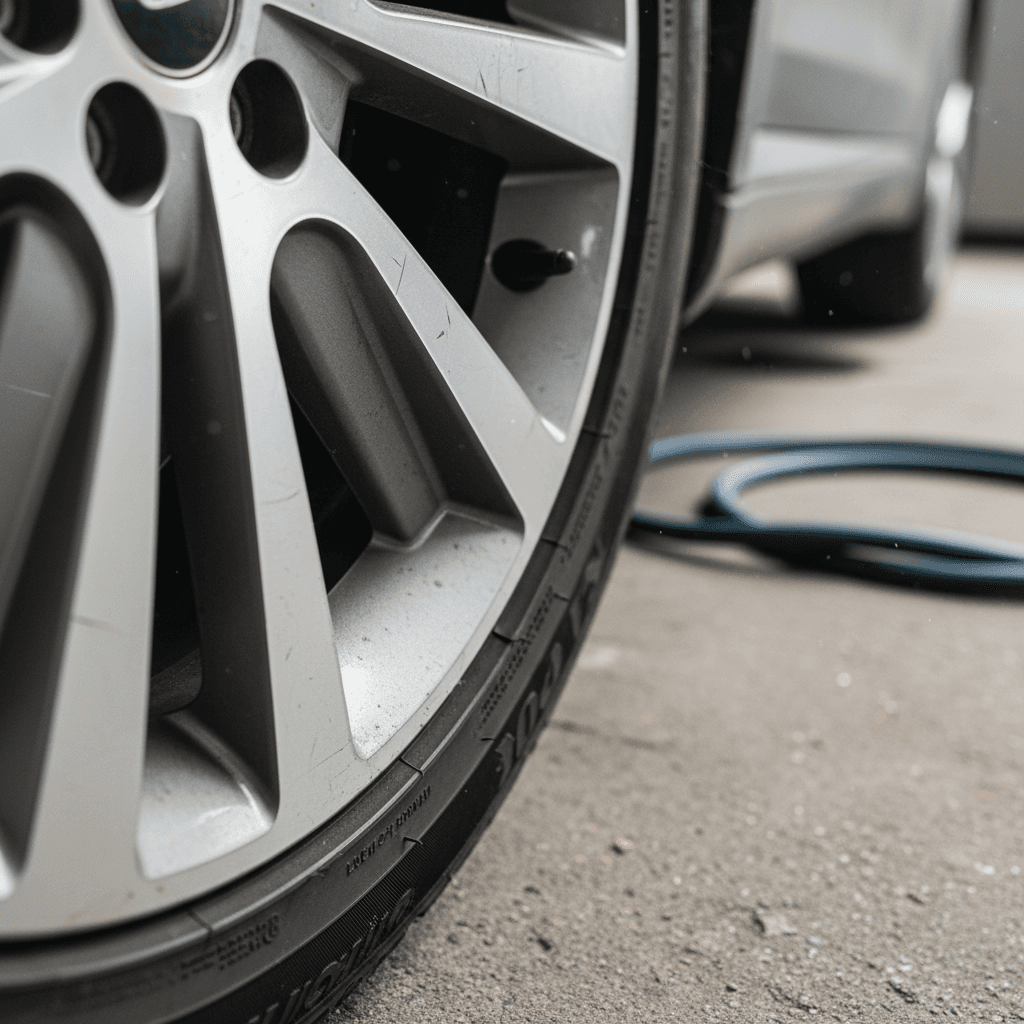
    Close-up of an electric vehicle tire showing detailed tread pattern on pavement
    Checking tread depth regularly is even more important on EVs, where extra weight and torque can accelerate wear.

    EV tires vs regular tires: what’s actually different?

    What makes an EV tire an “EV tire”?

    • Higher load ratings: Many EV tires are XL or high‑load designs to support heavier curb weights without overheating.
    • Low rolling resistance: Compounds and tread patterns are tuned to reduce energy loss, helping range.
    • Noise reduction features: Some add foam liners or specific tread designs to keep quiet cabins quiet.
    • Grip under torque: Tread and rubber are engineered to handle strong launches without losing control.

    What happens if you fit “regular” tires?

    • Faster wear: Tire shops often see 15–30% faster wear when non‑EV tires are fitted to EVs.
    • Less range: Higher rolling resistance can cut range noticeably, sometimes around 5–10%.
    • More noise: Without EV‑tuned noise tech, you may notice more road roar at highway speeds.
    • Potential warranty questions: Using tires outside manufacturer specs can raise issues in rare cases; always check your manual.

    Regular tires aren’t automatically unsafe, but they may be false economy

    You can physically mount many “regular” tires on an EV, but if they’re not rated for the weight or torque, they may run hotter, wear much faster, or compromise emergency handling. Saving $40–$60 per tire up front doesn’t pencil out if you have to replace them 10,000–15,000 miles sooner.

    7 ways to make your EV tires last longer

    Practical steps to stretch EV tire life

    1. Dial back hard launches

    Instant torque is addictive, but every full‑throttle start scrubs rubber off the tread. Accelerate briskly rather than aggressively and save the “wow” moments for when you really care about acceleration.

    2. Use eco or comfort drive modes

    Many EVs soften throttle response and limit peak power in eco/comfort modes. That not only extends range but also reduces the shock loads that chew up front tires.

    3. Check tire pressures monthly

    Because EVs are heavy, running even a few PSI low can dramatically increase heat and wear. Use the pressure shown on the door jamb, not the sidewall maximum. Check pressures when tires are cold.

    4. Rotate on schedule (or a bit early)

    For many EVs, <strong>every 5,000–7,500 miles</strong> is a smart rotation interval. Front tires often wear faster due to steering and regen, so regular front‑to‑rear rotation evens things out.

    5. Keep alignment in spec

    If your EV pulls, the wheel is off‑center, or you see edge wear on one tire, get an alignment. Heavier EVs amplify small alignment errors, shortening tire life and hurting efficiency.

    6. Choose the right tire category

    Ultra‑high‑performance summers on a 5,000‑lb EV are going to vanish quickly. If you value longevity and comfort over maximum grip, look for all‑season touring or EV‑specific tires with higher treadwear ratings.

    7. Mind wheel size and curb weight

    Big 20‑ or 21‑inch wheels look great but put a thin sidewall between heavy curb weight and rough roads. If you’re spec‑ing a new EV or shopping used, smaller wheels with thicker sidewalls typically ride better and last longer.

    What “good” EV tire life looks like

    If you’re getting roughly 30,000 miles out of a set of quality tires on a mainstream EV, and you’re rotating, aligning, and driving reasonably, that’s solid performance today. Anything above that is a win.

    Tire wear and buying a used EV

    If you’re shopping for a used EV, tires are one of the fastest ways to gauge how the car has been driven, and what your near‑term costs look like. Aggressive or uneven tire wear can hint at hard launches, lots of urban stop‑and‑go, or neglected maintenance like rotations and alignments.

    How to read tire wear on a used EV

    Simple visual checks can tell you a lot in a few minutes

    Tread depth and evenness

    Look across the width of each tire. Are the inside and outside shoulders close to the same depth? Very shallow tread on a relatively low‑mileage EV can indicate hard use or cheap replacement tires.

    Inside vs outside shoulder wear

    Heavy wear only on the inside or outside edges can signal alignment issues or a suspension problem. On a heavy EV, that can eat through tires quickly and may point to repairs that haven’t been done.

    Match age, mileage, and brand

    Compare tire age (DOT date code), odometer, and brand/model. Nearly new budget tires on a late‑model EV could mean the original EV‑specific tires wore out fast. That’s not a deal‑breaker, but it’s a negotiation point.

    Where Recharged fits in

    Every vehicle listed on Recharged comes with a Recharged Score Report that includes verified battery health and a detailed condition overview. While you should always look at tires yourself, having expert eyes on the vehicle’s history and condition can give you added confidence when you’re budgeting for future tire and maintenance costs.

    The environmental angle: tire dust and EVs

    There’s a growing conversation about non‑exhaust emissions, things like brake dust and tire particles. EVs virtually eliminate tailpipe emissions, but their extra weight and torque can mean more tire dust than a comparable gas car if tire wear isn’t managed carefully.

    • More weight and acceleration can increase the tiny rubber particles shed from tires over time.
    • Those particles don’t just disappear; they end up in roadside soil, air, and, eventually, waterways.
    • Tire makers are responding with new compounds designed to last longer and shed fewer particles, especially on EVs.
    • Driving smoothly, keeping tires inflated correctly, and avoiding chronic over‑loading all reduce tire particle output.

    EVs are still a net win, but details matter

    Even factoring in higher tire wear, modern EVs dramatically cut total emissions versus comparable gas vehicles, especially when powered by a cleaner grid. Paying attention to tire choice and maintenance lets you keep both your costs and your environmental footprint down.

    FAQ: EV tire wear, cost, and care

    Frequently asked questions about EV tires

    Bottom line: should faster EV tire wear worry you?

    Electric vehicles do ask more of their tires than comparable gas cars. For most owners, that means budgeting for replacements a bit sooner, think 20,000–30,000 miles instead of 40,000–50,000, especially on heavier crossovers and performance models. But EV tire wear isn’t a hidden disaster waiting to wreck your budget, as long as you go in with clear expectations.

    Choose tires designed for your EV, rotate and align them on schedule, keep pressures in spec, and drive with a light enough foot that instant torque is a feature, not a tire‑shredding party trick. If you’re considering a used EV, build tire condition and near‑term replacement into your price negotiation. And if you’re browsing options on Recharged, you’ll get that extra layer of transparency from our Recharged Score Report, so the hardest‑working parts of the car, from battery to tires, don’t surprise you after delivery.
    EVs on Recharged

    See all →
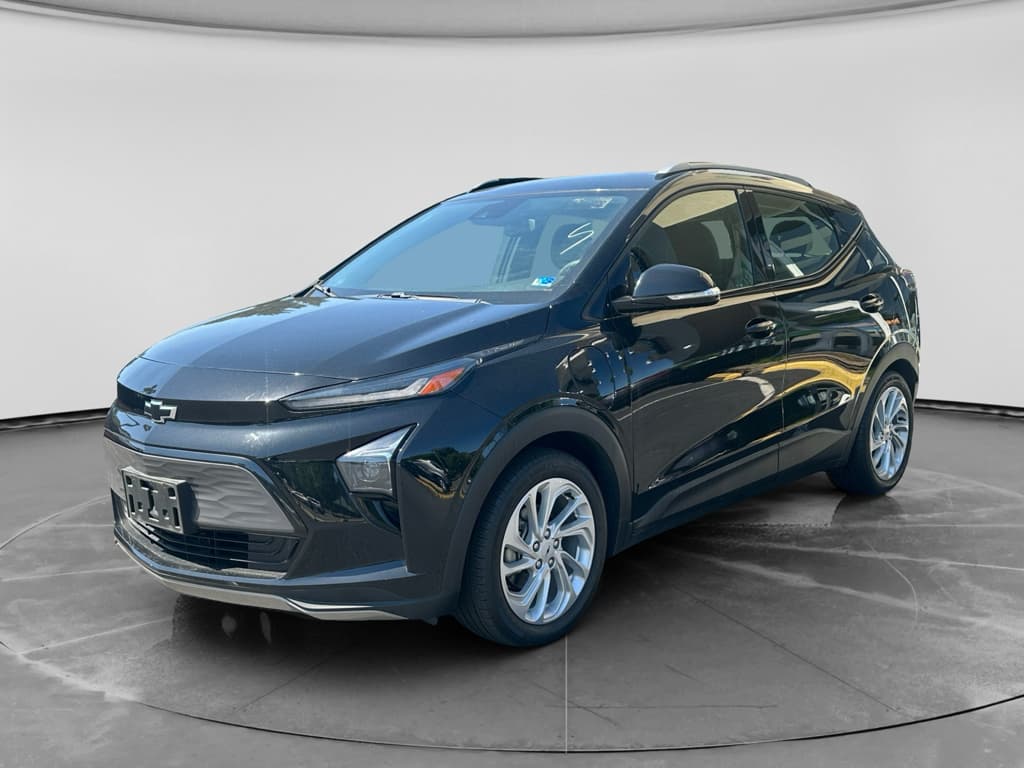
    2023 Chevrolet Bolt EUV

    2023 Chevrolet Bolt EUV

    LT•12K mi•247 mi range
    Pending Recharged Score
    $21,597
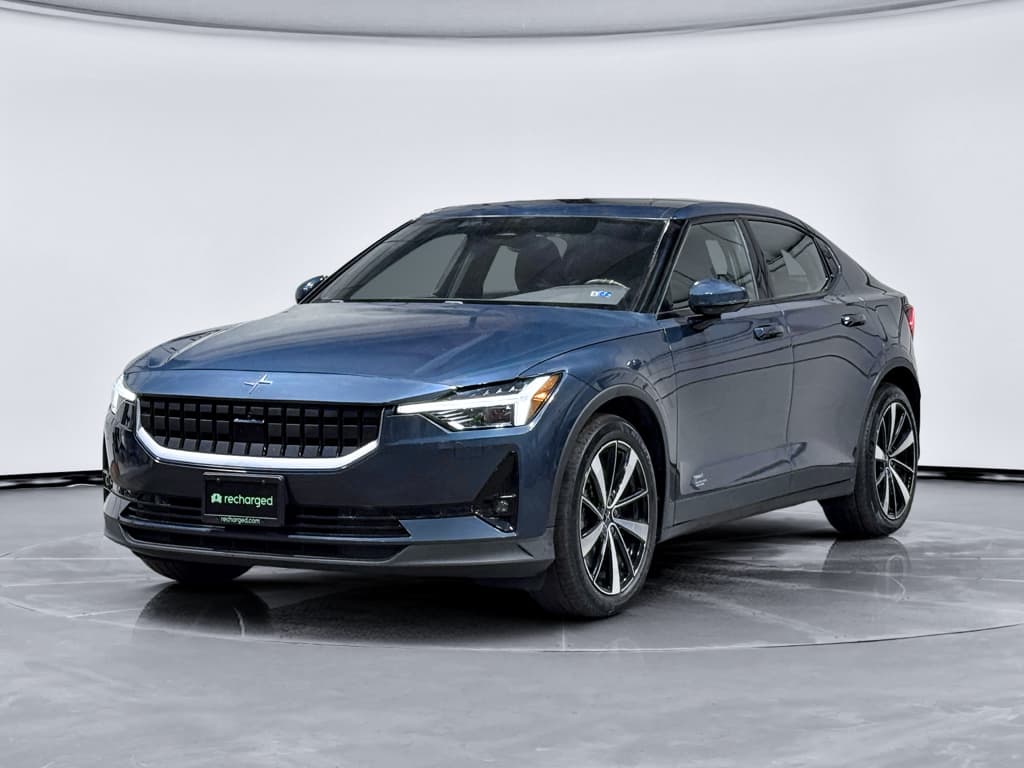
    2021 Polestar Polestar 2

    2021 Polestar Polestar 2

    Base•41K mi•217 mi range
    4.8/5Recharged Score
    $22,998
    2019 Tesla Model 3

    2019 Tesla Model 3

    Standard Range Plus•66K mi•210 mi range
    4.7/5Recharged Score
    $19,699

    Related Articles

    2025 BMW i5 Range Test: Real‑World Results vs EPA Ratings
    Reviews & Comparisons·9 min

    2025 BMW i5 Range Test: Real‑World Results vs EPA Ratings

    See how the 2025 BMW i5 performs in real-world range tests vs EPA estimates, plus tips to maximize range and compare trims before you buy new or used.

    bmw-i52025-modelsbattery-and-range
    Is the Kia EV9 Worth Buying in 2026? A Practical 3-Row EV Guide
    Reviews & Comparisons·10 min

    Is the Kia EV9 Worth Buying in 2026? A Practical 3-Row EV Guide

    Wondering if the Kia EV9 is worth buying in 2026? Compare pricing, range, tax credits, reliability and alternatives to decide if this 3-row electric SUV fits you.

    kia-ev9three-row-ev-suvev-buying-guide
    2024 Nissan Leaf Range Test: Real‑World Results, Battery, and Used-Buyer Tips
    Battery & Range·10 min

    2024 Nissan Leaf Range Test: Real‑World Results, Battery, and Used-Buyer Tips

    See how the 2024 Nissan Leaf really performs in range tests vs its 149–212 mile EPA ratings. Learn real-world highway range, efficiency tips, and used-buying advice.

    nissan-leaf2024-model-yearbattery-range