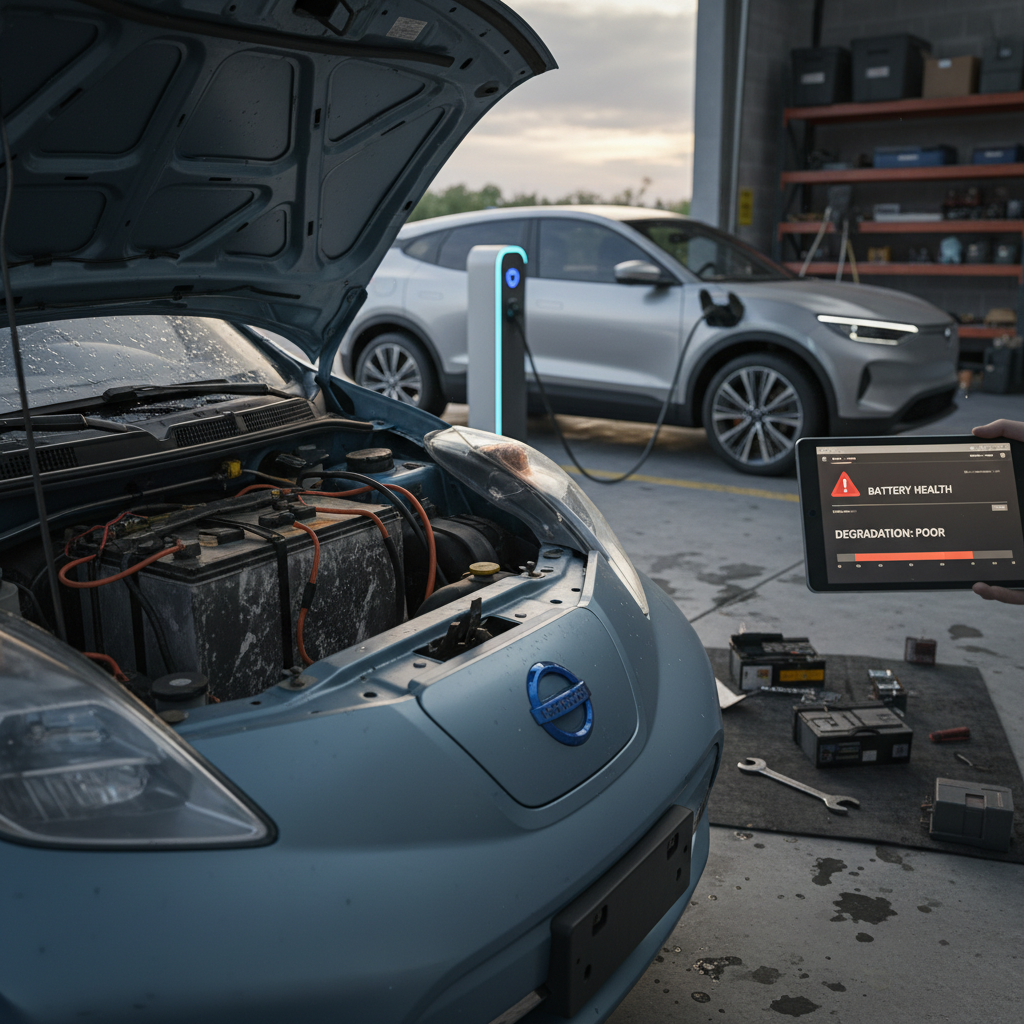
If you’re looking at your first electric car, it’s perfectly fair to ask: do electric cars use gas at all, or are you done with gas stations forever? The honest answer is, “it depends on the type of electric vehicle you choose”, and understanding that difference can save you thousands of dollars and a lot of frustration.
Key takeaway in one line
Do electric cars use gas? The short answer
- Battery-electric vehicles (BEVs) – 100% electric, no gas tank and no exhaust pipe. These never use gasoline.
- Plug-in hybrid electric vehicles (PHEVs) – Have both a battery and a gas engine. They can and do use gas, especially on longer trips or if you don’t plug in often.
- Range-extender EVs – Mostly electric, but carry a small gas engine that acts as a generator for backup power. They use gas only when the battery is low.
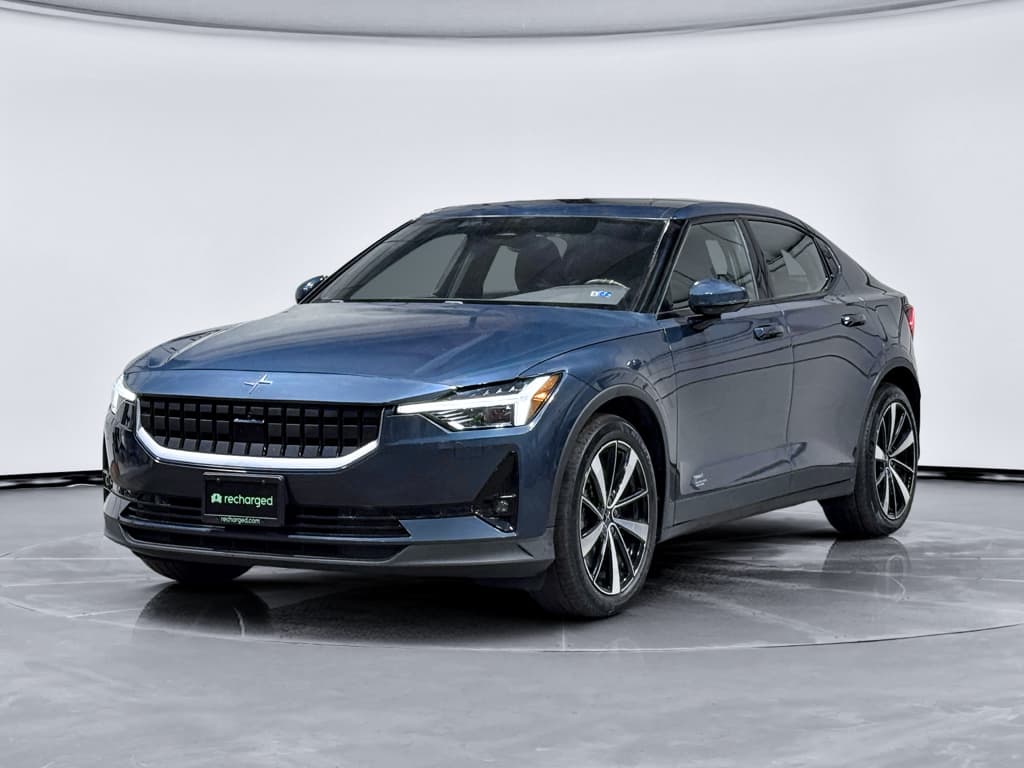
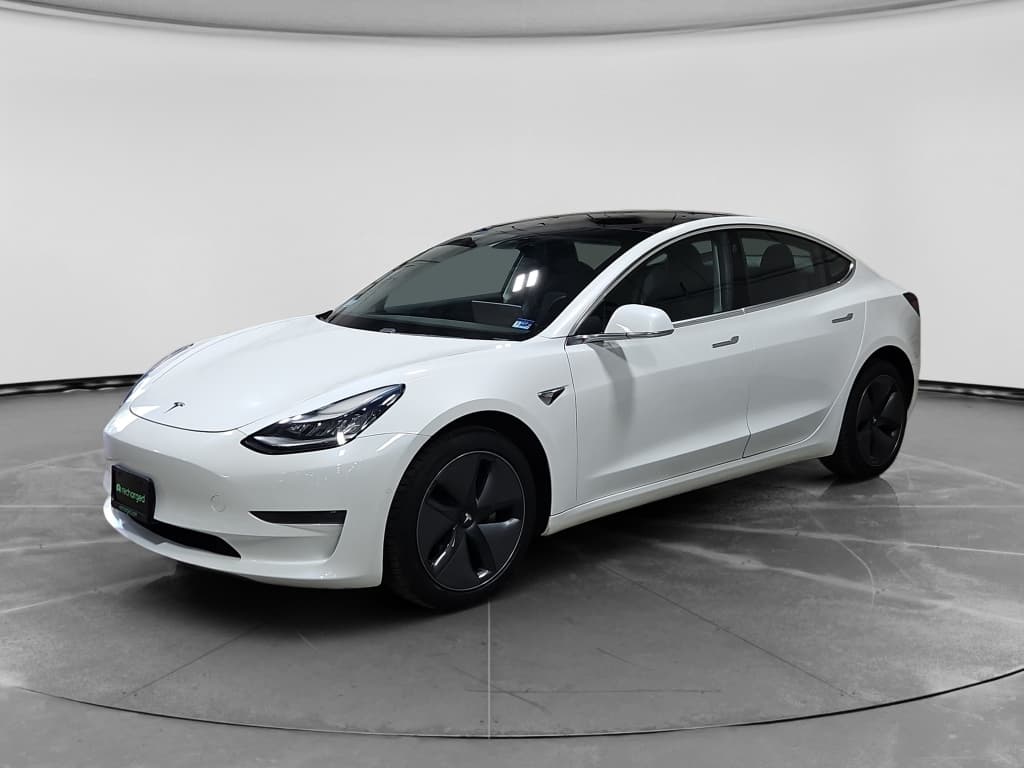
When people say “electric car,” they usually mean a battery-electric vehicle like a Tesla Model 3, Nissan LEAF, Hyundai IONIQ 5, or Chevy Bolt. Those cars are gas-free by design. But models like the Toyota Prius Prime, Ford Escape Plug‑In Hybrid, or Mitsubishi Outlander PHEV are plug‑in hybrids, part EV, part gas car.
A simple rule of thumb
The three main types of electric vehicles
How different “electric” cars use fuel
From gas‑free to gas‑optional to gas‑assisted
Battery‑electric (BEV)
Fuel: Electricity only
Gas tank: None
Best for: Drivers who can charge at home or work and want to quit gas entirely.
Plug‑in hybrid (PHEV)
Fuel: Electricity + gasoline
Gas tank: Yes
Best for: Drivers with mixed driving, short electric trips, plus road‑trip flexibility.
Range‑extender EV
Fuel: Electricity first, gas only as backup
Gas tank: Small
Best for: Mostly‑electric driving with a safety net for rare long journeys.
Automakers and even dealerships often toss all of these into the same bucket: “electrified” or “electric.” That’s how you end up test‑driving something with a battery and still smelling gasoline later. To make a smart decision, especially on a used car, you’ll want to know exactly which type you’re looking at.
Battery-electric cars: the EVs that never use gas
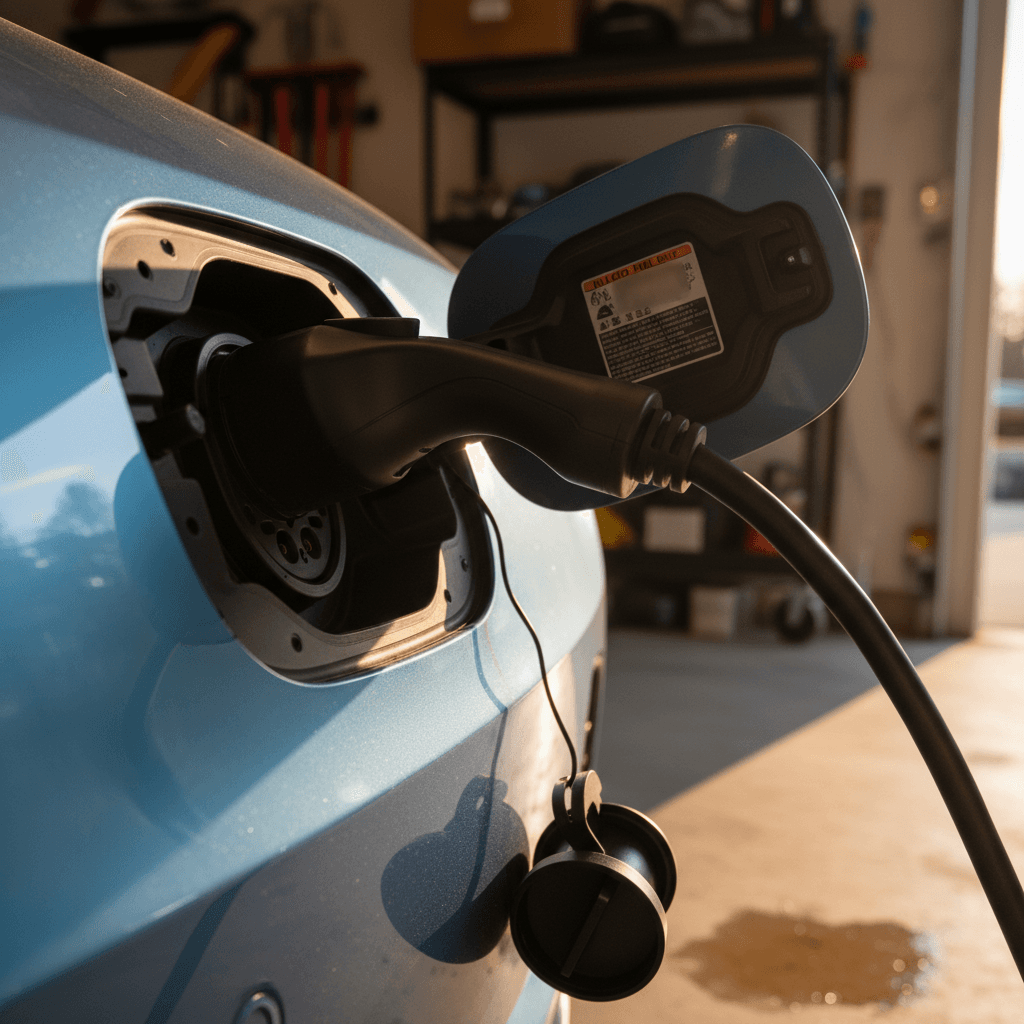
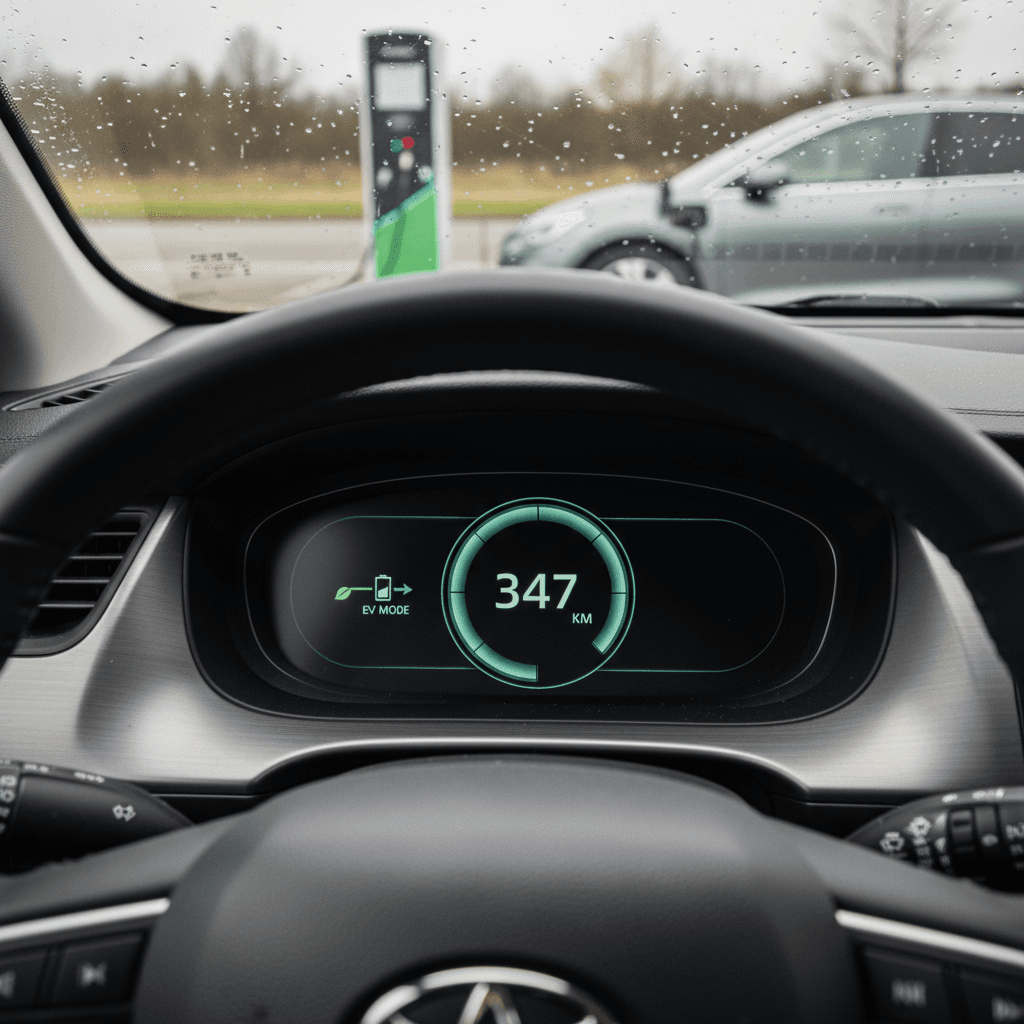
A battery‑electric vehicle (BEV) runs entirely on electricity stored in a large battery pack. There is no gasoline engine, no fuel tank, no oil changes, and no tailpipe. When you “fill up,” you plug in.
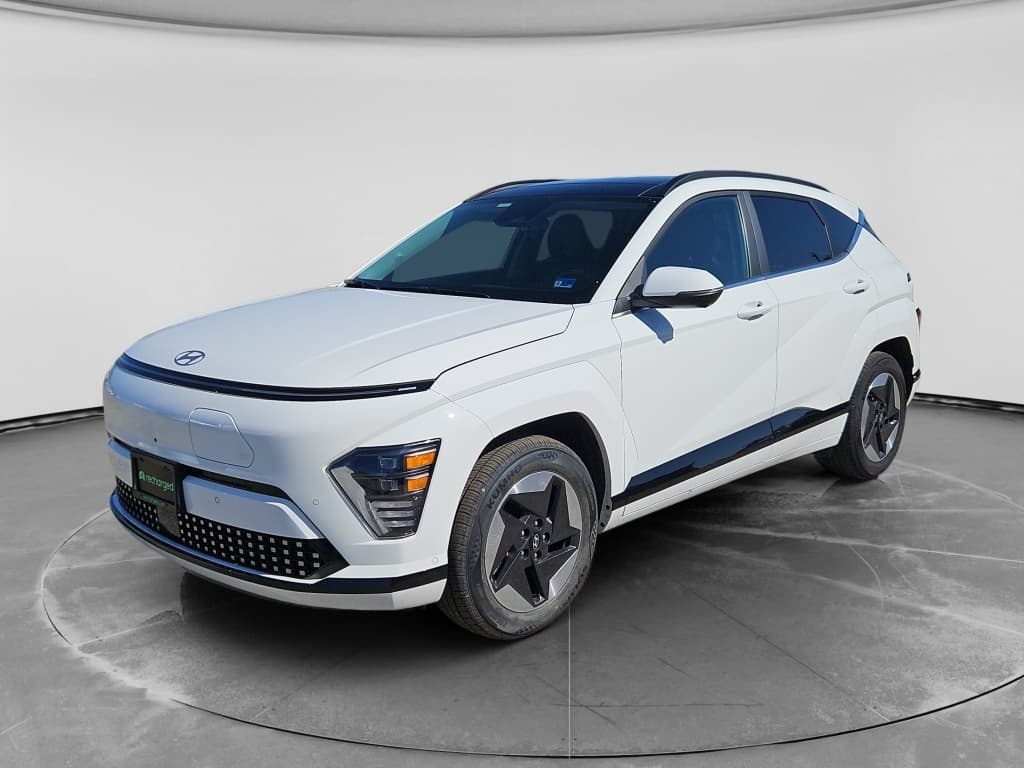
- Examples: Tesla Model 3/Y, Chevy Bolt EV/EUV, Hyundai IONIQ 5, Kia EV6, Ford Mustang Mach‑E, Nissan LEAF, VW ID.4.
- Typical range: About 150–350 miles on a full charge, depending on model and battery size.
- Charging: At home from a standard outlet (slow) or a 240V Level 2 charger (much faster), plus public charging stations when you’re on the road.
No gas means simpler maintenance
When you buy a used BEV, your fuel cost is essentially your power bill. Depending on local electricity rates, many U.S. drivers pay the equivalent of about $0.02–$0.06 per mile of driving, often far less than gasoline for the same miles. The main thing to check isn’t fuel; it’s battery health and real‑world range, which is exactly what the Recharged Score Report is built to show.
Plug-in hybrids: yes, these electric cars do use gas
A plug‑in hybrid electric vehicle (PHEV) splits the difference between a gas car and a BEV. It has a battery big enough for a modest all‑electric range, often 15–60 miles, plus a gasoline engine that can take over once the battery runs down.
- If you charge regularly and most of your trips are short, you may burn very little gas.
- If you rarely plug in, a PHEV behaves a lot like a regular hybrid, carrying battery weight but still relying mostly on gasoline.
- On road trips, you fuel up at a gas station just like a conventional car, then recharge later when it’s convenient.
Real‑world PHEV fuel use can surprise you
Do electric cars use gas? BEV vs PHEV at a glance
How fully electric cars compare with plug‑in hybrids on fuel, range, and maintenance.
| Feature | Battery‑Electric (BEV) | Plug‑In Hybrid (PHEV) |
|---|---|---|
| Uses gasoline? | No, electricity only | Yes, when battery is low or by design |
| Tailpipe | None | Yes |
| All‑electric range | ~150–350 miles typical | ~15–60 miles typical |
| Long trip refueling | Public fast charging or slower Level 2 | Gas stations + optional charging |
| Maintenance | Fewer moving parts, no oil changes | Engine + electric system, similar to gas car plus charging hardware |
Understanding these differences will help you choose an EV that fits your driving style.
If you’re nervous about charging infrastructure or you can’t charge at home, a plug‑in hybrid can be a useful bridge: you get some electric miles plus the safety net of gasoline. Just be realistic, this is still a vehicle that uses gas, and its cost of ownership will look more like a gas car than a BEV if you don’t plug in.
Range-extender EVs: a special case between EV and hybrid
A range‑extender EV (sometimes called a series hybrid) is mostly an electric car with a relatively small battery, supported by a gasoline generator that kicks on only when the battery is low. The BMW i3 REx is a classic example: it drives on electricity, and the small gas engine acts like a portable generator to keep you moving to the next charger.
- You drive on electricity until the battery drops to a set level.
- Then a small engine starts, not to drive the wheels directly, but to generate electricity.
- You still have a fuel door and a gas tank, but they’re there as a backup, not the primary fuel source.
Why range extenders are rare now
From a fuel perspective, range‑extender EVs do use gas, but often far less than a typical plug‑in hybrid, especially if your daily driving is within the battery’s range. When you shop the used market, you’ll mostly encounter this layout on older niche models, so it’s worth asking whether the engine drives the wheels or just serves as a generator.
How much gas can electric cars save you?
Gas vs electricity: what you might save
Imagine you currently spend $100 a month on gas. If you switch to a battery‑electric car and mostly charge at home, it’s reasonable to see that drop to roughly $35–$70 worth of electricity (often less if you can use off‑peak rates). Over five years, that’s several thousand dollars that never went into a gas pump.
If you choose a BEV
You’re trading gas stations for outlets. Your biggest cost will be electricity, plus whatever home charging setup you install. Over time, most owners see significantly lower fueling and maintenance costs compared with a similar gas car.
If you choose a PHEV
Your savings depend on how you drive and how often you plug in. A commuter who charges daily and rarely burns gas will save far more than a driver who treats the car like a normal hybrid and rarely plugs it in.
Use your own numbers
Charging vs fueling: what ownership actually feels like
When people ask whether electric cars use gas, what they often really want to know is, “What will my daily life look like?” Owning a BEV or PHEV changes your routine in different ways.
Day‑to‑day life with different “electric” cars
Battery‑electric: you plug in at home
Most BEV owners treat home like their own private gas station. You plug in overnight, wake up to a full battery, and rarely think about fuel at all unless you’re road‑tripping.
PHEV: you decide when to plug in
You can plug in at home or work to get your daily electric miles, then lean on gas when needed. If you get lazy about charging, you’ll be visiting gas stations more often, and spending more.
Range‑extender: electric first, gas as backup
You drive on electricity most of the time, but there’s a safety blanket in the form of a small gas tank for those rare days your plans change or charging isn’t available.
Public charging: planning ahead
For BEVs especially, you’ll want to learn which fast‑charging networks are near you and along your usual routes. Think of it as learning a new set of “stations,” just with cables instead of pumps.
Don’t assume every “electric” car frees you from gas
Used EVs and gas: what to look for before you buy
In the used market, you’ll see everything from early Nissan LEAFs to nearly new Teslas and a growing number of plug‑in hybrids. The question “does this electric car use gas?” becomes even more important, because the answer affects not just your fuel bill, but also how you test‑drive and inspect the car.
Buying a used electric car: key fuel questions
Whether you’re shopping BEV, PHEV, or range‑extender, here’s what to ask.
1. Is it BEV, PHEV, or range‑extender?
Start with the basics. Look up the exact trim, not just the model name. Some nameplates offer both plug‑in and non‑plug‑in versions, so “hybrid” isn’t enough information.
2. What’s the real‑world electric range now?
For a BEV, this is your entire driving range. For a PHEV, this is how many miles you can do without burning gas when you do plug in. Battery health matters for both.
3. How big is the gas tank and how often was it used?
On a PHEV or range‑extender, ask the previous owner how often they fueled up. Frequent gas use could mean the car lived more like a gas vehicle than an EV.
4. Do you have a clear battery and usage report?
A Recharged vehicle includes a Recharged Score Report with verified battery health, fair market pricing, and usage insights, so you know whether the car was mostly electric, mostly gas, or a healthy mix.
How Recharged helps you sort it out
Ready to find your next EV?
Browse VehiclesIf you’re trading out of a gas car, you can also get an instant offer or trade‑in value through Recharged, then finance your next EV and arrange nationwide delivery, all without stepping into a traditional dealership. The result: a simpler, more transparent path from gas pump to charging cable.
FAQ: do electric cars use gas and other common questions
Frequently asked questions about electric cars and gas
Bottom line: choosing the right electric car for you
So, do electric cars use gas? Some absolutely don’t, some absolutely do, and a few only sip it when they have to. A battery‑electric car cuts gasoline out of your life entirely. A plug‑in hybrid gives you a foot in both worlds. A range‑extender EV leans electric but keeps a small safety net in reserve. The right answer depends on your driving, your charging options, and how ready you are to break up with the pump.
If you’re leaning toward a used EV, the most important thing you can do is buy with real data, not guesses. That’s where a verified Recharged Score Report, expert EV support, and transparent, online‑first shopping can make the difference between a car that quietly saves you money and one that doesn’t match your life. When you’re ready to swap gas receipts for charging sessions, Recharged is built to make that transition clear, confident, and surprisingly easy.