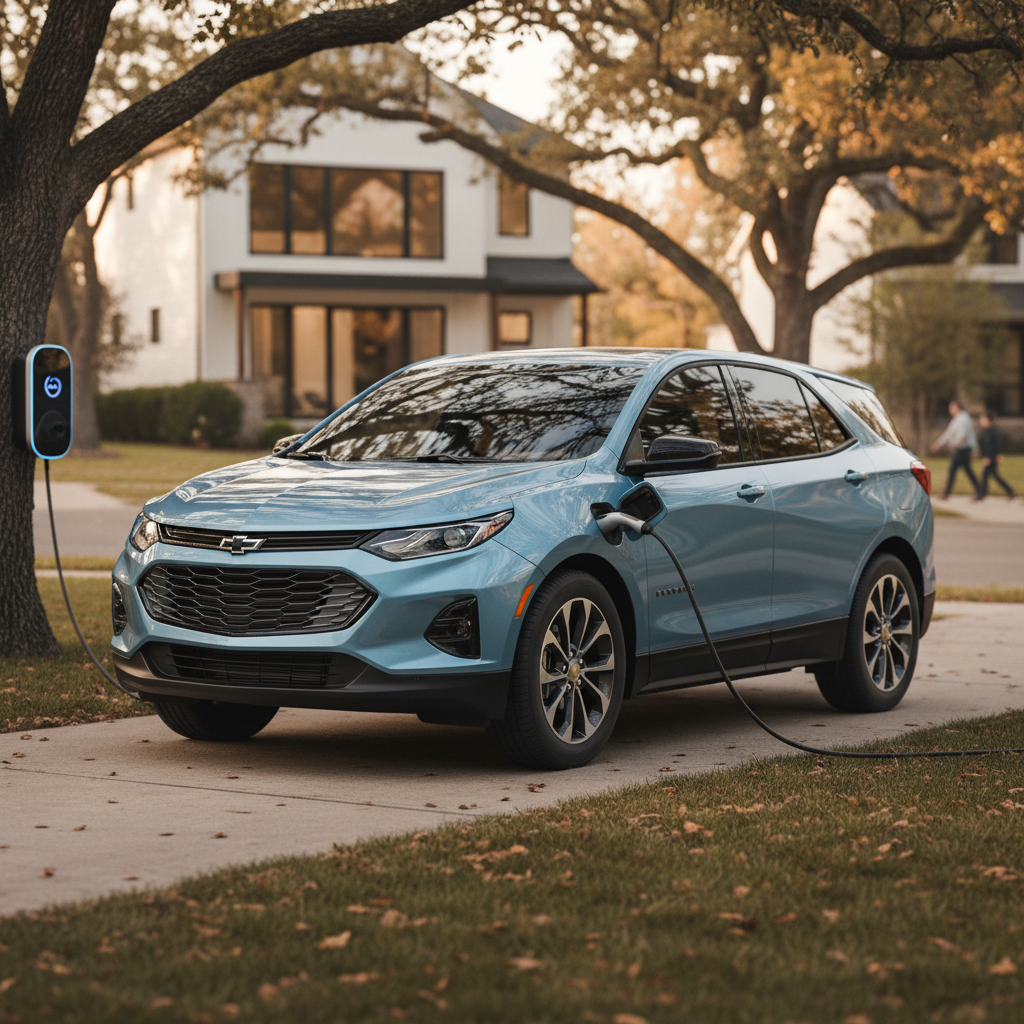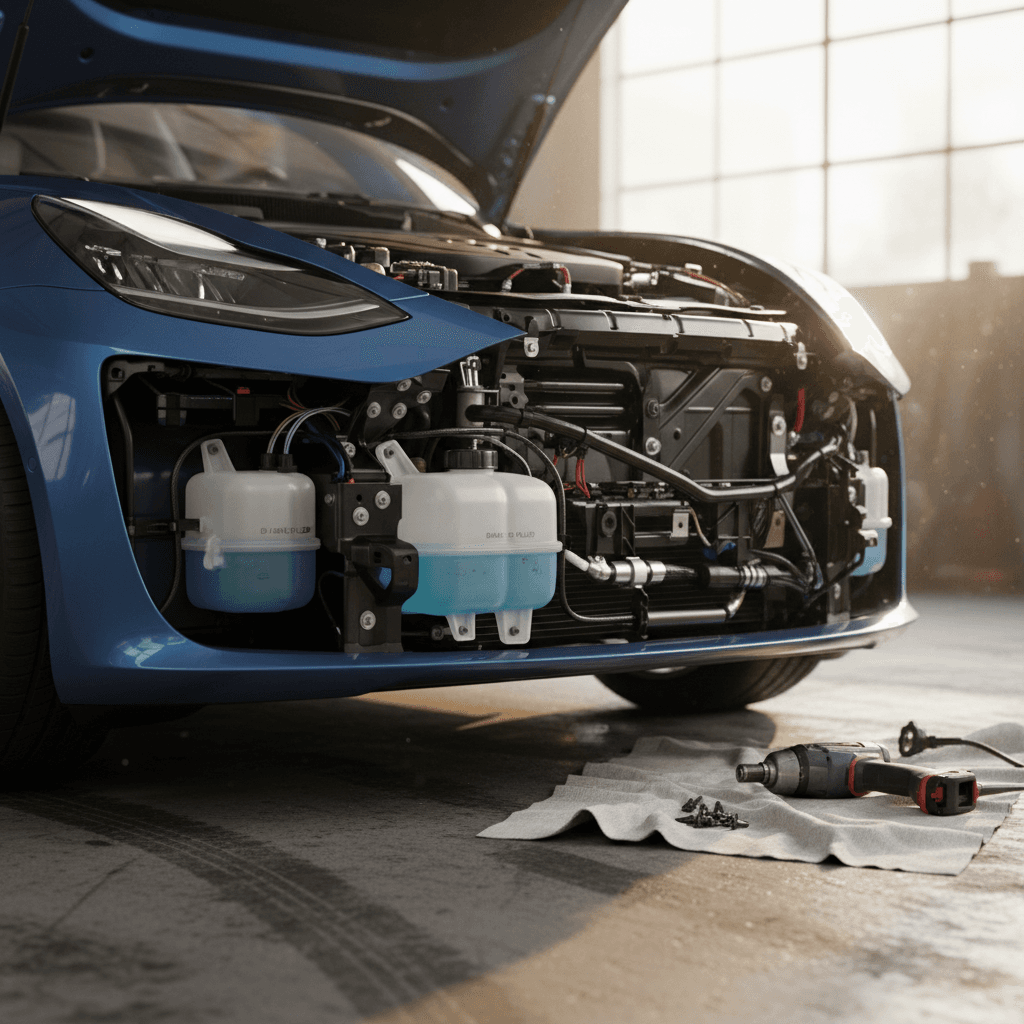
If you’re switching from gas to electric, you already know you can say goodbye to oil changes. But what about coolant, do electric cars have coolant and radiators like the vehicles you grew up with? The answer is yes, most modern EVs do use coolant, but they use it very differently than gasoline cars, and that has big implications for maintenance, reliability, and buying used.
Quick Overview
Do Electric Cars Have Coolant? The Short Answer
Despite what you might hear at a cars-and-coffee meet, electric vehicles haven’t eliminated coolant. They’ve eliminated engine oil and most engine-related fluids, but thermal management is still critical. In practice:
- Most Teslas (Model 3, Y, S, X), Hyundai/Kia EVs, Ford, GM, VW, BMW, Mercedes and many others use liquid coolant loops to manage battery and motor temperatures.
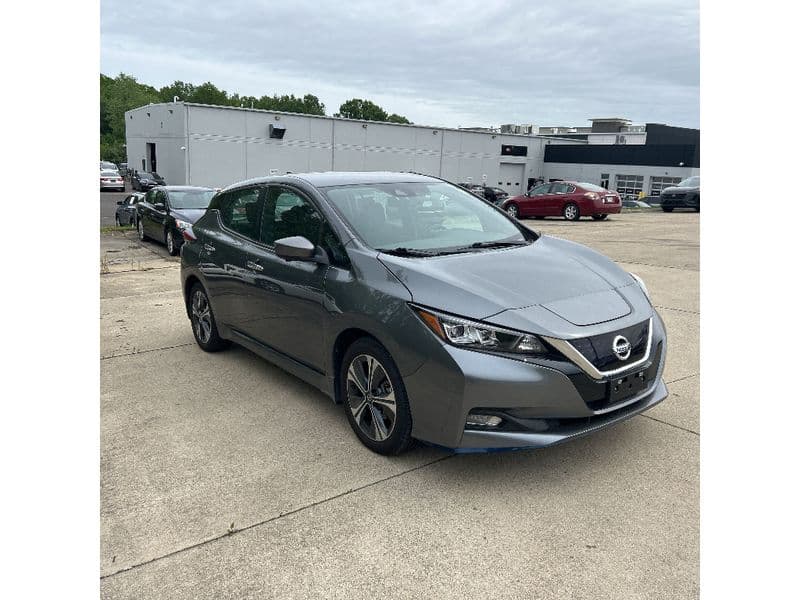
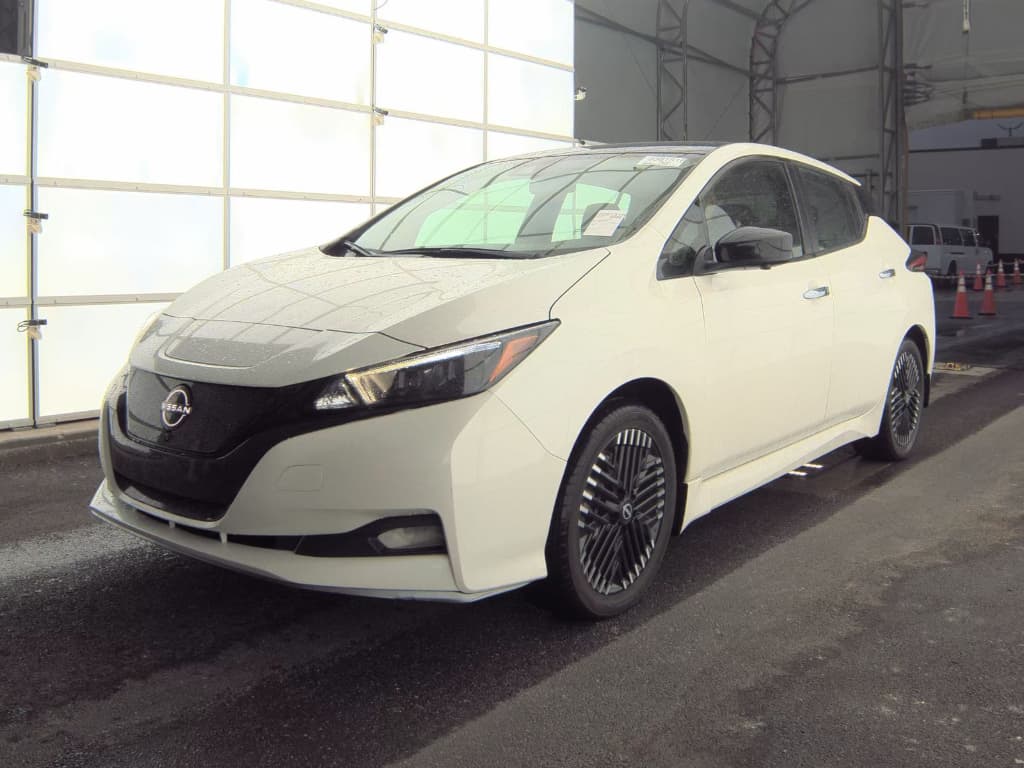
- Some earlier or lower-cost EVs, most famously older Nissan Leaf models, use passive or air-based cooling for the battery and may have less or no dedicated liquid battery coolant.
- Regardless of battery design, every EV still uses some fluids: brake fluid, gear/transmission oil, and often coolant for cabins, inverters, and chargers.
What This Means for You
Why Electric Cars Need Cooling At All
Even without explosions in cylinders, EVs still generate heat. Any time you move energy in or out of a battery or electric motor, some of it turns into heat. Left unmanaged, that heat can shorten battery life, limit performance, and even trigger safety protections.
Where Heat Comes From in an EV
Four main components need temperature control
High-voltage battery pack
The battery heats up under fast charging, hard acceleration, high speeds, and hot ambient temperatures. Keeping it in a narrow temperature window is the single biggest factor in long-term battery health.
Electric motor & inverter
The motor and power electronics (inverter, DC/DC converter, onboard charger) can get hot during spirited driving, towing, or mountain climbs. Efficient cooling allows repeated acceleration without power cutbacks.
Onboard charger & DC fast charging
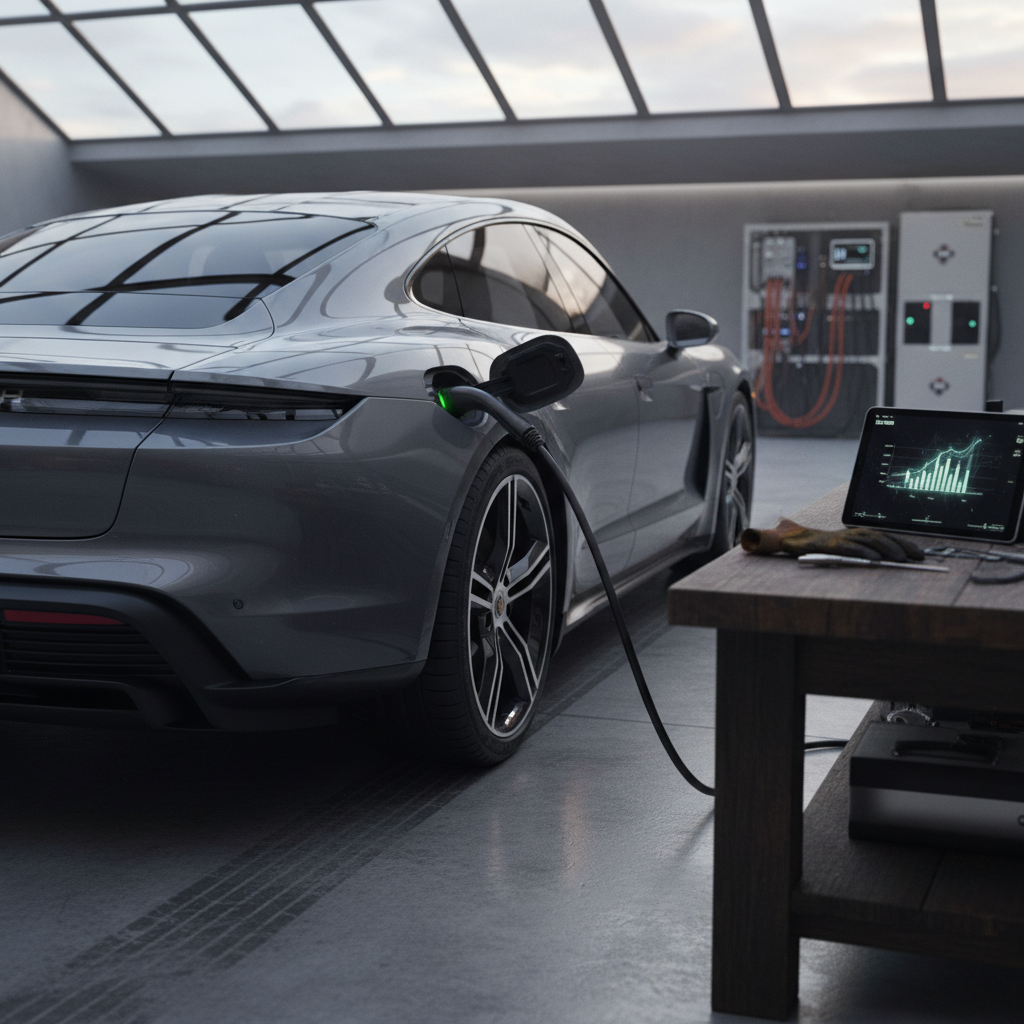
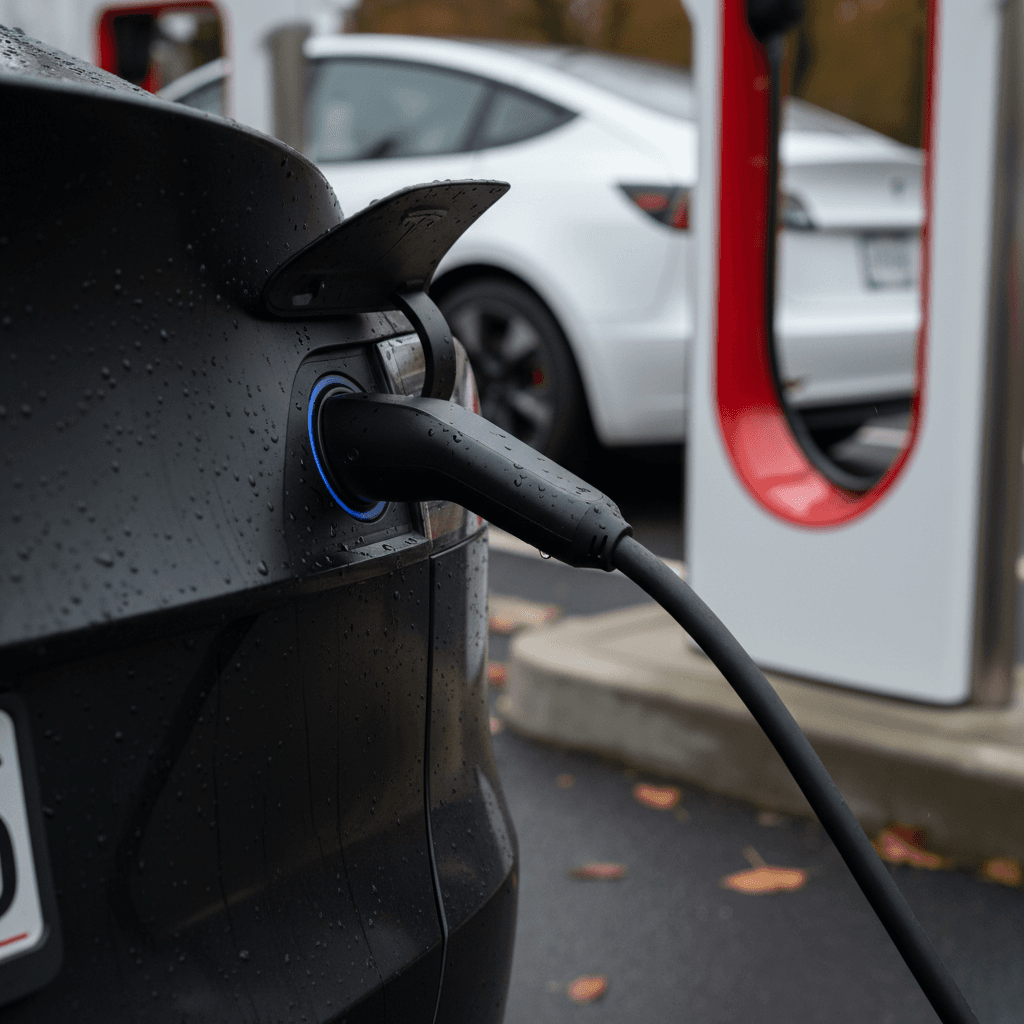
Charging, especially DC fast charging, can dump a lot of energy into the battery in a short time. Liquid cooling lets the car accept higher charge rates for longer without overheating.
Cabin climate system
Heating and cooling you and your passengers uses energy and produces or removes heat. Many EVs integrate the cabin HVAC system with the battery and drivetrain cooling loop for efficiency.
Thermal Management = Battery Life
What Does Coolant Do in an Electric Car?
In a modern EV, coolant is part of a broader thermal management system that may include pumps, valves, radiators, chillers, heaters, and even heat pumps. The goal isn’t just “keep it cool,” but keep it in the right temperature zone for efficiency, power, and durability.
Why EVs Use Liquid Coolant
1. Cooling the battery pack
Most liquid-cooled EVs run coolant through plates or channels right next to the battery cells. A pump circulates coolant to a radiator (to reject heat to outside air) or to a chiller linked with the A/C system (to actively cool the pack in very hot conditions or during fast charging).
2. Cooling the motor and electronics
The same or a separate coolant loop often flows through jackets in the drive motor, inverter, and onboard charger. In cold weather, some systems can reverse the flow, using waste heat from these components to warm the battery or cabin.
Different Loops, Different Fluids
Which Electric Cars Use Liquid Coolant (and Which Don’t)?
Not all EV cooling systems are created equal. The industry has moved strongly toward liquid-cooled batteries, but you’ll still see differences, especially when you’re shopping used.
Examples of EV Cooling Approaches
How popular EVs manage battery temperature
| Model | Battery Cooling | Uses Liquid Coolant? | What It Means for You |
|---|---|---|---|
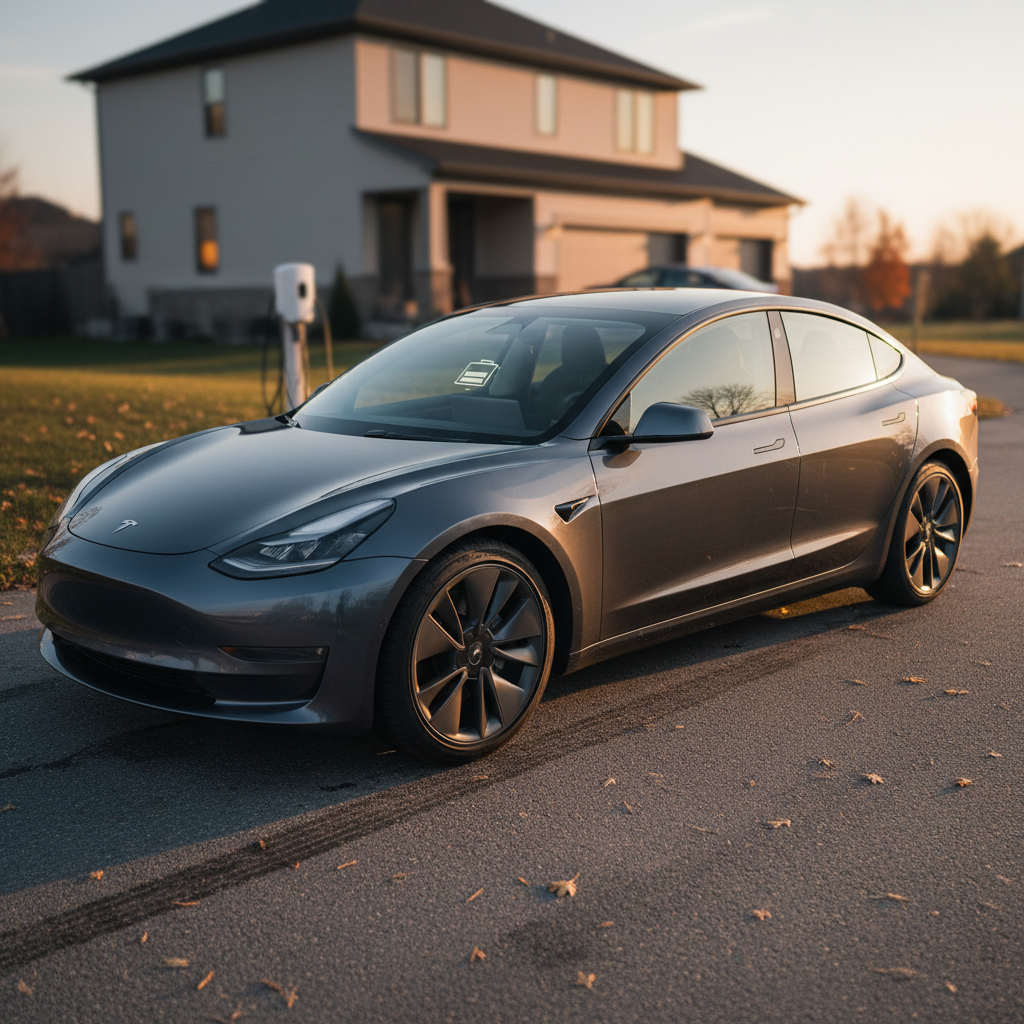
| Tesla Model 3 / Y | Active liquid cooling with integrated thermal management | Yes | Excellent fast-charging performance and consistent battery temperatures; coolant system is sealed and rarely serviced. |
| Tesla Model S / X (modern) | Active liquid cooling | Yes | Similar to 3/Y; robust long-range highway and towing performance when maintained. |
| Nissan Leaf (earlier gens) | Primarily passive/air cooling | Usually no dedicated liquid battery coolant | More sensitive to extreme heat and repeated fast charging; battery health can vary widely by climate and usage. |
| Hyundai Ioniq 5 / Kia EV6 | Active liquid battery and drivetrain cooling | Yes | Strong fast-charging capability and good protection in hot climates. |
| Chevrolet Bolt EV / EUV | Active liquid battery cooling | Yes | Better long-term battery stability than many early air‑cooled designs. |
| Some older compliance EVs | Mixed, often air-cooled packs | Varies | When buying used, pay extra attention to battery health reports. |
This table focuses on typical North American-market models through the mid‑2020s.
Shopping in a Hot Climate?
EV Coolant vs Gas-Car Coolant: What’s Different?
In many cases, the fluid itself looks familiar, often an ethylene-glycol-based coolant similar to what you’d find in a gasoline car’s radiator. The big differences are in how it’s used and how often it’s serviced.
- A gas car uses coolant primarily to keep the engine block at a safe temperature.
- An EV uses coolant to manage the battery, motor, inverters, onboard charger, and sometimes the heat pump and cabin HVAC.
- Several EV brands specify a particular coolant formula that owners are not supposed to mix or replace themselves.
- Manufacturers increasingly design EV coolant systems as “life of vehicle” components, inspected but rarely drained and refilled unless there’s a repair.
Don’t Top Off Randomly
EV Coolant Maintenance: How Often Should You Worry?
From an owner’s standpoint, coolant is a low‑touch item in an electric car. You’ll spend more time thinking about tires and charging than about anything in the cooling system.
Your Role in EV Coolant Care
1. Read the maintenance schedule
Check your owner’s manual or digital service schedule. Many modern EVs list coolant as “inspect only” unless a fault is detected or components are replaced.
2. Pay attention to warnings
If your EV flags low coolant, high temperature, or reduced power due to overheating, take it seriously. Turn down fast charging and schedule service as soon as practical.
3. Don’t open sealed systems
Unless the manufacturer explicitly tells you otherwise, <strong>leave coolant reservoirs sealed</strong>. EVs often have multiple loops, and mixing fluids can cause expensive problems.
4. Look out for leaks
Coolant leaks in EVs are rare but possible, especially after impacts. Watch for puddles near the front or under the battery area and for sweet-smelling vapor.
5. Use qualified EV service
If cooling system work is needed, choose a shop with <strong>EV-specific training</strong>. They’ll know the correct fluids, bleeding procedures, and high-voltage safety steps.
How This Compares to a Gas Car
Coolant, Battery Health, and Buying a Used EV
When you’re shopping for a used EV, what you really care about is battery health, because that determines range, performance, and resale value. The cooling system is one of the quiet guardians of that battery, even if you never see it working.
How Cooling Affects Used EV Shopping
Key questions smart buyers ask
Cooling design
Is the pack liquid‑cooled or air‑cooled? Liquid‑cooled batteries usually handle heat and fast charging better, which can mean more consistent range as the vehicle ages.
Vehicle history & climate
Has the car lived in a hot region and fast‑charged frequently? In an air‑cooled EV, that can accelerate degradation. In a liquid‑cooled one, it’s usually much easier on the pack.
Service records
Any history of coolant leaks, radiator replacements, or high‑temperature warnings is worth understanding. Repairs aren’t necessarily dealbreakers, but they should be priced into the deal.
Every vehicle listed on Recharged comes with a Recharged Score Report that includes verified battery health. That gives you an objective look at how well the pack is holding up, indirectly reflecting how well the cooling and charging habits have treated it over time.
Why This Matters for Your Wallet
Common Cooling System Issues to Watch For
Cooling failures in EVs are rare compared with engine problems in older cars, but they do happen. Recognizing the signs early can prevent small issues from turning into expensive repairs.
- Warning messages about battery temperature, reduced power, limited charging speed, or low coolant level.
- Sudden drop in fast‑charging speed, especially if the car used to charge faster at the same station and temperature.
- Visible leaks or stains under the front of the car or near the battery area, sometimes with a sweet smell.
- Cooling fans or pumps running unusually often when parked, long after a drive or fast charge.
- After an accident, any damage near the front radiator or battery pack should trigger a professional inspection of coolant lines.
Don’t Ignore Reduced Power
Frequently Asked Questions About EV Coolant
Frequently Asked Questions
Key Takeaways for Current and Future EV Owners
Electric cars may have done away with oil changes, but they haven’t escaped the laws of physics. Most EVs still use coolant, primarily to protect their batteries and high‑voltage components so they can deliver strong performance and range for years. For you as an owner, that typically means less routine maintenance, not more, just be ready to respond quickly if your car warns you about temperatures or coolant levels.
If you’re considering a used EV, understanding how its cooling system works, and how well the battery has been cared for, is one of the smartest ways to protect your investment. At Recharged, every vehicle comes with a Recharged Score Report that includes verified battery health, transparent pricing, and support from EV specialists who live and breathe this technology. That way you can focus less on what’s happening under the floor and more on enjoying quiet, instant‑torque electric driving.