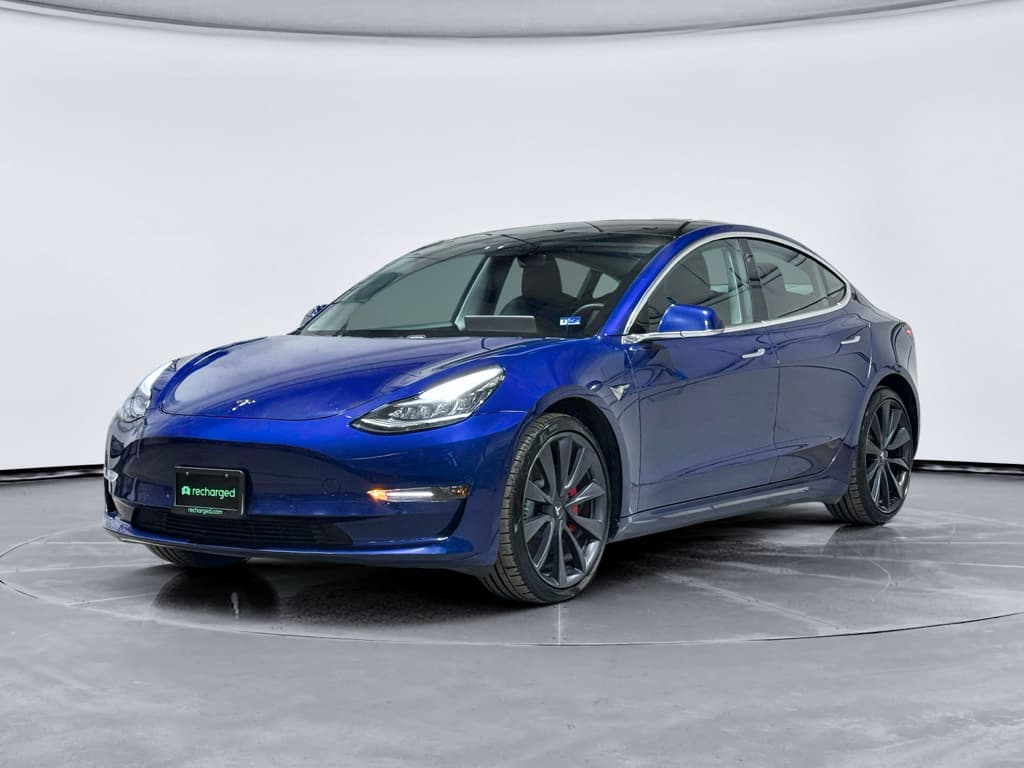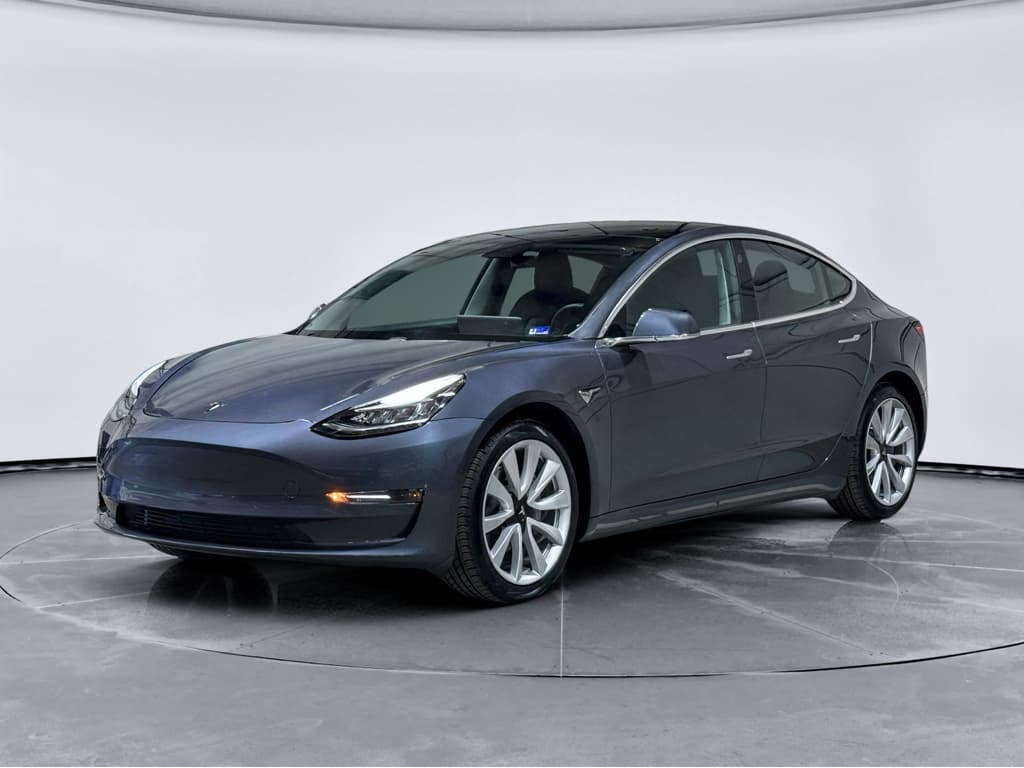
If you’re shopping used EVs, a 2019 Tesla Model 3 will pop up again and again. It was the year Tesla really hit its stride on volume, which means there are plenty of cars on the market today, some fantastic deals, some you should walk away from. This 2019 Tesla Model 3 review focuses on what the car is actually like to own now, several years and tens of thousands of miles down the road.
At a glance
Why the 2019 Model 3 Still Matters
The 2019 Tesla Model 3 sits in a sweet spot. It has the more mature hardware and software that early 2017–2018 cars were still growing into, but it predates later price hikes and option reshuffles. By 2019, Tesla was building the Model 3 at scale, so there are many examples in circulation, and prices have softened as newer EVs crowd the market.
2019 Tesla Model 3 by the Numbers
Why used buyers like it
2019 Tesla Model 3 Trims and Key Specs
Before you judge any 2019 Tesla Model 3 review, you need to know which version you’re looking at. In 2019 Tesla offered three main flavors in the U.S.: Standard Range Plus (RWD), Long Range (AWD), and Performance (AWD). A few early "Mid Range" and off-menu Standard Range cars also exist, but most used shoppers will encounter these three.
2019 Tesla Model 3 Trim Comparison (U.S. Specs)
Approximate factory specs for common 2019 Model 3 variants. Real-world range varies by climate, driving style, and wheel size.
| Trim | Drivetrain | EPA Range (new) | 0–60 mph (approx.) | Notable Features |
|---|---|---|---|---|
| Standard Range Plus | RWD | 240 mi | ~5.3 sec | Single motor, smaller battery, cloth seats |
| Long Range AWD | AWD | 310 mi | ~4.4 sec | Dual motors, larger battery, longer range |
| Performance | AWD | 310 mi | ~3.2 sec | Dual motors, performance brakes, sport suspension, 20" wheels |
Always verify exact equipment on the specific car you’re considering, Tesla changed options frequently in 2019.
Trim choice tip
How it drives
The 2019 Model 3 feels light on its feet: quick steering, low center of gravity, and instant torque. Even the Standard Range Plus gets out of its own way briskly, while the Performance trim can genuinely shove you back in your seat.
Ride quality depends heavily on wheel size. Cars on 18-inch Aeros ride noticeably softer and shrug off rough pavement better than 19- or 20-inch cars, which can feel busy and harsh on broken roads.
Interior & tech
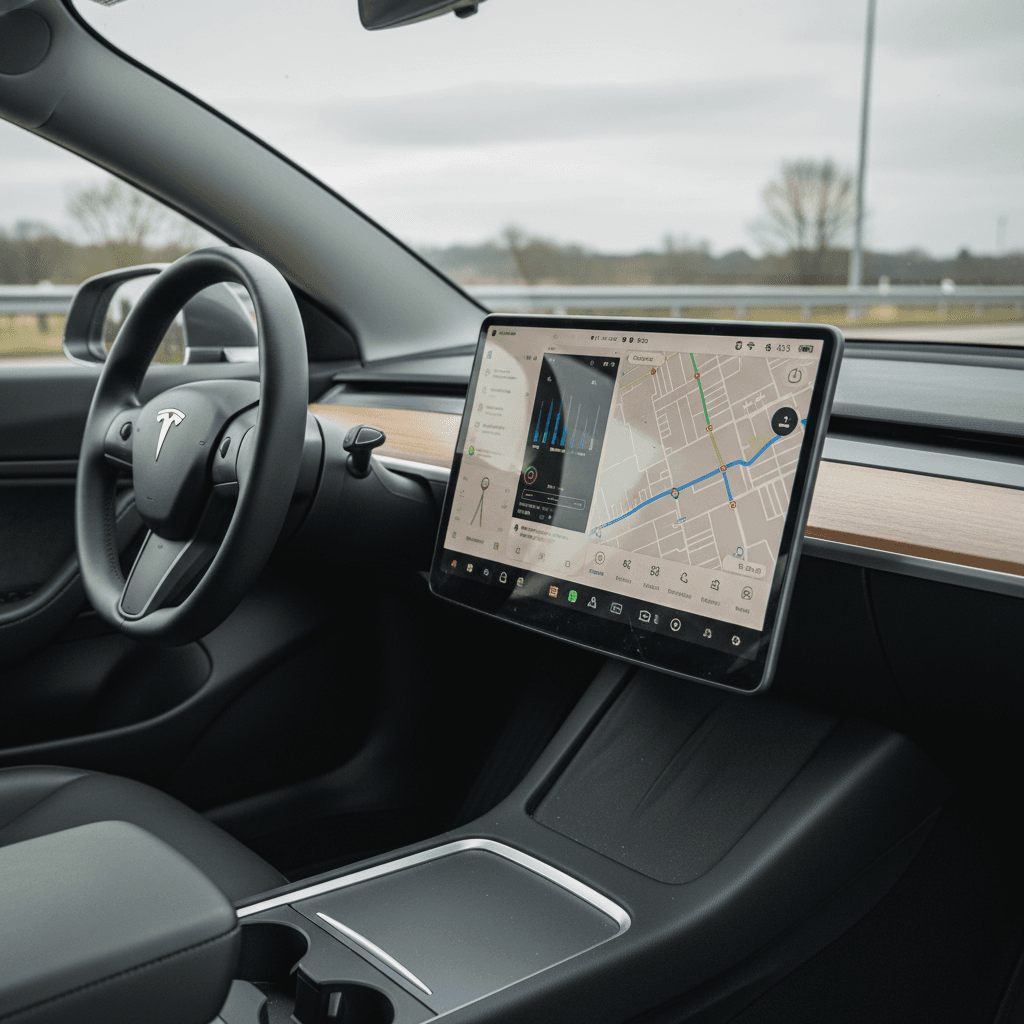
The minimalist cabin still feels modern today: a single 15-inch touchscreen, clean lines, and good outward visibility. Some shoppers love the simplicity; others miss physical buttons and a conventional gauge cluster.
Good news for used buyers: many 2019 cars have received years of over-the-air updates, adding range optimizations, UI changes, new apps, and improved driver-assistance behavior long after they left the factory.
Real-World Range and Charging Experience
On paper, a 2019 Tesla Model 3 promised 240–310 miles of range when new, depending on trim. In the real world, especially several years later, you should think in terms of a comfortable daily window rather than the biggest number on the spec sheet.
- Standard Range Plus: many owners report 170–210 miles of practical highway range today, depending on climate and speed.
- Long Range / Performance: 220–270 miles is common in mixed driving for a healthy battery.
- Cold weather, high freeway speeds, roof racks, and 19–20" wheels can trim 15–30% off those figures.
Cold-weather reality check
Charging Your 2019 Model 3
How it fits into daily life
Home charging
Most 2019 Model 3 owners rely on Level 2 home charging (240V). Expect to add 25–37 miles of range per hour, enough to refill from a typical commute overnight.
DC fast charging
The 2019 Model 3 supports DC fast charging on Tesla Superchargers and, on some cars, with CCS networks using the proper adapter. Peak rates vary by pack, but 10–80% in roughly 30–40 minutes is realistic when conditions are right.
Road trip use
The big advantage over many 2019-era rivals is access to Tesla’s dense Supercharger network. Trip planning through the in-car nav is straightforward, and the car preconditions the battery on approach to fast chargers for quicker sessions.
Thinking about adapters and networks?
Battery Health and Long-Term Degradation
Battery life is the big question for any used EV. The good news is that real-world data from long-term tests and owner logs suggest the 2019 Model 3’s battery packs are generally aging gracefully, especially compared with some early EVs.
At 40,000 miles our 2019 Model 3’s pack had lost roughly 6% of its original capacity, and that plateaued in the second half of the test despite frequent fast charging and high states of charge.
That pattern, an initial drop of a few percent in the first couple of years, followed by a much slower decline, is common among 2019 Model 3 owners. Tesla’s warranty for this model year generally covers the battery and drive unit for 8 years or up to 100,000–120,000 miles (depending on trim) with at least 70% capacity retention.
How to baby the battery
2019 Model 3 Reliability and Common Issues
This is where the 2019 Tesla Model 3 review gets more complicated. Mechanically and electrically, many cars have held up well. But quality-control hiccups and suspension wear mean you need to shop carefully.
Reliability: The Good and the Not-So-Good
Where it’s strong
- Electric motors and battery packs have generally proven durable with modest degradation.
- Regenerative braking means brake pads can last well past 100,000 miles in many cases.
- Fewer moving parts than a gas car: no oil changes, spark plugs, timing belts, or exhaust system.
Where it struggles
- Paint quality, panel gaps, and trim issues were common complaints when new.
- Reports of front suspension noise and upper control arm wear as mileage climbs.
- Interior squeaks/rattles and occasional screen glitches on higher-mileage cars.
Inspection data from European markets has also flagged a higher-than-average rate of suspension- and component-related faults on early Model 3s as they age. That doesn’t mean every 2019 is a problem child, but it does mean a quick test drive isn’t enough, pay close attention to how the car feels over bumps and during tight turns.
Known watch items on 2019s
Safety Ratings and Driver Assistance Tech
Safety is one of the 2019 Model 3’s strongest cards. In U.S. testing it earned a five-star overall rating from NHTSA and a coveted Top Safety Pick+ award from IIHS for the 2019 model year, thanks to strong crash-test performance and effective collision-avoidance systems.
- Rigid passenger cell and large front/rear crumple zones thanks to the absence of an engine up front.
- Low rollover risk due to the heavy battery pack mounted in the floor.
- Standard active-safety features including automatic emergency braking and lane-keeping support on most 2019 builds.
Autopilot and options in 2019
Ownership Costs: Tires, Service, and Software
On paper, the 2019 Tesla Model 3 looks cheap to run: no gas, minimal scheduled maintenance, and regenerative braking. In practice, most owners do come out ahead versus a comparable gas sedan, but there are a few line items that can surprise first-time EV buyers.
Where Your Money Actually Goes
Tires
The Model 3 is heavy, powerful, and often equipped with soft-compound tires. It’s not unusual to see 30,000 miles or less from a set, especially on Performance models with 20" wheels. Budget accordingly.
Service
No oil changes, but you’ll still have cabin filters, brake-fluid checks, and, on cars in snowy climates, periodic brake-caliper lubrication to prevent corrosion. Glass can be pricey if you’re unlucky with rocks.
Software & connectivity
2019 cars benefit from ongoing over-the-air updates. Some connectivity features may require a paid data plan after the initial trial, so confirm what’s active on any used car you’re considering.
Use total cost, not just price
What to Look For When Buying a Used 2019 Model 3
Here’s where the rubber meets the road. Two 2019 Model 3s can look identical in photos and be worlds apart in condition and long-term cost. Use this checklist as your starting point, then lean on third-party diagnostics and history reports to separate the keepers from the headaches.
2019 Tesla Model 3 Used-Buying Checklist
1. Battery health and range
On a test drive, check the displayed full-charge estimate relative to the car’s original EPA rating. A modest drop (5–10%) is normal; a huge gap may warrant a deeper battery-health scan, like the diagnostic in a Recharged Score report.
2. Suspension noises
Drive over speed bumps and rough pavement at low speed with the windows up and radio off. Listen for clunks, creaks, or groans, especially from the front, these can point to worn control arms or bushings.
3. Tire and wheel condition
Uneven tire wear can hint at alignment or suspension issues. Curb rash on 19" and 20" wheels is common; severe damage can be more than cosmetic.
4. Panel gaps and paint
Walk the car in good light. Look for mismatched paint, overspray inside door jambs, large panel gaps, and rust starting around wheel arches or rocker panels in snowy regions.
5. Interior electronics
Test every window, door handle, camera view, speaker, and the entire touchscreen. Pair your phone, run navigation, and try key features like climate presets and driver profiles.
6. Software and options
From the "Software" menu, confirm build year, Autopilot package, connectivity status, and whether the car has features like heated rear seats. These can significantly affect value and your day-to-day experience.
How Recharged can help
Ready to find your next EV?
Browse VehiclesIs a 2019 Tesla Model 3 Right for You?
Great fit if…
- You want a quick, efficient sedan with modern tech for the price of a new compact.
- You have access to home or reliable workplace charging.
- You value over-the-air software updates and a strong fast-charging network.
- You’re comfortable with a minimalist interior and a screen-centric interface.
Think twice if…
- Rough roads, deep potholes, or harsh winters are your daily reality and you don’t want to babysit wheels and suspension.
- You’re extremely sensitive to squeaks, rattles, and small cosmetic flaws.
- You can’t conveniently charge at home and rely entirely on public stations in a region with sparse coverage.
Viewed with a used buyer’s eyes, the 2019 Tesla Model 3 is still a standout: quick, safe, and efficient, with a charging experience most competitors from that era can’t touch. The trade-offs are real, especially around build quality, suspension wear, and tire life, but they’re manageable if you go in with a clear checklist and solid data on the car’s battery and service history. If you’d like a second set of eyes and an objective battery-health score, shopping through Recharged can turn an intimidating used-EV hunt into a transparent, guided process.