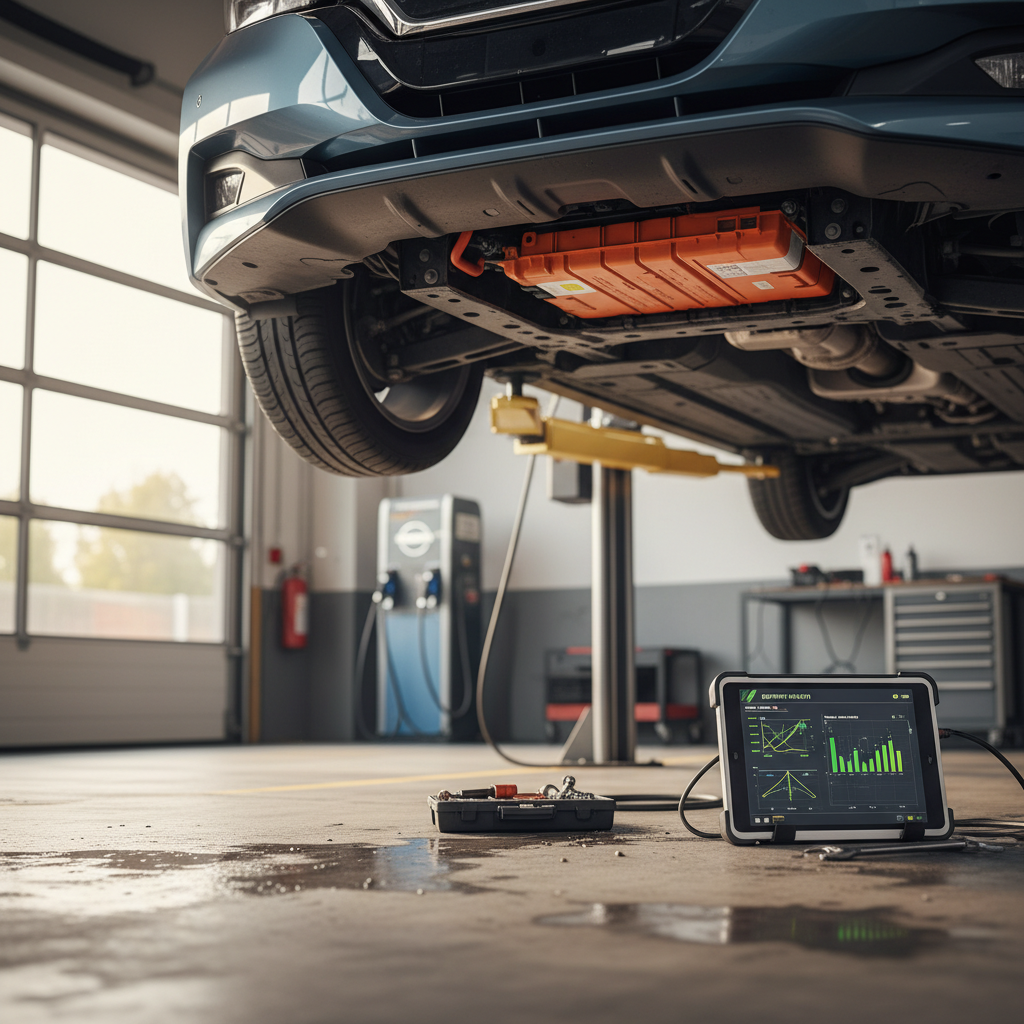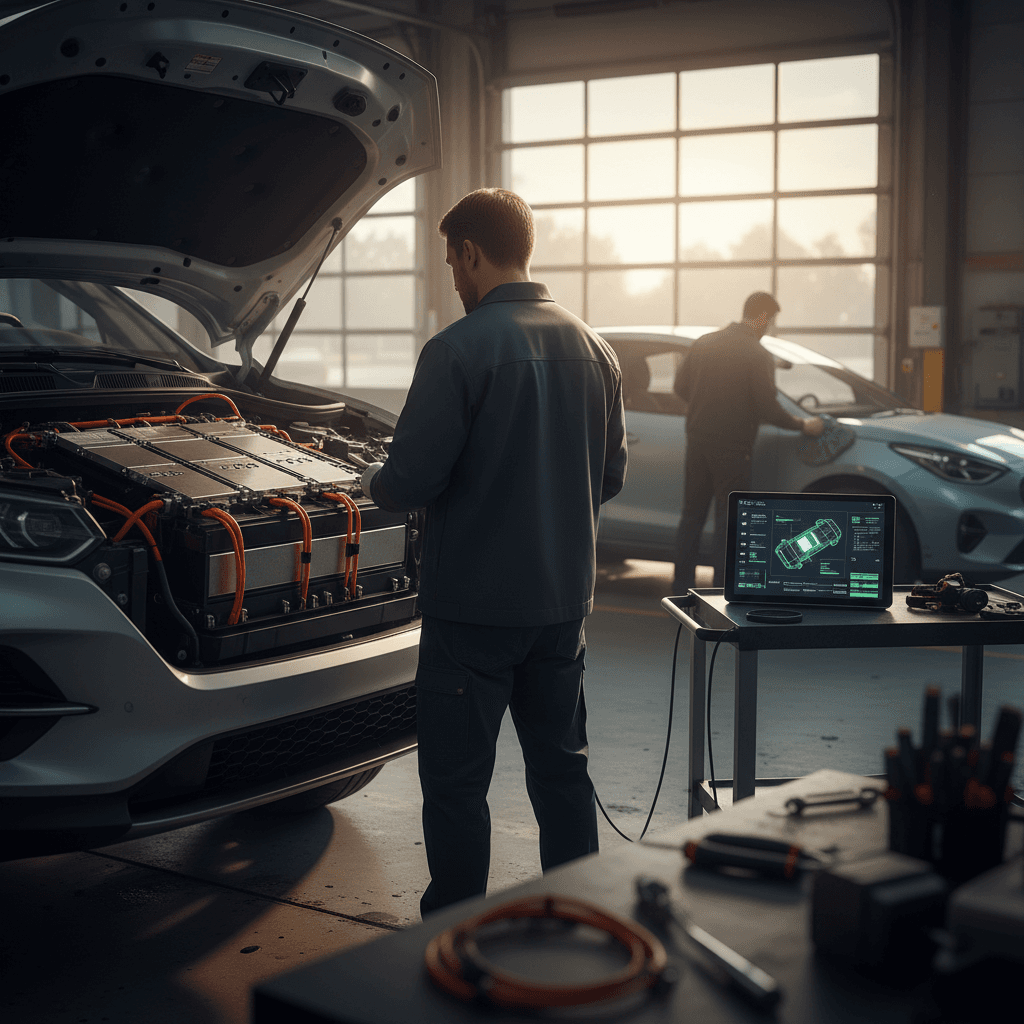
You’ve probably heard that electric cars are cheaper to keep on the road. But do electric cars really cost less to maintain than gas cars once you factor in real-world service visits, tires, and the occasional surprise repair? In 2025, the answer is still yes, with a few important caveats you should understand before you buy, especially if you’re shopping used.
At-a-glance answer
Do EVs really cost less to maintain?
Let’s start with the basic question: over several years of ownership, does an electric car actually cost less to maintain than a gasoline car? According to recent 2025 analyses of ownership costs, the typical battery‑electric vehicle (BEV) in the U.S. spends somewhere around $900–$1,000 per year on maintenance and repairs, while comparable gas cars cluster closer to $1,250 per year or more. That’s roughly a $250–$400 annual gap in favor of the EV, before you even count fuel savings.
Maintenance cost snapshot for 2025
Those are averages, of course. A cheap gas compact that you maintain yourself will look different from a luxury EV SUV with 22‑inch tires. But if you compare similar vehicles, driven similar miles, the pattern is consistent across studies: electric cars cost less to maintain, and the gap widens the longer you own them.
Why electric car maintenance is usually cheaper
The reason electric cars are cheaper to maintain isn’t magic; it’s mechanics. A modern gasoline engine is a small factory under your hood, with hundreds of moving parts. An EV powertrain is closer to a high‑powered appliance: a battery pack, an inverter, and an electric motor with a single-speed gearbox. Fewer moving parts means fewer things to break, and fewer things your mechanic can bill you for.
Key design differences that cut EV maintenance
What disappears when you lose the engine
No engine oil system
No exhaust or emissions gear
Regenerative braking
Software fixes instead of shop visits
Many modern EVs receive over‑the‑air software updates. Something that might have required a service bulletin and a physical reflash on a gas car can be handled while your EV sits in the driveway overnight.
Newer electric models also use remote diagnostics and predictive maintenance, so you often know about an issue before it strands you, or before it becomes a bigger, more expensive repair.
Longer service intervals
Compare the two maintenance schedules:
- Typical gas car: Oil changes every 5,000–7,500 miles, plus periodic transmission services, coolant flushes, fuel system cleaning, spark plugs, belts, and emissions checks.
- Typical EV: Tire rotation every 7,500–10,000 miles, brake fluid every few years, cabin air filter, and the occasional inspection.
The fewer line items on the maintenance schedule, the fewer chances for things to go wrong, or to drain your wallet.
Think in "systems" not line items
EV vs gas maintenance costs: 2025 numbers
Different studies slice the data different ways, but they all tell a similar story. In 2025, several analyses pegged EV maintenance at roughly 35–50% lower than internal‑combustion vehicles when you look at routine service and unscheduled repairs together over a multi‑year period.
Estimated maintenance cost comparison (typical U.S. driver, 15,000 miles/year)
Illustrative ranges based on 2025 data and industry estimates. Your numbers will vary by brand, model, and how you drive.
| Ownership period | Average EV maintenance | Average gas car maintenance | Difference |
|---|---|---|---|
| Per year | $300–$600 | $800–$1,200 | ~$250–$600 less for EV |
| 5 years | $1,500–$3,000 | $4,000–$6,000 | EV can save ~$2,500–$3,000 |
| 10 years | $3,000–$6,000 | $8,000–$12,000 | EV can save ~$5,000 or more |
Electric cars usually win the long game on maintenance, even when parts are pricier per visit.
Some commercial‑fleet studies are even more dramatic, showing that electric vans and trucks can cut maintenance spending by well over a third compared with diesel or gas fleets. For everyday drivers, the numbers are less extreme but still meaningful, especially if you plan to keep the vehicle beyond the first owner and well past the warranty period.
Don’t confuse maintenance with total ownership cost
What you’ll still service on an electric car
“Low maintenance” doesn’t mean “no maintenance.” Electric cars can be wonderfully low‑drama day to day, but there are still items that wear out or age out just like any other vehicle.
- Tires: EVs are heavy and make instant torque. That combination can chew through tires faster than a comparable gas car if you have a lead foot. Budget for high‑quality tires and regular rotations.
- Brake fluid and occasional brake service: Even with regenerative braking, you still have calipers, pads, and rotors. They last longer, but they’re not immortal, especially in salty or humid climates where corrosion is an issue.
- Cabin air filters: These keep your HVAC system and lungs happier. Expect to replace them every 1–2 years, just as you would on a gas car.
- Coolant for battery and power electronics: Many EVs use dedicated coolant loops for the battery pack and power electronics. The change intervals are long (often measured in years), but they’re not zero.
- Suspension components: Control arms, bushings, and shocks don’t care what powers the car. Potholes and time will still wear them out.
- 12‑volt battery (or its modern equivalent): Even EVs use a low‑voltage system to run accessories. That smaller battery eventually needs replacement, just like in a gas car.
Use regen to save brakes (and money)
The big questions: batteries and repairs
Whenever you mention lower maintenance, someone brings up the big one: "What happens if the battery dies?" It’s a fair question, and it’s where a lot of the fear, and misinformation, lives.
Where EV maintenance savings can be offset
Rare but expensive scenarios to understand
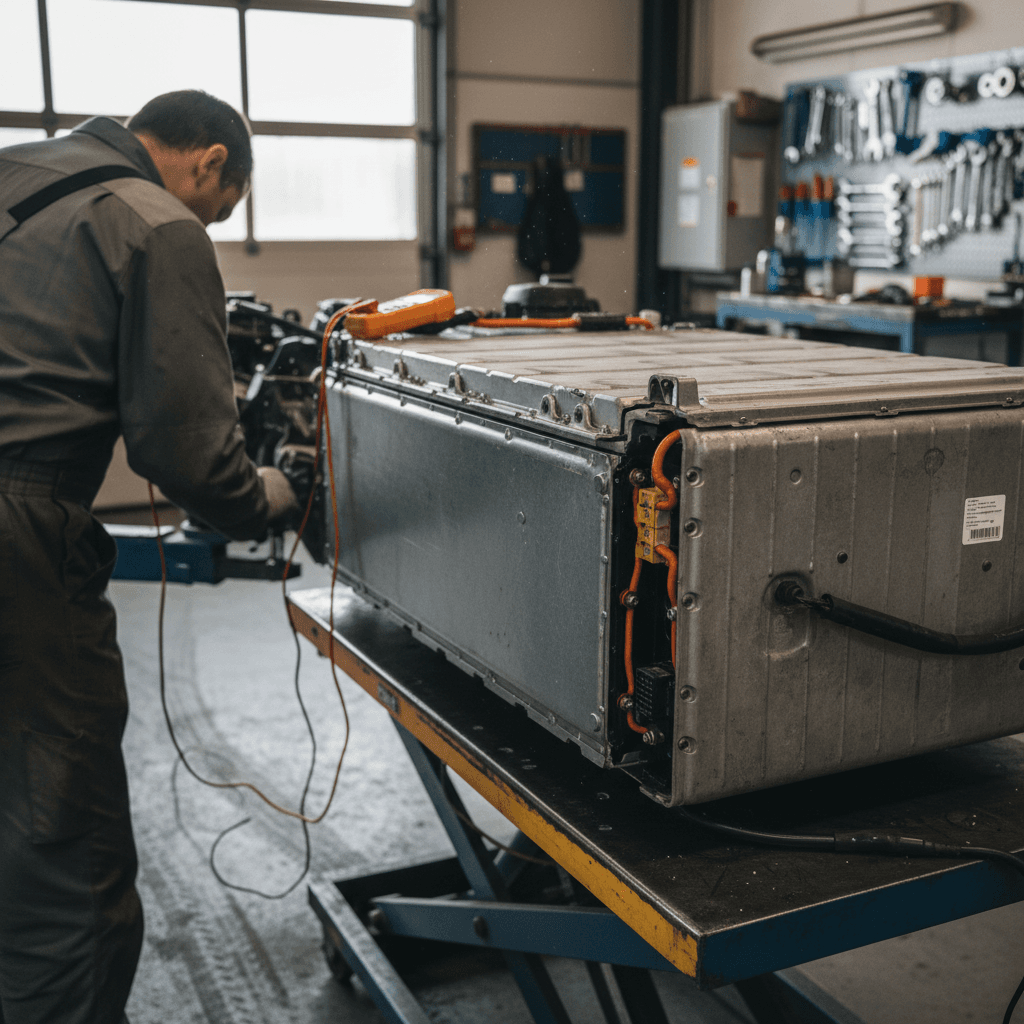
High‑voltage battery concerns
Collision and specialty repairs
The key is to separate routine maintenance, which is predictably cheaper on EVs, from low‑probability, high‑cost events like a major accident or an out‑of‑warranty battery failure. Gas cars have their own versions of those nightmare scenarios: blown head gaskets, failed turbos, transmission rebuilds, catalytic converter theft, and so on.
Most EV owners will never face a catastrophic battery repair. What they will notice is that the car simply doesn’t ask for much: no oil changes, no tune‑ups, and far fewer trips to the service drive.
Don’t skip basic checks
Used EVs: how lower maintenance helps you
Here’s where it gets interesting if you’re shopping on a budget. As new EV prices climbed and tax incentives started to phase out in 2025, used EV prices fell hard, down more than 30% in some segments compared with 2024. That’s made the used market one of the most attractive ways to get into an electric car.
Lower maintenance costs matter even more on a used car, because you’re often the one who lives with it after the warranty clock expires. An older gas sedan might be staring down valve‑cover leaks, timing‑chain tensioner issues, or a tired automatic transmission. A comparable used EV is more likely to need tires, a brake service, and maybe a cabin filter, not a full engine teardown.
How Recharged fits in
Ready to find your next EV?
Browse VehiclesChecklist: maintenance questions to ask before you buy
Whether you’re looking at a used electric crossover or a brand‑new compact EV, asking a few targeted questions up front can save you money and headaches later.
Maintenance questions for your next EV
1. What’s the remaining battery and powertrain warranty?
Ask for the <strong>in‑service date</strong> and specific mileage/time limits on the high‑voltage battery and electric drive unit. A car with several years of battery coverage left dramatically lowers your risk of a big-ticket repair.
2. Is there a recent battery health report?
Look for a recent diagnostic or range test that shows usable capacity and any fault codes. With Recharged, this is part of the <strong>Recharged Score battery health diagnostics</strong> baked into every listing.
3. What does the tire wear look like?
Uneven wear can signal alignment or suspension issues. Aggressive wear on all four corners may just reflect hard driving, but it’s a reminder to budget for a fresh set of tires sooner rather than later.
4. How often has the car seen service?
Even with low‑maintenance cars, you still want to see <strong>periodic inspections</strong>. Skipped brake‑fluid changes or never‑rotated tires tell you something about how the previous owner treated the car.
5. Are there any open recalls or software updates?
EVs evolve quickly. Make sure all <strong>recalls and major software updates</strong> have been performed. Many updates improve range, charging behavior, or reliability at no cost to you.
6. Who can service this EV near you?
Before you sign anything, confirm that there’s a <strong>dealer or independent shop</strong> within reasonable distance that’s trained and equipped for your specific model. In some regions, that still matters.
FAQ: electric car maintenance costs
Frequently asked questions about EV maintenance
Bottom line: should maintenance costs push you to an EV?
If you strip away the hype and look at the receipts, the pattern is clear: electric cars really do cost less to maintain than gas cars for most drivers. You swap a long list of engine and emissions service items for a short list of tires, brakes, filters, and the occasional inspection. That doesn’t mean EVs are automatically cheaper to own overall, purchase price, insurance, and depreciation still matter, but on the service side of the ledger, they’re quietly winning the long game.
If you’re comparing your next car and maintenance costs are a big piece of the puzzle, an EV deserves a hard look, especially on the used market, where prices have come down while fuel and service savings stay in your pocket. And if you’d like help sorting out which used EVs fit your budget, range needs, and comfort zone on maintenance, Recharged can walk you through options, trade‑in values, and real battery health reports so you’re not buying blind.