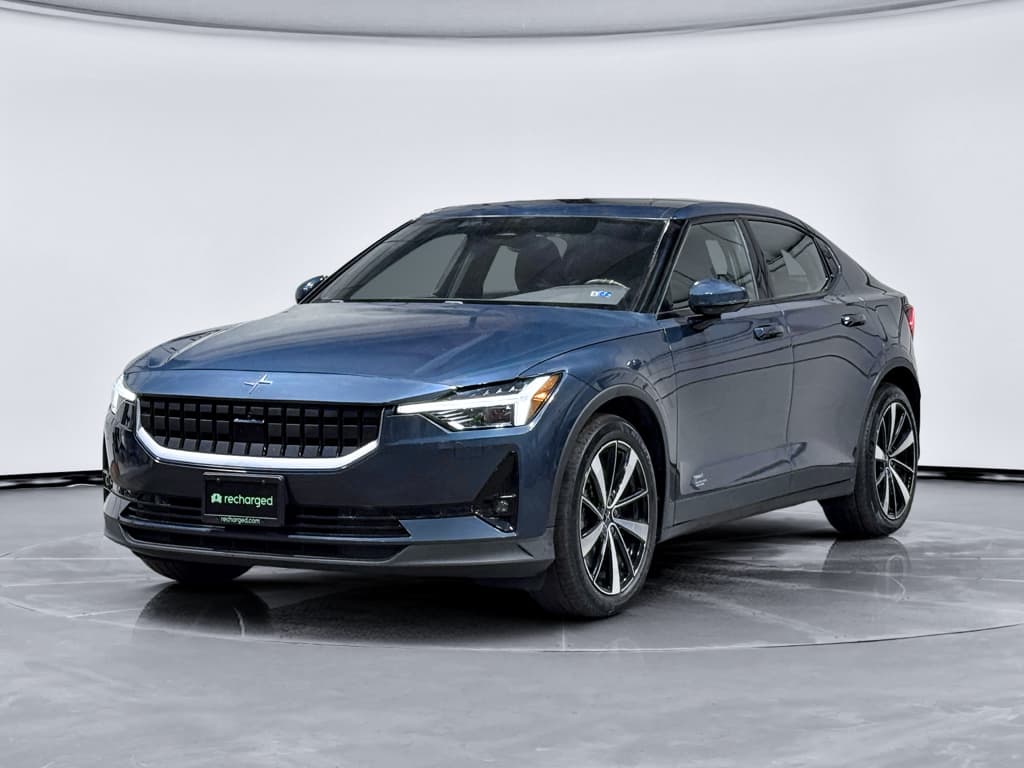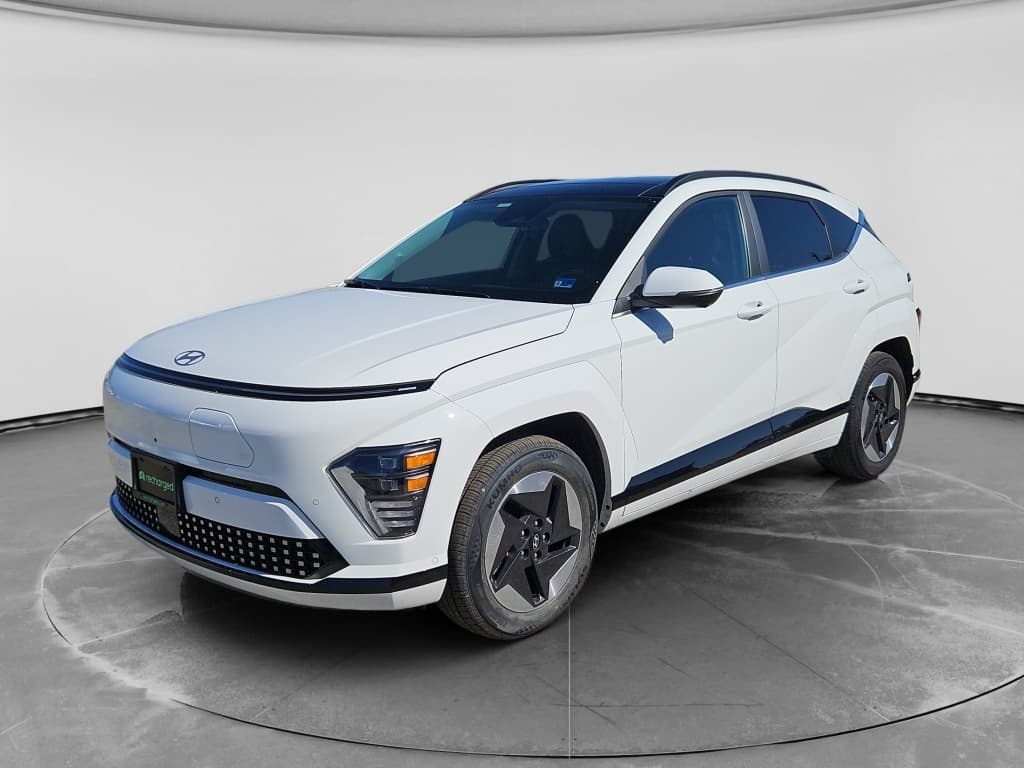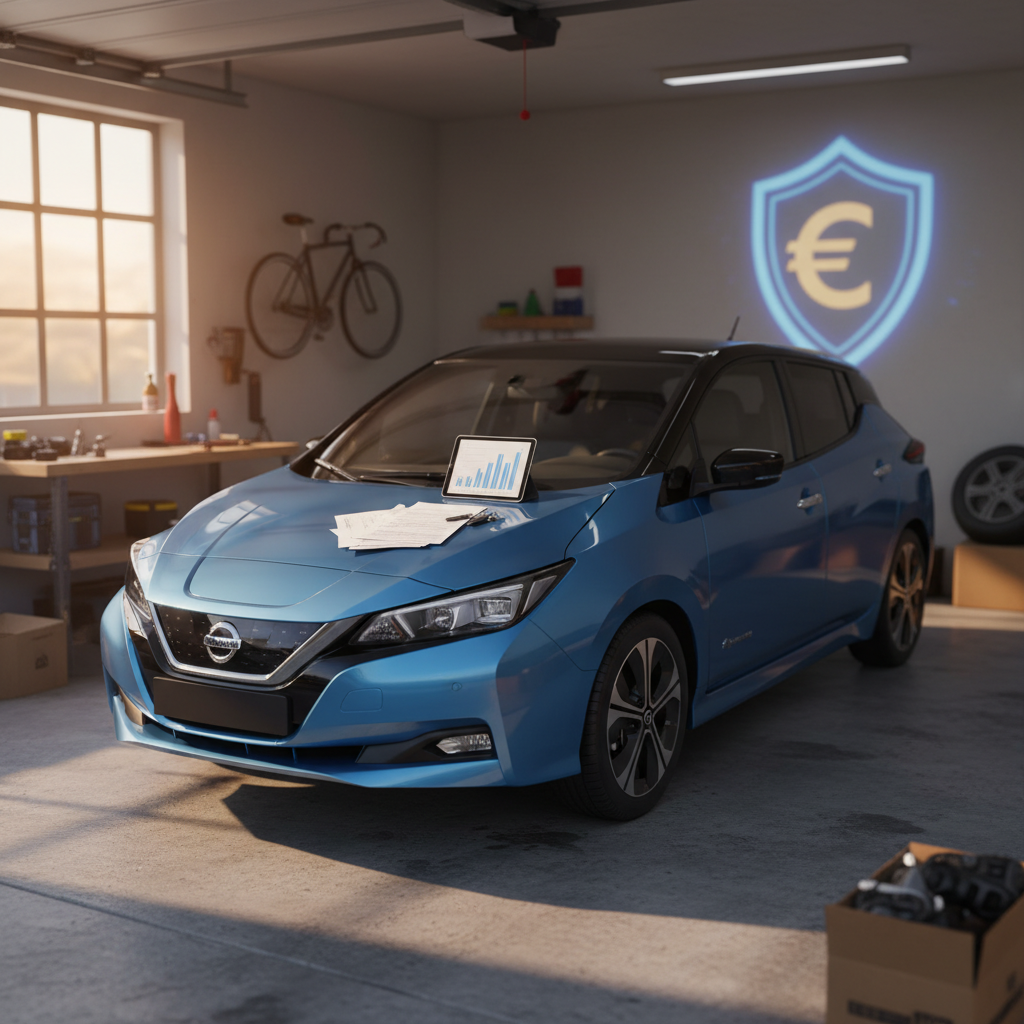
If you’ve been typing “CPO near me” into search bars lately, you’re probably looking for a used car that feels as safe as buying new, especially when it comes to an electric vehicle’s battery. The good news: today’s certified pre-owned programs and modern used‑EV platforms (like Recharged) give you more choice and protection than ever, but the CPO label doesn’t automatically mean “best buy.”
Quick definition
What people really mean by “CPO near me”
When shoppers search for “CPO near me”, they’re usually looking for three things, whether they say it or not:
- A used vehicle that’s been thoroughly inspected, not just washed and listed.
- Some form of warranty or protection beyond an “as‑is” sale.
- A trusted seller who won’t disappear the moment you drive off the lot.
Traditional CPO programs at franchise dealerships can check those boxes, but they’re not the only way. A used EV with a transparent battery health report, fair‑market pricing, and an inspection backed by specialists can be every bit as reassuring, even if there’s no factory CPO badge on the window.
Think in terms of protections, not labels
CPO vs used EV: what’s the difference?
Certified pre-owned (CPO)
- Usually sold by a franchise dealer for that brand.
- Must meet age and mileage limits (often under 5–6 years and ~60–80k miles).
- Undergoes a multi‑point inspection (often 100–200+ checklist items).
- Includes some type of extended warranty and roadside assistance.
- Often priced higher than a similar non‑CPO used car.
Non‑CPO used EV
- Sold by independent dealers, online platforms, or private parties.
- Condition and history can vary more widely.
- Inspection quality depends on the seller, some do the bare minimum, others go deeper than CPO.
- Typically lower price than CPO for the same year/mileage.
- Warranty may be limited to what’s left of the factory coverage, if any.
In multiple studies, certified pre‑owned cars show fewer reported problems and higher owner satisfaction than ordinary used cars, largely because of those inspections and warranties. At the same time, you’re paying a premium for that peace of mind, money that might buy you more range or a newer model if you shop carefully outside traditional CPO channels.
Pros and cons of buying a CPO electric vehicle
Is a CPO EV near you worth the premium?
Weigh these trade‑offs before you fall in love with the badge.
Advantages of CPO EVs
- Structured inspection: Most OEM programs require 100–200+ checks on mechanical, cosmetic, and safety items.
- Extra warranty coverage: You often get additional bumper‑to‑bumper or powertrain coverage layered on top of any remaining factory EV warranty.
- Perks: Roadside assistance, trial subscriptions, and sometimes complimentary maintenance.
- Easier financing: Lenders and captive finance arms often treat CPO more like new, which can mean better rates.
Drawbacks of CPO EVs
- Higher upfront price: Expect to pay a few hundred to several thousand dollars more than a comparable non‑CPO used EV.
- Limited selection: Only certain models/years qualify, and inventory near you may be thin.
- Battery clarity can be vague: A generic inspection checklist doesn’t always translate into a clear, quantified battery health score.
- Brand‑locked: Shopping CPO usually means hopping among brand‑specific dealers instead of comparing all your options in one place.
For EVs, the usual CPO playbook is incomplete
Where to search for CPO and high-quality used EVs near you
Let’s look at the main places you can go once you’ve decided you want something better than a random used lot. Each has a slightly different take on the “CPO near me” promise.
Four common paths to a “CPO‑level” EV
Mix and match these channels to see the full picture in your local market.
1. Franchise brand dealerships
This is the traditional home of CPO. If you want a certified pre‑owned Nissan LEAF, Chevy Bolt, or Tesla (where available), you’ll usually find it at a same‑brand dealer.
- Pros: Factory‑backed CPO programs, familiar process.
- Cons: Brand‑limited inventory, dealership fees, and haggling can eat into value.
2. Online used‑EV retailers & marketplaces
Newer platforms, and this is where Recharged fits, focus specifically on used EVs, battery transparency, and a digital buying experience.
- Pros: Wider cross‑brand selection, detailed condition reports, home delivery in many cases.
- Cons: Not every platform is EV‑specialized; check how they measure battery health, not just cosmetics.
3. Local independent dealers
Some independents build a niche in EVs and offer their own “certified” labels.
- Pros: Potentially aggressive pricing and local relationships.
- Cons: Inspection standards and warranties vary widely, read the fine print.
4. Private‑party sellers
You usually won’t see a CPO badge here, but a well‑documented, low‑owner EV can be a bargain.
- Pros: Lowest prices, room to negotiate.
- Cons: No baked‑in warranty, and you’re fully responsible for verifying battery and vehicle health.
Where Recharged fits in
Ready to find your next EV?
Browse Vehicles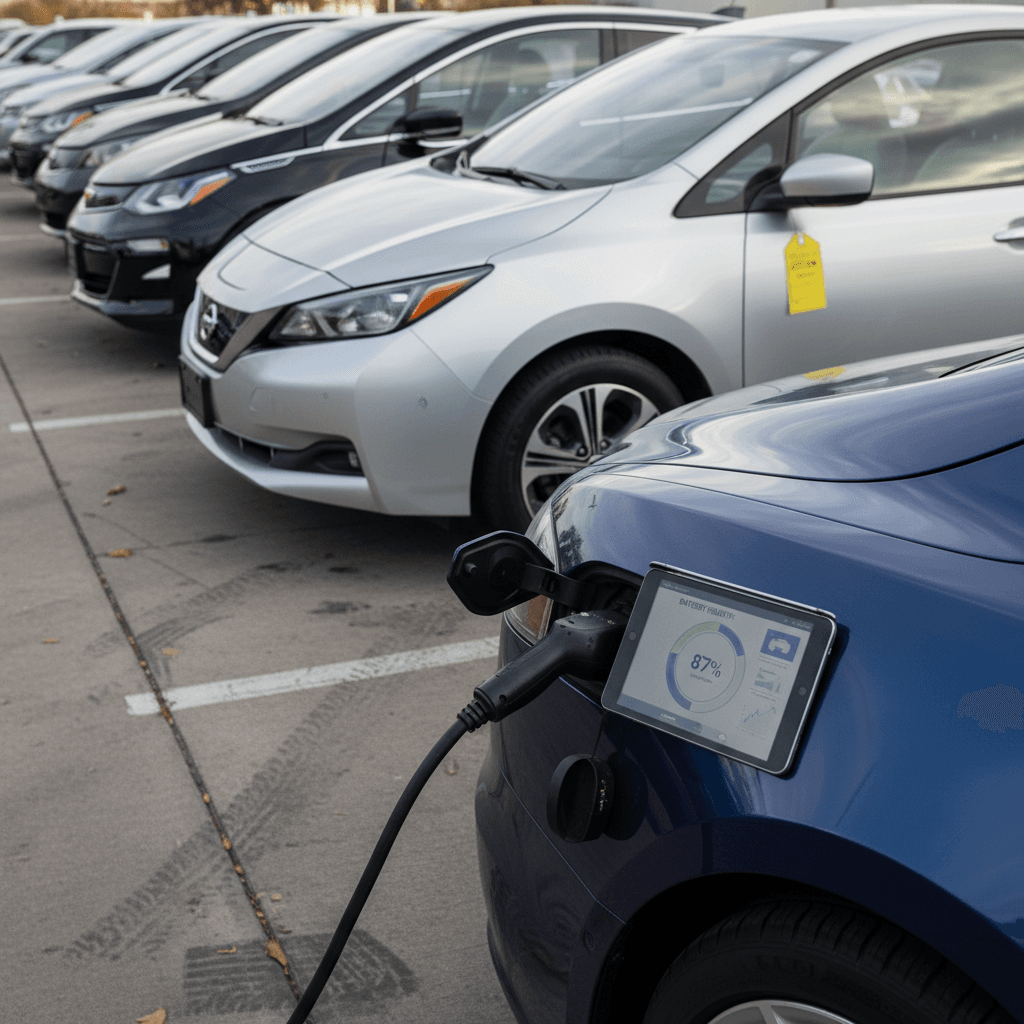
Battery health: the one thing most CPO programs still miss
With gas cars, a good technician can listen, drive, and measure their way to a fair picture of the engine and transmission. EVs are different. The single most expensive component, the battery pack, is often hidden behind a handful of generic checklist items like “no warning lights” or “charges normally.” That’s not enough.
Why used EV buyers obsess over batteries
What you really want to know before you buy isn’t just, “Does it charge?” but “How much useful capacity is left, and how will that affect my range and resale value?” That’s exactly what Recharged’s Score Report is built to answer with objective diagnostics, not guesswork.
Warranties and coverage on CPO and used EVs
One of the strongest selling points behind “CPO near me” is warranty coverage. But with EVs, you need to understand which warranties you’re actually getting and how they stack.
How EV warranties typically stack up
Exact coverage varies by brand and model, always read the contract, but this gives you a framework.
| Type of vehicle | What’s usually covered | Typical duration | Key fine print |
|---|---|---|---|
| New EV | Full bumper‑to‑bumper plus separate battery/EV component warranty | 3–4 yrs / 36k–50k mi bumper‑to‑bumper; 8 yrs / ~100k mi battery | Coverage may prorate for battery capacity; requires scheduled maintenance and proper charging use. |
| Factory CPO EV | Limited bumper‑to‑bumper or powertrain extension plus roadside assistance | Often +1–2 yrs beyond original or up to a set mileage cap | May exclude wear items and some high‑tech components; battery coverage may just mirror the remaining original warranty. |
| Non‑CPO used EV from dealer or platform | Sometimes a short dealer warranty or service contract; always any remaining factory warranty | 30–90 days basic (if offered) plus whatever is left of the original EV warranty | Many “certified” dealer labels are marketing terms, not factory programs, check who pays for what. |
| Private‑party used EV | No new coverage; only whatever factory warranty time/mileage is left | Varies by vehicle age and miles | You’re on your own for repairs; consider a pre‑purchase inspection and battery health test. |
Use this table as a starting point, then confirm the details for the specific EV you’re considering.
Don’t assume “CPO” means full battery protection
How to compare CPO vs used EV prices in 2025
In the past couple of years, EV resale values have been on a roller coaster. New‑car price cuts, federal and state incentives, and a wave of off‑lease vehicles have pushed used EV prices down sharply in many segments. That’s tough news for early buyers, but a real opportunity if you’re shopping used now.
The market has shifted in your favor
- Compare total cost, not just asking price. A CPO EV with a slightly higher payment but added warranty coverage can be cheaper over five years than a cheaper as‑is car that needs surprise repairs.
- Look at battery health alongside price. A non‑CPO EV with verified strong battery capacity may be a better buy than a CPO model with vague battery documentation.
- Check incentives and financing. Some lenders offer promotional rates on CPO vehicles. Recharged helps you finance a used EV online, often at competitive rates, with EV‑savvy guidance.
- Benchmark against market data. Recharged’s Score Report includes a fair‑market pricing view so you can see if a given EV is priced below, at, or above current market trends.
Checklist: shopping for a CPO or used EV near you
Your “CPO near me” field guide
1. Define your range and charging needs
Know your daily miles, access to home/work charging, and how often you take road trips. That will determine whether an older, lower‑range EV is a bargain or a headache.
2. Shortlist 2–3 models that fit
Focus on EVs that match your lifestyle, compact commuters, crossovers, or larger SUVs. Research common issues and typical real‑world range for each.
3. Decide how much the CPO badge is worth to you
Ask yourself: if a non‑CPO EV had better battery health data, history, and pricing, would you still pay extra just for the CPO label? Many shoppers don’t need to.
4. Demand real battery information
Whether you’re at a franchise dealer, independent lot, or browsing Recharged, insist on <strong>objective battery health data</strong>, not just “it seems fine.”
5. Review warranty details line by line
Clarify what’s covered, for how long, and with what deductibles. Pay special attention to battery, drive units, and major electronics.
6. Compare financing and total out‑the‑door price
Get quotes that include taxes, fees, and any extras. Recharged lets you see pricing and financing online so you can compare without pressure.
7. Factor in trade‑in or sale of your current vehicle
If you’re replacing a car, consider instant offer, trade‑in, or consignment options. Recharged can <strong>buy your car outright or help you sell it</strong>, which can change the math on which EV is the smartest move.
How Recharged compares to traditional CPO programs
What traditional CPO does well
- Brand‑specific inspections and reconditioning.
- Simple story: “Certified by Manufacturer X.”
- Bundled warranties and roadside assistance.
- Familiar dealership purchase process.
Where Recharged raises the bar for EVs
- Recharged Score Report: Objective diagnostics of battery health, not just a generic checklist.
- Fair‑market pricing: Transparent pricing data to show how each EV compares to current market trends.
- EV‑specialist support: Guidance on charging, range, incentives, and ownership costs from people who live and breathe EVs.
- Flexible selling options: Trade‑in, instant offer, or consignment if you need to move your current vehicle.
- Digital convenience: Browse, finance, and complete paperwork online, with nationwide delivery and an Experience Center in Richmond, VA if you prefer to visit in person.
CPO‑level confidence, EV‑specific focus
FAQ: common questions about searching “CPO near me”
Frequently asked questions about CPO and used EVs
Bottom line: don’t chase the badge, chase the right car
Certified pre‑owned programs were invented to make used cars feel safer to buy, and they’ve largely done that job. When you search for “CPO near me”, what you’re really searching for is confidence: that the car has been vetted, the price is fair, and you won’t be blindsided by repairs, especially on an EV battery that can cost more than some used cars. CPO can deliver that, but it isn’t the only path anymore.
By focusing on battery health, warranty details, and total cost of ownership, and by considering EV‑focused platforms like Recharged alongside traditional CPO lots, you give yourself more ways to win. Use the checklist in this guide, ask pointed questions, and insist on real data instead of vague assurances. Do that, and whether the emblem on your next EV says “Certified Pre‑Owned” or not, you’ll drive away with exactly what you were after: a used electric car you can trust.