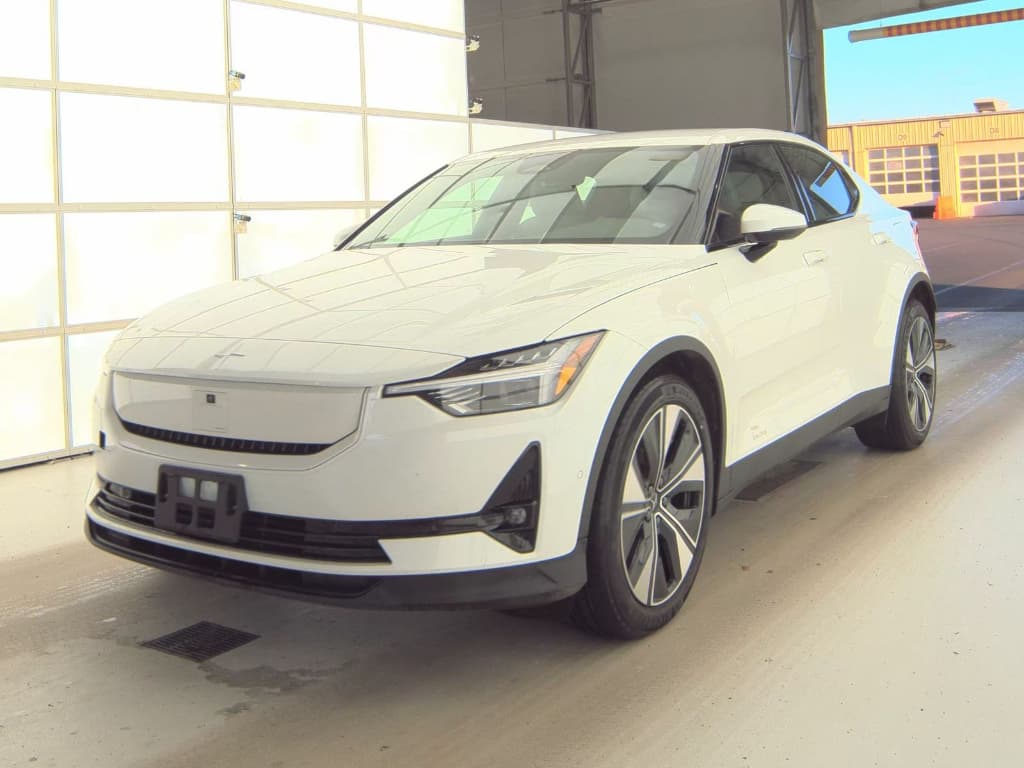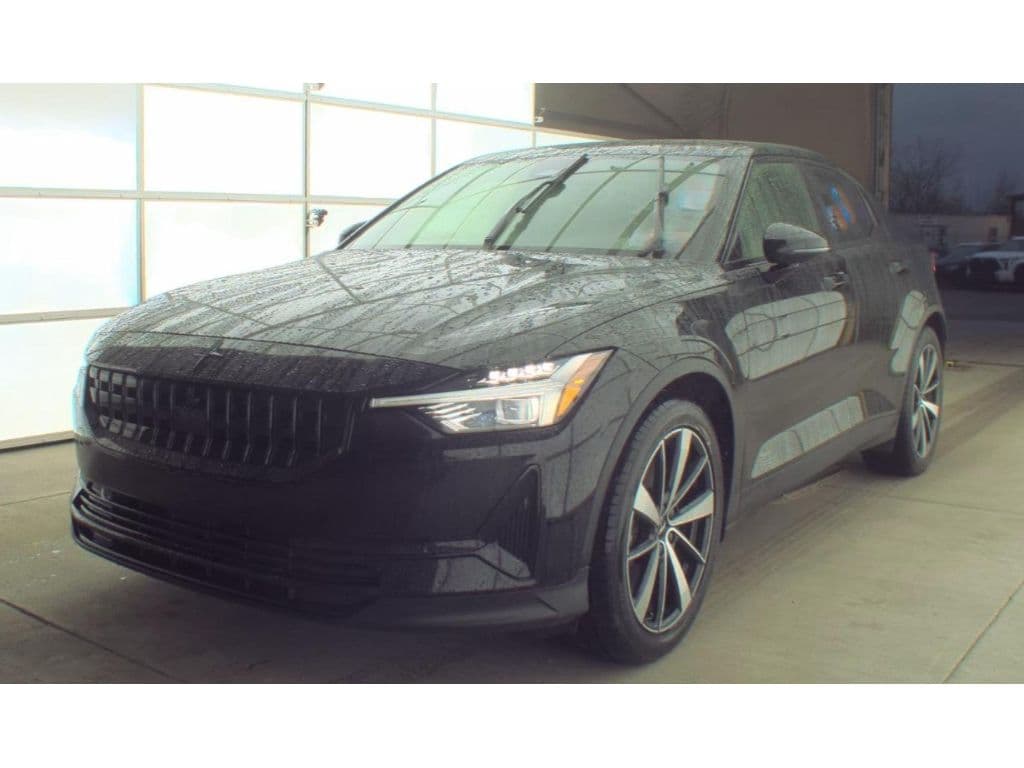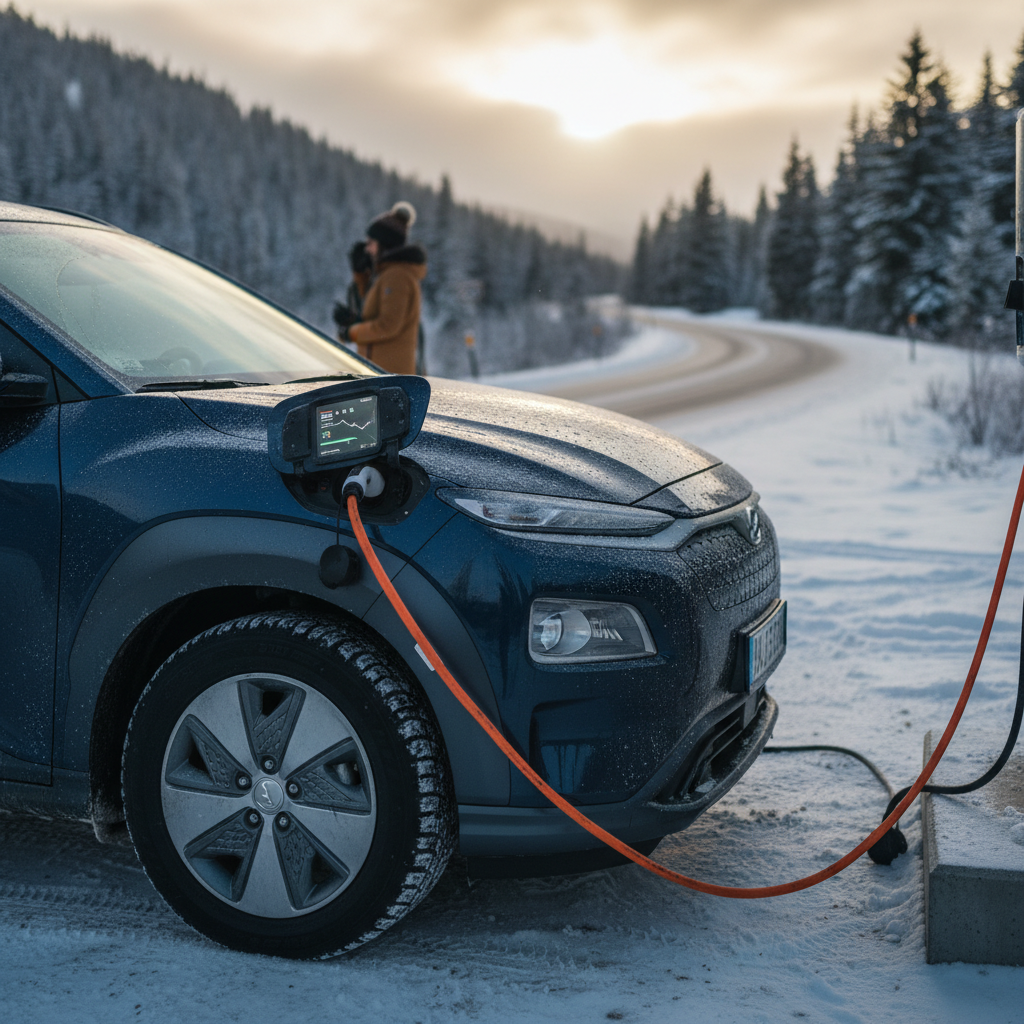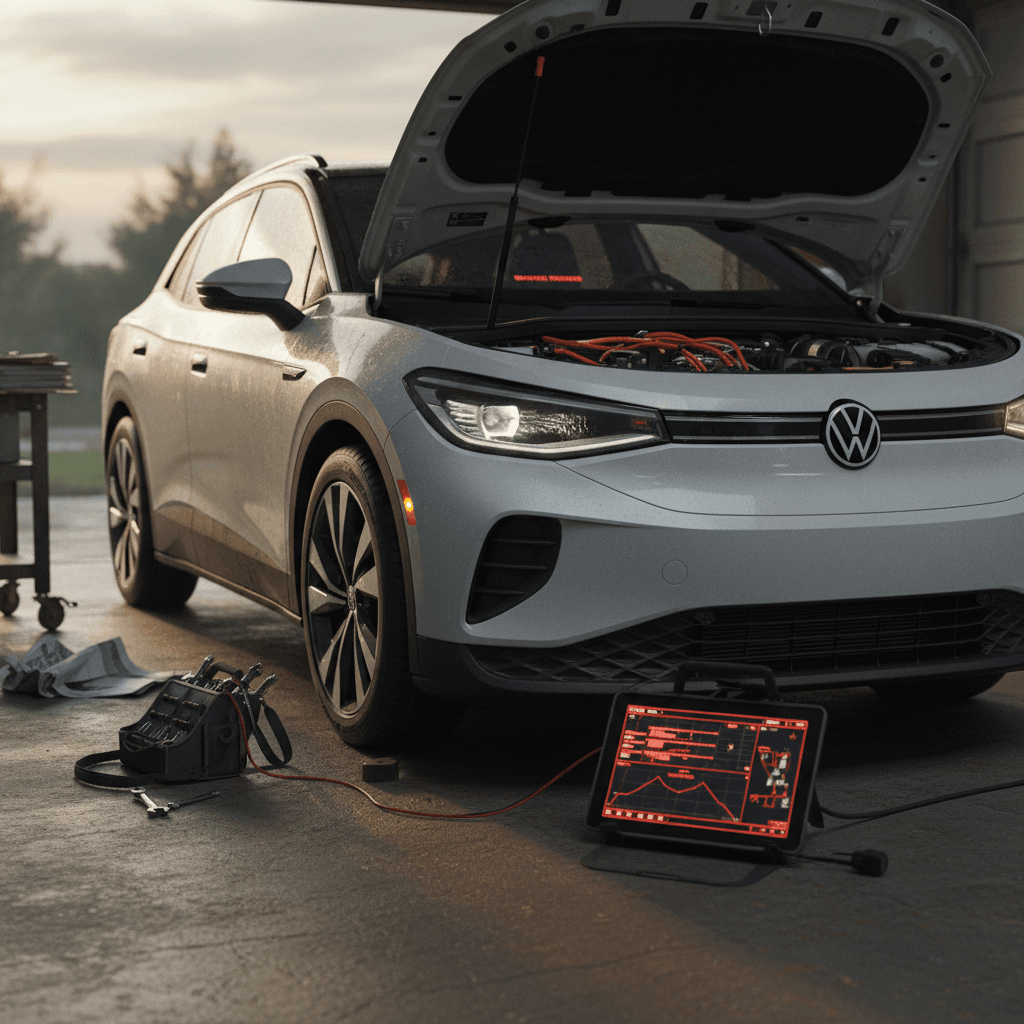
If you’re eyeing a used 2021 Polestar 2, you’re not alone. It’s one of the more distinctive compact electric fastbacks on the road. But as an early production EV from a young brand, it’s fair to ask: what 2021 Polestar 2 problems are owners actually seeing, and how worried should you be when you’re buying used?
Quick take
Overview: Should you worry about 2021 Polestar 2 problems?
Because the Polestar 2 launched in the U.S. for the 2021 model year, early cars combined brand‑new hardware with brand‑new software. That’s a recipe for a few gremlins. Owner reports and recall data show a pattern: glitchy software, flaky infotainment, camera issues, and occasional 12V battery trouble are much more common than anything involving the main traction battery going bad.
- Most serious safety issues (like high‑voltage contactor faults and rear‑camera failures) have formal recalls and software remedies.
- Everyday annoyances, infotainment freezes, slow CarPlay, app connectivity problems, are more common than on some rivals.
- Mechanical durability of the motors and battery pack looks generally solid so far, but the car leans heavily on software to feel “finished.”
What this means if you’re shopping used
Big-picture reliability of the 2021 Polestar 2
2021 Polestar 2 reliability snapshot (based on owner reports
Traditional long‑term reliability scores for the 2021 Polestar 2 are still limited, simply because the car is rare compared with a Tesla Model 3 or Chevy Bolt. Instead, you’re reading tea leaves from recalls, service bulletins, and what owners are saying on forums and in reviews. The pattern is clear: if you’re sensitive to infotainment bugs and delayed service appointments, shop carefully.
Used‑shopper tip
Infotainment and software glitches
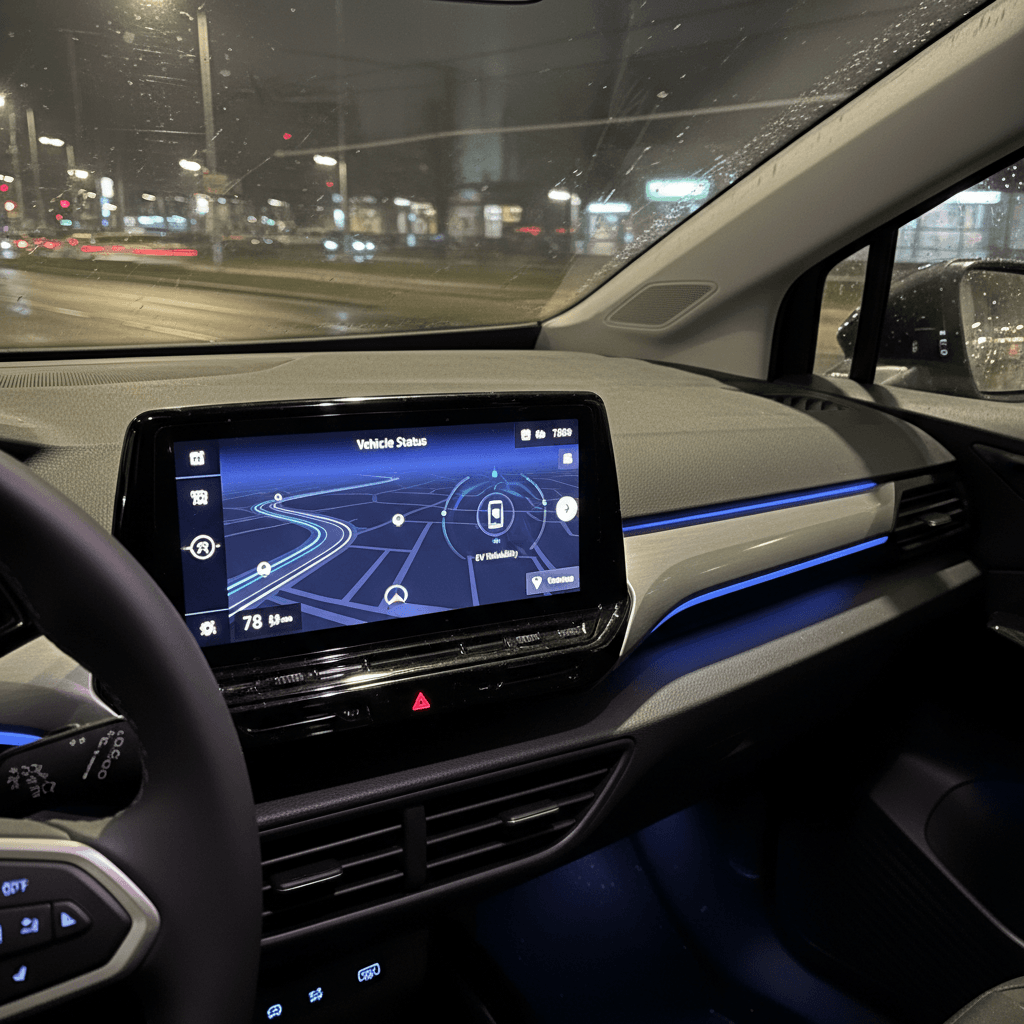
If there’s one drum Polestar 2 owners keep beating, it’s software. The 2021 cars were among the first to use an Android Automotive–based infotainment system, and it shows its age. Common complaints include:
- Screen freezes and crashes, sometimes while driving, taking navigation, audio and even turn‑signal click sounds with it until you reboot.
- Slow or laggy performance when entering navigation destinations or switching apps, even on current software.
- CarPlay and Bluetooth instability: dropped connections, needing multiple attempts to pair or start playback.
- Intermittent rear camera behavior, laggy on some cars, or working only part of the time on others (later tied into a recall for all model years 2021–2025).
Why software matters so much on the Polestar 2
Annoying-but-livable quirks
- Occasional need to reboot the center screen when it slows down.
- Spotify or other apps hanging; solved by switching to CarPlay.
- Brief delay before voice commands or maps respond, especially after the car has sat overnight.
Red-flag behavior
- System freezing multiple times per week or going completely black.
- Rear camera frequently unavailable or takes many seconds to appear when you shift into reverse.
- Updates that “brick” major functions, like locking, unlocking or the display, without being resolved quickly by a dealer.
Watch out on a test drive
Connectivity and TCAM module issues
Another cluster of 2021 Polestar 2 problems lives in the roof, inside the so‑called TCAM (Telematics and Connectivity Antenna Module). It handles LTE data, GPS, SOS/emergency functions and the link to the Polestar app.
- Car dropping its LTE connection repeatedly or staying offline for days.
- Inability to reach the car from the app, no lock/unlock, no preconditioning, no state‑of‑charge updates.
- Failed over‑the‑air (OTA) updates because the car can’t stay connected.
- In some cases, water intrusion at the roof antenna damaging TCAM hardware.
Why TCAM problems matter
Polestar and Volvo service centers can usually diagnose a bad TCAM and either reset it or replace the module. But it’s a dealer‑only job, and parts availability has sometimes stretched repair timelines. That’s something to keep in mind if you live far from a Polestar service point.
12V battery and electrical problems
Like every EV, the Polestar 2 uses a small 12‑volt battery to run its computers, locks, lights and other low‑voltage hardware. If that battery misbehaves, the entire car can feel dead, even when the big high‑voltage pack is fully charged. Owners of early cars, including 2021s, report several patterns:
- 12V battery going flat if the car sits undriven for long stretches, sometimes repeatedly.
- Low 12V battery warnings in the app or instrument cluster, even when the car seems to drive fine.
- Strange behavior like the car being slow to recognize key fobs, or refusing to unlock via the touch‑sensitive door handles, later traced to a weak 12V battery.
- 12V draining quickly if you spend hours parked and streaming video or music with the car “on.”
Why 12V issues feel worse on EVs
Common 12V trouble signs in a 2021 Polestar 2
Most are annoying, not catastrophic, but they can strand you at the wrong time.
Key recognition weirdness
The car takes too long to unlock when you grab the handle, or won’t respond even with the fob in your pocket.
Locking & unlocking failures
Central lock buttons don’t respond, remote lock/unlock doesn’t work, yet the windows still move.
Random warnings or no wake‑up
Multiple unrelated warning lights, or the car refuses to go “Ready” until it’s jumped or the 12V is reset.
Used‑car check: 12V and charging behavior
High-voltage battery, charging, and range behavior
The big question most used‑EV shoppers have is, “Will the main battery pack hold up?” For the 2021 Polestar 2, the good news is that widespread high‑voltage battery failures do not appear to be a common problem so far. Instead, you see more nuanced issues:
- Occasional difficulty initiating DC fast‑charging at certain public stations, sometimes fixed by a software update, sometimes blamed on the station.
- Range estimates that feel conservative or swing around with weather and driving style (common to most EVs).
- A small amount of healthy, expected degradation over several years, typically measured as a few percent loss in usable capacity rather than a dramatic drop.
About the high-voltage contactor recall
Still, you should treat the traction battery like the heart of the car. Have its health verified, ideally with a proper diagnostic report that measures actual capacity rather than just reading the dash gauge. That’s exactly what Recharged’s Recharged Score aims to capture when you buy a used EV through our marketplace.
Key recalls affecting the 2021 Polestar 2
By now, several recalls touch the 2021 model year. Most are addressed via software at a Polestar or Volvo service center, but they matter because they map directly to the problems owners talk about.
Major recalls that can affect a 2021 Polestar 2
Exact campaigns vary by market and VIN. Always run a VIN check to confirm status.
| Issue | Typical symptoms | Remedy | Why it matters |
|---|---|---|---|
| High-voltage contactors in battery control module | Sudden loss of drive power, multiple warnings | Software update and/or module reprogramming at dealer | Prevents unexpected power loss while driving. |
| Rearview camera display failure (2021–2025 cars) | "Camera temporarily unavailable" message, black screen when reversing | Software update to keep camera link alive and add auto‑reset | Restores a critical safety feature and eliminates daily annoyance. |
| Early inverter capacitor defect (mainly 2020 build, some overlap) | Drive system warnings, potential for power loss | Inverter module replacement on affected cars | Protects main drive inverter from short circuiting. |
Any used 2021 Polestar 2 you’re considering should show these as completed.
Never assume recall work is done
Ride, suspension clunks, and hardware complaints
Compared with software gripes, mechanical complaints on the 2021 Polestar 2 are less common but more frustrating when they crop up. A subset of owners describe:
- Front suspension that feels noisy over bumps, clunks, creaks or a “wooden” thud when turning or going over broken pavement.
- Rear‑axle clunks, especially at low speed or when moving off from a stop.
- Service visits that don’t fully resolve the noises, or parts back‑ordered for weeks.
Is the ride just firm, or actually broken?
Some of this comes down to expectations. If you’re coming from a soft‑riding crossover, the Polestar 2 may simply feel tighter and busier. But if you hear loud, repeatable clunks on a test drive, or you can feel something through the steering wheel or floor, have a shop put it on a lift before you sign anything.
What tends to crop up as the car ages?
By 2026, a 2021 Polestar 2 is five model years old. That’s when first‑generation issues and wear items really separate well‑cared‑for cars from neglected ones. The age‑related pattern we’re seeing looks like this:
Typical aging pattern for a 2021 Polestar 2
Assuming 40,000–70,000 miles and average use.
Tech gremlins become habits
If an owner has lived with screen freezes, slow apps and flaky connectivity for years, they may never have pushed the dealer for fixes. Those habits carry over to you if you buy the car.
12V battery replacement time
By year 4–6, many cars will be on their second 12V battery. That’s normal, but it should be documented, not a surprise tow bill.
Range, realistically
Modest capacity loss is expected. What matters is consistency: does the car still charge normally and deliver predictable range?
Suspension and brakes
Normal wear on pads, tires and bushings starts to show. Noisy or loose components should be addressed before sale on any reputable lot.
Shopping checklist for a used 2021 Polestar 2
You don’t need to be an engineer to shop a 2021 Polestar 2 wisely. You just need a structured game plan. Here’s a checklist you can literally bring to the test drive.
Used 2021 Polestar 2 inspection checklist
1. Verify recalls and software updates
Ask for a VIN printout of completed recalls and a service record showing the latest software version. If the rear camera recall or high‑voltage contactor campaign is open, insist it be done before or immediately after purchase.
2. Stress‑test the infotainment system
Start the car cold. Time how long it takes for the screen and rear camera to fully wake up. Enter a navigation destination, pair your phone, start music, try CarPlay. Any freezes, black screens, or repeated failures are a negotiation point, or a reason to walk.
3. Check app connectivity and telematics
Have the seller demonstrate the Polestar app: lock/unlock, climate pre‑conditioning, state of charge. If the car can’t be reached or shows chronic offline status, suspect TCAM issues.
4. Ask about 12V battery history
Has the 12V battery ever been replaced? Has the car ever needed a jump or roadside assist for a no‑start? Regularly driven cars with a documented 12V replacement are ideal.
5. Listen for suspension and drivetrain noises
On a variety of roads, listen for clunks, bangs or grinding when you steer, brake, or roll slowly over broken pavement. A quiet, tight‑feeling car is what you want; anything else deserves a pre‑purchase inspection.
6. Evaluate charging behavior
If possible, plug into both AC Level 2 and a DC fast‑charger. The car should start charging without drama and maintain a stable session. Watch for unexplained faults or unusually slow charging.
7. Get an independent EV health report
An EV‑savvy shop, or a marketplace like <strong>Recharged</strong> that provides a battery‑health report, can quantify remaining capacity and flag hidden issues that a visual inspection would miss.
How Recharged helps you shop safer for a used Polestar 2
A quirky first‑generation EV doesn’t have to be a gamble. At Recharged, every used electric vehicle listing comes with a Recharged Score Report that digs into the things traditional used‑car listings gloss over, especially on models like the 2021 Polestar 2.
What you get when you buy a used EV through Recharged
Especially helpful on software‑heavy cars like the 2021 Polestar 2.
Verified battery health
We use EV‑specific diagnostics to assess the high‑voltage battery pack, so you’re not guessing about range or longevity.
Transparent pricing
Our fair‑market pricing tools factor in age, mileage, condition and current EV incentives, so you know whether that Polestar 2 is priced right.
EV‑specialist support
Our team can walk you through Polestar‑specific concerns, from software history to charging options, and help you compare alternatives.
Ready to find your next EV?
Browse VehiclesYou can trade in your current vehicle, arrange financing, choose between an instant offer or consignment, and get nationwide delivery, all digitally. If you’d rather talk things through in person, you can also visit our Experience Center in Richmond, VA and get hands‑on with EVs before you commit.
FAQ: 2021 Polestar 2 problems & ownership
Frequently asked questions about 2021 Polestar 2 problems
Bottom line: Is a 2021 Polestar 2 worth it used?
A used 2021 Polestar 2 can be a compelling EV if you value style, driving dynamics and something a bit different from the usual suspects. The trade‑off is that you’ll be living with first‑generation software and a service network that’s still maturing. The big mechanical pieces, motors and main battery, have not emerged as chronic weak points. The headaches live instead in the infotainment stack, connectivity, cameras and 12V behavior.
If that sounds manageable, and you choose a car with clean history, up‑to‑date recalls, and verified battery health, you can enjoy the best of what the 2021 Polestar 2 offers at today’s softer used‑EV pricing. And if you’d rather not go it alone, shopping through Recharged means every EV comes with a Recharged Score Report, expert EV guidance, financing and trade‑in options, and even nationwide delivery, so you can spend less time worrying about problems and more time enjoying your next electric drive.