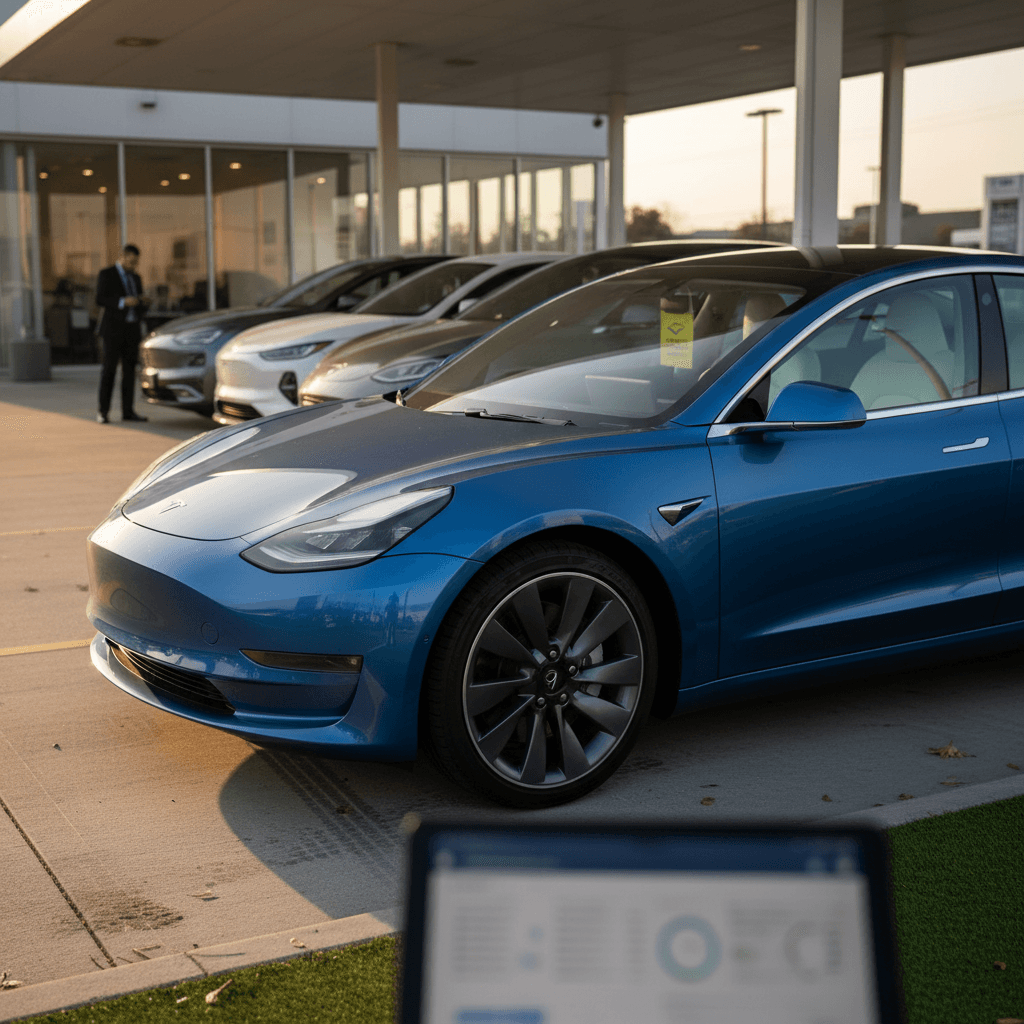
If you’ve been shopping used cars, you’ve probably seen the term CPO car splashed across listings. It sounds reassuring, but what does “certified pre-owned” actually mean, and when is it worth paying extra for that badge?
Quick definition
What is a CPO car, exactly?
A CPO car (certified pre-owned car) is a used vehicle that’s been screened, refreshed, and warrantied by the automaker or dealer. Think of it as a used car that’s been through finishing school. To qualify, it usually has to be a newer model with lower mileage, a clean vehicle history, and no major accidents on record.
- Age and mileage limits (often under 5–7 years old and below ~60,000–80,000 miles, depending on brand)
- Clean title and no history of severe damage or flood
- Service history that meets the brand’s maintenance standards
- Passage of a multi‑point inspection (often 100–200+ items)
- Reconditioning of worn parts like brakes, tires, or cosmetic flaws
The headline difference between a CPO car and a regular used car is the warranty. A true manufacturer CPO car usually carries a factory‑backed limited warranty on top of any remaining original coverage, plus extras like 24/7 roadside assistance and sometimes free maintenance for a set period.
Watch the wording
How CPO programs work behind the scenes
Every brand’s program is a little different, but most follow the same basic playbook. Here’s what typically happens before a car earns that CPO label.
The typical CPO process in four steps
What happens before you ever see the car on the lot
1. Eligibility check
2. Multi‑point inspection
3. Reconditioning
4. Warranty activation
How CPO cars stack up in 2025
Tip for online shoppers
CPO car vs used vs new: key differences
When you’re deciding between a CPO car, a regular used car, and a brand‑new vehicle, you’re really trading off price, protection, and selection. Here’s how they compare at a glance.
CPO vs used vs new cars at a glance
How protection, cost, and risk compare across your main choices.
| Feature | New Car | CPO Car | Regular Used Car |
|---|---|---|---|
| Price | Highest | Mid (4–5% above used) | Lowest |
| Age & Miles | Brand‑new | Recent, low miles | Any age, any miles |
| Warranty | Full new‑car warranty | Extended limited warranty + roadside | Usually none beyond state minimum |
| Inspection | Factory QC at build | 150–200+ point CPO inspection | Dealer’s or buyer’s inspection (if any) |
| Perks | Promos, low APR, free maintenance (varies) | Roadside, loaner cars, maintenance (some brands) | Rare, maybe a short dealer warranty |
| Selection | Limited by budget and inventory | Moderate, focused on popular models | Widest selection and price range |
| Risk | Lowest mechanical risk | Low mechanical risk | Highest; varies by seller & history |
CPO cars sit between new and used: more protection than a standard used car, less cost than brand‑new.
When a CPO car shines
- You want new‑car peace of mind but can’t stomach new‑car prices.
- You’re not comfortable judging vehicle condition yourself.
- You value warranty coverage and roadside assistance.
- You plan to keep the car long enough to use the warranty.
When a regular used car makes sense
- Your budget is tight and you need the lowest possible price.
- You’re car‑savvy (or have a trusted mechanic) and will pay for your own inspection.
- You’re OK with older, higher‑mileage vehicles.
- You want niche models or specific trims that don’t show up in CPO programs.
Pros and cons of buying a CPO car
CPO car pros and cons
Weigh the peace of mind against the price premium
Advantages of a CPO car
- Extra warranty coverage beyond what’s left of the original new‑car warranty.
- Thorough inspection and reconditioning to catch obvious issues before you ever see the car.
- Roadside assistance and sometimes free maintenance or loaner cars.
- Newer vehicles with lower mileage, which typically means better reliability and resale value.
- Easier financing with rates closer to new‑car offers on many brands.
Drawbacks of a CPO car
- Higher price than a comparable non‑certified used car.
- Limited selection: only certain years, mileages, and models qualify.
- Coverage varies a lot by brand and dealer, warranties aren’t all created equal.
- False sense of security if you assume CPO means “problem‑free” forever. It doesn’t.
- Dealer add‑ons and fees can quietly inflate the out‑the‑door price if you’re not paying attention.
Don’t skip your own due diligence
What to look for in a CPO car
You don’t need to become a master mechanic to buy smart. But you should know which documents and details separate a strong CPO car from one that just has a shiny detail job and a big price tag.
Essential CPO checklist: paperwork and condition
1. Factory CPO, not just “dealer certified”
Confirm the program on the window sticker and in the contract. Factory CPO cars are backed by the automaker, not just a third‑party warranty company.
2. Clear, written warranty terms
Ask for warranty documents in writing: start and end dates, mileage limits, what’s covered (and excluded), deductible amounts, and whether coverage is transferable.
3. Full inspection report
Request a copy of the completed inspection checklist. Look for signatures, dates, and line items showing parts that were actually replaced or repaired.
4. Vehicle history and title status
Read the Carfax/AutoCheck (or similar) and confirm there’s no salvage, flood, or lemon‑law branding. Minor, well‑repaired incidents can be OK; major structural damage is a red flag.
5. Service and recall records
Ask for service history and proof that outstanding recalls have been addressed. Factory CPO programs usually require this, but verify it anyway.
6. Independent inspection on borderline cases
For high‑performance models, older vehicles, or just your own peace of mind, consider paying your own trusted mechanic to double‑check the car, even if it’s CPO.
How CPO works for electric vehicles
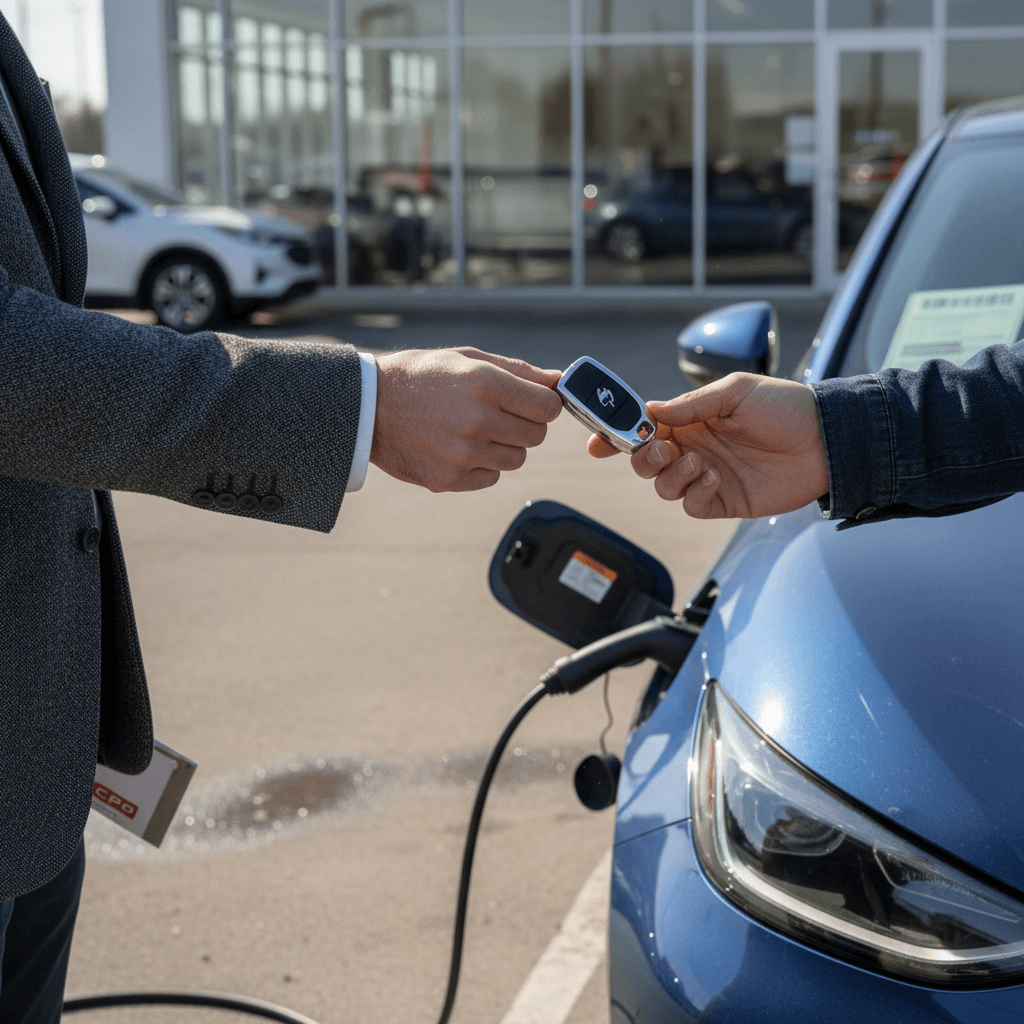
Electric vehicles add a new twist to the CPO car story: the battery. For EVs and plug‑in hybrids, the high‑voltage pack is the single most expensive component on the vehicle. That’s why factory CPO EV programs pay special attention to battery health and software.
What’s different about CPO EVs
Battery health, charging history, and software matter more than ever
Battery warranty coverage
Charging & thermal history
Software & updates
Where Recharged fits in
Ready to find your next EV?
Browse VehiclesIs a CPO car worth it for you?
Whether a CPO car is “worth it” comes down to your budget, your appetite for risk, and how long you plan to keep the vehicle. Paying a 4–5% premium hurts less if you’ll use the warranty and keep the car for several years; it hurts more if you plan to flip it quickly and barely touch the coverage.
Good candidates for CPO
- First‑time buyers who want guardrails and simple next steps.
- Drivers who rely on one vehicle and can’t afford surprise breakdowns.
- Shoppers who keep cars 5–8 years and value warranty protection.
- EV buyers who want extra assurance on battery performance.
Probably better off with non‑CPO used
- Buyers with strict budgets who need the lowest monthly payment.
- DIYers and enthusiasts who are comfortable taking on repairs.
- Shoppers chasing very old, high‑mile, or niche models.
- Drivers who plan to keep the car only 1–2 years.
Think in dollars per year, not just price
Financing and total cost of a CPO car
CPO cars blur the line between new and used not only in condition, but in financing. Many automakers and lenders treat CPO vehicles more like new cars because they’re vetted and warrantied, and that can work in your favor.
How CPO affects your wallet
Beyond the sticker price
Lower APRs than typical used
Certification baked into price
Ownership costs & resale
Mind the add‑ons
If you’re looking at an electric vehicle specifically, platforms like Recharged can simplify the money side even further. You can get pre‑qualified for financing online, explore your trade‑in options, and see battery‑health data before you commit, very similar to the streamlined CPO experience, but focused entirely on EVs.
Step-by-step checklist for buying a CPO car
Ready to shop? Use this step‑by‑step list as your road map from first search to final signature.
Your CPO car buying roadmap
1. Set your budget and priorities
Decide on your max out‑the‑door price or monthly payment, and rank what matters most: warranty length, tech features, safety ratings, fuel economy or range, etc.
2. Choose brands with strong CPO programs
Some automakers offer longer, more generous CPO warranties and perks than others. Research what your top brands actually include so you’re comparing like‑for‑like.
3. Filter for CPO and compare twins
When you find a CPO car you like, search for similar non‑CPO examples with the same year, trim, and mileage. Note the price difference, that’s your CPO premium.
4. Request documents before you visit
Ask the dealer to email the window sticker, CPO inspection report, Carfax/AutoCheck, and warranty booklet. Review them before you invest time in a test drive.
5. Test drive and inspect in person
On the lot, confirm the car matches the paperwork. Check tires, brakes, interior wear, and all major features. Test everything you’ll use, Bluetooth, cameras, driver‑assist systems.
6. Review the deal sheet line‑by‑line
Before signing, go through the buyer’s order and finance contract. Question every fee and add‑on. The only non‑negotiables should be taxes, title, and legitimate government or lender fees.
CPO car FAQ
Frequently asked questions about CPO cars
The phrase “CPO car” can sound like either magic words or marketing fluff. In reality, certified pre-owned programs are a tool, one that can absolutely be worth paying for when you understand what’s included and compare CPO pricing against similar non‑certified cars. If you’re shopping for an EV, tools like Recharged’s battery‑health diagnostics, transparent pricing, and remote buying support can give you CPO‑level confidence without limiting you to just factory programs, so you can pick the right car, not just the right badge.