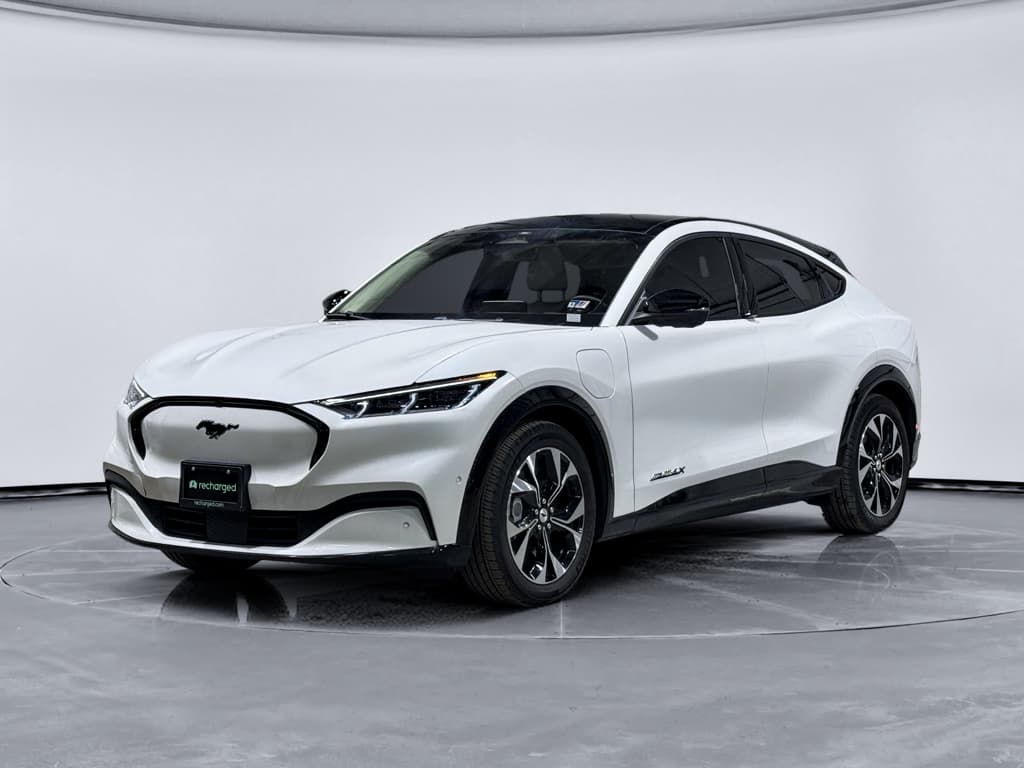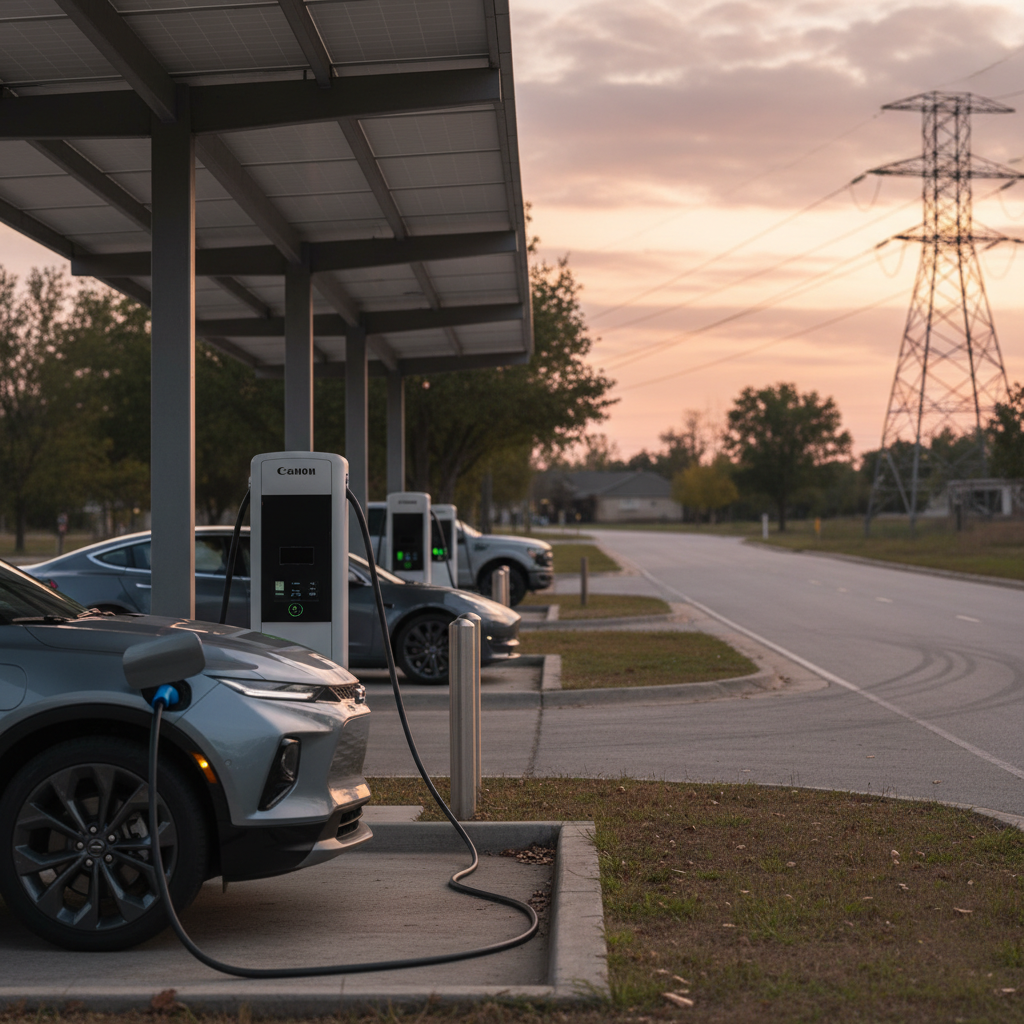
You’re not imagining it: filling up with gas still hurts, but electricity isn’t exactly cheap either. With energy prices shifting in 2025, the real cost to charge an electric car vs gas is one of the most important questions for anyone considering an EV, especially a used one.
Today’s big-picture numbers
EV vs gas cost in 2025: the quick summary
Average U.S. fueling costs in 2025 (typical compact car)
Key takeaway
How we crunched the numbers
To keep this grounded in the real world, let’s spell out the assumptions behind the cost comparisons. If your commute, vehicle, or state looks different, you can adjust the numbers using the same method.
- Electricity price: We use a U.S. residential average of about 18¢/kWh in 2025. Many states are lower, some (like California or the Northeast) are much higher.
- Gasoline price: EIA’s 2025 outlook puts regular gasoline around $3.10 per gallon on average for the year.
- Driving distance: 15,000 miles per year, or about 1,250 miles per month, close to what AAA uses in its "Your Driving Costs" reports.
- Typical EV efficiency: 3–4 miles per kWh for many modern EVs. We’ll use 3.3 mi/kWh for a conservative baseline, and 4 mi/kWh for an efficient scenario.
- Typical gas car efficiency: 25–30 mpg for a compact crossover or sedan. We’ll use 30 mpg as a friendly scenario and 25 mpg as a heavier, less efficient one.
Do your own math in 60 seconds
Cost per mile: electric vs gas
EV cost per mile formula
Here’s the simple way to look at EV fueling:
Cost per mile (EV) = (Electricity price per kWh ÷ Miles per kWh)
Example with typical numbers:
- Electricity: 18¢/kWh
- Efficiency: 3.3 mi/kWh
Cost per mile ≈ 18 ÷ 3.3 = 5.5¢ per mile
If you drive a very efficient EV that gets 4 mi/kWh at the same 18¢/kWh, your cost drops to about 4.5¢ per mile.
Gas cost per mile formula
For gasoline, the math looks like this:
Cost per mile (gas) = (Gas price per gallon ÷ Miles per gallon)
Example with today’s averages:
- Gasoline: $3.10/gal
- Efficiency: 30 mpg
Cost per mile ≈ 3.10 ÷ 30 = 10.3¢ per mile
At a less efficient 25 mpg, that jumps to about 12.4¢ per mile.
Side‑by‑side cost per mile
Monthly and yearly fueling costs
Now let’s translate that per‑mile math into what really matters: how much disappears from your bank account each month and each year.
EV vs gas: annual and monthly fueling cost examples (15,000 miles/year)
Approximate 2025 fueling costs for a typical U.S. driver. Your numbers will vary by state, vehicle, and driving style.
| Scenario | Fuel type & efficiency | Energy price | Annual cost | Monthly cost |
|---|---|---|---|---|
| Baseline EV | 3.3 mi/kWh | 18¢/kWh | ≈$818 | ≈$68 |
| Efficient EV | 4.0 mi/kWh | 18¢/kWh | ≈$675 | ≈$56 |
| High‑cost power | 3.3 mi/kWh | 30¢/kWh (e.g., CA) | ≈$1,363 | ≈$114 |
| Baseline gas car | 30 mpg | $3.10/gal | ≈$1,550 | ≈$129 |
| Thirstier gas car | 25 mpg | $3.10/gal | ≈$1,860 | ≈$155 |
EVs win biggest when you can charge at home most of the time.
When an EV isn’t cheaper on fuel
Home charging vs public charging prices
How you fuel your EV matters as much as what you drive. Think of home charging as the warehouse‑club price and DC fast charging as the airport kiosk.
How charging location changes your cost per mile
Same EV, same miles, very different “fuel” bills.
Home Level 2
Typical price: your residential rate (around 15–20¢/kWh nationally, higher in some states).
Real‑world cost: about 4–7¢ per mile for most drivers.
Best for: Overnight charging, day‑to‑day driving, and minimizing costs.
Workplace / public Level 2
Typical price: ranges from free (subsidized by employers or cities) up to 25–30¢/kWh.
Real‑world cost: roughly 4–10¢ per mile, depending on the rate.
Best for: Topping up during the day when home charging isn’t available.
Public DC fast charging
Typical price: often in the 35–60¢/kWh range, with idle fees if you stay parked.
Real‑world cost: about 10–18¢ per mile, comparable to or slightly cheaper than gas, not dramatically cheaper.
Best for: Road trips, emergency charging, or apartment living with no other options.
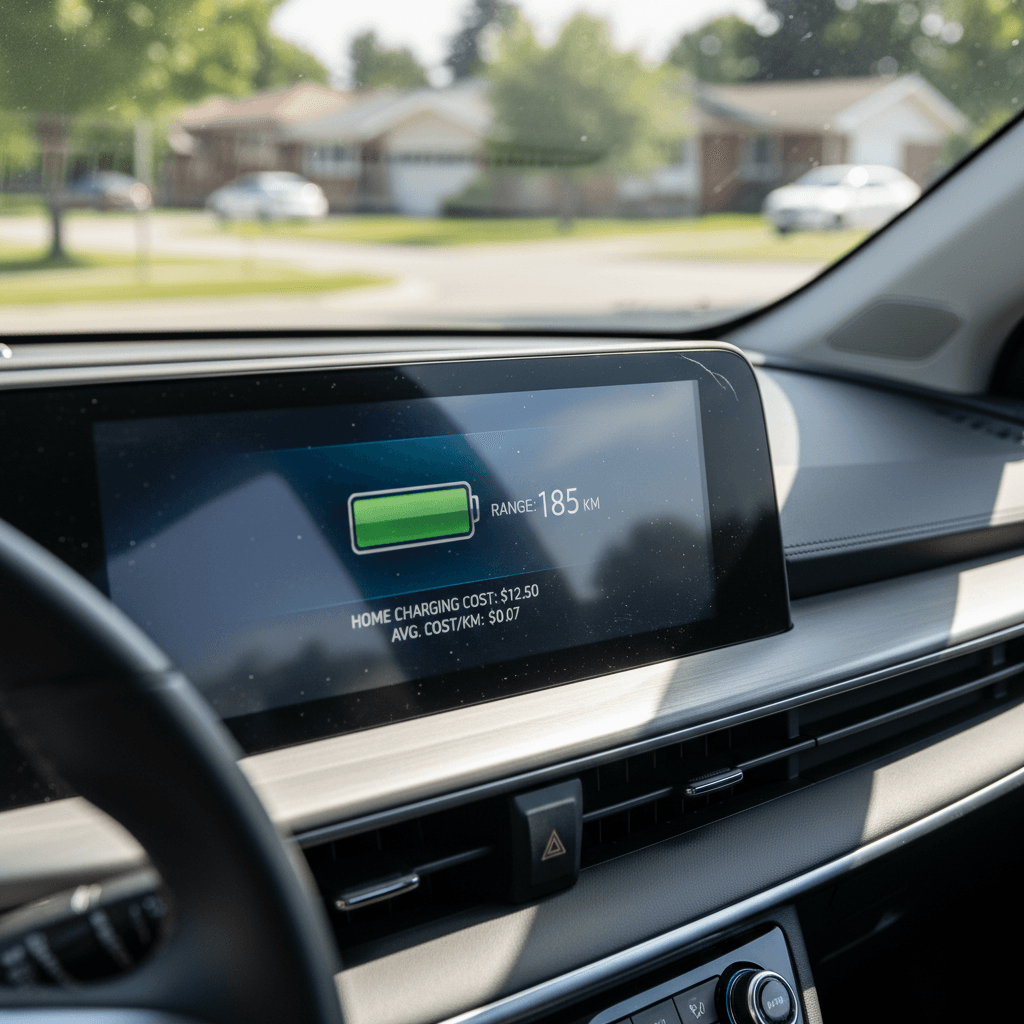
A simple rule of thumb
How much your state changes the math
Electricity prices are wildly local. In 2025, some states sit near 12¢/kWh while others, especially California, Hawaii, and parts of New England, climb into the 30–45¢ range. Gasoline also swings from region to region, but the spread in electricity is often larger.
Sample 2025 cost per mile by state
Illustrative costs using the same 3.3 mi/kWh EV and 30‑mpg gas car, with representative 2025 prices.
| State example | Electricity (¢/kWh) | EV cost per mile | Gas price ($/gal) | Gas cost per mile |
|---|---|---|---|---|
| Low‑cost power (e.g., Idaho, Utah) | ≈12¢ | ≈3.6¢/mi | $3.10 | ≈10.3¢/mi |
| Average state | ≈18¢ | ≈5.5¢/mi | $3.10 | ≈10.3¢/mi |
| High‑cost power (e.g., CA, Northeast) | ≈30¢ | ≈9.1¢/mi | $3.40 | ≈11.3¢/mi |
Low‑electricity‑cost states make EV fueling incredibly cheap; high‑cost states shrink the gap but rarely erase it.
Urban vs rural reality
Used EV owners: what this means for you
If you’re shopping the used market, the fueling story tilts even more in your favor. You’ve already let someone else absorb the steepest years of depreciation, so the savings from low “fuel” cost now carry more weight in your total cost of ownership.
Why EV fueling costs matter more with a used car
1. Fuel savings stack on top of lower purchase price
A used EV that’s already thousands of dollars cheaper than new can save another <strong>$800–$1,500 per year</strong> in fuel compared with a used gas car, depending on your driving.
2. Battery health becomes the star of the show
An older EV with strong battery health still delivers great efficiency. A weak battery can mean less range, more frequent fast charging, and higher effective cost per mile.
3. Charging habits are easier to dial in
Once you know your commute and local chargers, you can settle into a routine that maximizes low‑cost home charging. That predictability is harder to achieve with a brand‑new lifestyle change.
4. Incentives and rates may favor off‑peak EV charging
Many utilities now offer time‑of‑use or EV‑specific rates that make overnight charging significantly cheaper than daytime household use, especially helpful for budget‑conscious used‑EV buyers.
Where Recharged fits in
Ready to find your next EV?
Browse VehiclesOther costs: maintenance, battery, and resale
Fuel is a big piece of the puzzle, but not the whole picture. When you compare the cost to charge an electric car vs gas, you should also think about maintenance, potential battery replacement, and resale value.
Beyond fuel: EV vs gas cost realities
Three big line items that tilt the scales over time.
Routine maintenance
EVs skip oil changes, spark plugs, exhaust systems, and many transmission repairs. Over 5–10 years, that can save you hundreds to a few thousand dollars versus a similar gas car.
Battery health & replacement
Battery packs are expensive, but most modern EVs have long warranties and degrade slowly. The real cost question is range: a healthy battery lets you stay in the low‑cost home‑charging zone more often.
Resale value
EV resale values are evolving. Some models drop quickly, others hold better than expected. If you’re buying used, that early hit is already priced in, which is a big reason used EVs can be compelling.
When you zoom out, electricity vs gas is just one chapter in the total‑cost story. But it’s the chapter you feel every single month.
How to lower your EV charging costs
You can’t control global oil markets or utility rate cases, but you have more influence than you think over what you pay to keep an EV moving.
Practical ways to pay less to charge
1. Charge when power is cheapest
If your utility offers time‑of‑use rates, set your EV to charge overnight during off‑peak hours. That simple change can knock <strong>20–40%</strong> off your per‑kWh price in some areas.
2. Maximize home and workplace charging
Treat DC fast chargers like highway rest‑stops, not daily habit. The more of your annual miles you can fuel at Level 2 rates, the lower your average cost per mile will be.
3. Use apps to compare charger pricing
Public networks don’t all charge the same rates. Charging apps can show you per‑kWh or per‑minute pricing and any idle fees before you plug in, so you’re not surprised by a pricey session.
4. Right‑size your EV to your driving
A huge battery you rarely use means more money tied up than you need. On the flip side, a battery that barely covers your commute may push you into more frequent DC fast charging. Aim for the sweet spot.
5. Keep tires inflated and software updated
EVs are efficient, but they’re not magic. Proper tire pressure, alignment, and the latest efficiency‑focused software updates all help you squeeze more miles from every kWh.
6. Shop used with battery data in hand
Buying a used EV with a verified battery report, like the <strong>Recharged Score</strong>, helps you avoid cars whose degraded range could force you into costly charging patterns.
FAQ: cost to charge electric car vs gas
Frequently asked questions about EV vs gas costs
Bottom line: is an EV cheaper than gas?
When you put real 2025 numbers on the table, the cost to charge an electric car vs gas usually breaks in the EV’s favor, sometimes by a lot. Most drivers who can charge at home will spend hundreds to more than a thousand dollars less per year on fuel compared with a similar gas car, and they’ll typically save on maintenance as well.
The exceptions tend to be drivers who face very high electricity rates and must rely on public fast charging for everyday use. If that’s you, it’s worth running the math carefully on your specific situation. And if you’re considering a used EV, tools like the Recharged Score Report can help you understand battery health, likely efficiency, and how those monthly fuel savings fit into your broader budget.
In short: the pump may be familiar, but for many Americans, the outlet is where the real savings live, especially when you choose the right EV, at the right price, with clear data on how its battery will perform for years to come.