When you strip away the marketing and the tribal arguments, the cleanest way to compare an electric car to a gas car is painfully simple: what do you pay for every mile you drive? The phrase you’re probably Googling right now, “cost per mile electric vs gas”, isn’t just a curiosity. It’s the difference between a car that quietly saves you thousands and one that quietly drains your bank account.
Quick 2025 snapshot
Why cost per mile matters more than mpg
Miles per gallon sounds scientific, but in 2025 it’s about as useful as vinyl in a Bluetooth world. What you actually pay to move the car is a product of efficiency (mpg or kWh/100 mi) and energy prices (gasoline or electricity). Cost per mile turns all that into one number you can compare across anything, from a V8 pickup to a compact EV.
The problem with mpg
- MPG ignores how much gas costs in your area.
- 30 mpg on $3.15/gal is very different from 30 mpg on $4.50/gal.
- Hybrid vs non-hybrid comparisons get murky fast.
Why cost per mile works better
- Includes your local fuel or electricity price.
- Lets you compare gas, hybrid, and EV on the same scale.
- Makes budgeting and road‑trip planning realistic, not wishful thinking.
One number to rule them all
Electric vs gas cost per mile in 2025: headline numbers
Typical 2025 U.S. cost per mile (fuel only)
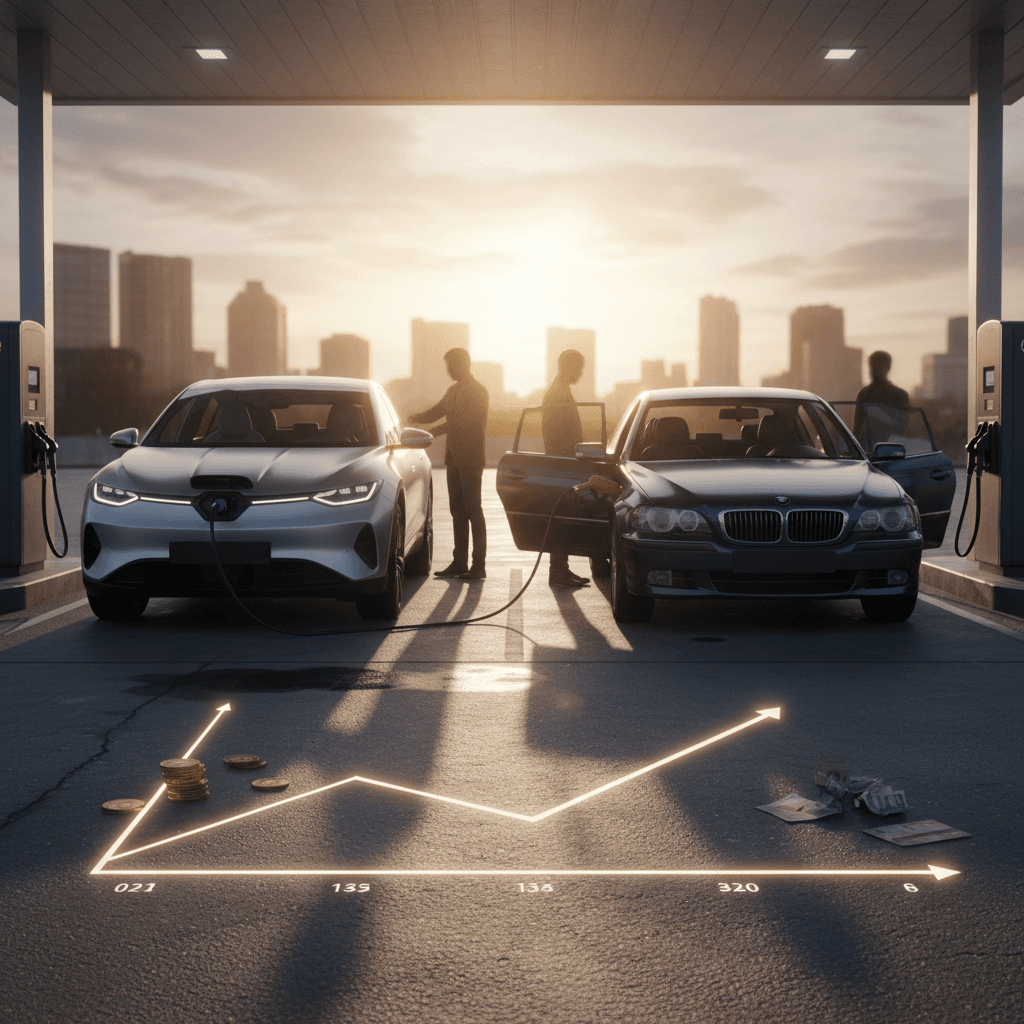
AAA’s latest Your Driving Costs numbers boil it down: the average gas‑powered vehicle owner spends roughly 13¢ per mile on fuel, while the average EV owner charging at home spends about 4¢ per mile. That’s a huge gap in day‑to‑day running costs, even though new EVs can be more expensive overall once you factor in higher purchase price and depreciation.
Public fast charging is a different story
How to calculate your own cost per mile
The national averages are helpful, but energy prices in Phoenix are not Portland, and your 15‑year‑old crossover doesn’t drink like a new compact hybrid. You’ll get a far more honest picture if you run the math for your actual car, in your actual life.
The two formulas you actually need
One for gas, one for electric. That’s it.
Gas vehicle cost per mile
Formula:
Cost per mile = Gas price per gallon ÷ MPG
Example: $3.15/gal ÷ 26 mpg ≈ 12¢ per mile.
EV cost per mile
Formula (using kWh/100 mi):
Cost per mile = (Electricity price × kWh/100 mi) ÷ 100
Example: $0.167/kWh × 30 kWh/100 mi ÷ 100 ≈ 5¢ per mile.
You’ll find your MPG or kWh/100 mi on the window sticker (Monroney label) or on the EPA’s fuel‑economy site. In the real world, drive style, weather, and payload bend those figures, so it’s worth validating against what your car’s trip computer says over a few tanks or charging cycles.
Step‑by‑step: dial in your true cost per mile
1. Grab your local energy prices
Take the regular‑grade price on the gas station sign you actually use, and your actual $/kWh from your utility bill, not a national average.
2. Use your real‑world efficiency
Reset your car’s trip computer and track MPG or kWh/100 miles for at least a week of normal driving. The EPA sticker is a starting point, not gospel.
3. Run the formulas
For gas, divide price per gallon by MPG. For electric, multiply your power rate by kWh/100 mi, then divide by 100. That’s your fuel cost per mile.
4. Annualize it
Multiply cost per mile by your yearly mileage. If you drive 12,000–15,000 miles a year, the number gets very real very quickly.
5. Stress‑test for spikes
Ask what happens if gas hits $4 again or your utility offers an off‑peak EV rate. The gap between electric and gas can swing dramatically.
Don’t forget taxes and fees
Real-world examples: commuter, road-tripper, city driver
Let’s stop hand‑waving and run three simple, realistic scenarios. We’ll use ballpark 2025 U.S. numbers: gasoline around $3.15 per gallon, home electricity around 17¢ per kWh, an average gas car at 26 mpg, and a typical EV using about 30 kWh/100 mi in mixed driving.
Cost per mile electric vs gas: three typical drivers
Approximate 2025 U.S. fuel costs using mainstream vehicles and average prices.
| Scenario | Vehicle type & efficiency | Energy price | Fuel cost per mile | Annual fuel cost (12k mi) |
|---|---|---|---|---|
| Suburban commuter | Gas crossover – 26 mpg | $3.15/gal | ≈12¢/mi | ≈$1,440 |
| Suburban commuter | EV crossover – 30 kWh/100 mi | $0.17/kWh | ≈5¢/mi | ≈$600 |
| Frequent road‑tripper | Gas SUV – 22 mpg | $3.15/gal | ≈14¢/mi | ≈$1,680 |
| Frequent road‑tripper | EV using 60% DC fast charge | Blended ≈$0.28/kWh | ≈8–9¢/mi | ≈$960–$1,080 |
| City driver | Older compact – 24 mpg | $3.15/gal | ≈13¢/mi | ≈$1,560 |
| City driver | Small EV – 25 kWh/100 mi | $0.17/kWh | ≈4¢/mi | ≈$480 |
Fuel only; does not include insurance, maintenance, or depreciation.
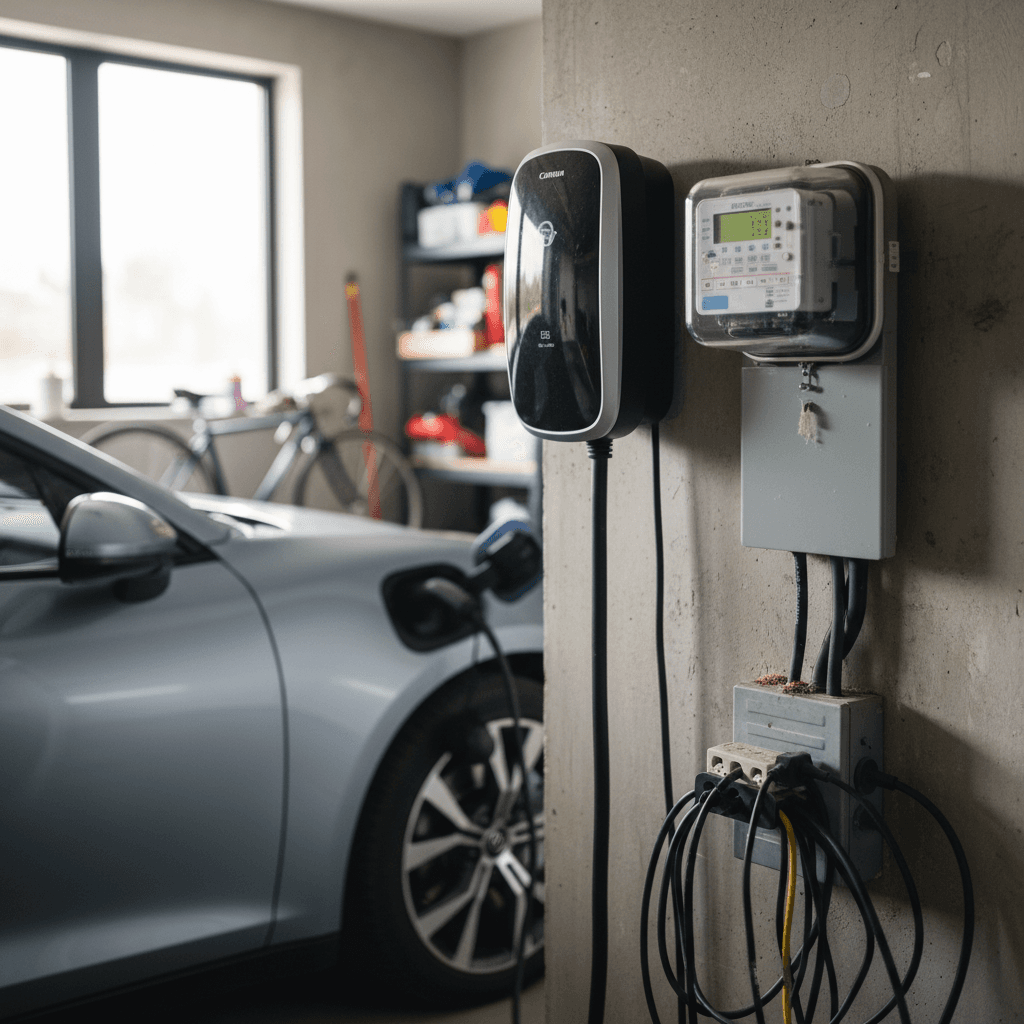
Even when you lean heavily on DC fast charging, the electron still undercuts the gallon. But the margin narrows. The no‑brainer savings live with home charging, ideally on a Level 2 charger, sipping overnight on off‑peak rates.
Beyond fuel: maintenance, depreciation, and time
Here’s where the electric‑vs‑gas debate gets more nuanced. On a pure fuel basis, EVs usually win by a wide margin. But AAA’s 2025 Your Driving Costs report points out that many new EVs are still more expensive to own overall than similar gas or hybrid cars, mainly because they’re pricier to buy and depreciate faster in the first few years.
What happens when you zoom out from fuel
Three more levers that quietly move your true cost per mile.
Maintenance & repairs
EVs don’t need oil changes, timing belts, or exhaust systems. Brake wear is often lower thanks to regen. Over time, maintenance and repair costs per mile are usually lower for EVs than for gas cars.
Depreciation
New EVs can lose value quickly as tech advances and incentives shift. If you buy new and sell in 3–5 years, depreciation can swamp your fuel savings.
Your time
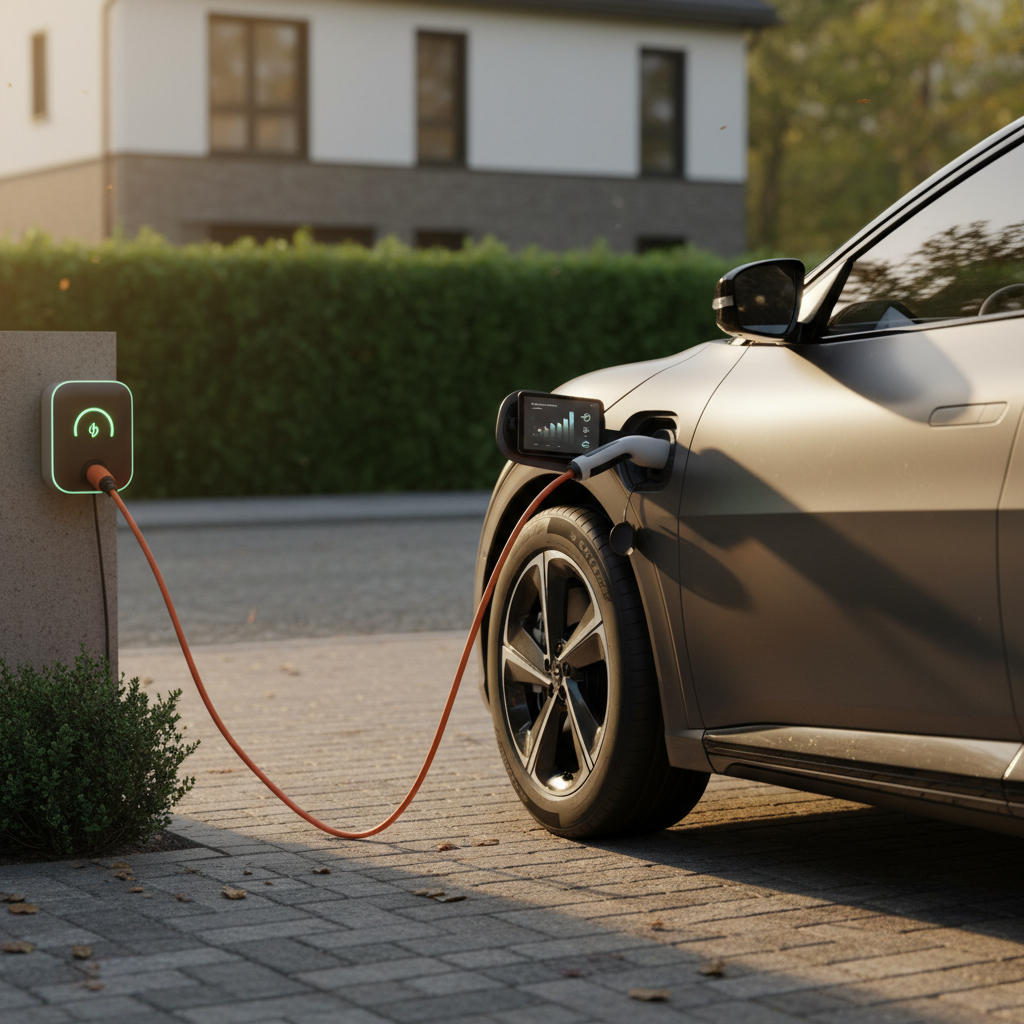
Charging at home replaces weekly gas station trips with a nightly plug‑in that takes 10 seconds of your life. Fast‑charging on road trips, however, adds time versus a five‑minute gas stop.
Where EVs clearly win
Used EVs: where the math really gets good
Now we’re in Recharged territory. New EVs wear the scarlet letter of early‑adopter depreciation. Used EVs, by contrast, are where the numbers start to sing. You let the first owner absorb the big drop in value, then enjoy EV‑level running costs with a much smaller loan, or none at all.
Why a used EV can beat a new gas car
- Lower purchase price means lower finance charges and insurance.
- Fuel cost per mile is still a fraction of gas, especially with home charging.
- Modern EVs have far fewer moving parts to wear out.
The catch: battery health
Battery capacity is the beating heart of a used EV deal. A car that’s lost 5–10% of its range is one thing; a pack that’s been abused by years of fast charging is another.
Every vehicle on Recharged comes with a Recharged Score and verified battery‑health report, so you can connect cost per mile to real, documented battery condition, not guesswork.
Translate battery health into cost per mile
5 ways to lower your cost per mile (electric and gas)
Practical levers you can pull this month
1. Charge (or fuel) smart
If you drive electric, shift as much charging as possible to off‑peak hours or dedicated EV rates. If you drive gas, use apps to find consistently cheaper stations along your usual routes.
2. Right‑size your vehicle
Driving a full‑size truck to do compact‑car work is financial cosplay. Smaller, more efficient vehicles almost always win on cost per mile, even before you pick gas or electric.
3. Tame your right foot
Hard launches, high cruising speeds, and stop‑and‑go dragstrip antics murder efficiency in both EVs and gas cars. Smooth driving can easily swing your cost per mile by 10–20%.
4. Keep tires and alignment in check
Under‑inflated tires or bad alignment increase rolling resistance, so you pay more energy for the same mile. This is cheap, unsexy maintenance with very real cost‑per‑mile payoff.
5. Consider a well‑vetted used EV
A used EV with a healthy battery and transparent history can deliver low fuel, low maintenance, and a manageable payment. That’s exactly the niche <strong>Recharged</strong> exists to serve, appraisal, trade‑in, financing, and nationwide delivery, fully digital.
FAQ: cost per mile electric vs gas
Frequently asked questions
Bottom line: when electric wins, when gas still makes sense
On the narrow metric of fuel cost per mile, the electric car is the easy winner in 2025, sometimes by a factor of three or four, especially if you can charge at home at reasonable rates. Where the story gets complicated is upfront price and depreciation on new EVs, which can mask those fuel and maintenance savings if you buy high and sell early.
If you’re willing to color outside the showroom lines and look at well‑vetted used EVs, the equation tilts your way. You let someone else eat the steepest depreciation, you keep the cheap electrons, and you tame your cost per mile without living at the gas pump. That’s exactly the gap Recharged is designed to fill, transparent battery‑health diagnostics, fair market pricing, financing, trade‑ins, and nationwide delivery, all wrapped in EV‑literate support.
Do the math for your actual life. If the numbers point toward an EV, especially a used one with a strong battery, you’re not just driving cleaner, you’re buying back a chunk of every mile you drive.