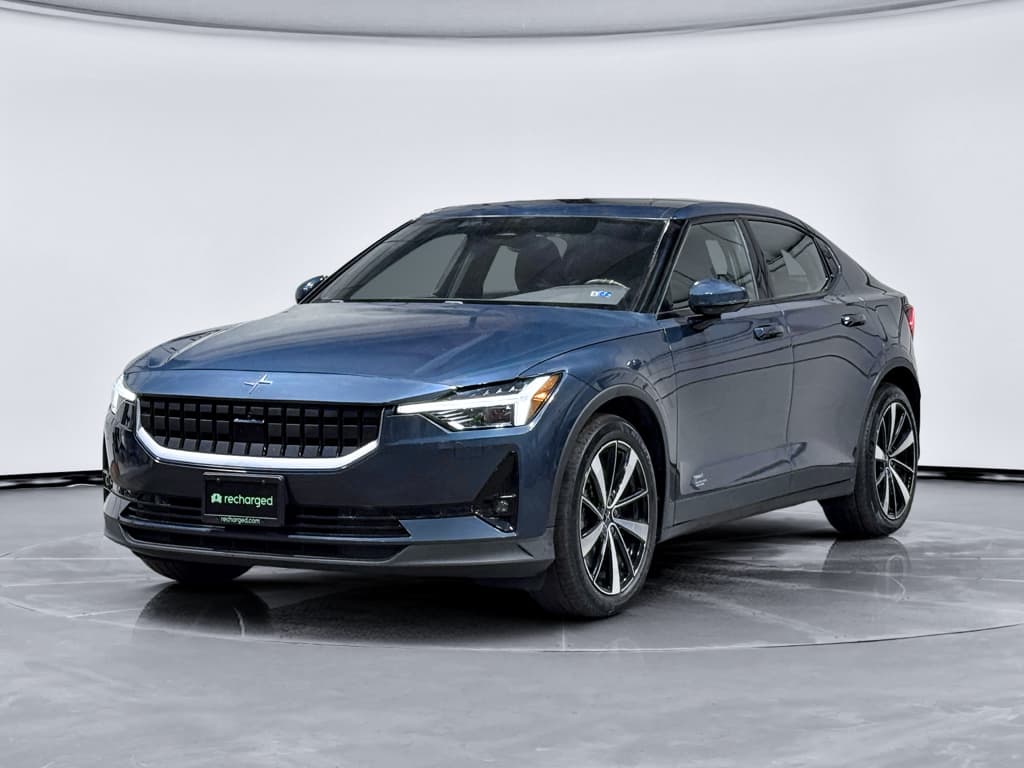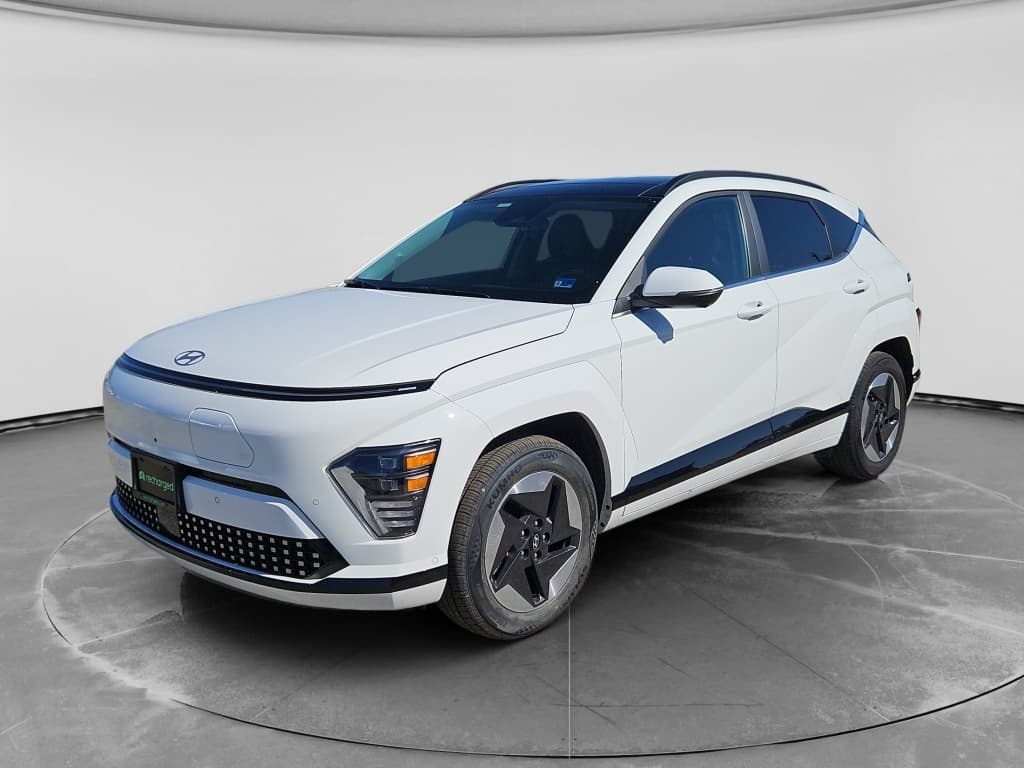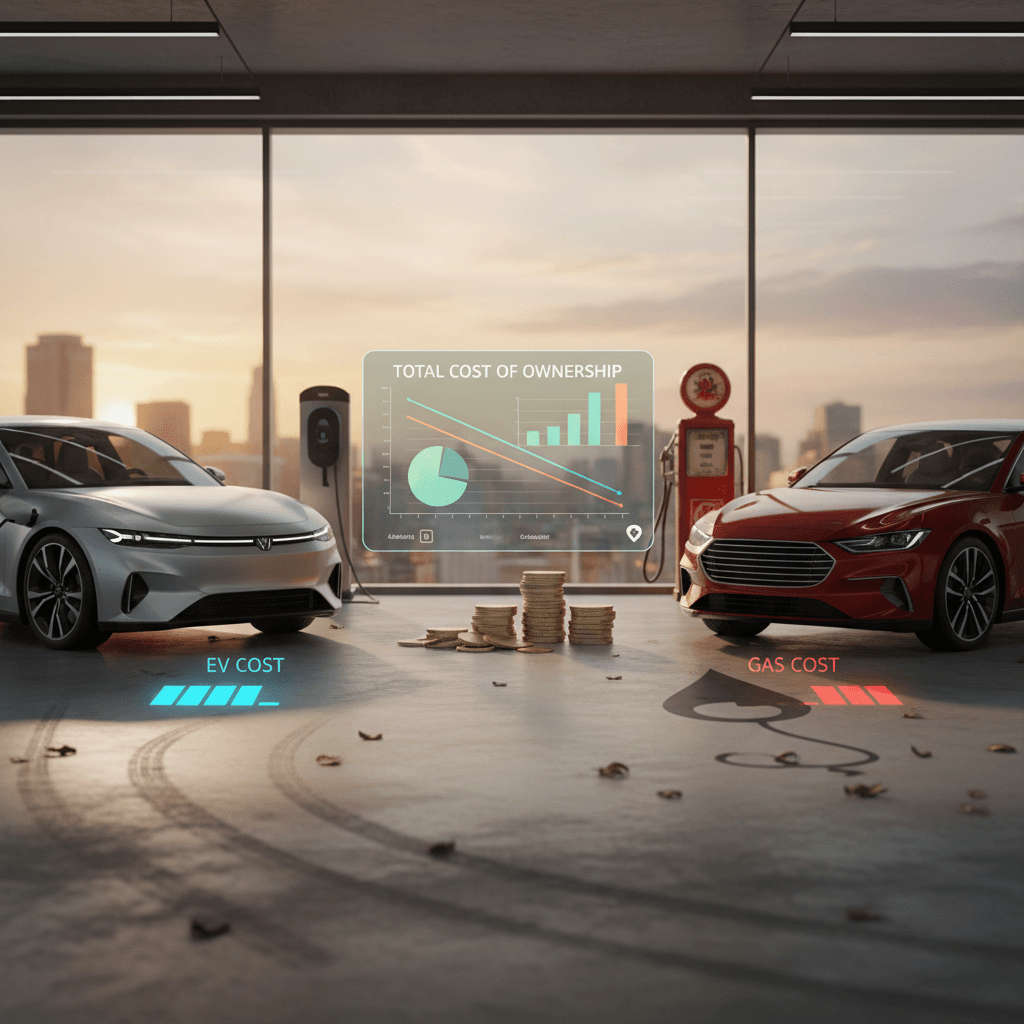
You’ll hear everything about the cost of an electric car, from “EVs are only for the rich” to “they pay for themselves in a few years.” The truth, as usual, sits between those bumper‑sticker takes. In 2025, electric cars still tend to cost more to buy than gas cars, but they’re cheaper to run, and the gap is changing fast, especially if you’re willing to buy used.
What this guide will do for you
How much do electric cars cost today?
Let’s start with sticker prices. New EVs have come down from their eye‑watering peaks, but they’re still generally pricier than comparable gas cars.
Electric car price snapshot for 2025 (U.S.)
That purchase‑price premium is the first thing you feel when you shop electric. But it’s not the whole story. Incentives, fuel savings, and maintenance can claw back a big portion of that difference over time, especially if you don’t insist on buying brand‑new.
Think in terms of "all‑in" monthly cost
Upfront costs: new vs. used electric cars
Here’s where the rubber meets the road, or where the spreadsheet meets your stomach. The upfront cost of an electric car depends on whether you buy new, used, or certified pre‑owned, and how you choose to finance it.
New vs. used electric car costs (typical ranges, 2025)
Approximate price ranges for mainstream models in the U.S. The exact numbers depend on brand, trim, and options, but this gives you a ballpark.
| Type of vehicle | Typical price range | What you get | Pros | Cons |
|---|---|---|---|---|
| New mainstream EV | $35,000–$55,000 | Compact or midsize EV (e.g., Kona Electric, Model 3, ID.4) with 230–320 miles of range. | Latest tech, full warranty, strongest fast‑charging performance. | Highest depreciation hit, higher insurance, tax credit timing is tricky. |
| Entry‑level new EV | $30,000–$35,000 | Smaller or efficiency‑focused EVs (like the latest LEAF) with 200–300+ miles of range. | Lower entry price, modern safety tech, great for commuters. | Less power and space than pricier models; not all qualify for incentives. |
| 3–5‑year‑old used EV | $18,000–$32,000 | Popular models like Tesla Model 3, Chevy Bolt EUV, Kia Niro EV with 200–300 miles range when new. | Big savings vs. new, much of initial depreciation already paid by first owner. | Battery health varies widely; you need data, not guesses. |
| 6–8‑year‑old used EV | $10,000–$20,000 | Earlier‑generation EVs with smaller packs or some degradation. | Cheapest way into an EV; ideal second car or city car. | Shorter range, possible battery warranty expiration, may need more charging planning. |
Remember: destination charges, taxes, and dealer fees are extra.
Where Recharged fits in
When a new EV makes sense
- You drive long distances and need fast‑charging speed and the latest networks.
- You plan to keep the car 7–10 years and value a full factory battery warranty.
- Your budget can comfortably handle a higher payment, especially if financed at a good rate.
When a used EV is the smart move
- You want EV savings without a $50K price tag.
- You mostly commute or run errands and don’t need 300+ miles of range.
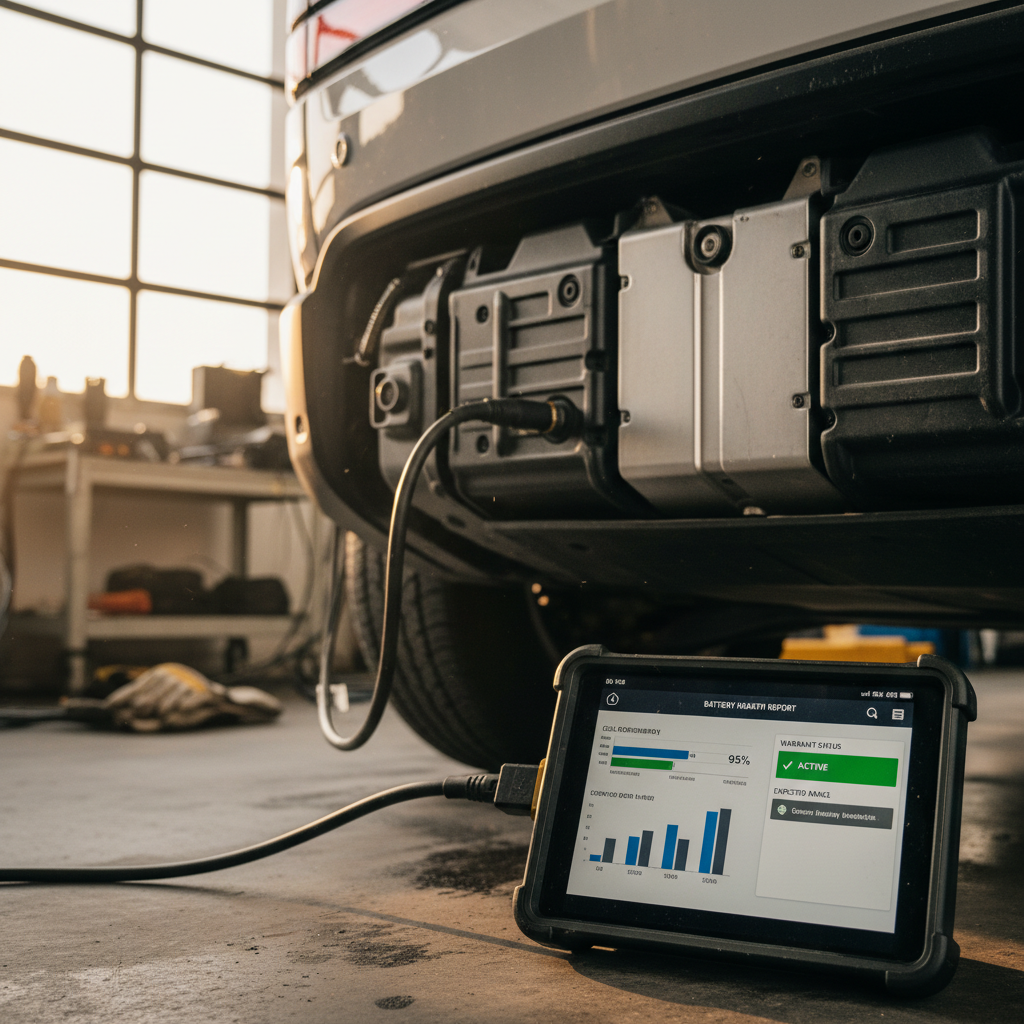
- You can get a verified battery‑health report (like the Recharged Score) to avoid range surprises.
Tax credits, incentives, and why 2025 deadlines matter
For years, federal incentives helped close the gap between electric and gas cars. In 2025, the rules have shifted, and the calendar matters.
Federal EV tax credit is ending
- New EV credit (through Sept. 30, 2025): Up to $7,500 at the point of sale if the vehicle, buyer income, and price cap all qualify.
- Used EV credit (through Sept. 30, 2025): Up to $4,000 or 30% of the sale price (whichever is smaller), with stricter income and price caps.
- State & utility incentives: Many states, cities, and electric utilities offer rebates for EV purchases and home chargers, sometimes worth $500–$2,500 on their own.
- Leasing: In some cases, leasing has allowed buyers to indirectly benefit from incentives even when specific models didn’t qualify for the credit outright. Ask the lender or dealer how the credit is being applied.
How to check your incentives
How much does it cost to charge an electric car?
Charging is where an electric car quietly earns back money one commute at a time. Fuel savings don’t make the higher purchase price disappear overnight, but they do add up.
Charging cost breakdown: home vs. public vs. fast charging
Assuming about 15,000 miles per year in a reasonably efficient EV
Home charging
With average residential electricity around $0.15–$0.17 per kWh, and a typical EV using about 30 kWh per 100 miles, you’re looking at roughly:
- ≈$4.50–$5.00 per 100 miles
- ≈$675–$750 per year at 15,000 miles
That’s often less than one‑third of what many drivers spend on gasoline.
Public Level 2
Public Level 2 stations at workplaces, apartments, and parking garages vary widely:
- Many are free or low‑cost for employees or residents.
- Pay‑per‑kWh sites sometimes cost a bit more than home rates.
For many drivers, occasional paid Level 2 charging barely moves the annual cost needle.
DC fast charging
Fast charging is your road‑trip option, not your daily driver:
- Pricing often lands between gas and home charging on a per‑mile basis.
- Think of it as paying a premium for speed and convenience.
If you fast‑charge every day, your fuel savings shrink, but most owners do the bulk of charging at home or work.
EV vs. gas: fuel alone
You’ll also want to think about charging equipment. A portable Level 1 charger is usually included with the car, but many households install a 240‑volt Level 2 setup for faster overnight charging.
Home charging setup: typical cost range
These are broad estimates; your actual cost depends on your home’s electrical panel and local electrician rates.
| Item | Typical cost | Notes |
|---|---|---|
| Portable Level 1 charger | Included with car | Slow, but fine for low‑mileage drivers with overnight parking. |
| Wall‑mounted Level 2 charger | $400–$900 | Hardware only; smart features and higher power add cost. |
| Electrical work for Level 2 | $400–$2,000+ | From simple outlet installs to panel upgrades, get quotes. |
| Utility or state rebate | -$200–$1,000 | Many programs help offset charger hardware or install costs. |
Whenever you’re adding a 240‑volt circuit, use a licensed electrician and follow local code.
Maintenance, repairs, and battery health costs
Electric cars don’t need oil changes, transmission service, or new spark plugs. That’s a big reason they’re cheaper to keep on the road, even as parts of ownership (like insurance) run higher.
Where EVs save you money on upkeep
Fewer wear items
No engine oil, timing belts, or exhaust systems. Many EVs use regenerative braking to reduce brake wear, so rotors and pads last longer.
Lower routine service
Studies routinely find 30–50% lower maintenance and repair costs for EVs compared with gas cars over several years of ownership.
Still needs care
You’ll still pay for tires, cabin filters, coolant for battery thermal systems, and the odd suspension or steering repair, especially on heavier EVs with big batteries.
The big question: battery replacement cost
How Recharged de‑risks used EV batteries
Ready to find your next EV?
Browse VehiclesInsurance, registration, and other hidden costs
Owning any car means more than just the payment and fuel. This is where some shoppers are surprised by EVs, especially when that first insurance quote hits their inbox.
- Insurance: EV insurance is often 10–25% higher than for a similar gas car, mostly because of higher repair costs and specialized parts. If your gas compact SUV would run $150 a month to insure, don’t be shocked to see an EV quote closer to $180–$200.
- Registration & fees: A growing number of states charge extra annual EV fees, often $100–$250, to make up for lost gas‑tax revenue. It’s annoying, but still small compared with what you save on fuel.
- Financing costs: Higher prices and higher interest rates can make the monthly payment on an EV sting more than the numbers on paper suggested. Shopping rates and considering a slightly older used EV can soften the blow.
- Depreciation: New EVs have been dropping in value faster than gas cars, as prices fall and technology improves. On a $55,000 EV, that can translate into tens of thousands of dollars in lost value over five years. Buying used means someone else already paid that steep first‑owner depreciation curve.
Don’t ignore depreciation in your math
EV vs. gas: total cost of ownership
So does an electric car really save you money, or is that just wishful thinking from people who love instant torque? The honest answer: it depends how much you drive, what you buy, and how long you keep it. But for a typical driver who keeps a car at least five years, an EV often comes out ahead on total cost, especially if you avoid the steepest sticker prices.
Sample 5‑year cost comparison
Imagine two similarly sized crossovers:
- Gas SUV purchase price: $25,000
- Electric SUV effective price after incentives: $29,000
Over five years and 75,000 miles, a number of independent analyses suggest the EV can save roughly $4,000–$7,000 compared with the gas car once you add up fuel, maintenance, and resale value.
Why EVs can win long‑term
- Fuel savings pile up, often $1,300+ per year vs. gasoline.
- Maintenance is lower thanks to simpler drivetrains.
- Resale can be surprisingly strong for in‑demand models with good range.
- Used EVs let you capture these savings without paying a new‑car premium.
The AAA perspective
How to lower the cost of owning an electric car
You can’t control everything, Congress and interest rates don’t take requests, but you have more levers than you might think. Here are practical ways to drive an EV for less.
Five high‑impact ways to reduce your EV costs
1. Buy used, not new
A 3–5‑year‑old EV can cost $10,000–$20,000 less than a similar new model. Look for one with a strong battery‑health report so you’re not guessing about range.
2. Maximize home charging
The more you charge at home or work, the more you save. Set your EV to charge on off‑peak rates when possible, and treat fast charging like occasional convenience, not a habit.
3. Stack incentives and rebates
Combine state rebates, utility programs, and any remaining federal credits with dealer offers. The stack can be worth several thousand dollars if you plan ahead.
4. Shop insurance aggressively
Rates vary wildly between insurers for EVs. Get multiple quotes, ask about EV‑specific discounts, and consider higher deductibles if they fit your risk tolerance.
5. Right‑size your range
Don’t overpay for 350 miles of range if your daily reality is 40 miles and a driveway. A more modest pack costs less up front and can still serve you for years.
6. Lean on EV specialists
Buying from an EV‑focused marketplace like Recharged means you get people who live and breathe this stuff, battery diagnostics, charging setup, and financing options tuned for EVs.
Cost checklist before you buy
Your pre‑purchase cost checklist
1. Clarify your monthly budget
Decide what you’re comfortable spending each month including payment, insurance, charging, and a cushion for maintenance. Work backwards from that number rather than shopping by MSRP alone.
2. Price both new and used options
Look at at least one new and two used EVs that could work for you. Compare not just price but <strong>battery health</strong>, range, and included features.
3. Map your charging reality
Be honest about where you’ll charge 90% of the time. If home charging isn’t realistic yet, focus on models and locations that fit your public‑charging options.
4. Get insurance quotes before committing
Ask for VIN‑specific insurance quotes on your short list of cars. A surprise $70/month difference can kill an otherwise great deal.
5. Run a 5‑year cost estimate
Use an online calculator or a simple spreadsheet to estimate 5‑year costs for gas vs. electric, purchase, fuel, maintenance, insurance, and expected resale. That’s where EVs often shine.
6. For used EVs, demand battery data
Never buy a used electric car on range estimates alone. Ask for a recent battery‑health report. On Recharged, this comes built into every Recharged Score, so you’re not flying blind.
Cost of an electric car: FAQ
Frequently asked questions about EV costs
Bottom line: is an electric car worth the cost?
If you only glance at sticker prices, the cost of an electric car in 2025 can look intimidating. But once you step back and look at the full picture, fuel, maintenance, incentives, depreciation, and how long you plan to keep the car, the story changes. For many drivers, especially those who can charge at home and log a healthy number of miles each year, an EV can be the cheaper way to drive over the life of the vehicle.
Where EVs really start to shine is in the used market. A solid, gently used electric car with verified battery health lets you skip the steepest depreciation, enjoy low running costs, and still get modern tech and range. That’s the sweet spot Recharged was built for: pairing you with the right used EV, backing it with a transparent Recharged Score Report, and guiding you through financing, trade‑in, and delivery so the numbers make sense, not just on day one, but for years to come.