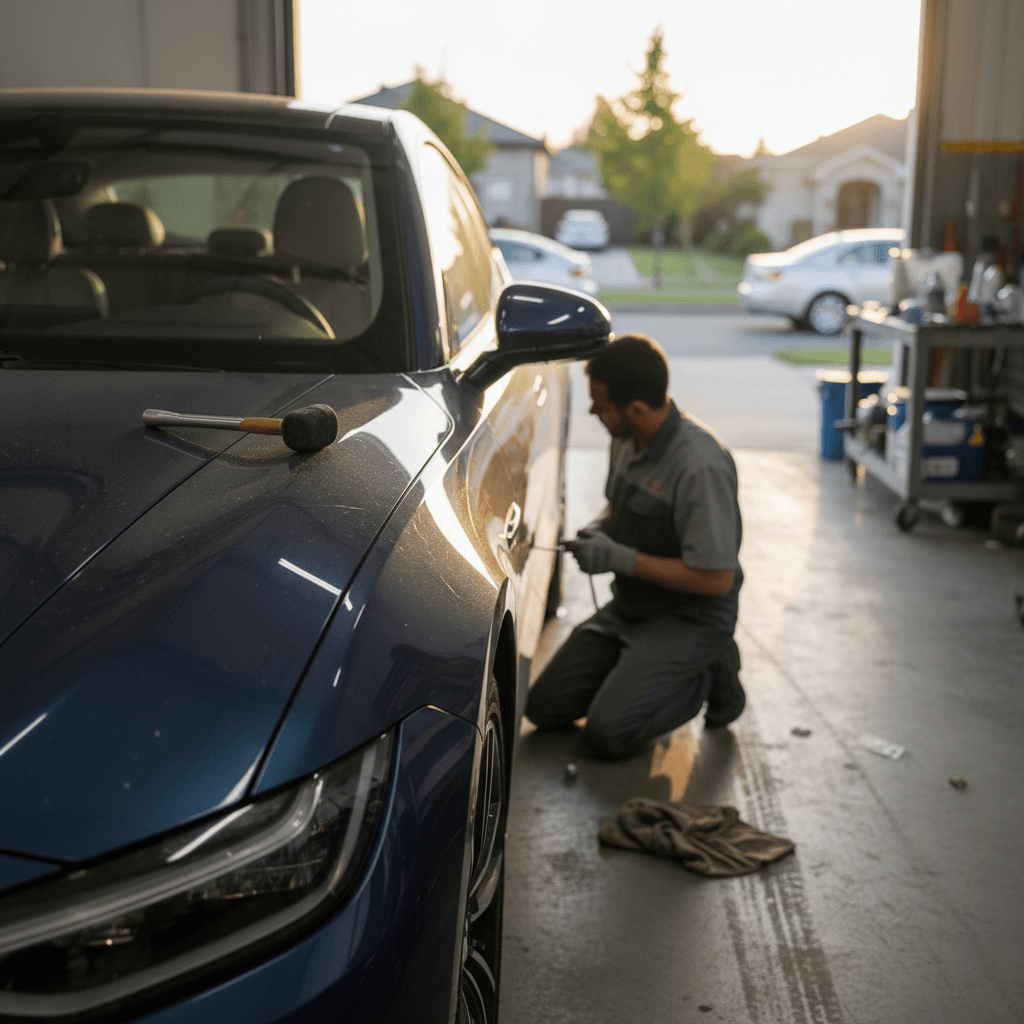
Searches for “cosmetic car repair near me” usually start the same way: you spot a fresh door ding, bumper scrape, or curbed wheel and feel that mix of annoyance and “what is this going to cost me?” This guide breaks down what actually counts as cosmetic damage, typical 2025 prices, how to choose a nearby shop you can trust, and what’s different if you drive an EV or used electric vehicle.
Cosmetic vs. structural damage
What Counts as Cosmetic Car Repair?
Cosmetic car repair is any work that restores your vehicle’s appearance without changing how it drives or protects you in a crash. Think of it as fixing what you can see: paint, panels, plastic bumpers, trim and wheels. If the damage involves airbags, frame, suspension, or high‑voltage battery structure on an EV, you’re in collision-repair territory, not just cosmetic.
- Small dents and dings that haven’t creased the metal badly
- Scratches in the clear coat or color coat
- Scuffed, cracked, or gouged plastic bumpers
- Curb rash or chips on alloy wheels
- Faded, peeling, or oxidized paint
- Minor interior scuffs, trim or mirror caps
Think like a buyer
Common Types of Cosmetic Damage (and Quick Fixes)
Most common cosmetic repairs you’ll see near you
What shops actually do for everyday dents, scratches and scrapes
Door dings & small dents
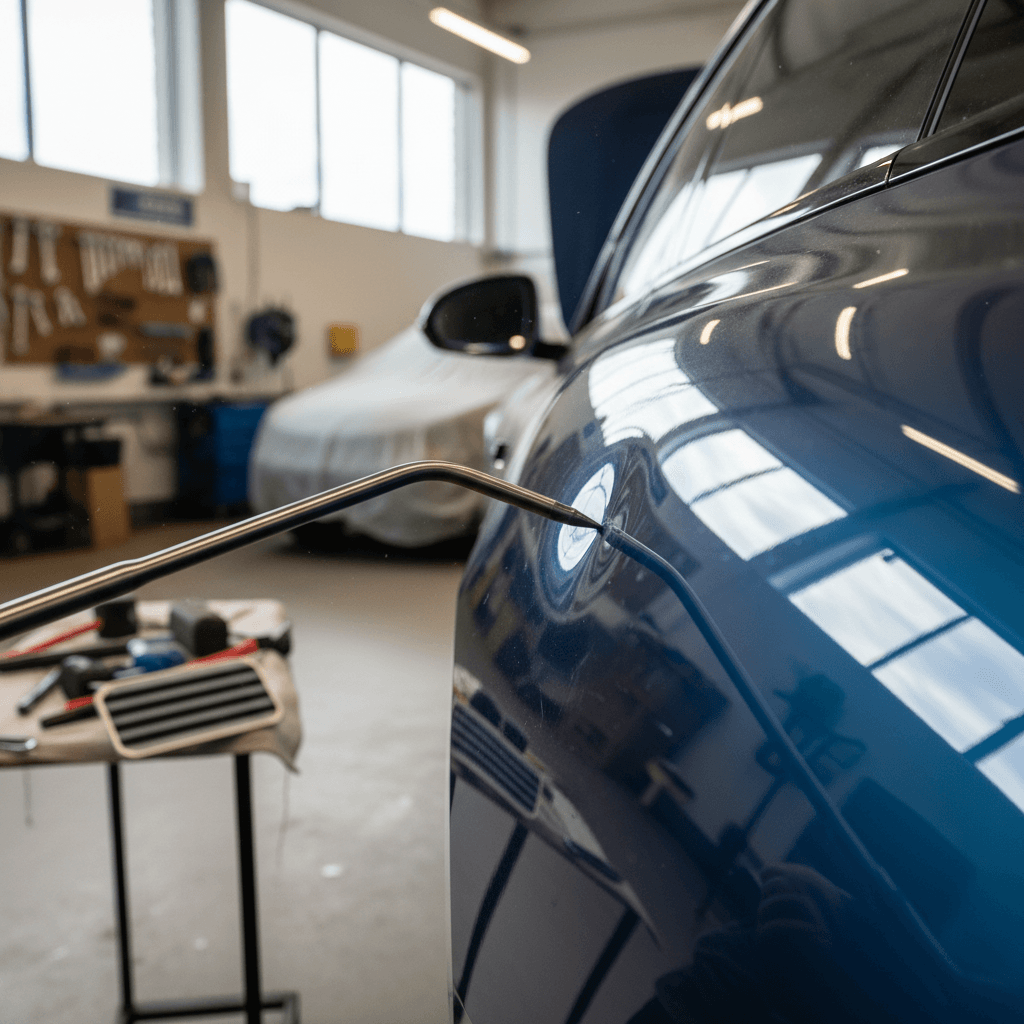
Often repaired with Paintless Dent Repair (PDR), where a tech massages the metal back into place from behind the panel. No filler, no repainting if the paint is intact.
Best for: hail damage, parking lot dings, light creases with intact paint.
Scratches & paint scuffs
Light scratches in the clear coat can be buffed and polished out. Deeper scratches that cut into the color or primer typically require sanding, spot repair, and repainting a section or full panel.
Bumper scrapes & cracks
Plastic bumpers can often be filled, sanded and repainted. More severe damage or broken mounting points may require a replacement bumper cover, especially when sensors are involved.
Alloy wheel curb rash
Specialized wheel shops grind or fill the damaged area, then refinish or repaint the rim to match the original color and clear coat.
Faded or peeling paint
Local shops may respray one or more panels. For older cars, a budget‑oriented partial respray can dramatically improve appearance without the cost of a full paint job.
Headlight haze & trim
Headlight restoration, black‑plastic trim dye, and minor interior repairs fall under cosmetic work and are often done same‑day.
How Much Does Cosmetic Car Repair Cost in 2025?
Pricing for cosmetic car repair is all over the map because it depends on labor rates, paint system, your vehicle type, and whether there’s sensor or ADAS calibration involved. Still, there are reliable national ballparks for minor damage in 2025 that can help you sanity‑check quotes.
Typical 2025 cosmetic repair price ranges (US)
Cosmetic repair cost guide for common jobs (2025)
Use this as a reality check when you get quotes for cosmetic car repair near you. Actual prices vary by region and vehicle type.
| Repair type | Typical range (USD) | Notes |
|---|---|---|
| Paintless dent repair (small dent) | $75 – $200 | Door dings or small dents where paint isn’t damaged. |
| Dent repair with paint | $200 – $600 | Involves filler, sanding, primer and repainting one panel. |
| Light scratch buffing | $50 – $150 | Only in clear coat; usually a quick same‑day service. |
| Deep scratch / key mark | $200 – $500 | Often requires spot repair or repainting part or all of the panel. |
| Minor bumper scrape | $300 – $800 | Fill, sand and paint existing bumper; cost rises with color‑match complexity. |
| Bumper replacement | $600 – $1,600+ | New bumper cover, paint, and potential sensor calibration. |
| Alloy wheel curb rash | $100 – $250 | Per wheel; specialty finishes or larger wheels cost more. |
| Headlight restoration | $80 – $200 | Per pair; sanding, polishing and resealing cloudy lenses. |
These are typical consumer ranges, not guaranteed prices.
Watch the add‑ons
Should You Use Insurance or Pay Out of Pocket?
For most cosmetic car repairs near you, the big financial question isn’t “Can a shop fix this?”, it’s “Should I file a claim or just pay cash?” With higher deductibles and telematics‑based pricing, using insurance for minor work can end up costing more over time.
When paying cash makes sense
- Estimated repair cost is close to or below your deductible (for many drivers that’s $500–$1,000).
- You have multiple small dings and scratches that don’t affect safety.
- You plan to sell soon and simply want the car to present well.
- You’re concerned about potential premium increases after a claim.
When insurance might be smart
- Damage touches airbags, sensors, or structural parts, this is beyond basic cosmetic work.
- The estimate is clearly into the thousands of dollars.
- The car is leased and you must meet strict return standards.
- You were clearly not at fault and the other driver’s insurer is paying.
Get two numbers from the shop
How to Find Quality Cosmetic Car Repair Near You
Typing “cosmetic car repair near me” into a search box will surface dozens of body shops, mobile dent techs, wheel refinishers, and detailing studios. The trick is separating the quick‑and‑cheap operators from shops that will actually improve your car’s value and not create headaches later.
Steps to find a trustworthy cosmetic repair shop
1. Decide what you’re fixing (and what you’re not)
Walk around your car and make a list: dents, scratches, bumper issues, wheels, headlights. Shops love clarity; it helps them quote accurately and you avoid surprises.
2. Filter for cosmetic or “express” services
Look for terms like <strong>paintless dent repair</strong>, <strong>express bumper repair</strong>, or <strong>wheel refinishing</strong>. Full‑frame collision shops can do cosmetic work, but may not be optimized for small jobs.
3. Check photos of finished work
Before/after photos, especially of cars similar to yours, are more telling than generic reviews. Pay attention to color match and panel gaps.
4. Ask about paint systems and warranties
Quality shops use name‑brand paints and offer at least a limited warranty on peeling or fading. If they won’t put it in writing, that’s a red flag.
5. Confirm turnaround time
Many cosmetic jobs are same‑day or one‑to‑two days. If a shop wants your car for a week for a small dent, press for a clear explanation.
6. For EVs, ask about high‑voltage training
If you drive an electric vehicle, verify the shop understands EV safety and OEM procedures, especially for repairs near battery packs or high‑voltage cables.
How Recharged fits in
Ready to find your next EV?
Browse VehiclesImportant Cosmetic Repair Tips for EV Owners
On the surface, cosmetic repair for EVs looks just like cosmetic repair for ICE vehicles: paint, panels, plastic, wheels. Underneath, though, you have a high‑voltage battery pack, orange‑cable harnesses, and more sensors than most gas cars. That makes it especially important to choose a shop that understands EV‑specific risks and OEM repair procedures.
- Work near rocker panels, floors, or battery trays shouldn’t involve heat or welding without OEM guidance, because the pack is directly underneath.
- Front and rear bumpers often hide radar units, ultrasonic sensors, and cameras used for driver‑assist systems and parking aids.
- Extra curb weight from the battery means suspension and alignment are more sensitive to poor repairs or hidden damage.
- Some OEMs require specific structural adhesives, corrosion‑protection steps, or post‑repair scans after even minor cosmetic work.
High‑voltage safety is non‑negotiable
When Recharged evaluates an EV for sale, we look at cosmetic issues and how they interact with the underlying structure and battery pack. That’s baked into the Recharged Score Report, which helps both buyers and sellers understand whether past repairs were purely cosmetic, or if deeper work may have been needed.
DIY vs Professional: When to Tackle Cosmetic Repairs Yourself
Plenty of cosmetic fixes are advertised as weekend‑DIY projects, but not all of them are wise economically, especially if you care about resale value. The right call depends on the visibility of the damage, your skill level, and the tools involved.
Reasonable DIY candidates
- Plastic trim restoration, emblem replacement, wiper arms.
- Basic touch‑up on stone chips in low‑visibility areas.
- Headlight restoration with a reputable kit, if you carefully follow instructions.
- Cleaning overspray, tar, or surface contamination with proper chemicals.
If it goes badly, a pro can still fix it without repainting an entire panel.
Jobs to leave to professionals
- Paintless dent repair, requires specialized rods, lights, and a lot of practice.
- Repainting bumpers, doors, or quarter panels where color match matters.
- Alloy wheel straightening or crack repair (safety critical).
- Any work near sensors, cameras, or EV battery structures.
Saving a few hundred dollars isn’t worth creating a repair history that scares off future buyers.
Beware of cheap “fix‑it” pop‑ups
Prepping Your Car or EV for Resale: What’s Worth Fixing?
Not every cosmetic flaw is worth fixing. The smart move is prioritizing repairs that deliver more value than they cost, either in higher sale price, faster sale, or a smoother trade‑in process.
Cosmetic repairs that usually pay off before selling
Focus on what buyers and appraisers actually notice first
Front bumper & nose
Buyers see the front of the car first. Cleaning up rock chips, scrapes, and obvious cracks can make the whole vehicle feel newer.
Visible wheel damage
Bad curb rash looks like hard use. Fixing one or two worst wheels often improves perceived care without maxing your budget.
Eye‑level dents & creases
Dents on doors and quarter panels that catch light are worth addressing, especially with affordable PDR if the paint isn’t broken.
For older daily drivers, it can be smarter to leave minor flaws, disclose them honestly, and price the vehicle accordingly. For late‑model EVs with strong demand, cleaning up a handful of high‑visibility issues can be the difference between “nice used car” and “why is this one so cheap?”
Using Recharged when you’re ready to sell
Quick Cosmetic Repair Checklist
Before you book cosmetic car repair near you
Document all visible damage
Take clear photos in daylight from multiple angles. This makes remote estimates easier and serves as a baseline if something goes wrong.
Prioritize high‑visibility areas
Front and rear bumpers, doors, and wheels are what buyers and appraisers notice first. Fix those before hunting tiny flaws.
Get at least two estimates
A mobile PDR tech, a body shop, and a wheel specialist may price the same damage very differently. Seeing a spread helps you avoid overpaying.
Confirm EV experience (if applicable)
Ask directly: “How often do you work on EVs? Do you follow OEM procedures for work near the battery and sensors?”
Ask about warranty and paint match
Good shops stand behind their color match and finish. Get that promise in writing on the estimate or work order.
Decide on insurance strategy up front
Don’t start a claim until you’ve seen a cash price. For borderline jobs, keeping insurance out of it may be the better long‑term move.
Cosmetic Car Repair Near Me: FAQ
Frequently Asked Questions
Bottom Line: Make Cosmetic Repairs Work for You
Cosmetic car repair near you doesn’t have to be a mystery or a money pit. A bit of homework, understanding realistic price ranges, choosing the right specialist, and knowing when to involve insurance, goes a long way. If you drive an EV, layer in high‑voltage awareness and pick shops that treat your battery and sensors with the respect they deserve.
Whether you’re keeping your car for the long haul or getting it ready to sell, focus on high‑visibility damage that offers a clear return. And if you’re planning your next move in the EV world, selling, trading, or buying used, Recharged is built to make that transition simple and transparent, from cosmetic condition to verified battery health.