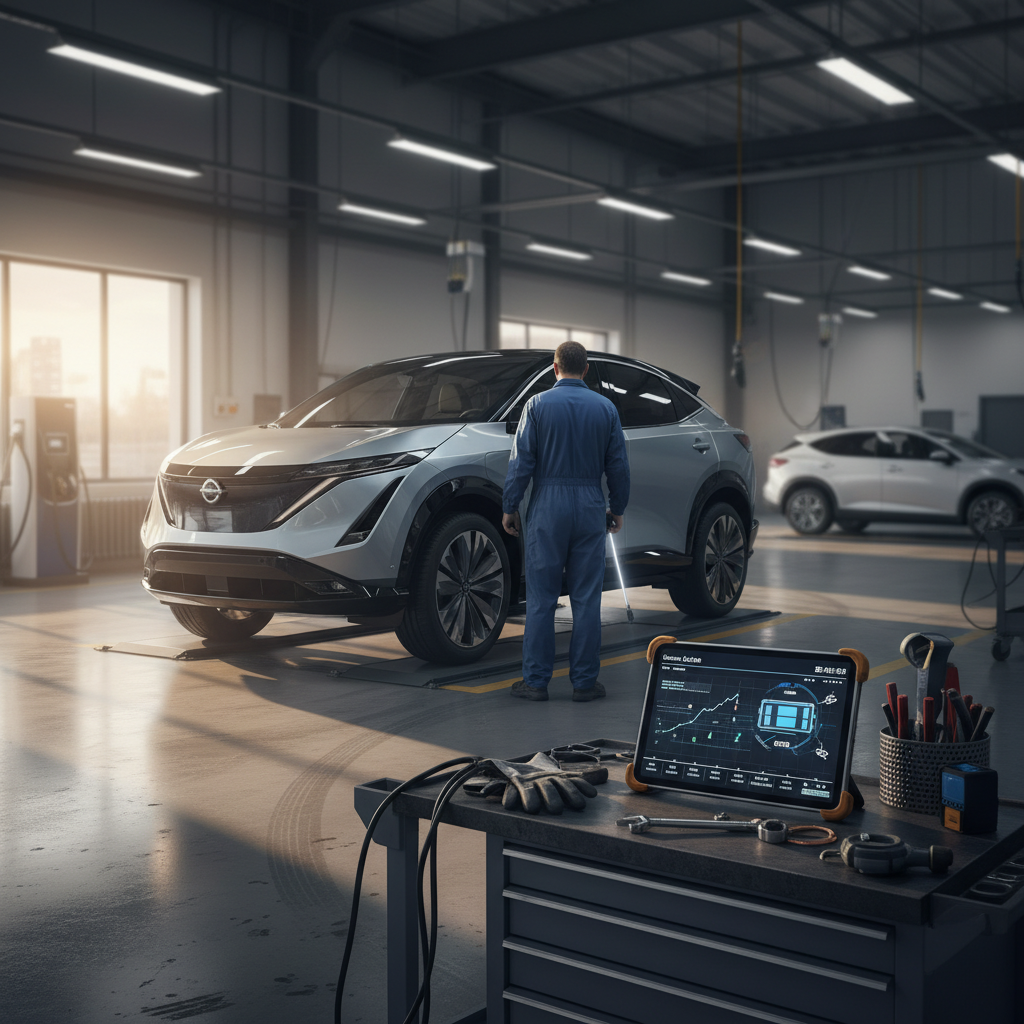
If you drive an electric car in Connecticut, or you’re thinking about buying a used EV, it’s fair to wonder how inspections work. Do battery-electric cars still need emissions tests? Are there special Connecticut electric car inspection requirements when you register, transfer a title, or bring in an out-of-state EV? This guide walks through how the rules actually work so you can avoid surprises at the DMV.
Quick takeaway for EV owners
Overview: How Connecticut treats EV inspections
Connecticut separates vehicle oversight into a few different buckets: emissions testing, safety inspections for certain vehicle types, and basic VIN verification for some out-of-state or unusual vehicles. For a typical battery-electric car used as a personal passenger vehicle, think Chevrolet Bolt, Hyundai Ioniq 5, Tesla Model 3, your main concern is usually emissions testing, because it’s tied directly to registration renewals.
Key facts about EV inspections in Connecticut
Are electric cars subject to emissions testing in Connecticut?
Connecticut law is clear on this point: vehicles powered exclusively by electricity are exempt from the state motor vehicle emissions inspection program. In practice, that means if your car is a battery-electric vehicle (BEV) with no gasoline engine at all, it does not get called in for the biennial emissions test that gasoline and most hybrid vehicles face.
- Fully electric (battery-electric) vehicles: Exempt from state emissions inspections.
- Plug-in hybrids (PHEVs): Still subject to emissions testing when they meet age and weight criteria.
- Conventional hybrids and gasoline vehicles: Must test every two years once they’re out of the new-vehicle exemption period, typically from model years 4 through 25.
- Very old vehicles: Many vehicles 25 model years and older become exempt from emissions, but that’s due to age, not fuel type.
Don’t confuse EVs with plug-in hybrids
Safety inspections vs. emissions tests for EVs in Connecticut
Connecticut does **not** require routine annual safety inspections for everyday passenger vehicles the way some neighboring states do. Instead, safety inspections are targeted at specific vehicle categories or situations. For most privately owned EVs used as regular passenger cars, you won’t see the inside of a state inspection lane unless your vehicle falls into one of those special buckets.
Two different systems: safety vs. emissions
Understanding which rules actually apply to your electric vehicle
Safety inspections
Who they target:
- Salvage and rebuilt vehicles
- Composite or heavily modified vehicles
- School buses, service buses, taxis, wreckers
- Some trailers and specialty vehicles
Most personal-use EVs never need a state safety inspection unless they’re rebuilt, salvaged, or fall into one of these categories.
Emissions testing
Who they target:
- Most gasoline and hybrid passenger vehicles
- Light- and some medium-duty vehicles under emissions rules
Battery-electric vehicles are exempt from emissions inspections, so you won’t receive the usual test notices for a BEV.
How you’ll know if a test is required
Connecticut inspection rules by vehicle type and fuel
Because Connecticut’s rules differ based on fuel type, age, and vehicle category, it helps to see how electric cars compare with gasoline and hybrid models. Keep in mind this table focuses on typical passenger vehicles under 10,000 pounds gross vehicle weight; commercial fleets and specialty vehicles can have additional requirements.
Connecticut inspection & emissions requirements by vehicle type
How common powertrains are treated under Connecticut’s inspection and emissions programs for personal-use passenger vehicles.
| Vehicle type | Example vehicles | Emissions testing? | Safety inspection? | Notes |
|---|---|---|---|---|
| Battery-electric (BEV) | Tesla Model 3, Chevy Bolt, Hyundai Ioniq 5 | No – exempt | Usually no | Standard personal EVs are exempt from emissions and don’t need periodic safety inspections. |
| Plug-in hybrid (PHEV) | Toyota Prius Prime, Ford Escape PHEV | Yes – on 2-year cycle once eligible | Usually no | Treated like gasoline vehicles; will be called for emissions once out of the new-vehicle exemption period. |
| Conventional hybrid | Toyota RAV4 Hybrid, Honda CR-V Hybrid | Yes – on 2-year cycle once eligible | Usually no | Must meet the same inspection schedule as comparable gasoline vehicles. |
| Gasoline passenger car | Honda Civic, Toyota Camry | Yes – every 2 years (ages 4–25, typical) | Usually no | Most Connecticut passenger vehicles fall into this category. |
| Antique / 25+ model years | Older collector cars | Often exempt due to age | Sometimes | Antique or special-interest registrations follow their own rules; many are emissions-exempt by age. |
| Salvage / rebuilt title (any fuel) | Repaired total-loss vehicle | May or may not need emissions | Yes – safety inspection | Must pass a state safety inspection before being titled and registered. |
This table reflects typical requirements for model years and weights most EV shoppers deal with. Edge cases, like antique plates, commercial registrations, and heavy trucks, can follow different rules.
Used EVs in Connecticut: buying, selling, and inspection rules
If you’re shopping for a used electric car in Connecticut, you’re juggling three main questions: **emissions obligations**, **safety or structural condition**, and **battery health**. With a gasoline vehicle, the emissions test often reveals a lot about the car’s underlying condition. With an EV, there’s no tailpipe to measure, so you need to lean on other signals.
When you buy from a dealer
- Franchised and independent dealers are generally expected to deliver a vehicle that’s **ready to register**, including a current emissions certificate when applicable.
- For a fully electric car, dealers aren’t providing an emissions sticker, but they should make sure the DMV records correctly show it as an EV so you don’t get unnecessary test notices.
- Reputable dealers also disclose salvage history, prior accidents, and any branded title status that might trigger a safety inspection before registration.
When you buy from a private seller
- Connecticut doesn’t require an automatic safety inspection just because a vehicle changes hands, whether it’s gas or electric.
- However, **the buyer is responsible** for making sure the vehicle is emissions-compliant (if applicable) before registration.
- For a used EV, your focus should shift from emissions to battery capacity, charging behavior, and prior damage. A clean title and good battery report matter more than an emissions sticker you’ll never need.
How Recharged simplifies used EV buying in Connecticut
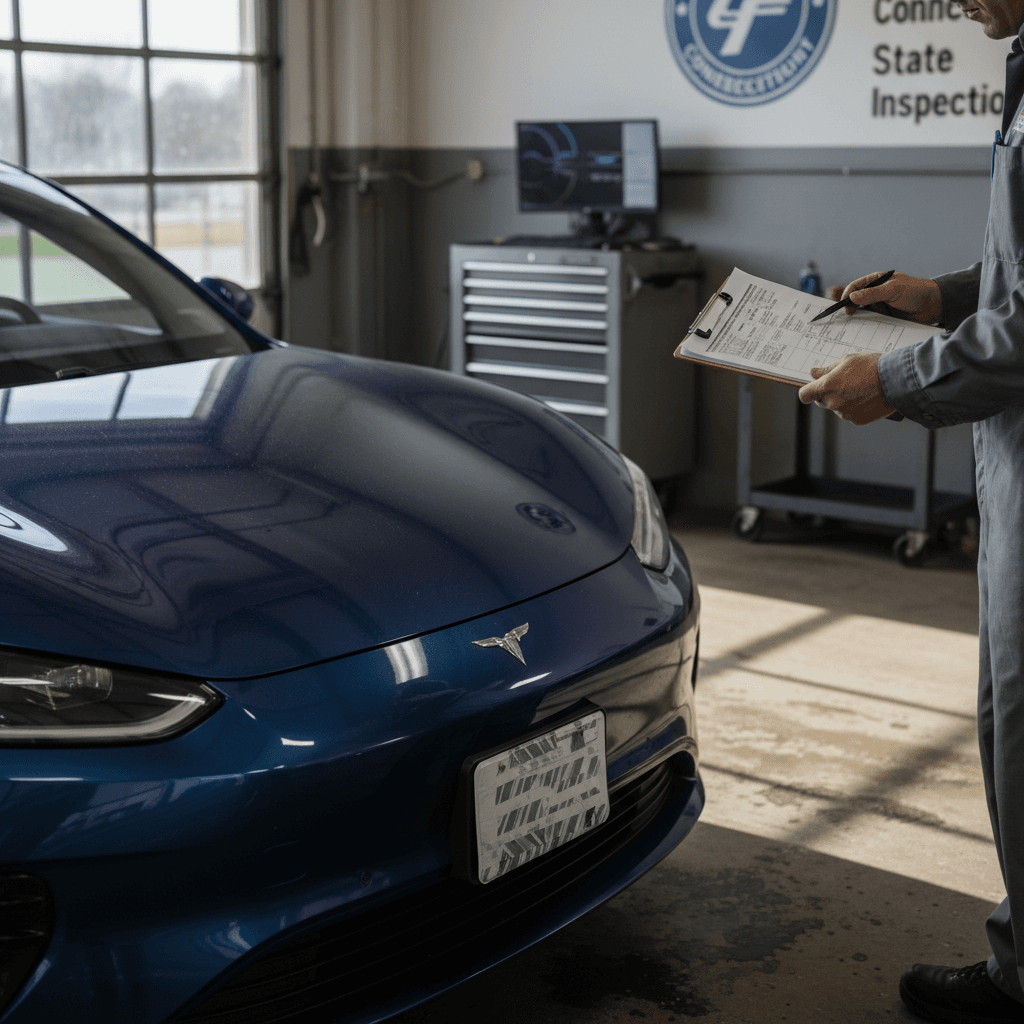
Out-of-state EVs and VIN verification
Bringing an electric car into Connecticut from another state is common, especially as used EV inventory is still catching up with demand. The state doesn’t automatically require a full safety inspection for out-of-state passenger vehicles. Instead, it focuses on confirming identity and, when applicable, scheduling emissions testing.
What happens when you register an out-of-state EV in Connecticut
Confirm whether a VIN verification is required
Most out-of-state vehicles need a basic <strong>VIN verification</strong> done at an approved station or certain DMV offices. This check confirms the car’s identity against its paperwork; it’s not a full mechanical or safety inspection.
Make sure the DMV codes it as electric
If your EV is misclassified as gasoline or hybrid in the system, you could be scheduled for emissions tests you don’t owe. Double-check that your registration clearly shows an <strong>electric fuel type</strong>.
Check for salvage or rebuilt branding
If the car has a <strong>salvage or rebuilt title</strong>, Connecticut may require a formal safety inspection before you can register it, regardless of whether it’s electric or gas.
Gather prior state documents
Bring your out-of-state title, registration, and any lien release documents. Having complete paperwork can prevent delays, especially if there’s any discrepancy between the VIN on the vehicle and what’s on record.
Confirm emissions status if the car is not fully electric
For plug-in hybrids or conventional vehicles, you may need to have a <strong>current emissions test</strong> before Connecticut will finalize registration. That does not apply to pure battery-electric cars.
Watch out for mismatched VIN or title data
What dealers vs. private sellers must do in Connecticut
From the state’s perspective, inspection obligations are tied to the **vehicle**, not who sells it. But the practical experience for a buyer is different depending on whether you’re working with a licensed dealer or an individual seller.
Dealer vs. private-party sales: who handles what?
How inspections and readiness to register typically play out in Connecticut
Licensed dealer sale
- Dealer normally ensures any needed emissions test is current before sale on gas or hybrid vehicles.
- For fully electric cars, the dealer should confirm the vehicle is properly coded as EV with clean paperwork.
- Branded titles (salvage, rebuilt) must clear state safety inspections before they can be retailed to the public.
- Dealers often assist with registration paperwork or process it on your behalf.
Private-party sale
- Seller can legally hand you a car that still needs emissions testing (if applicable); you’ll handle that before registration.
- No automatic safety inspection is triggered just by the sale, even for older cars, unless the vehicle already falls into a special category.
- It’s up to you to verify history, title status, and whether the car was ever branded as salvage.
- For EVs, ask for service records and charging history; those tell you more than an emissions-style sticker.
How Recharged fits into the picture
Ready to find your next EV?
Browse VehiclesHow battery health fits into the picture (and why it matters more than emissions)
Traditional inspections tell regulators whether a vehicle pollutes too much and whether major safety systems appear roadworthy. Electric cars flip that equation. There’s no tailpipe to test, and many EVs hold up well on basic safety items. But the **traction battery** is both your fuel tank and a huge slice of the vehicle’s value. That’s why understanding battery health matters more than an emissions slip ever did.
- Range loss over time: As an EV ages, usable battery capacity can drop, cutting real-world range even though the car sails past any visual safety check.
- Charging behavior: A car that’s been fast-charged heavily or rarely charged above very low states of charge may age differently than one treated more gently.
- Impact on resale value: Two identical EVs could have very different market values in Connecticut depending on their remaining battery health, even though neither has ever seen an emissions station.
Why a Recharged Score Report matters more than an emissions sticker
Checklist: Before you register an EV in Connecticut
You don’t have to be a regulation expert to stay out of trouble with Connecticut’s inspection rules. Use this quick checklist when you’re about to buy, register, or bring an electric car into the state.
Connecticut EV registration & inspection checklist
1. Confirm your vehicle is truly fully electric
Make sure your car is a <strong>pure battery-electric vehicle</strong> (no gasoline engine at all). If it’s a plug-in hybrid, normal emissions rules will eventually apply.
2. Verify the DMV fuel-type coding
Ask to see how the vehicle is classified in DMV records or on the registration paperwork. It should show an electric fuel type so you’re not mistakenly scheduled for emissions tests.
3. Check the title status carefully
Look for any <strong>salvage, rebuilt, or flood</strong> branding. If present, expect a safety inspection requirement before Connecticut will issue a clean registration, regardless of fuel type.
4. Gather emissions documentation if the car is not fully electric
For plug-in hybrids or conventional vehicles coming from another owner or state, ensure you have either a current emissions certificate or a plan to test soon after purchase.
5. Take care of VIN verification if required
If the car is coming from out of state, budget time for a <strong>VIN verification</strong> at an inspection station, DMV office, or authorized location before or during registration.
6. Review battery health and charging history
For an EV, ask for <strong>battery diagnostics, charging history, and service records</strong>. If you’re buying through Recharged, your Recharged Score Report will package that information for you.
FAQ: Connecticut electric car inspection requirements
Frequently asked questions about EV inspections in Connecticut
Bottom line for Connecticut EV owners and shoppers
Connecticut’s electric car inspection requirements are surprisingly straightforward once you separate emissions testing from safety inspections. If your vehicle is a **pure battery-electric car**, it’s exempt from emissions tests and rarely needs a state safety inspection unless it has a salvage or specialty status. That doesn’t mean you can skip due diligence, especially when you’re buying used, it just means the most important “inspection” now is about battery health, title history, and real-world condition, not a tailpipe reading.
If you want that peace of mind baked into the process, consider shopping for your next used EV through Recharged. Every vehicle comes with a detailed Recharged Score battery report, transparent pricing, and EV-specialist support from first click to final delivery, so you can navigate Connecticut’s rules with confidence and spend more time enjoying electric driving, not decoding regulations.