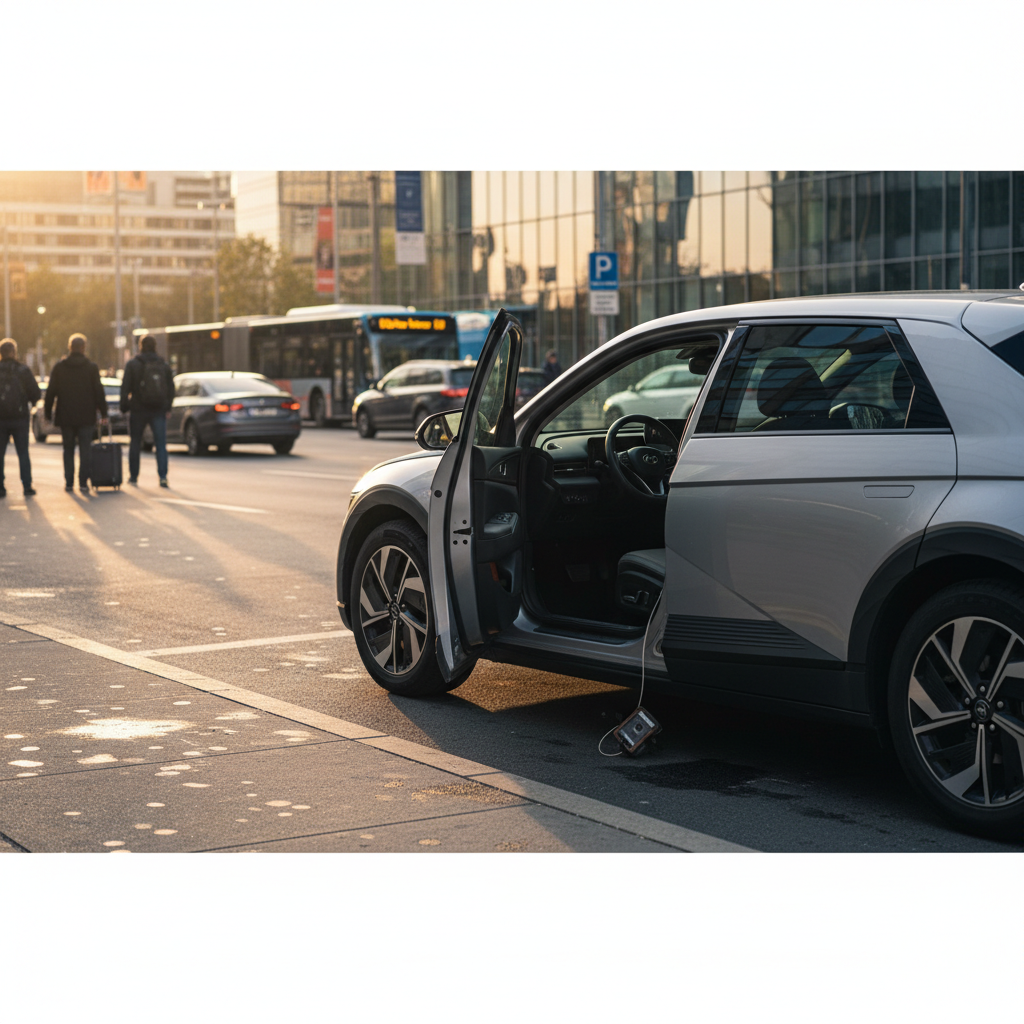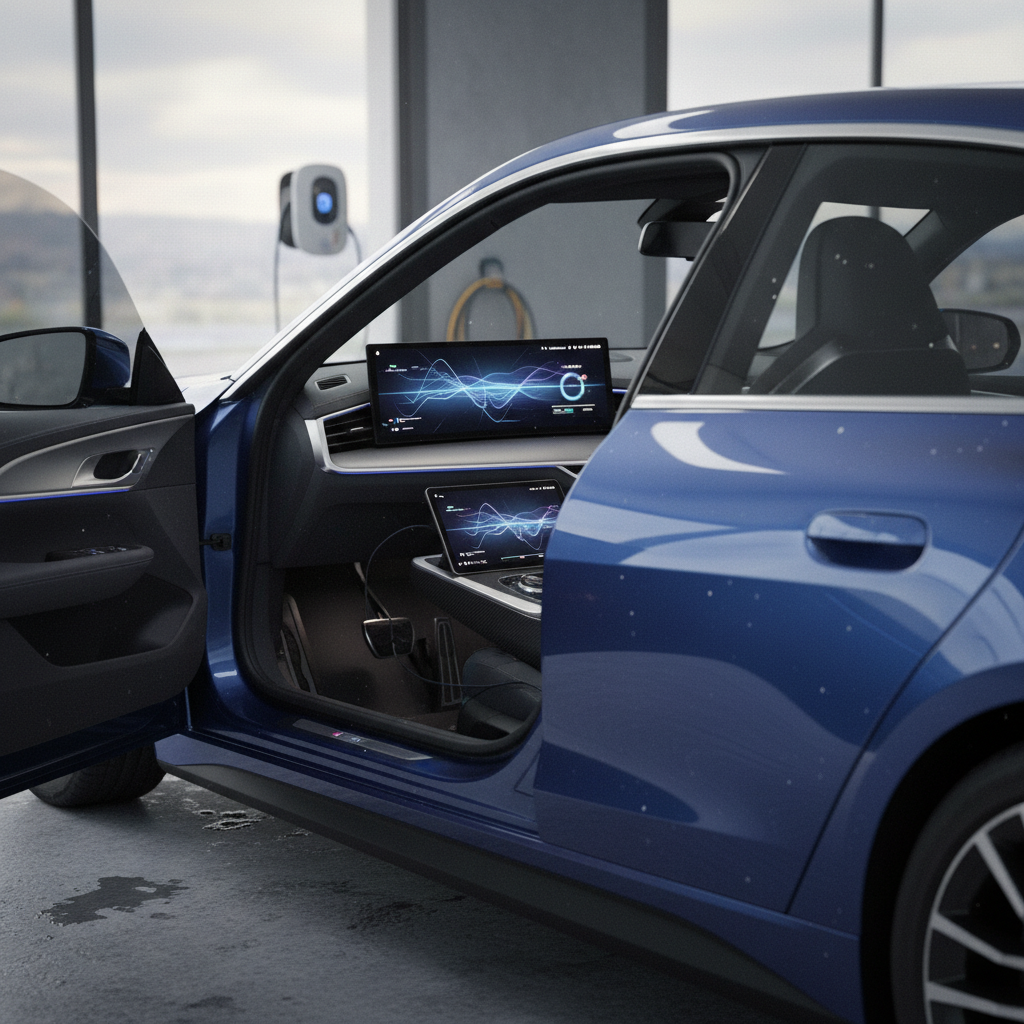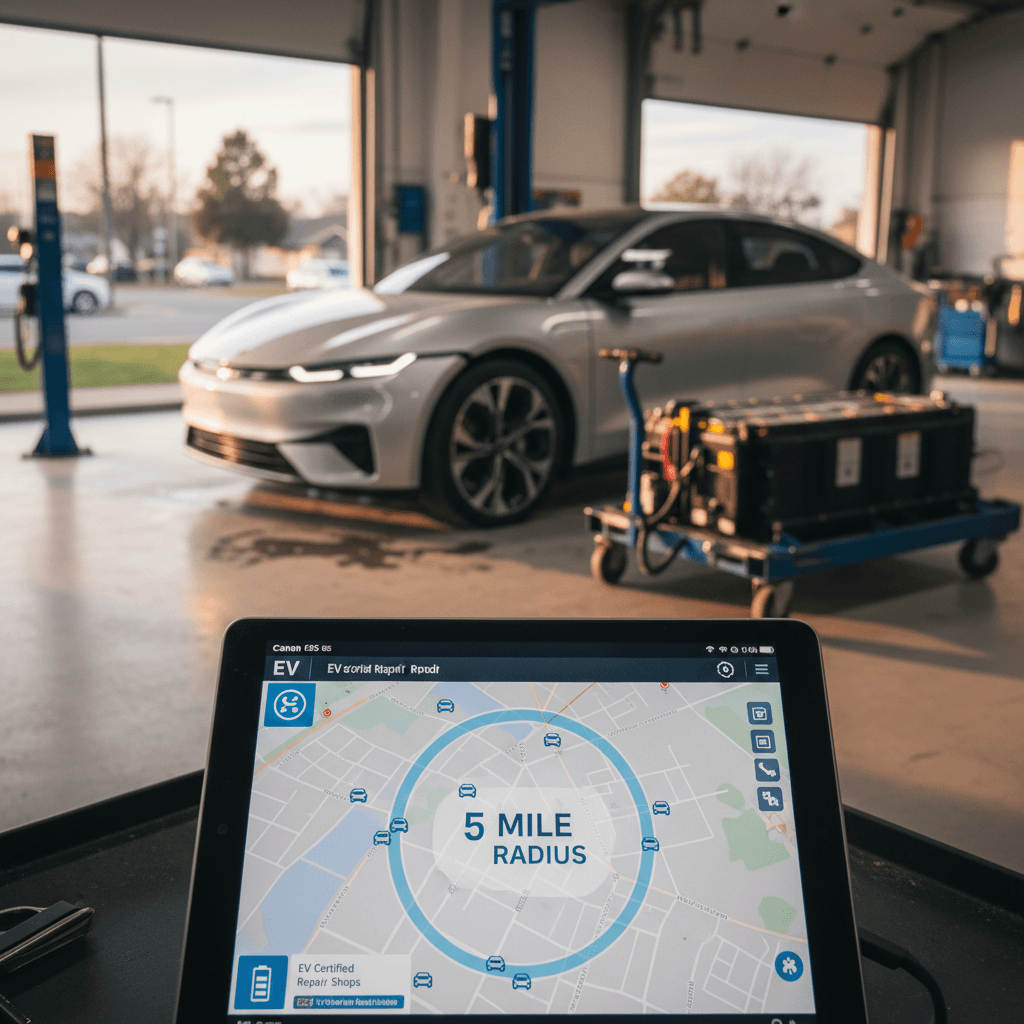
You type “collision repair near me within 5 mi” into your phone because your electric vehicle has just been hit, or you’re thinking about buying a used EV that has accident history. With EVs, where you take the car isn’t just about convenience. The wrong shop can compromise your battery, your warranty, and your future resale value.
EV repairs are a growing niche
Why “Collision Repair Near Me Within 5 Miles” Matters for EVs
When something goes wrong, you naturally want a shop close to home or to the accident scene. But for electric vehicles, the closest option isn’t always the safest option. Many traditional body shops still aren’t equipped for high-voltage systems, battery isolation, or advanced driver-assistance systems (ADAS) calibration, all of which are common in modern EVs.
EV Collision Repair Is Growing Fast, but Capacity Is Limited
All of this means that when you search for collision repair near me within 5 miles, your job isn’t just to find any listing, it’s to find a shop that is both nearby and EV-qualified. The good news: you can screen that in minutes from your phone.
Why EV Collision Repair Is Different From Regular Body Work
From the outside, repairing an EV can look like any other collision job, new bumper, straightened frame rail, fresh paint. Underneath, it’s very different. EVs package a high-voltage battery pack, complex cooling systems, and sensitive electronics into the structure of the car, so collision repair overlaps with energy storage and safety engineering.
EV vs. Gas Car Collision Repair: What’s Different?
These are the reasons not every neighborhood body shop should touch your EV after a crash.
High-voltage battery
Technicians must isolate and test the battery pack before repairs. Impacts near the pack may require scans, thermal checks, or even replacement modules.
Thermal & fire risk
Damaged packs or cables can lead to thermal runaway. Many OEMs require quarantine procedures and special fire-mitigation tools after an EV crash.
ADAS & sensors
Radar, cameras, and lidar in bumpers, fenders, and glass need precise recalibration after repairs or your driver-assistance features may not work correctly.
Not every shop can safely power down an EV
How to Actually Find EV Collision Repair Within 5 Miles
Most people start with a generic search like “collision repair near me within 5 mi” in Google Maps or Apple Maps. That’s fine, but your next steps are what separate a safe EV repair from a guess.
Step-by-step: From Phone Search to Shortlist
1. Start with maps, but add EV keywords
In your maps app, search for variations like “EV collision repair,” “electric vehicle body shop,” or “Tesla certified body shop.” This narrows your results to shops that actively advertise EV capabilities.
2. Use distance filters wisely
In dense urban or suburban areas, set the radius to about 5 miles. In rural areas, you may need to expand to 10–20 miles to find an EV-certified shop, safety and competence matter more than exact distance.
3. Scan photos and websites for EV language
Click into each promising listing. Look for terms like <strong>“EV repair,” “high-voltage,” “Tesla/Lucid/Rivian certified,” “ADAS calibration,”</strong> or photos of EVs in the shop. If the site doesn’t mention EVs at all, treat that as a yellow flag.
4. Check OEM and third-party locator tools
Many automakers host online maps of approved body shops. Search for “<your brand> collision center locator.” Some industry certifications, like I‑CAR Gold Class or EVHQ, also provide local shop finders.
5. Make a short call list
Narrow your options to two or three shops within a reasonable distance. You’ll verify certifications, tooling, and availability by phone before you schedule anything.
Tip: Take photos before the tow
Certifications to Look For When You Call Local Shops
Once you have a handful of nearby options, your next filter is certification. EV-ready shops have invested in training, tooling, and audits to prove they can safely handle high-voltage vehicles and modern materials.
Common Collision & EV Certifications You’ll Hear About
Use this as a cheat sheet while you’re on the phone with shops within 5–10 miles of you.
| Certification | What It Means | Why It Matters for Your EV |
|---|---|---|
| OEM Certified (Tesla, Rivian, etc.) | Approved directly by the manufacturer for structural and battery-adjacent repairs. | Shop follows OEM procedures, uses correct parts, and has access to repair documentation. |
| I-CAR Gold Class | Industry-standard collision repair training and ongoing education. | Shows up-to-date knowledge of modern materials and repair techniques. |
| EV-Specific Programs (EVHQ, OEM EV training) | Focused training and equipment requirements for high-voltage vehicles. | Confirms technicians understand battery isolation, fire risk, and EV safety protocols. |
| ADAS Calibration Capability | In-house or partnered ADAS and sensor calibration services. | Ensures lane-keep assist, collision avoidance, and cruise control work as designed after repair. |
| Aluminum/Carbon Fiber Certifications | Specialized training for lightweight materials. | Prevents improper welding or bonding that could weaken your EV’s structure. |
You don’t need every badge on this list, but you do want at least one strong EV or OEM credential.
Aim for at least one strong EV credential
Key Questions to Ask Before You Book a Repair
Distance is easy to measure. Capability is not. A five‑minute phone call with each nearby shop will tell you almost everything you need to know about whether your EV will be repaired safely and to a standard that protects its future value.
- “How many EVs do you repair in a typical month, and which brands?”
- “Are you certified by my vehicle’s manufacturer, or by any EV‑specific programs?”
- “Do you perform battery isolation and high‑voltage safety checks in‑house?”
- “Can you recalibrate ADAS systems like lane‑keeping and automatic emergency braking?”
- “Will you use OEM parts, or will my insurer push for aftermarket?”
- “What kind of warranty do you offer on structural repairs and paint?”
Good signs
- They immediately mention OEM procedures and EV training.
- They can describe how they quarantine and inspect damaged EVs.
- They talk about pre- and post-repair scans as a matter of routine.
- They’re comfortable describing ADAS calibration and who performs it.
Red flags
- “We don’t see many EVs, but it’s basically the same.”
- No clear answer on high-voltage safety or battery checks.
- Pressure to avoid OEM parts without explanation.
- They can’t clearly state what certifications they hold.
Insurance Direct-Repair Shops vs. Choosing Your Own
After a collision, your insurer may immediately steer you toward a “preferred” or direct-repair program (DRP) shop. Sometimes, that shop is EV-capable and close by. Other times, it’s simply the shop that best fits the insurer’s cost model, not your EV’s needs.
You have the right to choose the shop
DRP Shop vs. Independent EV Specialist
How to decide if your insurer’s recommendation works for your EV.
Insurance DRP shop
- Easier paperwork and faster approvals.
- Often pre‑negotiated labor rates and parts usage.
- May or may not have strong EV experience.
- Double‑check training, EV tooling, and ADAS capabilities.
Independent EV specialist
- Chosen for EV capability, not just price.
- More familiar with OEM EV procedures and quirks.
- May be slightly farther than 5 miles, but safer for your battery and structure.
- Can still work with almost any insurer on estimates and billing.
Battery Health and Safety After a Crash
For EVs, the single biggest wild card in collision repair is the high-voltage battery. Even a low‑speed impact can transmit energy into the pack, cooling system, or high‑voltage cables. Damage is not always visible from the outside, and problems may surface weeks or months later if the pack isn’t properly inspected and monitored.
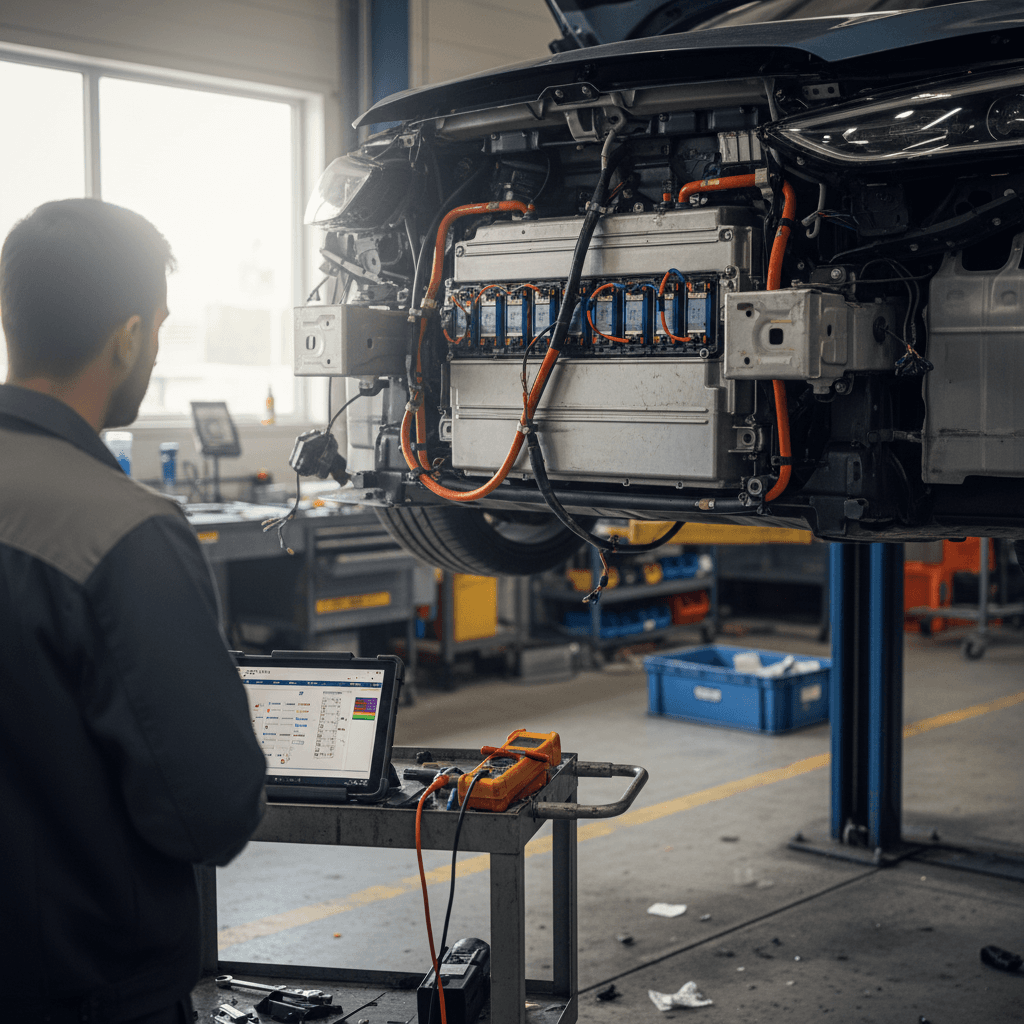
Critical Battery-Related Steps Your Shop Should Take
Pre-repair diagnostic scan
Before any panels come off, technicians run a full scan of the vehicle’s control modules to identify battery, cooling, or high-voltage faults triggered by the collision.
Physical inspection and isolation
On a significant impact, the pack and surrounding structure should be visually inspected and, if required by the OEM, electrically isolated and quarantined before repairs continue.
Thermal and structural assessment
Shops may use thermal imaging or follow OEM structural measurement procedures to spot hidden damage near the battery tray or cooling lines.
Post-repair scan and test drive
After repairs, the shop should perform another full diagnostic scan and a controlled test drive to confirm no lingering battery or high‑voltage system warnings.
Don’t ignore battery warnings after a crash
Cost and Timeline: What to Expect With EV Collision Repair
Modern EV collision repairs tend to be more expensive and slower than comparable work on gas vehicles. That’s not just because of the brand name, it's the combination of specialized parts, EV‑specific labor, diagnostics, and calibration work that has to be done correctly the first time.
Why EV Collision Repairs Often Take Longer and Cost More
These are the main drivers you’ll hear about when talking with shops and adjusters.
| Factor | Impact on Cost | Impact on Timeline |
|---|---|---|
| OEM parts availability | Higher parts prices; aftermarket may not be acceptable near safety systems. | Backorders can add days or weeks, especially for sensors and trim. |
| Battery & high-voltage checks | Adds diagnostic labor and, in rare cases, pack or module replacement. | Extra inspection steps and quarantines extend total repair time. |
| ADAS calibration | Requires specialized equipment and sometimes third‑party calibration centers. | You may wait for a mobile calibration service or a sublet appointment. |
| Lightweight materials | Aluminum, carbon fiber, and advanced steels require special tools and procedures. | Shops may batch similar work or allocate special bays, affecting scheduling. |
Numbers vary by brand, market, and severity, but the pattern is consistent across most EVs.
Ask for a realistic timeline, not a best-case scenario
After the Repair: Protecting Resale Value and Future Buyers
Long after the paint dries, your EV’s collision history will follow the vehicle through Carfax reports, insurer databases, and resale inspections. A well‑documented, EV‑competent repair helps protect your car’s value, and gives future buyers confidence that the vehicle is structurally sound and the battery is healthy.
- Keep a digital folder with estimates, invoices, and photos of the damage and repairs.
- Make sure the shop documents any battery or high-voltage system inspections in writing.
- Ask for a final printout or PDF of pre‑ and post‑repair diagnostic scans.
- Retain calibration reports for ADAS systems; these are often required in future claims or inspections.
“For used EV buyers, detailed repair records and a verified battery report are rapidly becoming as critical as a clean title.”
How Recharged Fits Into Your Post-Collision Plan
If your EV has been in a collision, or you’re considering buying one that has, Recharged helps you see past the bodywork. We focus on used electric vehicles, which means we pay close attention to how previous repairs and impacts show up in real‑world battery health and long‑term ownership costs.
Where Recharged Helps EV Drivers Around Collision Events
Whether you’re keeping your current EV or shopping for another, data and transparency matter.
Recharged Score Report
Every vehicle on Recharged comes with a Recharged Score Report that includes verified battery health diagnostics and fair‑market pricing. If a car has prior damage, you see how that history aligns with today’s battery performance.
Trade-in & instant offers
If your EV is declared a total loss or you no longer want to keep it after repairs, you can sell or trade-in through Recharged. We help you compare an instant offer, consignment, or trade‑in so you don’t leave money on the table.
EV-specialist support
Our EV‑focused team can answer questions about how collision history, repairs, and battery diagnostics affect value. If you’re moving into another EV, we can arrange financing and nationwide delivery from your couch.
Ready to find your next EV?
Browse VehiclesFAQ: EV Collision Repair Near Me Within 5 Miles
Frequently Asked Questions
The Bottom Line: Fast, Local, and EV-Smart, Collision Repair
When your EV is damaged, searching for “collision repair near me within 5 mi” is only the first step. What truly matters is whether the body shop you choose understands high‑voltage safety, battery diagnostics, modern materials, and ADAS calibration. If that means expanding your radius from five miles to ten, it’s usually worth the extra tow time to protect your safety, warranty, and resale value.
Document everything, ask pointed questions about EV experience, and don’t be afraid to choose the shop that’s best prepared, rather than simply the closest. And when it’s time to move on from a damaged vehicle or evaluate a used EV with accident history, Recharged gives you battery‑level visibility, fair pricing, and EV‑specialist support so you can make your next move with confidence.