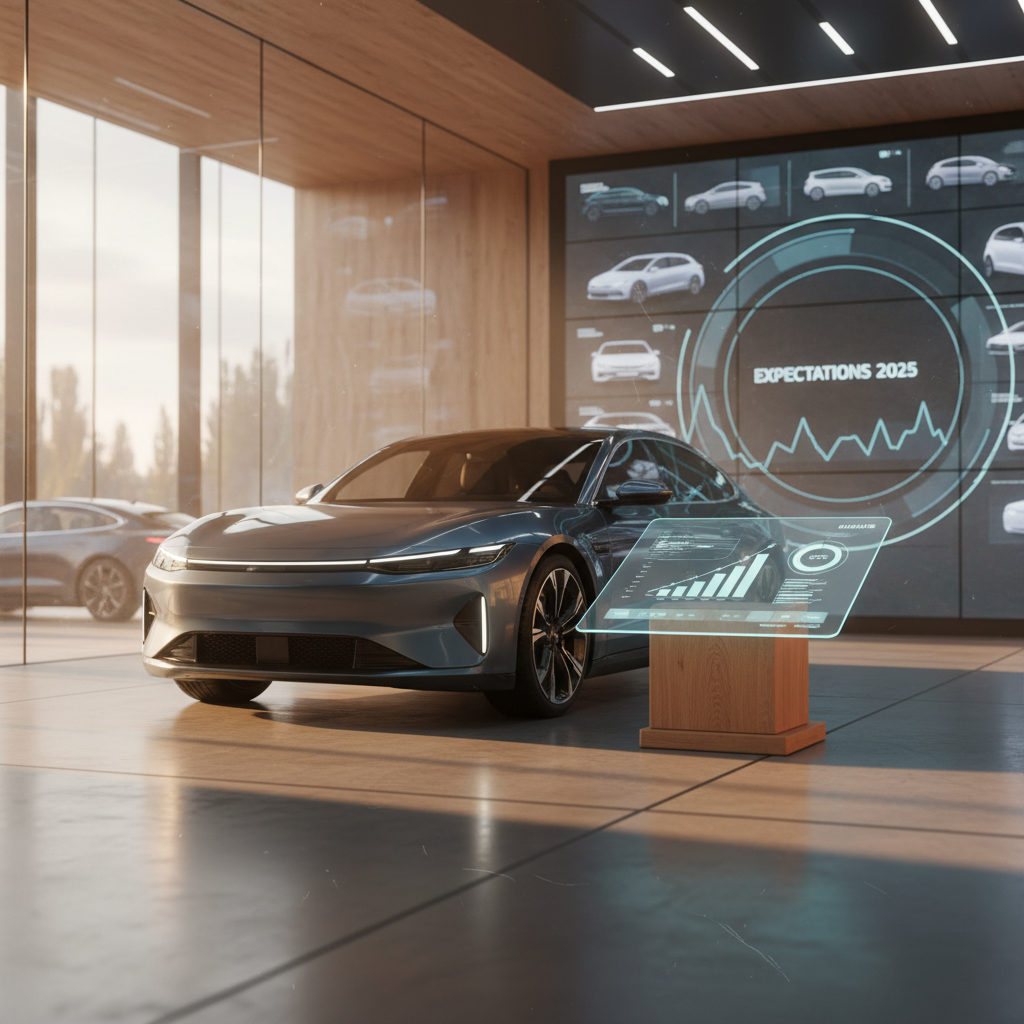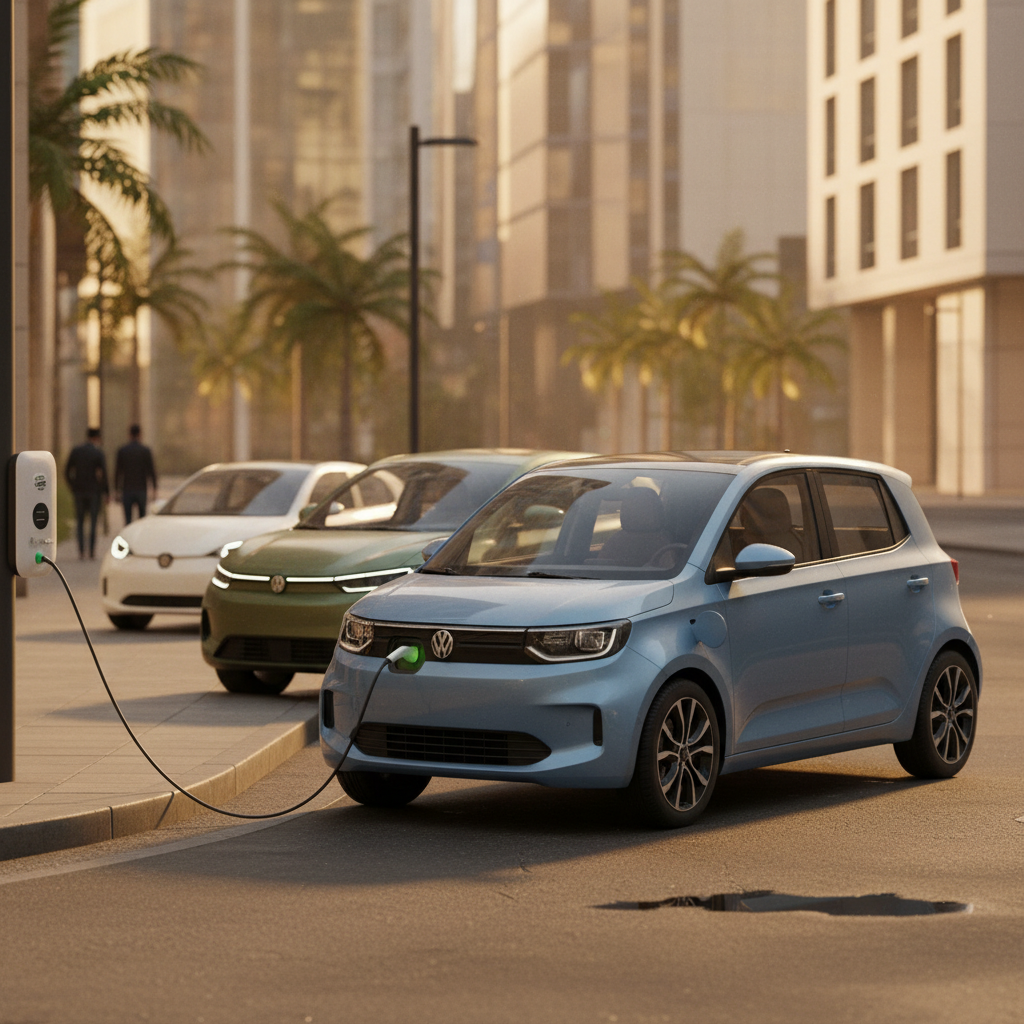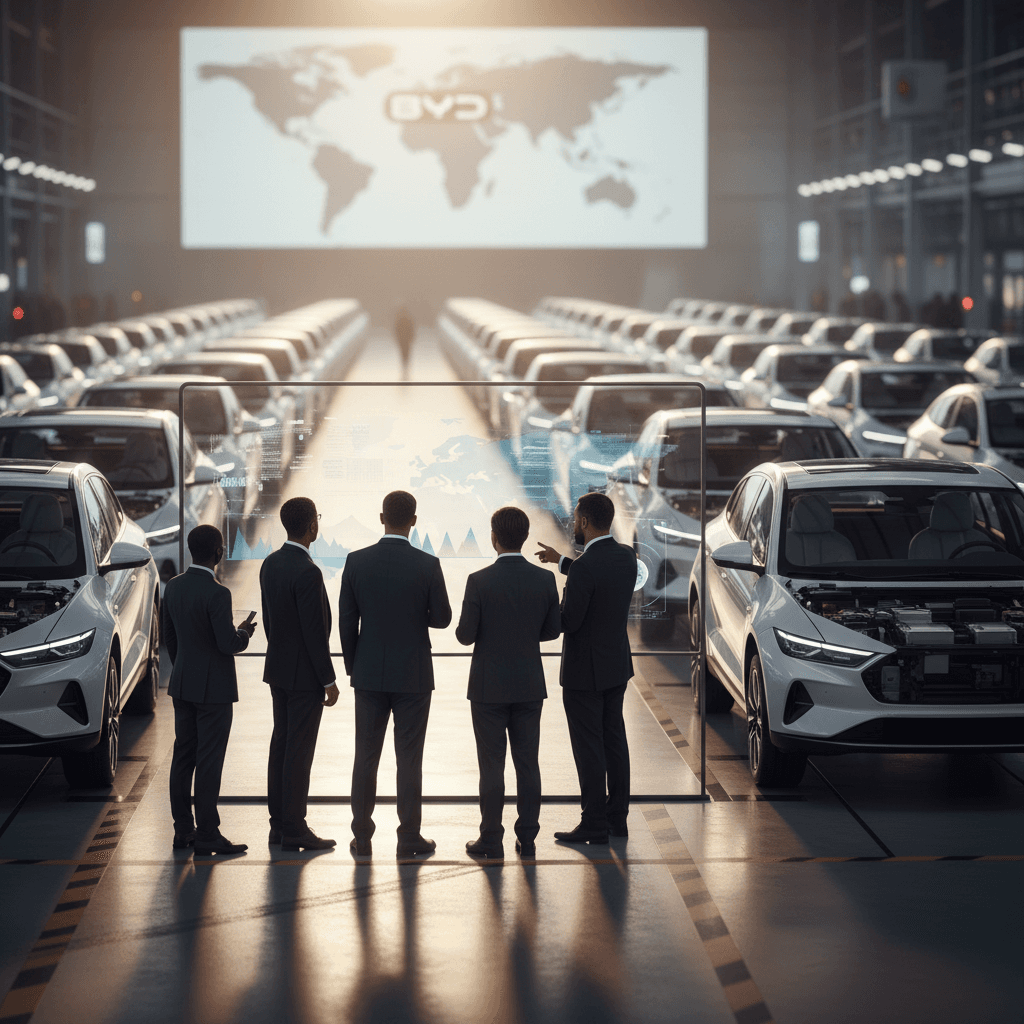
When people talk about a Chinese BEV, they’re usually talking about more than just where a car was screwed together. They’re talking about the rise of China as the world’s dominant producer of battery electric vehicles and the way that’s reshaping EV prices, technology, and even trade policy. If you’re thinking about buying a new or used EV in the next few years, understanding Chinese BEVs will help you make better decisions.
Quick definition
What people mean by “Chinese BEV”
BEV stands for Battery Electric Vehicle, an EV that runs only on a battery pack and electric motor, with no gasoline engine on board. A Chinese BEV can mean one of three things:
- A BEV from a Chinese brand, like BYD, NIO, XPeng, Zeekr, or MG (owned by SAIC).
- A BEV built in China for a Western brand, like Tesla’s Shanghai-built Model 3/Y or some Volvo, Polestar, and BMW models.
- A future BEV assembled outside China but designed and controlled by a Chinese automaker (for example, BYD factories in Thailand, Hungary, or possibly Mexico).
For shoppers, the important questions are less about the passport and more about quality, safety, battery health, and long-term support. That’s where careful research, and tools like the Recharged Score on used EVs, really matter.
How big is the Chinese BEV market in 2025?
China’s BEV dominance by the numbers
China now accounts for well over half of global EV production, and battery electrics are the core of that story. In several months of 2025, BEVs alone outsold gasoline cars in China. That scale matters because it allows Chinese automakers to spread R&D and factory costs over millions of vehicles, pushing prices down in a way rivals struggle to match.
Why this matters to you
Leading Chinese BEV brands you should know
Big players in Chinese BEVs
These are the brands driving China’s BEV surge, and increasingly shaping global EV options.
BYD
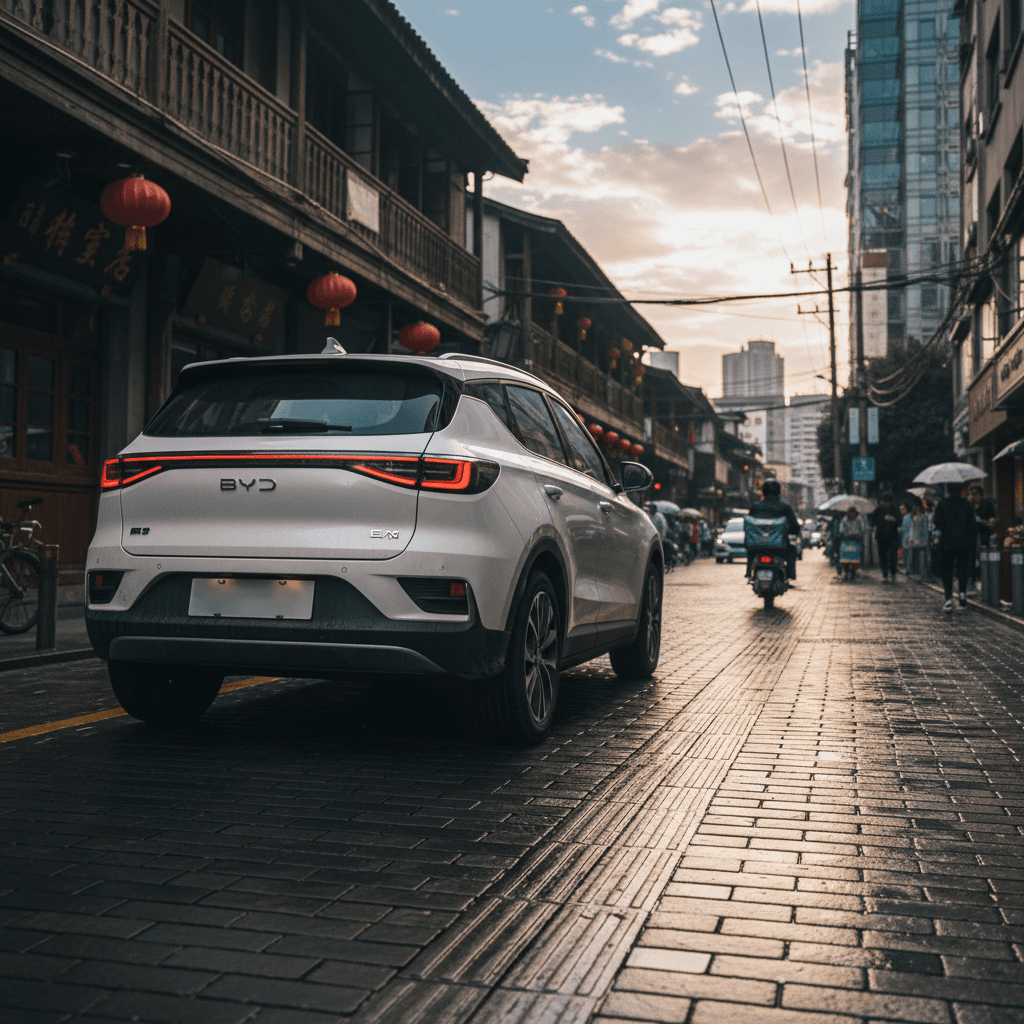
BYD is the headline act in Chinese BEVs. It overtook Tesla in global BEV sales in 2024 and offers everything from compact city cars to luxury sedans and SUVs.
- Strengths: Vertical integration (builds its own batteries), aggressive pricing, reliable LFP chemistry.
- Key models: Dolphin, Seal, Atto 3/Yuan Plus, Han.
NIO
NIO focuses on the premium end of the BEV market, with sophisticated interiors and advanced driver-assistance systems.
- Signature feature: Battery swapping, which lets drivers exchange packs in minutes at NIO stations.
- Positioning: Competes with BMW, Mercedes, Tesla on comfort and tech.
XPeng, Zeekr & SAIC/MG
XPeng, Geely’s Zeekr brand, and SAIC’s MG badge are each building strong portfolios of BEVs, especially in Europe.
- XPeng: Tech-forward with advanced driver assist.
- Zeekr: Design-led, premium feeling interiors.
- MG: Value-focused BEVs that undercut European rivals on price.
If you’re shopping the U.S. market today, you won’t see a BYD or NIO badge at your local dealer, at least not yet. But you’re already seeing their influence: legacy brands are cutting prices, speeding up EV launches, and rethinking how they build batteries because they’re watching this group of Chinese BEV makers very closely.
Why Chinese BEVs are so competitive: tech & cost advantages
China didn’t just build more BEVs; it built the supply chain behind them. That includes batteries, electronics, and manufacturing capacity that’s hard to match elsewhere. Three advantages show up again and again when you compare Chinese BEVs to rivals:
Key advantages of Chinese BEVs
Why Chinese-built BEVs often undercut rivals on price while packing in technology.
Battery leadership
Chinese companies dominate global battery production, especially LFP (lithium-iron-phosphate) packs, which trade a bit of energy density for lower cost and excellent durability.
Huge local volume plus advanced manufacturing has pushed many pack prices below the long-discussed $100/kWh threshold, making affordable BEVs possible.
Manufacturing scale
From stamping to final assembly, Chinese plants are running at volumes Western factories are only now approaching. That means:
- Lower per-car costs
- Quick ramp-up for new models
- Ability to experiment with designs and trims
Integrated electronics & software
Many Chinese BEVs feel more like smartphones on wheels. Big screens, over-the-air updates, and fast development cycles let them respond quickly to customer feedback.
Expect aggressive feature updates and interface redesigns during a model’s life cycle.
The flip side
Where Chinese BEVs are actually being sold
Europe and emerging markets
Europe has become ground zero for Chinese-brand BEVs. MG, BYD, and others now compete directly with Volkswagen, Stellantis, and Renault on their home turf. Some models undercut European rivals by thousands of euros while offering competitive range and equipment.
Beyond Europe, Chinese BEVs are increasingly common in Southeast Asia, Latin America, the Middle East, and Australia. In many of these markets, they’ve arrived faster than Teslas or U.S.-brand EVs.
The United States (for now)
In the U.S., you mainly see Chinese-built, Western-brand BEVs, for example, Tesla Model 3 and Model Y units imported from Shanghai in recent years, and some models from Volvo/Polestar or BMW.
True Chinese consumer brands (BYD, NIO, MG, etc.) haven’t entered the U.S. retail market yet, largely because of tariffs and political scrutiny. That could change over time, especially if Chinese automakers build factories in North America.
Watch for "made in" labels
Tariffs, trade tensions, and what they mean for shoppers
Chinese BEVs don’t exist in a vacuum. They sit at the center of trade disputes in Washington and Brussels. The U.S. has layered steep tariffs on Chinese-made EVs, and Europe is investigating state subsidies and considering additional duties. The goals are straightforward: protect domestic manufacturing and prevent a flood of ultra-low-cost imports.
High-level policy picture for Chinese BEVs
A simplified overview of how Chinese-built BEVs are treated in major markets as of late 2025. Details vary by model and origin, and policies can change quickly.
| Region | Chinese-brand BEVs | Chinese-built Western brands | Key implication for shoppers |
|---|---|---|---|
| United States | Effectively blocked by high tariffs and political pressure | Allowed but may face tariffs depending on configuration | You’ll mostly see Teslas and other Western brands built in China, not BYD or NIO storefronts. |
| European Union | Facing anti-subsidy probes and additional duties, but still widely available | Generally available; some models under scrutiny | Chinese-brand BEVs may stay competitive on price but could become more expensive over time. |
| Other global markets | Often welcomed, sometimes with local incentives | Common for global brands | In many countries, Chinese BEVs are the quickest way to get an affordable long-range EV. |
Always confirm current incentives and duties with an up-to-date source or dealer before buying or importing.
Policy risk is real
Used Chinese BEVs and resale values
The used market for Chinese BEVs is evolving quickly. In Europe and some other regions, a wave of Chinese-brand BEVs is just now reaching its first and second owners. That creates opportunity, but also questions about long-term battery health, software support, and resale value.
Pros and cons of used Chinese BEVs
What you gain, and what you should double‑check, when a Chinese-built BEV shows up on your shortlist.
Potential upsides
- Lower purchase price: Rapid new-car price cuts can push used values down, giving you more EV for the money.
- Modern tech: Many Chinese BEVs offer big screens, OTA updates, and features that rival or beat pricier competitors.
- Battery chemisty: LFP packs are common and tend to handle frequent fast charging and high mileage gracefully when well managed.
Key concerns
- Brand recognition: Lesser-known badges can mean slower resale and fewer independent repair options.
- Parts & service: Depending on your country, parts pipelines and trained technicians may still be catching up.
- Software support: You want confidence that the automaker will keep supporting apps, connectivity, and security updates over the life of the car.
How Recharged helps
Ready to find your next EV?
Browse VehiclesChecklist: what to look for if you’re considering a Chinese-built BEV
Smart buyer’s checklist for any Chinese BEV
1. Confirm brand presence and support
Before you fall in love with the spec sheet, make sure the brand has a real service footprint in your region, or that a partner network can support it. Ask about warranty repairs, recall handling, and software updates.
2. Verify charging compatibility
Check that the car’s charging port and software work smoothly with the networks you’ll use. In North America, that means understanding CCS vs NACS connectors and whether adapters are needed.
3. Get objective battery health data
Battery condition is the single biggest variable in a used BEV’s value. Use a trusted diagnostic, like the <strong>Recharged Score</strong>, to see real degradation rather than relying on a dashboard estimate alone.
4. Ask about software and connectivity
Confirm that connected services (navigation, smartphone app, remote climate control) are available and supported in your country. If the app stops working, does the car lose key functions?
5. Check safety and crash ratings
Look for independent crash test ratings and advanced driver-assistance features such as automatic emergency braking and lane-keeping assist. Some models are excellent; others are still catching up.
6. Understand resale and exit options
Ask how many of these vehicles are on the road in your region and what used values look like. A great deal today should still make sense when you’re ready to trade in or sell later.
FAQ: Common questions about Chinese BEVs
Frequently asked questions about Chinese BEVs
The bottom line for today’s EV shopper
Chinese BEVs are no longer a side story, they’re the center of the global electric vehicle conversation. China’s scale has pushed EV technology forward and costs down, even for brands that compete with Chinese automakers. For you as a shopper, the smart move is to focus less on the flag and more on battery health, charging compatibility, safety, and long-term support.
If a Chinese-built BEV, or any EV, makes your shortlist, combine solid market knowledge with objective data. At Recharged, every used EV comes with a Recharged Score Report, access to EV‑savvy financing, and expert guidance from start to finish, so you can enjoy the benefits of the EV transition without guessing what’s under the floorpan.