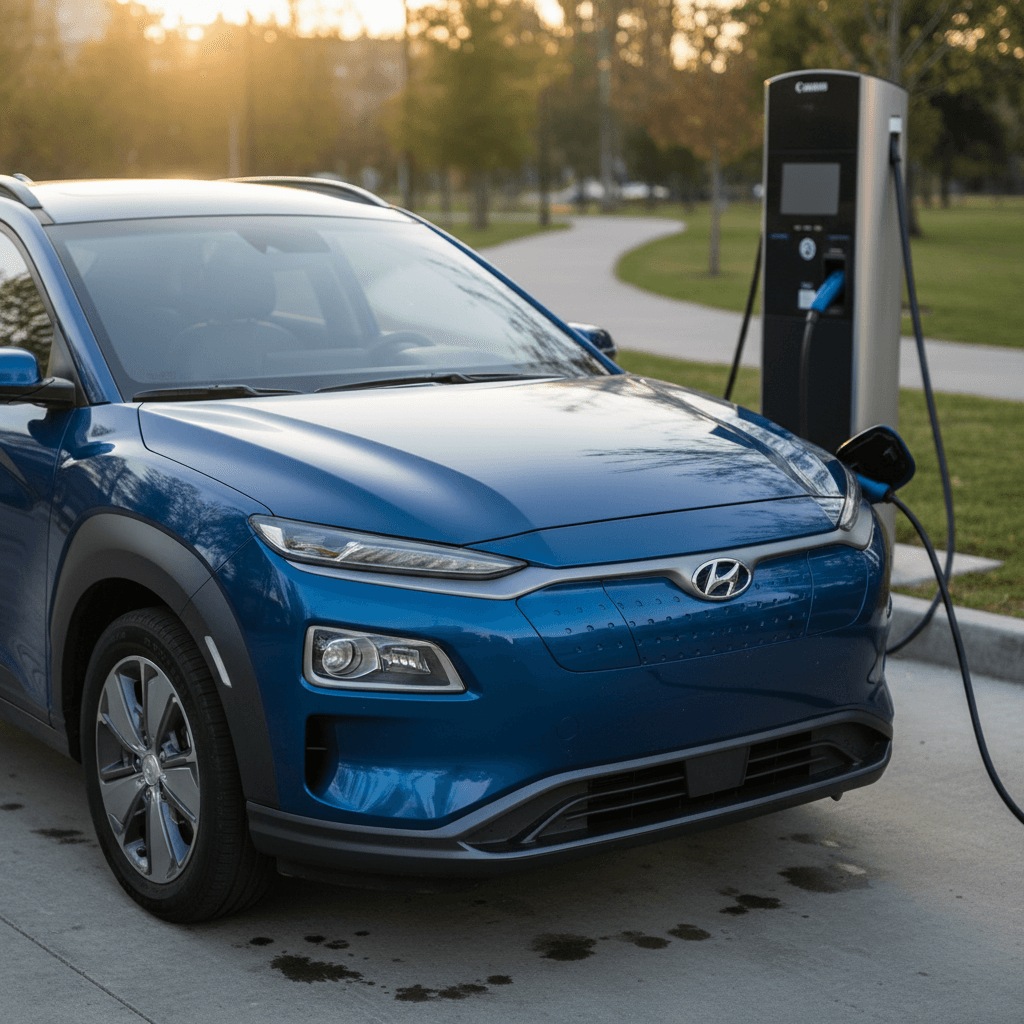
If you’re shopping for a practical, long‑range used EV, the 2019 Hyundai Kona Electric should be high on your list. It pairs a usable real‑world range with a small‑SUV body, easy city manners, and running costs that undercut comparable gas crossovers. This review breaks down how the 2019 Kona Electric performs today, how it charges, what it’s like to live with, and what you should look for when buying one used.
Where the 2019 Kona Electric fits
2019 Hyundai Kona Electric overview
The 2019 Hyundai Kona Electric is the battery‑electric version of Hyundai’s subcompact Kona crossover. Under the skin it swaps the gas powertrain for a 64 kWh lithium‑ion pack and an electric motor driving the front wheels. In the U.S. it was sold mainly in EV‑friendly states, but on the used market you’ll now find these cars spread across the country.
Who the 2019 Kona Electric is best for
A long‑range EV that shines as a commuter and city runabout, but can stretch to road trips with planning.
Urban & suburban commuters
If you rack up 30–70 miles per day, the Kona Electric’s rated 258‑mile range means you can comfortably plug in just a few times a week with Level 2 home charging.
Budget‑minded road trippers
The car’s efficiency makes highway trips possible with DC fast charging, though you’ll want to understand its charge curve and plan stops a bit more carefully than with newer 800‑volt EVs.
First‑time EV owners
Simple controls, strong regenerative braking, and Hyundai’s reputation for value make the 2019 Kona Electric an approachable entry point into EV ownership.
Key specs: range, performance, and charging
2019 Hyundai Kona Electric headline numbers
2019 Hyundai Kona Electric core specifications
Key specs for the U.S.‑market long‑range 64 kWh model year 2019 Kona Electric.
| Category | Specification |
|---|---|
| Battery | 64 kWh lithium‑ion (about 64 kWh usable) |
| EPA range | 258 miles combined |
| Motor | Front‑mounted permanent‑magnet synchronous, 201 hp, 291 lb‑ft |
| 0–60 mph | Low‑to‑mid 6‑second range (independent testing) |
| Drive type | Front‑wheel drive |
| AC charging | Up to 7.2 kW Level 2 (about 9–9.5 hours 0–100%) |
| DC fast charging | CCS, peak roughly 70 kW, 10–80% in ~50–60 minutes under ideal conditions |
| MPGe | Approx. 132 city / 108 highway / 120 combined |
Figures are approximate and can vary slightly by test procedure and wheel/tire choice.
On paper, the 2019 Kona Electric was a segment benchmark. That 258‑mile EPA range is still competitive with many newer, more expensive EVs. The motor’s 201 horsepower and instant 291 lb‑ft of torque give it the kind of punchy around‑town response that makes EVs so addictive, while efficiency remains excellent for a small crossover.
Spec tip for used‑EV shoppers
Driving experience: how the 2019 Kona Electric feels on the road
Quick, but not frantic
The Kona Electric isn’t a performance EV, but it’s quick by subcompact‑SUV standards. Independent testing has shown 0–60 mph times in the low‑to‑mid‑six‑second range, which means confident merges and easy passing. From a stop, torque is immediate, and in city traffic it feels downright lively.
Composed and efficient
Hyundai tuned the Kona Electric to prioritize efficiency and everyday comfort over razor‑sharp handling. Steering is light but accurate, and the low center of gravity from the battery pack keeps body roll in check. It’s stable at highway speeds, though coarse roads can transmit a bit more tire and wind noise than larger, more premium EVs.
Three selectable drive modes, Eco, Normal, and Sport, tweak throttle response and climate settings. Most owners will live in Eco or Normal, using Sport when they need extra punch for a highway on‑ramp. Regenerative braking paddles behind the steering wheel let you choose how aggressively the car slows when you lift off the accelerator, up to near one‑pedal driving.
Everyday drivability strong points
Interior, cargo space, and tech features
Inside, the 2019 Kona Electric closely mirrors the gas Kona, which is mostly good news. You get a familiar control layout, a traditional instrument binnacle with EV‑specific displays, and physical buttons for core climate and audio functions. Materials are typical of a mainstream subcompact SUV, durable plastics rather than luxury trimmings, but assembly quality is generally solid.
2019 Kona Electric interior and practicality highlights
Small on the outside, usable on the inside, especially if you mostly carry people, not bulky cargo.
Cabin space
Passenger room is reasonable for four adults. Front‑seat comfort is good even on longer drives; taller rear passengers may find legroom tight, as you’d expect in this class.
Cargo capacity
The Kona Electric offers a versatile hatch with rear seats that fold nearly flat. You’re not getting midsize‑SUV room, but there’s enough space for groceries, luggage, or a couple of suitcases for a weekend trip.
Infotainment & driver aids
Depending on trim, you’ll see features like Apple CarPlay/Android Auto, a responsive touchscreen, and safety tech such as adaptive cruise, lane‑keeping assist, and automatic emergency braking.
Space trade‑offs to know
Real-world charging: home, workplace, and road trips
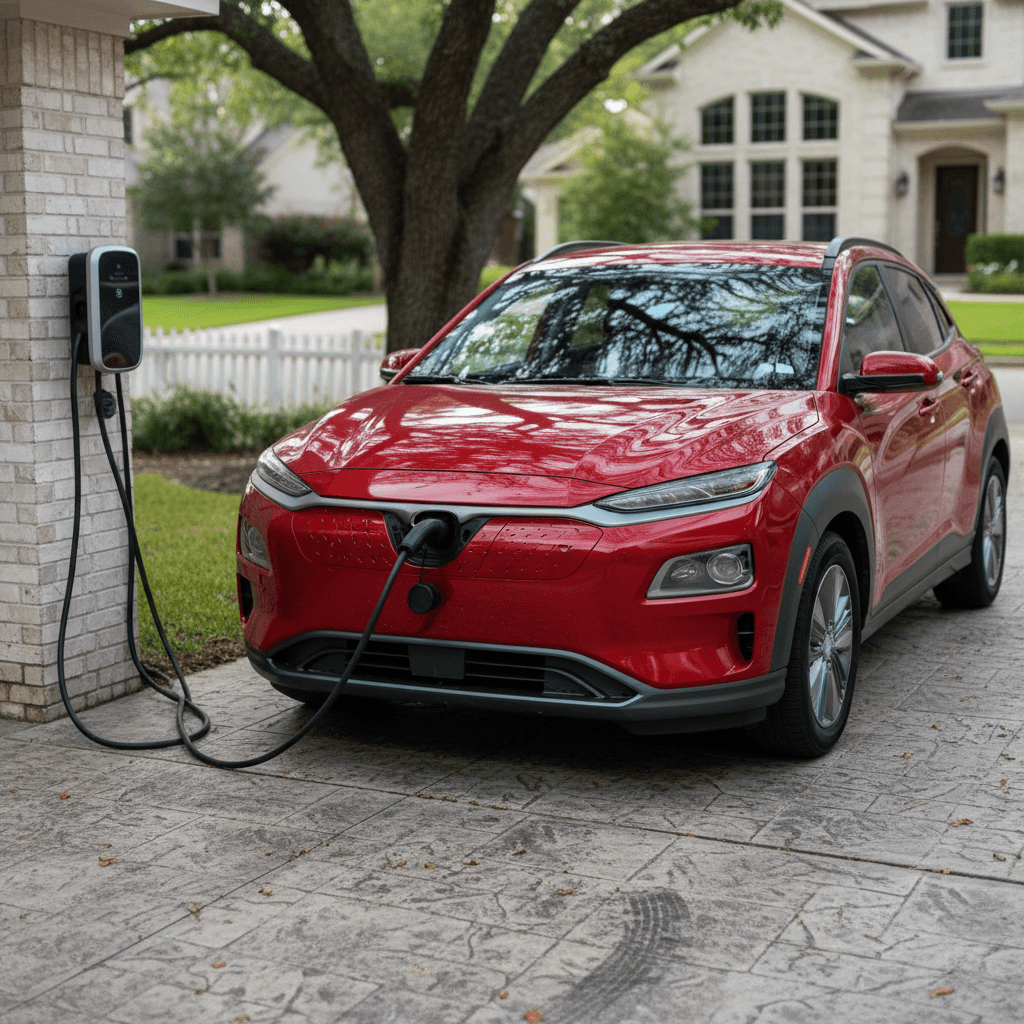
On the charging front, the 2019 Kona Electric supports Level 1 (120‑volt), Level 2 (240‑volt), and CCS DC fast charging. That flexibility makes it easy to live with whether you own a home, rent, or rely mainly on public infrastructure.
How the 2019 Kona Electric fits different charging situations
1. Home Level 2 is the sweet spot
With a 40‑amp Level 2 charger on a 240‑volt circuit, you’re looking at roughly 9–9.5 hours for a full charge from empty. In practice, most owners plug in nightly and top up from 40–60% back to 80–90% in just a few hours.
2. Workplace or public Level 2
If you can plug in at work, the Kona Electric is easy to keep topped up. A typical 6–7 kW public Level 2 station can add around 20–30 miles of range per hour depending on conditions.
3. DC fast charging for trips
On a healthy battery and a capable CCS station, you can expect peak charge rates in the high‑60 kW range early in the session. Real‑world 10–80% times usually land around 50–60 minutes, slower in cold weather or if the station is power‑limited.
4. Level 1 as a backup
The included 120‑volt portable charger works in a standard household outlet, but it’s slow, think in terms of an overnight top‑up rather than refueling from empty. It’s useful for renters or in emergencies, but most owners quickly move to Level 2.
Cold‑weather charging behavior
Reliability, battery health, and known issues
Overall, the 2019 Kona Electric has built a reputation as a dependable EV, but there are a few topics you should understand before buying used: battery health, software updates, and several recalls that Hyundai has addressed over time.
- Battery longevity: Owners and independent testers have reported strong battery health even at higher mileages when cars are charged and stored reasonably, avoiding constant 100% charging and extreme heat where possible.
- Charging behavior: Some drivers note that early cars cap DC fast‑charge power lower than later model years, especially in cold weather or at higher states of charge. That’s by design to protect the pack, but it’s worth knowing so your first road trip isn’t a surprise.
- Recalls and software updates: Like many early long‑range EVs, the Kona Electric has seen safety campaigns and software updates over its life. A well‑maintained example should have these addressed under warranty; always ask for documentation or have a dealer run the VIN.
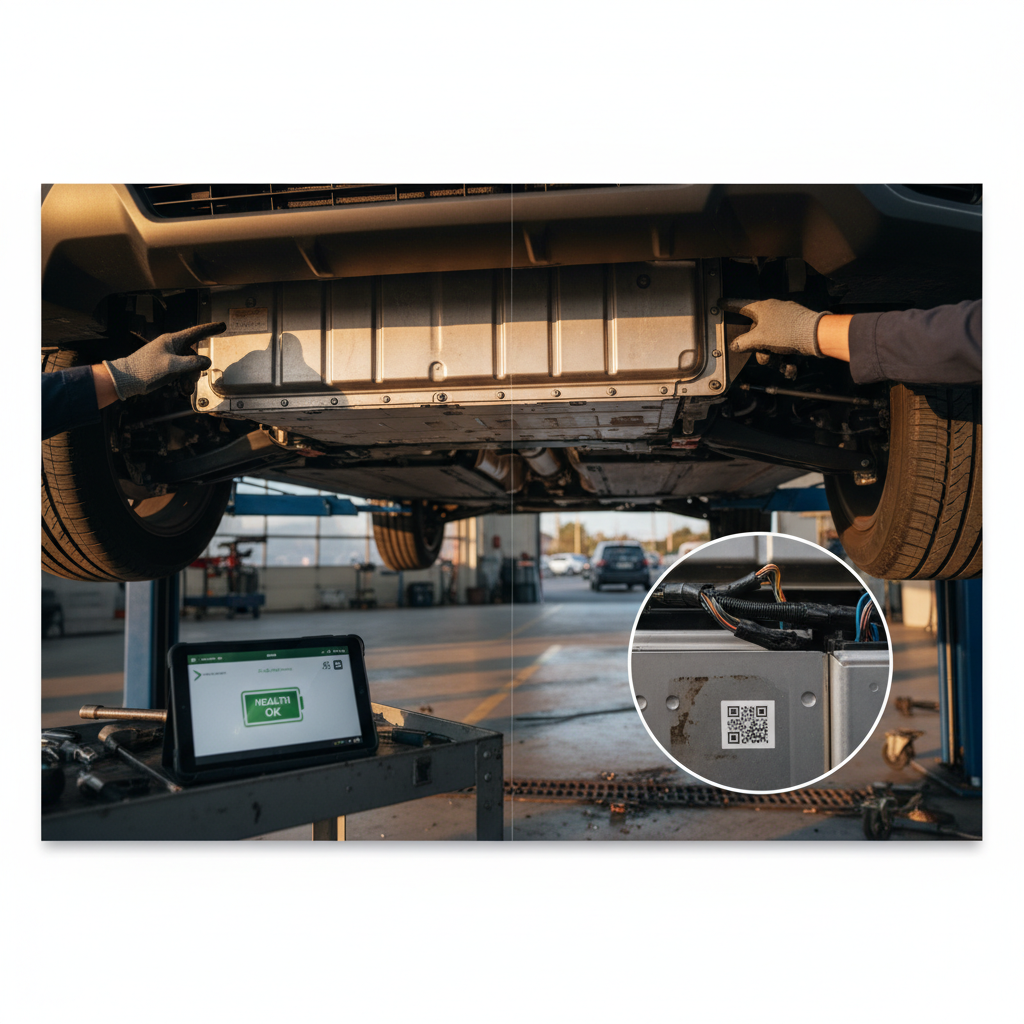
Why a battery‑health report matters
“With a long‑range battery, approachable pricing, and real‑world efficiency, the original Kona Electric quietly moved the goalposts for mainstream EVs.”
Is the 2019 Hyundai Kona Electric a good used buy?
2019 Kona Electric standout strengths
- Excellent range for the money: Around 258 miles EPA is still plenty for most daily driving and even many road trips.
- Strong efficiency: The Kona Electric wrings a lot of miles from each kWh, which helps keep electricity costs low.
- Compact but practical: Easy to park, maneuverable in tight city streets, yet still shaped like a small SUV with usable cargo room.
- Hyundai value story: Good feature content for the price when new, and competitive used pricing now that newer EVs have entered the market.
Trade‑offs to weigh
- DC fast charging is modest: With peaks around 70 kW and a conservative charge curve, it’s not the quickest long‑distance charger, especially compared with the latest 800‑volt EVs.
- Front‑wheel drive only: If you need all‑wheel drive for snow or unpaved roads, the Kona Electric won’t fit the bill.
- Subcompact footprint: Back‑seat space and cargo capacity are fine for many households, but not generous.
- Charging‑network dependence: You’re relying on CCS public networks, which can be great in some regions and patchy in others, so map coverage where you live and travel.
If your priority is maximum range per dollar in a small, easy‑to‑live‑with package, the 2019 Hyundai Kona Electric remains an excellent choice. Its combination of efficiency, usable range, and mainstream‑car feel make it a compelling used‑EV value, especially when you verify battery health and find a car with a solid service history.
How Recharged can help you shop confidently
Ready to find your next EV?
Browse VehiclesChecklist: what to check before you buy a used Kona Electric
Pre‑purchase checklist for a 2019 Hyundai Kona Electric
1. Confirm completed recalls and software updates
Ask for a printout of recall and campaign history, or have a Hyundai dealer run the VIN. You want to see that all safety‑related campaigns and major software updates have been performed.
2. Get a battery‑health assessment
Don’t rely solely on the guess‑o‑meter range. Request a formal battery‑health report. At Recharged, this comes standard via the Recharged Score, giving you clarity on usable capacity and pack condition.
3. Inspect charge port and charging behavior
Plug into a Level 2 charger and, if possible, a DC fast charger. Make sure the car charges consistently, the connector seats firmly, and there are no errors or abnormal noises around the power electronics.
4. Check service records and ownership patterns
Look for regular maintenance visits for things like brake fluid and cabin filters, and verify that the car hasn’t skipped years of service entirely. A one‑ or two‑owner history with documentation is ideal.
5. Evaluate tires and brakes
EVs are heavier than their gas equivalents, so tires and brakes can wear faster. Uneven tire wear or pulsation under braking may indicate the need for near‑term maintenance costs, worth factoring into your offer.
6. Test‑drive for noises and ride quality
On the road, listen for clunks, grinding, or high‑pitched whines that rise and fall with speed. Pay attention to how the car tracks on the highway and how it rides over broken pavement.
7. Consider your charging situation
Before signing, be honest about where you’ll charge. If you can’t install Level 2 at home or work, factor in the reliability of local public stations. A long‑range EV is only as convenient as its charging access.
2019 Hyundai Kona Electric FAQ
Frequently asked questions about the 2019 Kona Electric
The 2019 Hyundai Kona Electric may not grab headlines like the latest ultra‑fast‑charging models, but it quietly delivers what most drivers actually need: meaningful range, approachable pricing, and the usability of a small crossover. If you match its strengths to your lifestyle, and take the time to verify battery health and charging access, it can be one of the smartest used‑EV buys on the market today. And with Recharged’s battery diagnostics, fair‑market pricing tools, financing options, and EV‑specialist guidance, you don’t have to navigate that decision alone.