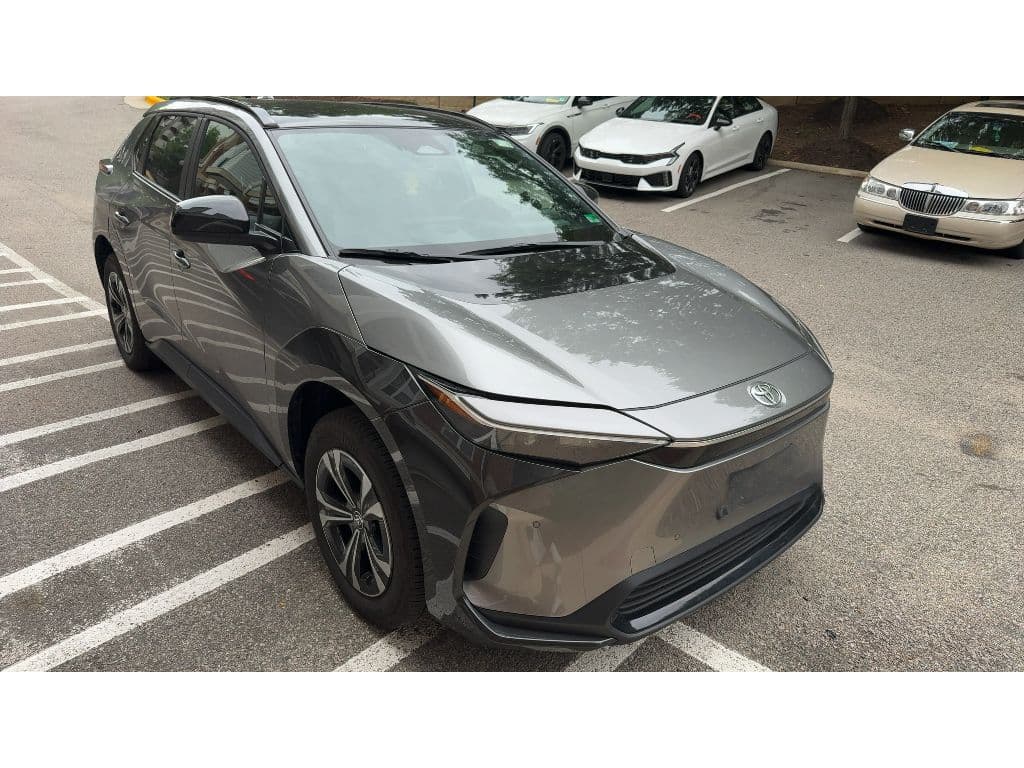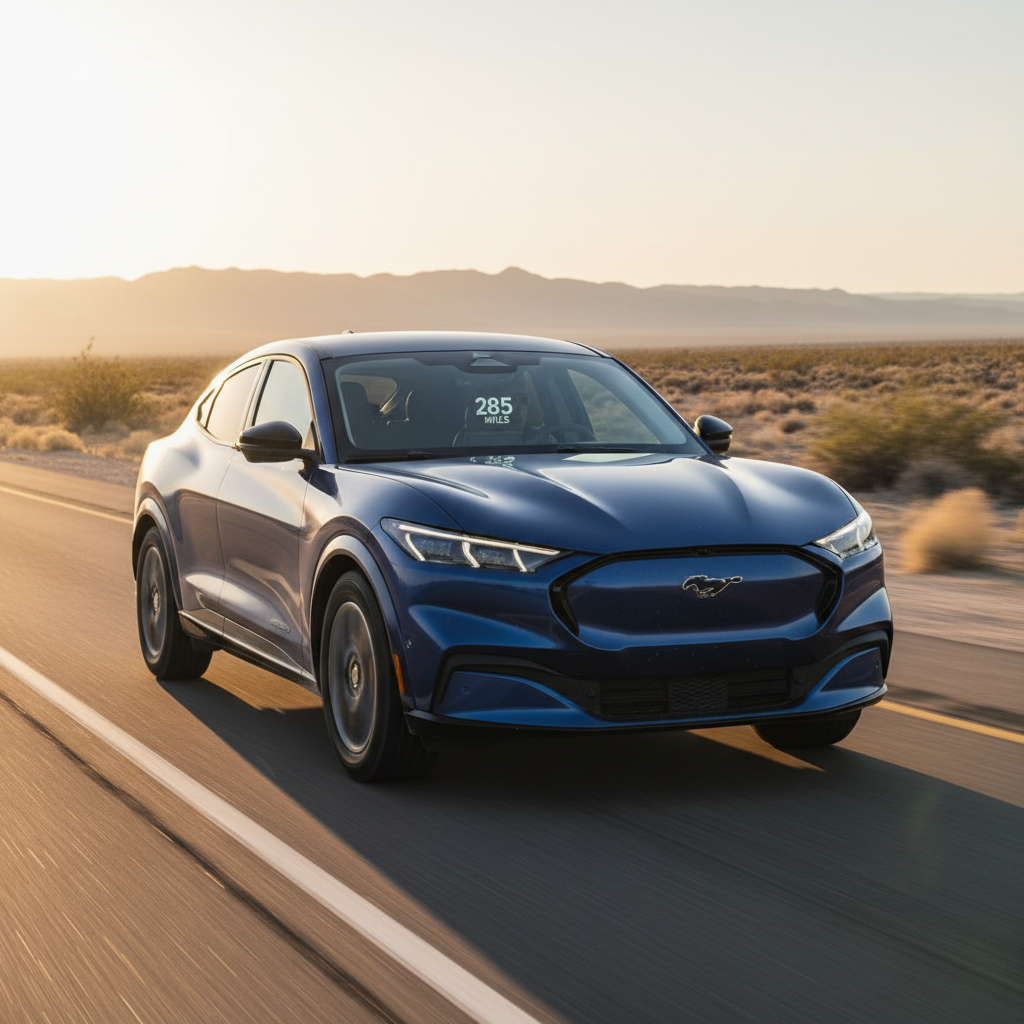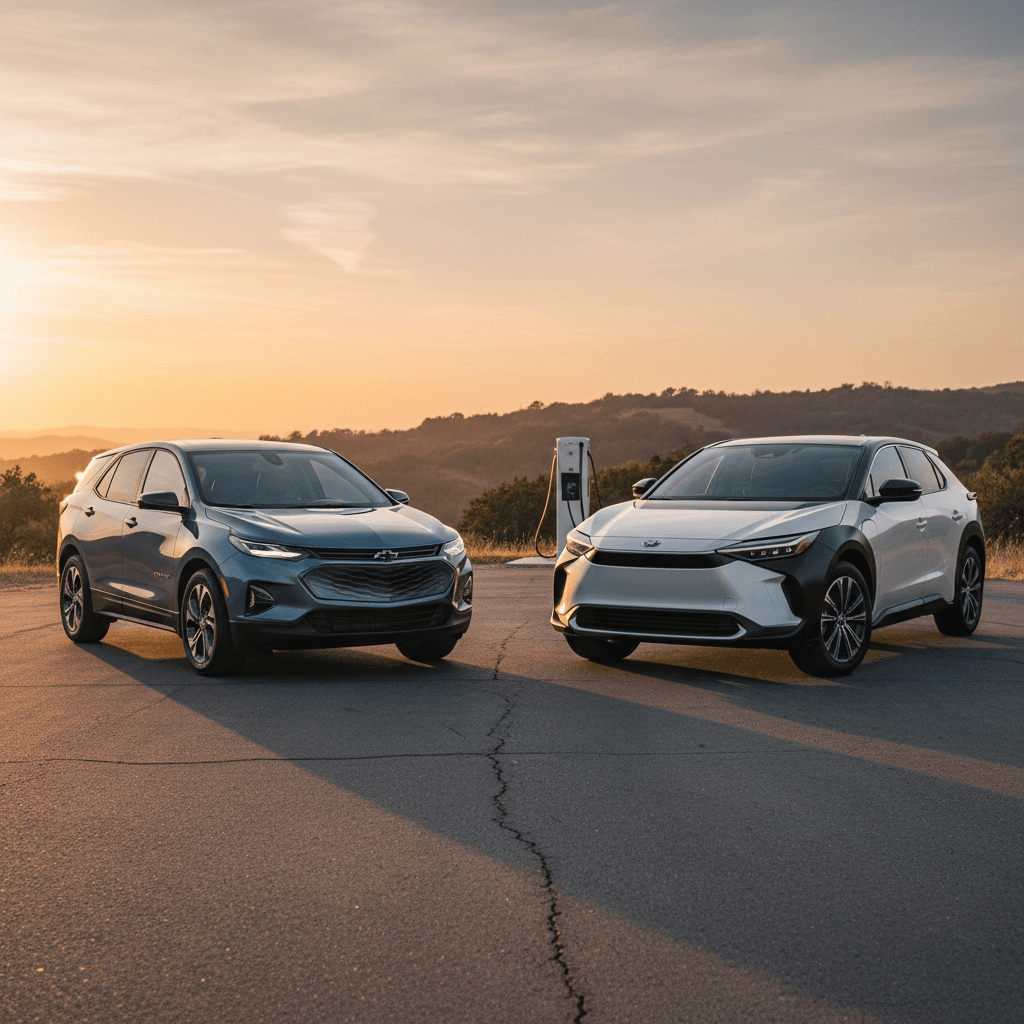
You’re looking at the Chevy Equinox EV vs Toyota bZ4X and wondering which compact electric SUV actually makes sense for your life, not just on a spec sheet. Both promise practical range, everyday comfort, and big-name badges. But they take very different paths to get there, and those differences really show up in range, charging, and long‑term ownership.
At a Glance
Chevy Equinox EV vs Toyota bZ4X: Quick Take
How These Two EV SUVs Stack Up
Big picture differences before you dive into the details
Chevy Equinox EV
- Range standout: up to ~319 miles EPA on FWD models.
- Battery: ~81 kWh usable Ultium pack with 400V architecture.
- Charging: 11.5 kW AC, up to 150 kW DC fast; ~98 miles in 10 minutes in ideal conditions.
- Driving feel: Smooth, quiet, more about comfort than speed.
- Best for: Value‑focused buyers and commuters who want maximum range per dollar.
Toyota bZ4X
- Range: EPA estimates up to 252 miles (FWD); 222–228 miles on AWD trims.
- Battery: ~63–65.5 kWh pack depending on FWD/AWD.
- Charging: Up to 150 kW DC on FWD, 100 kW on AWD; ~80% in under an hour.
- Driving feel: Relaxed, familiar Toyota ride with available AWD traction.
- Best for: Drivers who prize Toyota’s track record and do shorter daily drives.
Quick Recommendation
Key Specs: Chevy Equinox EV vs Toyota bZ4X
Core Specs Comparison
Headline numbers that matter for everyday ownership.
| Spec | Chevy Equinox EV (FWD) | Toyota bZ4X (FWD) | Toyota bZ4X (AWD) |
|---|---|---|---|
| Usable battery | ≈81 kWh | ≈63.4 kWh | ≈65.5 kWh |
| EPA range (max) | Up to ~319 miles | Up to 252 miles | Up to 228 miles |
| Peak DC fast charge | 150 kW | 150 kW | 100 kW |
| 0–60 mph (approx.) | ~8.0 sec | ~7.0–7.5 sec | ~6.5–7.0 sec |
| On‑board AC charger | 11.5 kW | 6.6 kW | 6.6 kW |
| Seating / cargo | 5 / ~26–57 cu ft | 5 / similar compact SUV class | 5 / similar compact SUV class |
Specifications shown are representative of popular trims; exact figures vary by model year and configuration.
Spec Sheet Trap
Range and Battery: How Far Can You Really Go?
Range is the headline stat for almost every EV shopper, and here, the Chevy Equinox EV clearly leads. Front‑wheel‑drive trims are rated up to around 319 miles of EPA range on a full charge, with real‑world “all‑weather” estimates still comfortably over 300 miles in mixed driving for many owners. That’s big‑battery territory without the big‑luxury price tag.
The Toyota bZ4X simply can’t match that on paper. Front‑drive versions top out around 252 miles of EPA range, while AWD models drop into the low‑ to mid‑220s. In independent highway testing, some AWD versions have delivered closer to ~160 miles before needing a charge at 70 mph, which is worth thinking about if you do a lot of interstate driving.
Chevy Equinox EV: Range First
- Usable battery: about 81 kWh, riding on GM’s Ultium platform.
- Real‑world highway: commonly over 270 miles in mild weather for FWD trims when driven reasonably.
- Benefit: Fewer charging stops on road trips and more “forget about it” days for commuters.
Toyota bZ4X: Adequate, Not Exceptional
- Smaller pack: low‑ to mid‑60 kWh range depending on drivetrain.
- Range sweet spot: Around‑town and suburban driving where you can charge nightly.
- AWD penalty: You pay a noticeable range price for extra traction.
Cold Weather Considerations
Charging Speed & Road Trips
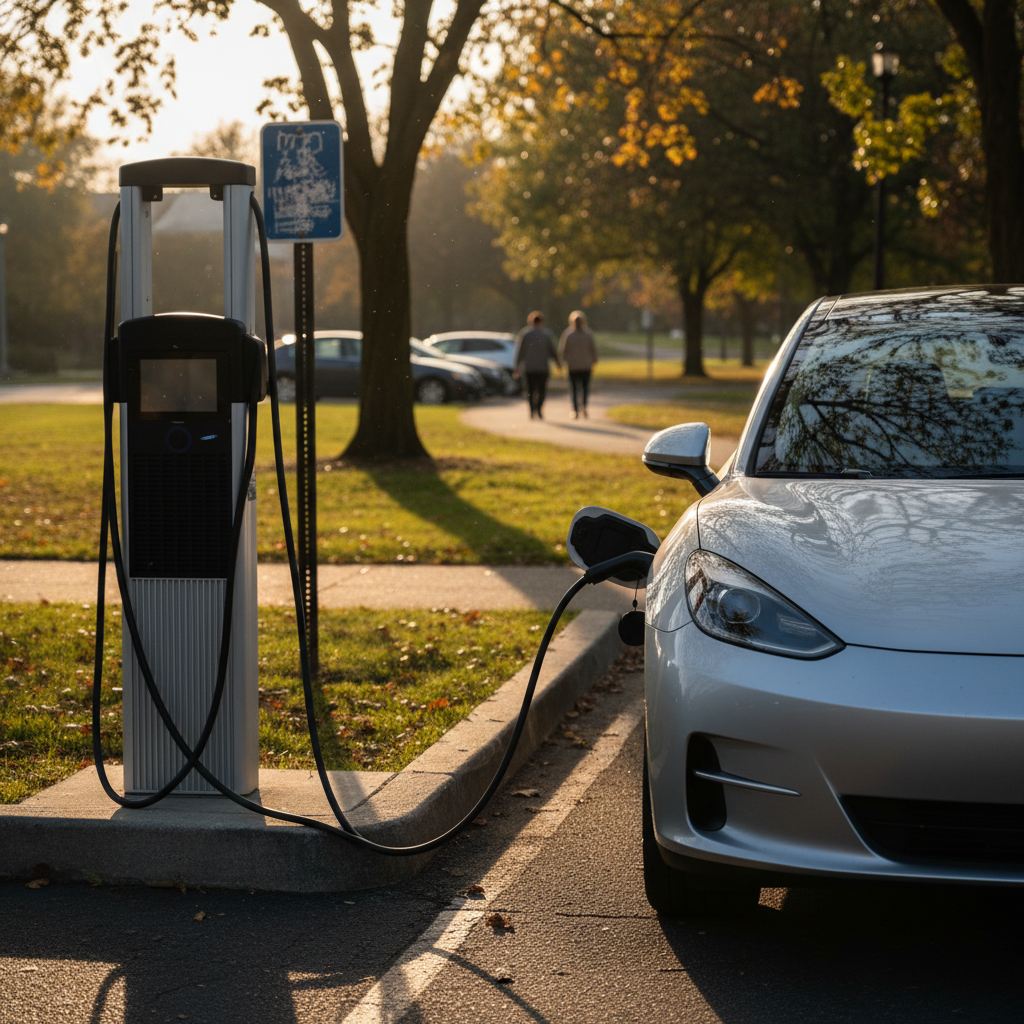
Charging is where living with an EV is made, or broken. Both the Equinox EV and bZ4X support home Level 2 charging and DC fast charging, but their personalities differ once you plug in.
Charging Highlights
At home, the Equinox EV’s 11.5 kW onboard charger is a real quality‑of‑life upgrade. On a 240‑volt Level 2 setup, you can easily fill the battery overnight and add roughly 30+ miles of range per hour of charging. The bZ4X’s 6.6 kW charger is simply slower; think closer to 20 miles of range per hour. If you drive more than 40–50 miles a day and rely on overnight charging, you’ll notice the difference.
On the road, both vehicles can hit about 150 kW on DC fast chargers in their front‑wheel‑drive versions, but the AWD bZ4X is capped around 100 kW. In practical terms, that means longer coffee stops in the Toyota if you want the security of AWD. The Equinox EV’s combination of higher range and solid charging speed makes it the more relaxed road‑trip partner.
Don’t Forget Network Access
Space, Comfort & Driving Feel
Both the Equinox EV and bZ4X are compact crossovers on the outside and roomy five‑seaters on the inside. If you’re cross‑shopping them, you’re likely picturing kids, friends, dogs, or IKEA runs, not just the morning commute.
Living With Each SUV Day to Day
How they feel from the driver’s seat and second row
Chevy Equinox EV
- Cabin vibe: Modern, high‑tech feel with a huge 17.7‑inch central touchscreen and clean dash layout.
- Ride & noise: Quiet, composed, tuned more for comfort than sport.
- Seats & space: Plenty of room for four adults plus gear; cargo space competitive with other compact SUVs.
- Driving character: Easygoing, confident on the highway, not a hot hatch, and doesn’t try to be.
Toyota bZ4X
- Cabin vibe: Distinctive, almost futuristic dash with a lower instrument cluster and available two‑tone materials.
- Ride & noise: Classic Toyota calm; soft, predictable, and unintimidating.
- Seats & space: Similar footprint and usability to the Equinox; slightly different roofline and cargo opening.
- Driving character: Smooth and sensible; AWD versions feel secure in bad weather.
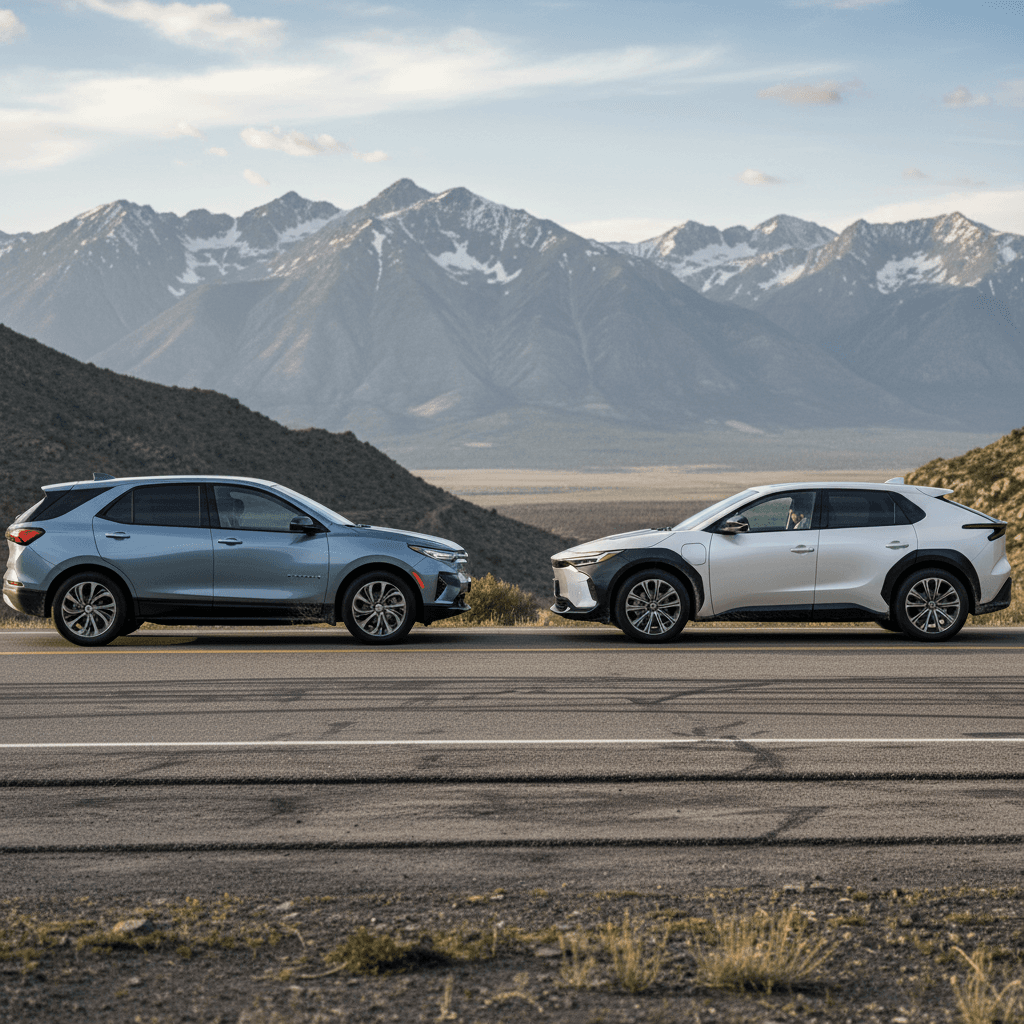
Both of these SUVs are less about stoplight drag races and more about making your daily driving quieter, smoother, and cheaper.
Tech, Safety & Driver Assistance
This is where EVs tend to feel most modern, and both SUVs come loaded with driver‑assistance and safety tech. You’ll find automatic emergency braking, lane‑keeping, adaptive cruise, and a long list of sensors in both cabins.
Equinox EV Tech
- Screen real estate: A massive 17.7‑inch touchscreen anchors the dash, with Google Built‑In on many trims.
- Driver assists: Chevy Safety Assist is standard, and Super Cruise hands‑free driving is available on certain trims and roads.
- Experience: Tech‑forward and smartphone‑like, but some features live behind subscription paywalls in typical GM fashion.
bZ4X Tech
- Screen & interface: Toyota’s latest multimedia system with over‑the‑air updates and connected services.
- Driver assists: Toyota Safety Sense suite includes adaptive cruise, lane‑centering, and more.
- Experience: Less flashy than GM’s screen, but straightforward and familiar to long‑time Toyota owners.
Safety First Either Way
Ownership Costs, Reliability & Resale
One of the biggest reasons shoppers end up in a Toyota showroom is simple: reputation. Toyota’s long history with hybrids and solid reliability record give the bZ4X a built‑in trust factor, even though it’s still a relatively new EV nameplate. The company has also been conservative with fast‑charging recommendations in some markets, prioritizing long‑term battery health.
Chevrolet doesn’t enjoy quite the same halo, but the Equinox EV’s value story is compelling. It offers more range for the money and a battery warranty that’s competitive in the segment (commonly 8 years/100,000 miles for the high‑voltage pack). Its lower starting price versus many similarly ranged EVs can offset some concerns about depreciation, especially if you plan to drive the wheels off it.
Long‑Term Factors to Consider
Battery Warranty & Health
Both SUVs offer multi‑year, six‑figure‑mile battery warranties. Over time, tools like the Recharged Score can help you understand real battery health on a specific used vehicle before you buy.
Charging Habits
If you’ll mostly charge at home and rarely DC fast‑charge, the bZ4X’s smaller battery may be fine. If you’ll rely on public fast charging or drive long distances, the Equinox EV’s larger pack will age more gracefully in daily use.
Depreciation & Resale
Early EVs can depreciate quickly as newer models arrive with more range and faster charging. A well‑priced used Equinox EV or bZ4X with verified battery health can be a smart way to let the first owner absorb most of that drop.
Service Network
Toyota and Chevrolet both have large dealer networks, but EV experience can vary by store. Look for dealers, or independent shops, who are comfortable with EV diagnostics and software updates.
Don’t Skip Battery Health Checks on Used EVs
Which Electric SUV Fits You Better?
Match the EV to Your Life, Not the Other Way Around
High‑Mileage Commuters & Road‑Trippers
Drive 60+ miles a day or do frequent highway runs? The Equinox EV’s range and faster home charging make life easier.
You’ll stop less often, and when you do, a 10‑minute fast‑charge top‑up can add roughly 90–100 miles of range under good conditions.
If you’re planning cross‑country trips, prioritize the Equinox EV, or any EV, based on real‑world range first.
Suburban Errands & Short Commutes
If most of your trips are under 30 miles and you can plug in nightly, the bZ4X’s range is usually plenty.
Toyota’s traditional, calm driving experience may appeal more if you’re coming from a Camry or RAV4.
AWD bZ4X trims offer extra peace of mind in snow, even if they cut into range.
First‑Time EV Owners on a Budget
Look for well‑priced Equinox EVs with lower miles; the value‑to‑range ratio is excellent.
A used bZ4X can also be smart if you snag one at the right price and confirm battery health.
Either way, run the numbers on home charging vs gas, most households see meaningful monthly savings once they plug in.
Snowbelt & Mountain Drivers
AWD bZ4X provides mechanical traction and Toyota’s long all‑weather experience.
The Equinox EV’s eAWD variants (where available) can also handle bad weather, but you’ll want to compare local inventory and incentives.
Range still matters; if your winter trips are long and remote, don’t discount the Equinox EV’s larger battery.
Bottom Line Verdict
Buying Used: Equinox EV vs bZ4X
As more Equinox EVs and bZ4X models hit the road, the used market is where things get really interesting. Early depreciation on new EVs can translate into serious value for second owners, if you know what you’re looking at.
Tips for Shopping These EVs Used
How to protect yourself and find a great deal
1. Start with Battery Health
2. Compare Real Monthly Costs
3. Think About Where You Drive
How Recharged Fits In
FAQ: Chevy Equinox EV vs Toyota bZ4X
Frequently Asked Questions
The Chevy Equinox EV vs Toyota bZ4X matchup isn’t about right or wrong, it’s about what fits your life. The Equinox EV is the clear winner on range and charging speed, making it a strong everyday workhorse and road‑trip partner. The bZ4X leans on Toyota familiarity and comfortable, sensible manners that will feel instantly recognizable if you’ve been in a RAV4 or Camry. When you’re ready to make the jump, or to find one gently used, Recharged can help you compare real vehicles, verify battery health, and get into the electric SUV that actually matches the way you drive.