If you’re watching Chevy Bolt EV resale value, you’re not alone. The Bolt is one of the most affordable long‑range EVs ever sold in the U.S., but it’s also been through recalls, a cancellation, and now a 2027 relaunch. All of that makes its depreciation curve different from almost any other EV on the road.
In this guide
Why Chevy Bolt EV resale value matters right now
The Bolt sits at the intersection of three big trends: affordable EV pricing, rapidly evolving battery tech, and a used‑EV market that’s still finding its footing. For many households, a used Bolt EV or EUV is the cheapest way to get 230+ miles of range, DC fast charging, and modern safety tech without going deep into five‑figure financing.
- Early Bolt EVs (2017–2019) are now budget EVs competing with older Nissan Leafs and Prius Primes.
- Mid‑cycle cars (2020–2022) bridge the gap between the recall years and the price‑cut years.
- Late cars (2023 EUV and final 2023 hatchbacks) combine low MSRPs with relatively modern tech.
- A new, redesigned 2027 Bolt on GM’s latest platform is scheduled to hit dealers starting in early 2026, putting the nameplate back in the spotlight.
Naming confusion ahead
Where Chevy Bolt EV resale values stand today
Chevy Bolt EV depreciation snapshot (early 2026)
Put simply, the Bolt depreciates faster than the average gasoline compact, especially in the first few years, but the curve starts to flatten as the car ages. Older cars that have already taken their big hit can look like tremendous value if their battery health checks out.
Model year matters more than miles
Key forces shaping Chevy Bolt EV resale value
What’s really moving Bolt EV prices?
Four big levers every owner and shopper should understand
1. Battery reputation & warranty
The Bolt’s pack is its single most valuable component. Early warranty language left room for up to 40% capacity loss over 8 years/100,000 miles, but real‑world data has generally been kinder. Buyers now watch battery state of health as closely as mileage.
2. Recall history and replacement packs
Battery fire recalls on 2017–2019 cars (and some later VINs) hurt values initially. But cars that received new replacement packs often enjoy a second life in the used market, effectively resetting battery age in buyers’ eyes.
3. Fast‑moving tech and incentives
Every new EV launch, tax credit tweak, or charging‑standard change reshapes used EV pricing. The shift to NACS fast‑charging ports and newer software platforms makes some used EVs feel "older" sooner, even when they still drive beautifully.
4. The 2027 Bolt relaunch
The upcoming 2027 Bolt, with an LFP battery, quicker charging, and access to Tesla Superchargers out of the box, will reset expectations for what a sub‑$30k EV can do. That doesn’t make older Bolts obsolete, but it does cap how high used prices are likely to climb.
What this means in plain English
Battery health, recalls, and long-term confidence
Any resale forecast for the Chevy Bolt EV has to start with the battery story. GM originally cautioned that capacity could fall by as much as 40% within the 8‑year/100,000‑mile warranty window, but long‑term fleet data and owner reports have been far more positive.
- Independent analyses and owner reports typically show 10–15% battery degradation around 100,000 miles, with many Bolts doing even better when they’re not fast‑charged constantly.
- Some early cars hit the headlines for battery fires, resulting in a major recall campaign and, in many cases, brand‑new replacement packs. Those cars can be resale winners if the replacement was done and properly documented.
- Newer packs and conservative charge‑management software seem to have stabilized capacity over the long haul, easing the worst resale fears that swirled back in 2020–2021.
Battery health can be a selling point
Ready to find your next EV?
Browse Vehicles
The recall stigma lingers, but it’s fading
5-year Chevy Bolt EV resale value forecast by generation
Forecasts are always educated guesses, but the Bolt has enough history now to see some patterns. Below is a high‑level view of where values are likely headed between now (2026) and roughly 2030, assuming no major shocks to EV incentives or fuel prices.
Chevy Bolt EV/EUV resale value outlook (rough guide)
Approximate retained value vs. original MSRP for typical, well‑maintained examples. Actual numbers vary with mileage, region, battery health, and trim.
| Bolt group | Typical age in 2026 | Current retention vs. MSRP | Expected retention by ~2030 | Key notes |
|---|---|---|---|---|
| 2017–2018 (original pack or early replacement) | 8–9 years | ~30–35% | ~15–20% | Already heavily depreciated; values mostly track battery health and condition. |
| 2017–2019 with late recall replacement pack | 6–9 years body, 2–4 years battery | ~35–45% | ~25–30% | Younger pack helps shore up values; may behave more like a newer EV in buyer eyes. |
| 2020–2021 | 4–6 years | ~40–45% | ~25–30% | Steep first‑five‑year hit largely behind them; should settle into slower depreciation. |
| 2022 (post‑refresh price cuts start) | 3–4 years | ~50–60% | ~35–40% | Lower original MSRP supports stronger long‑term percentage retention. |
| 2023 Bolt EV/EUV (final year, lowest MSRP) | 2–3 years | ~65–70% | ~45–50% | Combination of low MSRP and decent tech should keep these relatively strong through 2030. |
Earlier, higher‑MSRP cars have already taken most of their depreciation hit; later, cheaper Bolts will lose value more slowly in percentage terms.
How the 2027 Bolt changes the math
Baseline scenario (most likely)
- Used Bolt values drift down gradually, with 2017–2019 cars losing another 10–15 percentage points of MSRP by 2030.
- 2022–2023 Bolts stabilize around the mid‑30s to 40% retention range late in the decade, assuming battery health holds up.
- Cars with replacement packs, clean histories, and documented service consistently sit at the top of the pricing band.
Upside scenario (stronger values)
- Gas prices remain high and new EV inventory stays tight, pushing more buyers toward efficient used EVs.
- Positive long‑term battery data and the Bolt’s reputation as a cheap‑to‑run commuter lift demand.
- In this case, older Bolts might hold 5–10 percentage points more than the baseline table suggests.
How the Bolt’s depreciation compares to other affordable EVs
The Bolt isn’t the only affordable EV with a devoted fan base. Nissan Leaf, Hyundai Kona Electric, and various plug‑in hybrids all compete for the same used‑car shopper. Where the Bolt stands out is the combination of real‑world range, battery durability, and price.
Bolt vs. other budget EVs: resale themes
Not scientific to the penny, but directionally helpful if you’re cross‑shopping
Nissan Leaf
- Earlier Leafs (especially 24 kWh cars) lack liquid cooling.
- Faster capacity loss in hot climates pushed values down.
- Good city cars, but many buyers will pay more for a Bolt’s range and battery robustness.
Hyundai Kona Electric / Kia Niro EV
- Stronger long‑term battery data and good efficiency.
- Often hold value slightly better than the Bolt in percentage terms.
- But their higher original MSRPs can keep absolute used prices higher than a comparable Bolt.
Plug‑in hybrids (e.g., Prius Prime)
- Slower tech obsolescence and no range anxiety.
- Resale often stronger than early EVs.
- Bolt undercuts many of them on price per mile of electric range.
A practical rule of thumb
Strategies for current Bolt owners to protect resale value
Owner playbook: How to defend your Bolt’s value
1. Document every recall and battery update
Keep printouts or screenshots confirming that major recalls, including the battery fire campaign, have been completed. A car with a verified replacement pack can bring meaningfully more money than one without paperwork.
2. Get an objective battery health report
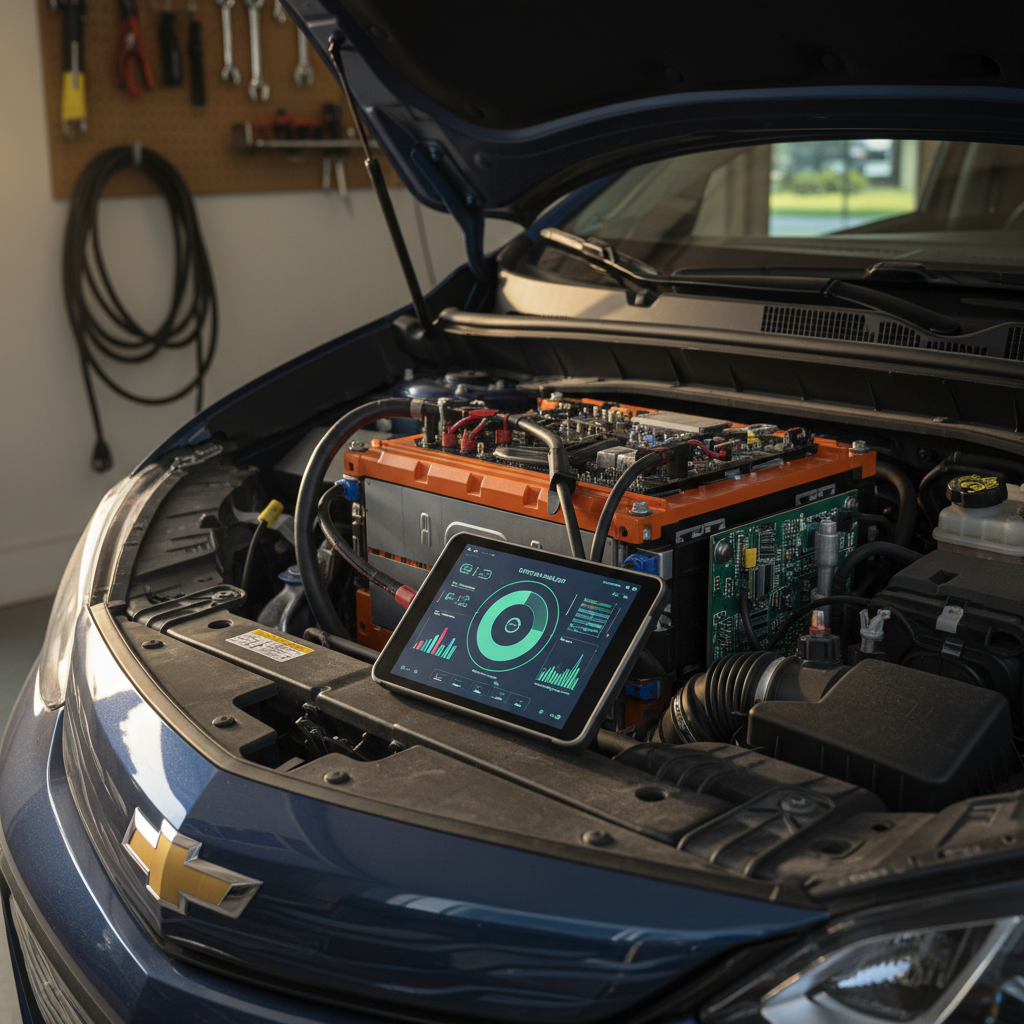
Before you sell or trade, invest in a professional <strong>battery state‑of‑health check</strong>. On Recharged, our Recharged Score gives buyers a clear picture of pack condition, which can translate directly into stronger offers.
3. Charge and store to favor longevity
Avoid living at 100% or 0% state of charge. Daily charging to 70–80% and minimizing high‑temperature fast‑charging sessions are easy ways to keep capacity loss slow and predictable.
4. Maintain software and charging hardware
Keep your Bolt’s software up to date and address any DC fast‑charging quirks early. Buyers care about how the car performs at public chargers, not just what it does in your driveway.
5. Fix cosmetic issues before listing
Small investments, paintless dent repair, a wheel refinish, a good interior detail, can nudge your car into a higher price band. On an affordable EV, appearance can swing hundreds or even thousands of dollars.
6. Time your sale around incentives and model launches
If the 2027 Bolt hits showrooms with aggressive lease offers, used Bolt prices could soften temporarily. If you’re planning to sell in the next year or two, watch new‑car incentives and consider listing before a local glut of new inventory arrives.
What hurts Bolt resale the most
How to shop smart for a used Chevy Bolt EV
If you’re coming to the Bolt as a shopper rather than an owner, you’re trying to balance low purchase price against long‑term confidence. The good news: there are a lot of Bolts out there, which lets you be picky.
What to prioritize
- Battery health documentation – Look for a recent diagnostic or Recharged Score report rather than guessing from dash range estimates.
- Recall completion – Verify that battery and software recalls are fully closed out.
- Usage pattern – A commuter Bolt that mostly Level‑2 charges at home will usually age better than a rideshare car fast‑charged every day.
- Model year and price cuts – 2022–2023 cars started cheaper new, so they can feel like bargains when they show up used.
Where Recharged fits in
On Recharged, every used electric vehicle, including the Chevy Bolt EV and EUV, comes with:
- A Recharged Score battery health report based on diagnostics, not guesswork.
- Transparent, data‑backed pricing that reflects real‑world depreciation, not wishful thinking.
- Financing, trade‑in options, and nationwide delivery from a team that deals with EVs all day, every day.
If you’re unsure how a particular Bolt’s price stacks up, our EV specialists can walk you through total cost of ownership and resale outlook before you commit.
Which used Bolt years fit which shopper?
Very general guidance, there are always exceptions based on condition, options, and local pricing.
| Shopper profile | Best starting years | Why they fit |
|---|---|---|
| Lowest possible entry price | 2017–2018 (with documented battery work) | Often the cheapest way into 200+ miles of range, if the pack is healthy and the recall is complete. |
| Balance of price and features | 2019–2021 | Refinements over the earliest cars without the highest 2022–2023 asking prices. |
| Longest horizon ownership | 2022–2023 Bolt EV/EUV | Newer packs, lower original MSRPs, and fresher tech for buyers planning to keep the car 5–8+ years. |
Think of these as starting points. Battery health and history still trump everything else.
Is the Chevy Bolt EV a good bet through 2030?
Looking out to around 2030, the Chevy Bolt EV and EUV still look like compelling used buys for anyone who values efficient commuting over the very latest infotainment or charging speeds. Values on 2017–2020 cars are unlikely to rebound; they’ll simply grind lower until battery health or age takes them off the road. But 2022–2023 Bolts, in particular, combine low purchase prices with solid batteries and usable range, which should keep them relevant far longer than their sticker prices suggest.
From a resale perspective, the key questions for any individual Bolt are simple: How healthy is the battery, what’s the recall history, and what did this car cost new? Get clear answers to those, and you can make a confident decision. If you’d like help interpreting the numbers on a specific Bolt, or comparing it with other used EVs, Recharged can provide the data, the battery diagnostics, and the EV‑savvy guidance to make your next move a smart one.