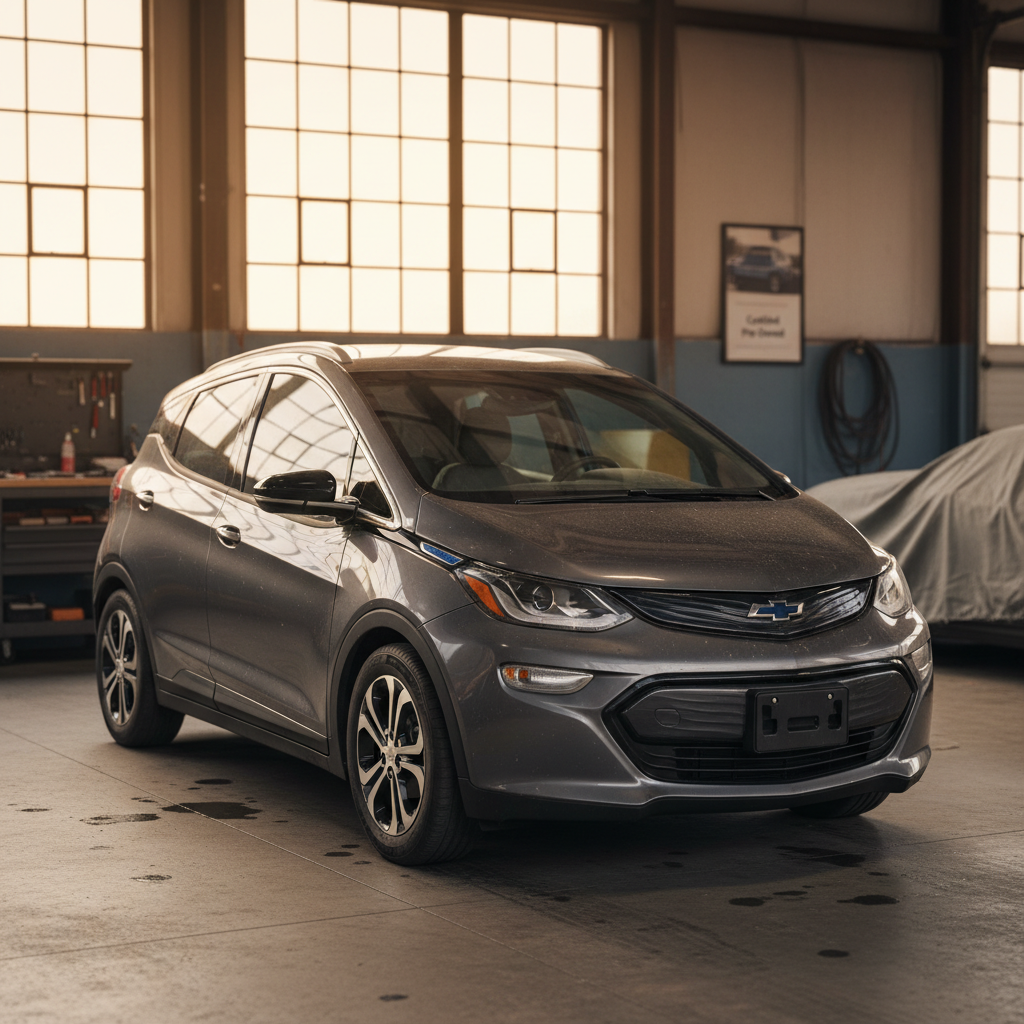
If you’re looking at a Chevy Bolt EV or EUV, you’re probably doing the math on running costs, electricity, maintenance, and yes, **Chevy Bolt EV insurance cost**. The good news is that the Bolt tends to be cheaper to insure than many other electric cars, but your actual premium can swing hundreds of dollars a year depending on your age, location, and how you set up your policy.
Why the Bolt is its own story
Chevy Bolt EV insurance cost: the short version
Chevy Bolt EV insurance snapshot (typical ranges)
Every insurer prices differently, so there’s no single number that works for everyone. But for many drivers in the U.S. with decent credit and a clean record, **full coverage on a Chevy Bolt EV or EUV often lands around $110–$150 per month**. Younger drivers, dense urban areas, and state-specific rules can push that higher; older drivers in lower-risk ZIP codes may see significantly less.
Take every average with a grain of salt
Average Chevy Bolt EV & EUV insurance costs
Insurance companies don’t publish a neat price list for each model, but we can talk in realistic bands based on what drivers and major quote tools report for compact EVs like the Bolt.
Typical Chevy Bolt EV & EUV insurance cost ranges
Approximate full-coverage premiums for a single driver, U.S. national averages. Your state and personal profile can put you outside these bands.
| Driver profile & situation | Annual premium (approx.) | Monthly (approx.) | What this usually looks like |
|---|---|---|---|
| Experienced driver, clean record, lower-risk suburb | $1,200–$1,600 | $100–$135 | 30s–50s, good credit, modest commute, garaged, no recent claims. |
| Young driver (under 25), clean record | $1,800–$2,600+ | $150–$220+ | College or early-career driver on their own policy; rates spike for any tickets or at-fault crashes. |
| Urban driver in higher-cost state (CA, FL, NY, etc.) | $1,700–$2,300 | $140–$190 | More traffic, higher repair costs, and theft risk raise premiums. |
| Older driver with long clean history | $1,000–$1,400 | $85–$120 | 50s–60s, strong credit, multiple policies bundled with same insurer. |
| State-minimum liability only (older Bolt, no loan) | $500–$900 | $40–$75 | Only legal minimums, no collision or comprehensive, risky if the car still has meaningful value. |
These are directional ranges, not quoted prices. Always compare real quotes before deciding.
Quick way to sanity‑check your quote
What actually drives your Bolt EV insurance rate
Insuring a Chevy Bolt EV isn’t just about the car. Insurers crunch a long list of risk factors to decide what you’ll pay. The Bolt happens to do well on some of those factors, small size, strong safety ratings, while EV hardware can push costs the other way.
The biggest factors behind your Chevy Bolt EV insurance cost
Some you control, some you don’t, but all of them matter.
1. You as a driver
Age, driving record, credit (where allowed), and even how long you’ve carried continuous insurance all feed the algorithm.
Clean, stable histories mean cheaper Bolt insurance.
2. Where you live and park
Dense traffic, higher theft rates, and pricier repairs push premiums up. A Bolt parked on a quiet driveway in the suburbs costs less to insure than one on a busy city street.
3. Claim and accident history
At‑fault crashes, speeding tickets, and comprehensive claims (hail, vandalism) can stick with you for years. The Bolt doesn’t erase your history; it just reacts to it.
4. Coverage and deductibles
More coverage and lower deductibles mean more protection but higher cost. Choosing a $500 vs. $1,000 deductible can swing your Bolt premium noticeably.
5. Repair & parts costs
EV components, especially batteries and high‑voltage systems, are expensive. Even though the Bolt is compact, one big parts bill can influence how insurers price the model line.
6. Discounts and bundles
Multi‑car, home + auto, telematics, EV‑specific, and safe‑driver discounts can quietly knock 10–30% off your Bolt EV insurance bill if you stack them smartly.
EVs add a couple of twists
Battery recalls, safety ratings, and how insurers see the Bolt
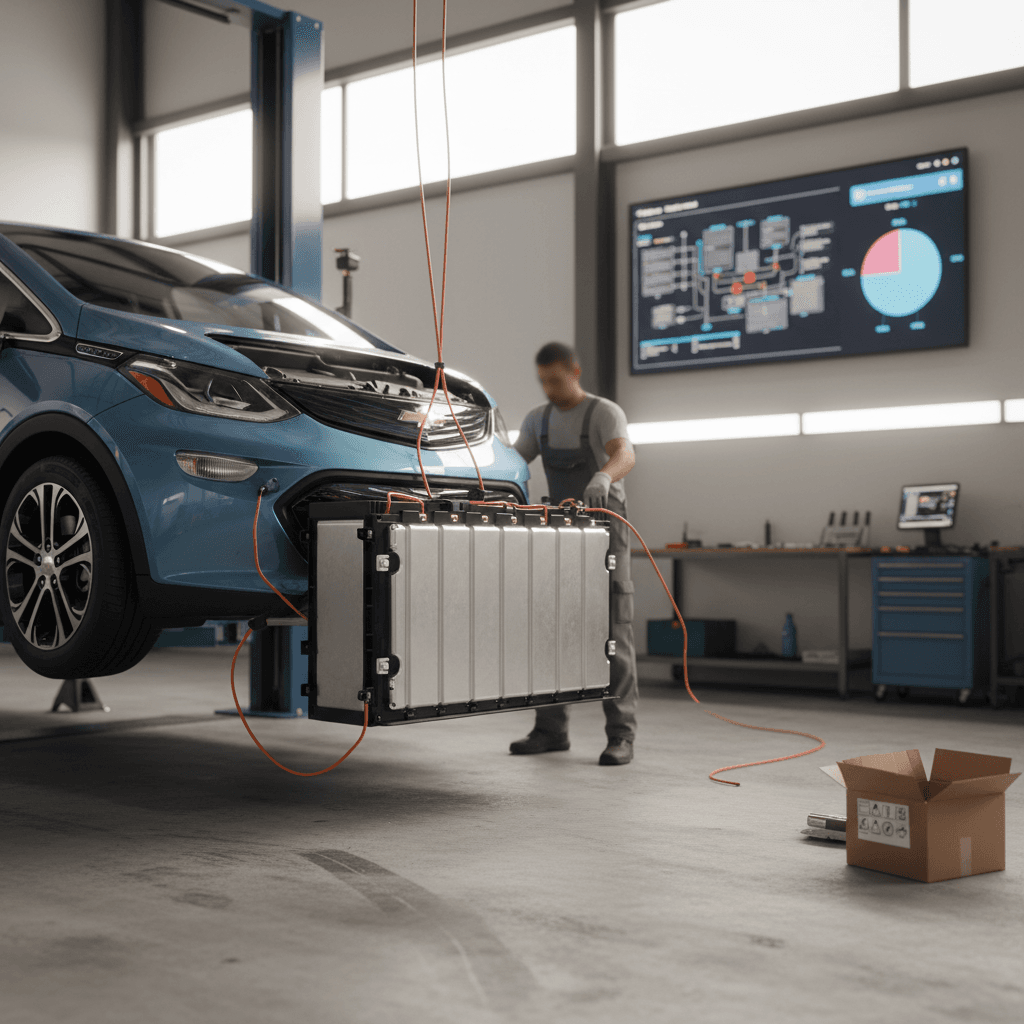
If you’ve followed Chevy Bolt news, you know about the high‑profile **battery recall** on earlier Bolt EVs and EUVs and the unusual step of replacing large numbers of packs. Understandably, owners worry that might haunt them when they shop for insurance.
How insurers generally treat the recall
- Major recalls are baked into the industry’s loss data for a model.
- Once an issue is addressed, like replaced battery packs, insurers mostly look forward, not backward.
- They care more about how often Bolts are crashed, stolen, or totaled now than what happened five years ago.
If your Bolt has had its recall work done and is documented, the recall itself usually isn’t a direct line item in your premium.
The upside: strong safety scores
- Compact footprint and lots of standard safety tech help the Bolt perform well in crash testing.
- Good crashworthiness and effective airbags mean fewer severe injury claims.
- That puts the Bolt in better company than some larger, heavier EVs when actuaries run their numbers.
In plain language: the Bolt doesn’t look scary to insurance companies. That’s one reason its premiums often undercut pricier electric crossovers.
Where a Recharged Score helps
Ready to find your next EV?
Browse VehiclesHow coverage levels change what you pay
Two Bolt EV owners with the same driving history can have wildly different premiums simply because they chose different coverage. If you’re moving from a gas car to your first EV, it’s worth slowing down and understanding how the dials work.
Coverage choices and their impact on Chevy Bolt EV insurance cost
Common ways Bolt owners configure their policies and what each approach means for cost and risk.
| Coverage style | What it includes | When it makes sense | Cost impact |
|---|---|---|---|
| Bare‑minimum (liability only) | Meets state minimums for bodily injury and property damage. No collision/comprehensive on your Bolt. | Older, low‑value Bolt that you could afford to replace out of pocket; no loan or lease. | Lowest premium, but you’re on the hook if the car is stolen or totaled. |
| Standard full coverage | Liability + collision + comprehensive, moderate liability limits, $500–$1,000 deductibles. | Daily driver with a loan or lease, or any Bolt you’d struggle to replace yourself. | Most common setup; balances premium with realistic protection. |
| High‑limit, low‑deductible | High liability limits, maybe umbrella coverage, $250–$500 deductibles, extras like new‑car replacement or glass. | Higher‑income households, urban drivers, or those who want to shield assets from lawsuits. | Highest premiums, but also the least financial shock if something goes wrong. |
| Usage‑based / telematics plan | App or plug‑in device tracks miles, braking, time of day; good drivers earn big discounts. | You’re a smooth, daylight‑hour commuter or work from home and don’t rack up miles. | Can cut costs significantly, especially if you drive your Bolt less than average. |
Not every option is right for every driver. Match your coverage to your financial comfort zone and how you use your Bolt.
Don’t skimp on liability to save a few bucks
Nine ways to lower your Chevy Bolt EV insurance cost
You can’t change your age or move three states over just to insure a Chevy Bolt EV. But you do control more than you might think. Here are practical levers you can pull, especially if you’re looking at a used Bolt and want to keep total ownership costs in check.
Bolt EV insurance savings checklist
1. Shop at least 3–4 insurers
Different companies treat EVs, and the Bolt in particular, very differently. Big national names, regional insurers, and even credit‑union‑backed carriers can all land in different places on the same car.
2. Ask about EV‑specific discounts
Some carriers quietly offer lower rates for electric cars or for drivers who insure a home with solar. Your Bolt’s efficiency might unlock small but real price breaks.
3. Consider a telematics or "safe‑driver" program
If you’re a gentle accelerator and mostly drive in daylight, usage‑based programs can shave 10–30% off your premium over time. EVs like the Bolt score well here because they encourage smoother driving.
4. Dial in the right deductibles
Raising a $500 collision deductible to $1,000 can cut your premium, but only go as high as you’re comfortable paying out of pocket after a crash. The goal is balance, not bragging rights.
5. Review coverage on an older Bolt
On an older, high‑mileage Bolt EV with a modest market value, it can make sense to drop collision or comprehensive, especially if you own it outright. Run the numbers before you decide.
6. Bundle home and auto if you can
Putting your Bolt and your home or renters policy under the same roof often triggers multi‑policy discounts. That’s an easy, low‑effort way to save without touching coverage levels.
7. Clean up tickets and minor claims
If you’re a year or two away from an old speeding ticket falling off, re‑shopping your Bolt’s insurance when that happens can pay off. Insurers reward clean streaks.
8. Limit pricey add‑ons you don’t need
Rental car coverage, roadside assistance, and glass riders can be valuable, but if your EV ownership plan already covers these elsewhere, don’t pay twice through your auto policy.
9. Buy the right Bolt in the first place
A well‑documented, accident‑free used Bolt with strong battery health and completed recalls is easier to insure confidently. Recharged’s <strong>Recharged Score Report</strong> gives you that snapshot up front so you’re not guessing when you pick coverage.
Insuring a used Chevy Bolt EV or EUV
Used Bolts are where things get interesting. You’re often paying far less for the car than the original owner did, but many insurers still use repair and replacement cost data gathered when those cars were nearly new. That gap can work in your favor, or against you, depending on how you structure your policy.

- Actual cash value matters more as Bolts age. Collision and comprehensive are always capped by what the car is worth today, not what you paid for it. As prices for used Bolts soften, you may eventually outgrow the need for full coverage.
- Battery health can influence your comfort level. A used Bolt with a strong, verified battery is worth protecting for longer. That’s where a Recharged Score battery report adds real-world context to your insurance decisions.
- Rebuilt titles and prior damage complicate things. If you’re considering a previous total loss or heavily repaired Bolt, expect fewer insurer options and higher premiums, if they’ll write the policy at all.
- Lenders will insist on full coverage. If you finance your used Bolt, the bank will require collision and comprehensive with specific deductible limits. Plan for that in your monthly budget.
How Recharged helps before you ever call an agent
Is EV insurance more expensive than gas cars?
Sometimes, yes. Sometimes, no. It depends heavily on which EV you’re talking about and what you’re comparing it to. A Chevy Bolt EV or EUV usually sits closer to a modest gas hatchback than to a luxury crossover in the insurance world.
Where EVs cost more to insure
- Costly components (batteries, power electronics) make severe crashes expensive.
- Shorter repair networks for EV‑specific work can mean higher labor bills.
- Some insurers still don’t have as much data on long‑term EV repair trends.
Where the Bolt closes the gap
- Compact size and strong safety performance help control injury claims.
- Many Bolt drivers commute short distances and charge at home, less exposure.
- The car’s price tag undercuts most premium EVs, which softens comprehensive and collision costs.
If you’re cross‑shopping a Bolt EV against, say, a small gas crossover, you may find insurance within shouting distance, especially once you factor in EV‑specific discounts.
Chevy Bolt EV insurance cost: FAQ
Frequently asked questions about Chevy Bolt EV insurance
Bottom line on Chevy Bolt EV insurance costs
When you strip away the mystery, **Chevy Bolt EV insurance cost** is less about the car being electric and more about all the usual suspects: your driving history, your ZIP code, and the coverage you choose. The Bolt’s compact size, strong safety record, and sensible price tag help keep it in the more affordable corner of the EV world, especially when you cherry‑pick discounts and smart coverage limits.
If you’re considering a used Bolt, start by making sure the car itself is solid, clean history, completed recalls, and healthy battery. That’s exactly what Recharged’s Recharged Score Report is built to surface, so you’re not insuring an unknown. From there, take an hour to collect a few quotes, experiment with deductibles, and bundle where it makes sense. Do that, and your Bolt’s insurance bill should feel like one of the easier parts of EV ownership, not the surprise that blows up your budget.