If you’re looking at a Chevy Bolt EV, there’s a good chance you’ve seen the 0–60 numbers tossed around and wondered what they really mean. On paper, the Chevy Bolt EV 0–60 time sits in the mid‑6‑second range, quicker than many gas compact cars and right in the sweet spot for confident everyday driving.
Headline 0–60 numbers
Chevy Bolt EV 0–60 basics
For the 65‑kWh Chevy Bolt EV built from 2017 through 2023, independent instrumented tests typically show 0–60 mph in about 6.5 seconds. One oft‑cited figure is 6.5 seconds from 0–60 mph, supported by multiple road‑test outlets that have clocked the Bolt in the mid‑6‑second bracket. In other words, it’s not a drag-strip monster, but it’s respectably quick for a practical compact hatchback.
Chevy Bolt EV performance snapshot
For day‑to‑day driving, those numbers put the Bolt EV in the same straight‑line performance ballpark as a modern compact hatch with an upgraded gas engine. The difference is how the Bolt delivers that shove: instant electric torque, with all 266 lb‑ft available from essentially zero rpm. Around town, that makes the car feel even quicker than the 0–60 spec suggests.
Read the fine print on 0–60 tests
Bolt EV vs. Bolt EUV: 0–60 compared
Chevrolet added the slightly larger Bolt EUV for the 2022 model year. It shares the same basic powertrain, 200 horsepower and 266 lb‑ft of torque, but it’s a bit heavier and wears more crossover‑style sheetmetal. That shows up in the stopwatch.
Chevy Bolt EV vs. Bolt EUV: 0–60 comparisons
Representative 0–60 mph figures from multiple independent tests for the most recent generation.
| Model / Year | Typical 0–60 mph | Typical ¼‑mile time | Notes |
|---|---|---|---|
| Bolt EV (2017–2023) | ~6.4–6.6 s | ~15.0–15.5 s | Quicker thanks to lighter weight |
| Bolt EUV (2022–2023) | ~6.7–7.0 s | ~15.2–15.7 s | Slightly slower but still lively |
| Future 2027 Bolt (projected) | Est. mid‑6 s | TBD | Next‑gen model with updated battery and charging, performance details still emerging |
Both models are brisk, but the lighter Bolt EV holds a small edge in straight‑line acceleration.
EUV: A small trade‑off for more space
How quick does the Bolt feel in real life?
Numbers are one thing; everyday drivability is another. What makes the Bolt enjoyable is its immediate response from a stop. Tap the accelerator and the car steps smartly away from lights. There’s no waiting for a transmission to kick down or a turbo to spool up, just smooth, linear thrust.
In the city
- Instant torque makes the Bolt feel "eager" up to about 40 mph.
- Single‑pedal driving maximizes regen and keeps things smooth.
- Short bursts from 0–30 mph (around 2.8 seconds in many tests) make merging and gaps easy to exploit.
On the highway
- 50–70 mph passing happens in roughly 3.5 seconds in independent tests, so there’s no problem overtaking.
- Top speed is limited to just over 90 mph, which is plenty for U.S. interstates.
- Power tapers off above 75 mph, as with most efficiency‑focused EVs.
The bottom line on feel
Quarter mile, passing power, and top speed
Acceleration isn’t just about the 0–60 blast. For safety and comfort, you should also think about passing power and how the car behaves when you’re already at speed. Instrumented tests typically show the Bolt EV running the quarter mile in the low‑to‑mid‑15‑second range at about 92–93 mph. The EUV is just a hair behind.
- Quarter mile: roughly 15.0–15.5 seconds at around 92–93 mph for the Bolt EV
- Passing performance: about 2.5 seconds from 30–50 mph and 3.5 seconds from 50–70 mph in published tests
- Top speed: electronically limited to roughly 93 mph for both EV and EUV
Not a high‑speed performance car
Chevy Bolt 0–60 vs. common rivals
On 0–60 alone, the Bolt EV and EUV land in a sweet spot: quicker than many mainstream EVs and hybrids, but not in the league of performance‑oriented models. That balance suits shoppers who want usable speed without paying for big‑motor, big‑battery powertrains.
How the Bolt’s 0–60 compares
Representative figures for popular EVs and efficient gas competitors
Chevy Bolt EV
0–60 mph: ~6.5 s
Quickest of this group in real‑world testing, especially off the line.
Chevy Bolt EUV
0–60 mph: ~6.7–7.0 s
Just a fraction slower than the EV but with more rear room.
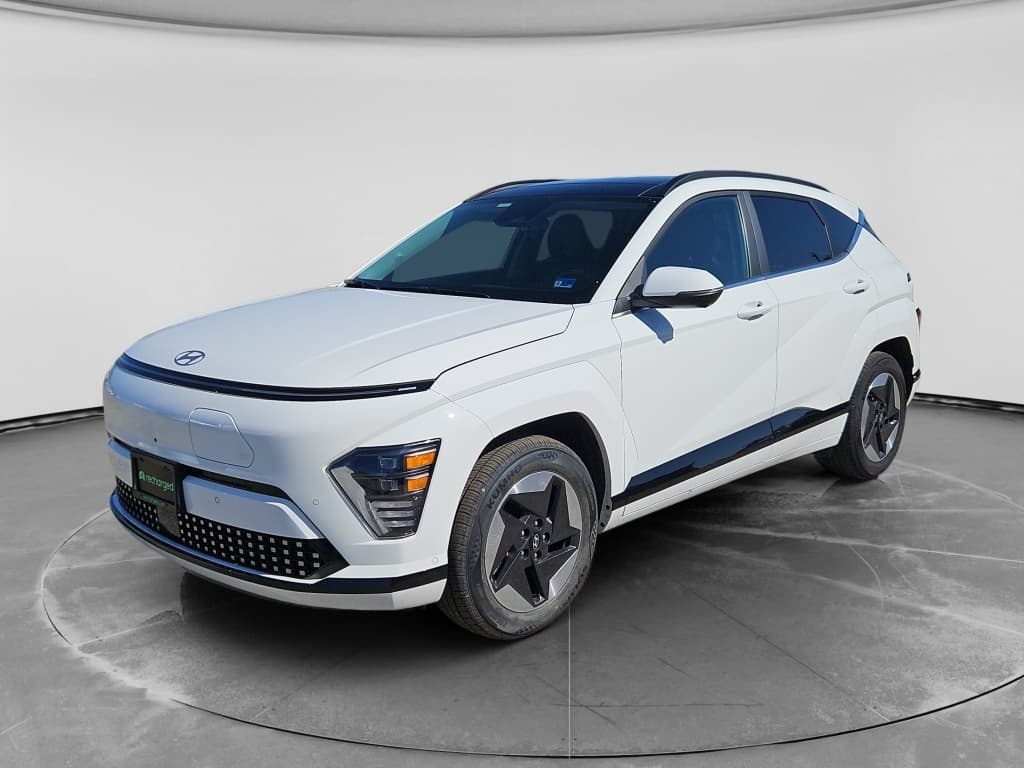
Hyundai Kona Electric
0–60 mph: ~9.0+ s
Efficient and well‑equipped, but noticeably slower in sprints.
Kia Niro EV (earlier gen)
0–60 mph: mid‑9 s range
Pleasant commuter, but can’t match the Bolt’s initial punch.
Toyota Prius (hybrid)
0–60 mph: around 9.5+ s
Frugal but far slower. The Bolt will feel like a big step up in performance.
Premium EV crossovers
0–60 mph: ~5.0 s and quicker
Faster, but also far more expensive and often heavier on energy use.
Think beyond the drag race
5 factors that change your Bolt’s 0–60 time
That mid‑6‑second 0–60 time is a baseline. In the real world, several variables can make your Bolt feel quicker or more sluggish on a given day. If you’re test‑driving, or evaluating a used Bolt, keep these factors in mind.
What really affects your 0–60
1. State of charge
EVs often deliver their best performance at moderate to high charge levels. A Bolt at 80% charge will typically accelerate more eagerly than one at 10–15%.
2. Battery temperature
In very cold or very hot weather, the car may limit power to protect the battery. That can add noticeable time to a 0–60 run, especially right after start‑up on a winter morning.
3. Tire type and condition
Low‑rolling‑resistance tires help efficiency but don’t always offer maximum grip. Worn tires or underinflation can hurt both traction and acceleration.
4. Road surface and grade
A slight uphill grade or rough surface can easily add a few tenths of a second to your 0–60. Conversely, a smooth, level surface helps you see the Bolt at its best.
5. Vehicle load
Passengers, cargo, and accessories like a roof rack all add weight. More weight means slower acceleration, especially beyond city speeds.
Safety first when testing 0–60
Using 0–60 specs when shopping used
When you’re shopping a used Chevy Bolt EV or EUV, 0–60 specs are one piece of the puzzle. They tell you that, when healthy, the car should move with authority. Where they’re most useful is as a benchmark: if a test drive in a supposedly healthy Bolt feels noticeably slower than what you’d expect from a ~6.5‑second 0–60 car, it’s worth asking why.
What 0–60 tells you
- The Bolt should have no trouble merging onto 65–75 mph freeways.
- Passing slower traffic on two‑lane roads should be confidence‑inspiring.
- The car’s performance is comparable to or better than most non‑performance compact cars.
What 0–60 does not tell you
- Battery health or remaining capacity.
- How the previous owner charged or maintained the car.
- Whether all recall and software updates have been completed.
Why battery health matters more than 0–60
At Recharged, every Bolt we list comes with a detailed Recharged Score Report that includes verified battery health and fair‑market pricing. That takes a lot of the guesswork out of comparing a "strong"‑feeling example with one that seems sluggish or has questionable history.
How to test-drive and judge performance
A proper test drive tells you more than any spec sheet. When you’re evaluating a Bolt EV or EUV, you want to understand not just how it accelerates in a straight line, but how it feels in the situations you face every day, merging, passing, climbing grades, and navigating city traffic.
Smart test‑drive routine for a Bolt EV or EUV
1. Start with at least 50% charge
Ask the seller or dealer to have the car above half charge. That gives you a realistic sense of how the car accelerates in typical daily use.
2. Do a few city‑speed launches
From a stop, accelerate briskly to 35–40 mph a couple of times. The car should feel eager, without hesitation or unexpected noises from the drivetrain.
3. Merge onto a highway
Use a freeway on‑ramp to accelerate up to 65–70 mph. You don’t need to floor it, but the car should reach traffic speed comfortably before the end of the ramp.
4. Try a 50–70 mph pass
On a clear stretch of highway, go from about 50 mph to 70 mph with firm throttle. You’re looking for smooth, steady pull and no excessive motor whine.
5. Listen and feel
Strong EVs feel almost effortless under acceleration. If the car feels dull, surges oddly, or displays warnings, that’s a sign to ask for a deeper inspection.
6. Review history and diagnostics
Combine your seat‑of‑the‑pants impression with a battery health report, recall history, and service records. A clean paper trail plus a confident drive is what you’re after.
Leaning on expert support
Ready to find your next EV?
Browse VehiclesChevy Bolt EV 0–60: FAQ
Frequently asked questions about Bolt EV and EUV performance
Is the Chevy Bolt EV fast enough for you?
If you’re cross‑shopping compact EVs, the Chevy Bolt EV 0–60 story is straightforward: it’s not a track toy, but it is objectively quick. Mid‑6‑second sprints, strong mid‑range thrust, and instant torque make it feel lively in exactly the situations that matter, merging, passing, and squirting through city traffic.
The Bolt EUV gives you nearly the same performance with more space, and both models stack up well against similarly priced EVs and hybrids. When you’re buying used, treat the acceleration numbers as a baseline and focus on battery health, software updates, and overall condition to make sure the car you pick can still deliver those numbers.
If you’re ready to turn numbers into a real car in your driveway, Recharged can help you find a used Bolt EV or EUV with verified battery health, transparent pricing, financing options, and even nationwide delivery. That way you can enjoy brisk, efficient electric performance, without gambling on what’s under the floorpan.