If you’re eyeing a Chevy Blazer EV as a family SUV or road‑trip machine, the spec sheet looks great. But what really matters is real‑world highway range, how far you can go at 70–75 mph, in normal weather, without sweating the next fast‑charge stop. This guide breaks down what owners and testers are actually seeing on the highway, why it’s different from EPA numbers, and how to plan confident trips in a Blazer EV.
Why highway range matters more than EPA range
Chevy Blazer EV highway range at a glance
Real‑world Chevy Blazer EV highway range snapshot
Depending on the trim, battery, wheels, and conditions, a Chevy Blazer EV can realistically deliver about 220–260 miles of usable highway range when you cruise at typical interstate speeds. That’s not the headline‑grabbing EPA number, but it’s what you can plan around without nursing the accelerator or driving 60 in a 75.
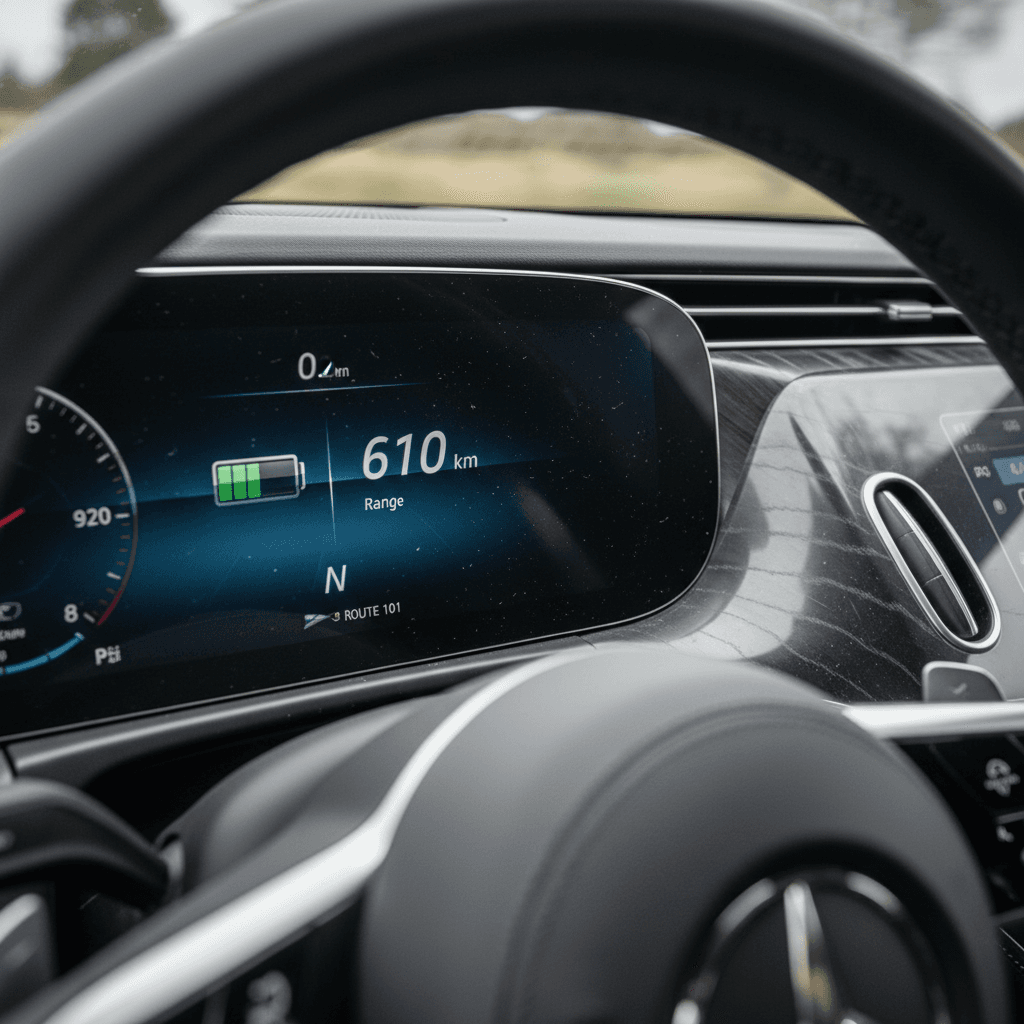
EPA range vs real‑world highway numbers
The Blazer EV rides on GM’s Ultium platform, with large battery packs and competitive EPA ratings, especially for the rear‑wheel‑drive trims. But like every EV, there’s a noticeable gap between EPA estimates and what you’ll see on the highway.
Chevy Blazer EV EPA range vs realistic highway range
Approximate real‑world highway range expectations at 70–75 mph in mild weather. Exact numbers depend on temperature, elevation, wind, and driving style.
| Blazer EV configuration | EPA rated range (approx.) | Likely highway range at 70–75 mph | Best‑case highway range (65 mph, mild) |
|---|---|---|---|
| 2LT FWD (large battery) | ~293 mi | ~235–250 mi | ~260+ mi |
| RS RWD (large battery) | ~324 mi | ~250–265 mi | ~280+ mi |
| RS AWD (large battery) | ~279 mi | ~220–240 mi | ~250+ mi |
| SS AWD (performance) | Pending / lower | ~210–230 mi | ~240+ mi |
Use these numbers as planning guides, not promises. Always leave a buffer of at least 10–15% state of charge when you arrive at a charger.
These aren’t lab numbers
If you cruise closer to 65 mph, keep climate control modest, and avoid big elevation changes, you can get much closer to the EPA ratings. Push 75–80 mph with a full family load and winter temps, and the gap grows. That’s not a Blazer EV flaw, it’s simply how aerodynamics and physics work for any tall, heavy SUV.
How Blazer EV trims and batteries change highway range
When you’re choosing a Blazer EV, especially on the used market, the trim and drivetrain matter almost as much as the battery size. Two Blazers with the same pack can behave very differently at 75 mph.
Blazer EV trims that do best on the highway
Same platform, different personalities when you leave the city.
2LT FWD
Sweet spot for value and range.
- Front‑wheel drive, lighter than AWD
- Large battery on many builds
- Comfortable, efficient at 70 mph
RS RWD
Highway range champ.
- Rear‑drive, fewer drivetrain losses
- Best EPA ratings in the lineup
- Great choice if you do lots of road trips
RS/SS AWD
Performance over efficiency.
- More power, heavier, more drag from wide wheels
- Still solid range, but expect a bigger EPA gap
- Better traction in bad weather
Shopping tip for highway drivers
5 big factors that cut your highway range
Once you’re at speed, aerodynamics dominate. But there are several other levers that sneak up on Blazer EV owners the first time they take a long trip.
What eats into your Blazer EV’s highway range?
1. Speed above 70 mph
Going from 65 to 75 mph can easily cost you 10–15% of your range because aerodynamic drag increases with the square of speed. In a big SUV like the Blazer, that penalty adds up quickly.
2. Cold weather and HVAC use
Battery chemistry is less efficient in the cold, and running cabin heat or defrost draws a steady stream of energy. Expect more noticeable range loss below about 40°F, especially on short legs where the pack never fully warms.
3. Headwinds and crosswinds
A strong headwind can mimic driving 10 mph faster. Even a crosswind pushes against the Blazer’s tall sides, increasing drag. On gusty days, don’t be surprised if your consumption jumps while your speed stays the same.
4. Elevation changes and heavy loads
Climbing long grades on the interstate takes energy you won’t fully gain back on the descent. Add a full family, luggage, and maybe a bike rack, and you’re pushing a lot more weight and frontal area through the air.
5. Big wheels and aggressive tires
Sporty RS and SS trims with larger wheels and performance‑oriented tires look great, but they usually increase rolling resistance and aerodynamic drag, shaving a few percentage points off highway efficiency.
Watch winter margins
Planning real‑world road trips in a Blazer EV
The Blazer EV is absolutely capable of cross‑country duty. You just need to plan around usable highway range instead of the EPA label. With DC fast‑charging support and a decent pack, the key is spacing your stops intelligently and choosing the right networks.
Pick realistic leg lengths
For most trims, aim for 130–170 miles between DC fast‑charge stops. That usually means starting a leg around 80–90% state of charge (SoC) and arriving with 10–20% remaining. Shorter legs keep you in the fastest part of the charging curve and give you room for detours or weather.
If you’re in a rear‑drive Blazer with the larger pack, you can comfortably stretch some legs beyond 180 miles in good conditions, but don’t make that your default plan.
Use smarter route planning
Apps that understand EV charging, GM’s built‑in routing, PlugShare, A Better Routeplanner, and others, can factor in your Blazer EV’s efficiency, elevation, and charging speeds. Compare their suggestions to your own comfort level: if an app has you arriving with less than 10% SoC, consider adding an earlier "splash and dash" stop instead.
Find the right chargers, not just any chargers
Driving tips to stretch Blazer EV highway range
You don’t have to hypermile your Blazer EV to get solid highway range. A few subtle habits can add 20–40 extra miles per leg without turning every drive into a science project.
- Use cruise control on open stretches to avoid constant small accelerations.
- If traffic allows, consider 70 instead of 75–78 mph; that small change pays huge range dividends.
- Precondition the cabin while plugged in so you’re not heating or cooling from a cold start on battery power.
- Keep tires at the recommended pressures; under‑inflation quietly eats into range and responsiveness.
- Clean out extra cargo and avoid roof racks or boxes unless you truly need them.
- Use the Blazer’s energy screen to see how climate, driving, and terrain are affecting consumption and adjust on the fly.
Let regen do its thing off the highway
Used Blazer EVs: battery health and highway range
If you’re considering a used Chevy Blazer EV, real‑world highway range comes down to more than just the original battery size. Pack health, prior fast‑charging habits, climate history, and tire choices can all move the needle.
What to check on a used Blazer EV for highway range
A good battery and smart prior ownership make a big difference.
Battery state of health
Range loss over time is gradual, but a heavily fast‑charged or abused pack can show earlier signs. Tools like the Recharged Score combine diagnostics and vehicle data to estimate how much capacity remains and what that means for your highway range today.
Tires, wheels, and alignment
Oversized wheels, aggressive tires, or poor alignment all hurt efficiency. Check for factory‑spec wheels and quality all‑season tires if you care about range. Uneven wear can signal alignment issues that quietly sap miles from every charge.
How Recharged helps
Blazer EV highway range vs other electric SUVs
On paper and in the real world, the Blazer EV lands near the front of the midsize electric‑SUV pack for highway range, especially in its rear‑drive trims. It doesn’t radically outdistance the competition, but it holds its own in a class where aerodynamics and weight are all fighting the same physics.
How the Chevy Blazer EV stacks up on highway range
Approximate real‑world highway range at 70–75 mph for popular electric SUVs, based on road tests and owner reports.
| EV SUV (long‑range trims) | EPA range (approx.) | Typical highway range | Highway range vs Blazer EV |
|---|---|---|---|
| Chevy Blazer EV (RWD trims) | ~293–324 mi | ~250–265 mi | Competitive; often slightly better than similar‑size rivals |
| Ford Mustang Mach‑E (Extended) | ~290–320 mi | ~230–250 mi | Roughly similar; varies by wheel/tire setup |
| Tesla Model Y Long Range | ~310–330 mi | ~250–270 mi | Slight edge in efficiency, especially at 65–70 mph |
| Hyundai Ioniq 5 / Kia EV6 (LR RWD) | ~303–310 mi | ~240–260 mi | Comparable; aero shape helps at speed |
| Volkswagen ID.4 (Pro) | ~275–291 mi | ~220–240 mi | Generally a bit less than Blazer EV RWD |
These are general comparisons, not lab data. Specific trims, wheels, and conditions can move each model up or down.
Bottom line on segment comparisons
Chevy Blazer EV highway range: FAQ
Frequently asked questions about Blazer EV real‑world highway range
Key takeaways before you hit the highway
The Chevy Blazer EV isn’t just a good spec‑sheet SUV, it’s a genuinely capable highway cruiser when you understand its real‑world range. Expect roughly 220–260 miles of usable interstate range for most trims, a bit more for the most efficient rear‑drive versions, and a bit less in winter or with heavy loads. Plan 130–170‑mile legs between DC fast‑chargers, watch your speed, and lean on smart route‑planning tools, and the Blazer EV settles into an easy rhythm of drive, stretch, and go.
If you’re looking at a used Blazer EV, the details of that specific vehicle, battery health, wheels and tires, and prior use, matter as much as the badge on the tailgate. That’s exactly what the Recharged team focuses on: verified battery diagnostics, fair pricing, and clear, human explanations of what those numbers mean for your real‑world highway range. With the right trim and realistic expectations, you can point a Blazer EV at the horizon and drive it like the road‑trip SUV it was meant to be.