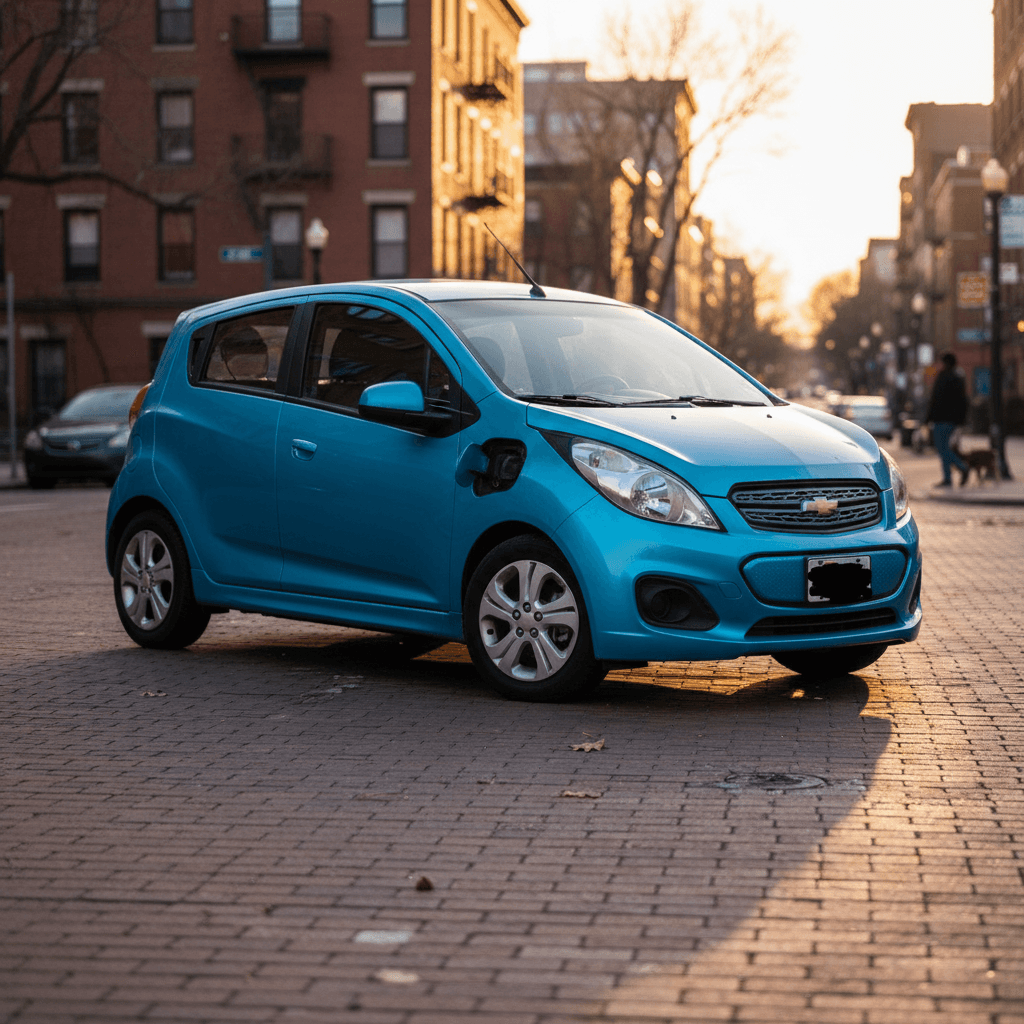
The Chevrolet Spark EV electric is one of those oddball cars enthusiasts won’t shut up about. Sold in tiny numbers from 2014–2016 as a so‑called “compliance car,” it’s a subcompact hatch with the posture of a roller skate and the torque of a small freight train. In 2025, it’s also one of the cheapest ways to get into an electric vehicle, if you know what you’re looking at.
Quick context
Chevrolet Spark EV electric at a glance
Spark EV key numbers
On paper, the Chevrolet Spark EV electric is modest: about an 82‑mile EPA range, 4‑seater, city‑car footprint. But numbers don’t capture what makes this thing cult‑worthy. With over 300 lb‑ft of torque in a package lighter than many modern plug‑in hybrids, the Spark EV leaves traffic lights like a terrier after a tennis ball.
Specs, performance and how the Spark EV actually feels
Chevy Spark EV electric: core specs
Key technical specs for U.S.‑market Spark EV models.
| Spec | 2014 Spark EV | 2015–2016 Spark EV |
|---|---|---|
| Motor power | 130 hp | ~140 hp |
| Torque | 400 lb‑ft (advertised early) | 327 lb‑ft (later official rating) |
| Battery capacity | ~21 kWh gross | ~19 kWh usable (EPA ~82 mi) |
| Drive | Front‑wheel drive | Front‑wheel drive |
| Top speed | ~90 mph | ~90 mph |
| Onboard AC charger | 3.3 kW J1772 | 3.3 kW J1772 |
| DC fast charging | Optional CCS1, 50 kW | Optional CCS1, 50 kW |
Exact figures vary slightly by model year, but this captures the essence of the Spark EV package.
The Spark EV’s party trick is torque. Real, shove‑you‑back torque. Because it’s front‑wheel drive and relatively light, flooring it from a stop can provoke immediate wheelspin and a bit of steering tug. Around town, it feels almost over‑powered, like someone installed a big‑block in a golf cart.
- Steering is light but accurate; you can place the car precisely in tight city streets.
- The ride is short‑wheelbase busy, expect more jiggle than in a Bolt or Leaf.
- Wind and road noise are noticeable at highway speeds, but in city use it’s perfectly livable.
- Regenerative braking is strong in “L” mode and quickly becomes intuitive.
Driving tip
Range and real‑world usage
Officially, later Chevrolet Spark EV electric models carry an EPA rating of about 82 miles of combined range. In the real world, that number is more suggestion than promise:
What range you can realistically expect
Ballpark numbers for a healthy battery, not guarantees.
City + suburban
70–90 miles on a mild day with gentle driving. Stop‑and‑go actually helps because of regeneration.
Pure highway
At 65–70 mph, think 55–70 miles before you’re deep into the low‑state‑of‑charge buffer.
Cold weather
Below freezing, cabin heat and a cold pack can knock range to 50–60 miles or less, especially on the highway.
Don’t buy for long‑distance duty
Where the Spark EV shines is short‑hop life: 5–15 mile errands, school runs, commutes under 30 miles each way, all with Level 2 charging waiting at home or work. Treat it like an electric Vespa with doors and airbags and it makes sense; treat it like a mini‑Model 3 and you’ll be disappointed.
Charging the Chevrolet Spark EV electric
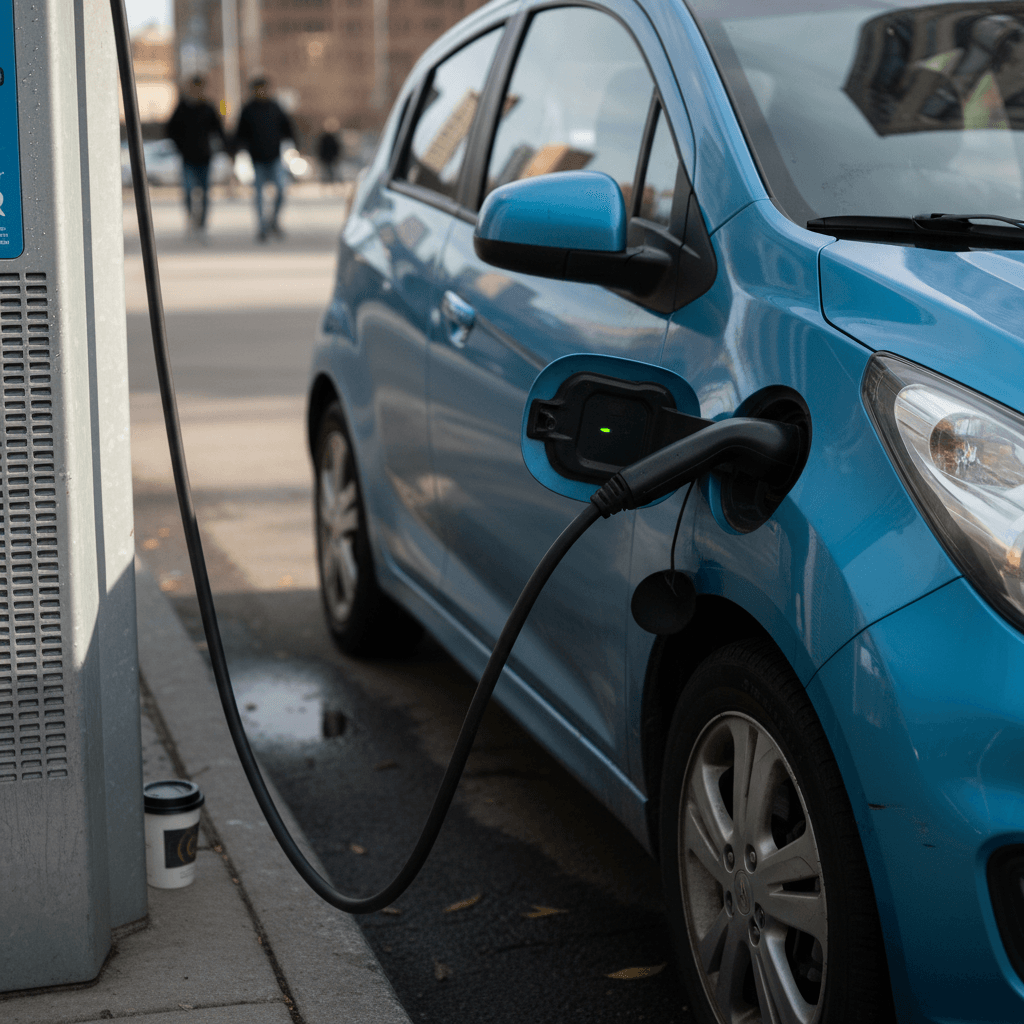
Charging is where ownership either feels easy or annoying, depending entirely on your setup. The Spark EV supports three basic scenarios: Level 1 (120V), Level 2 (240V), and CCS DC fast charging if the car has the optional port.
Chevy Spark EV electric charging times (approximate)
Realistic charging times for a healthy battery; actual times vary with temperature and state of charge.
| Charging type | Hardware | Typical power | 0–100% time | Miles of range per hour* |
|---|---|---|---|---|
| Level 1 | 120V wall outlet, included cord | ~1.2 kW | ~18–20 hours | 3–4 mi/hr |
| Level 2 | 240V, 16A–32A J1772 | Up to 3.3 kW (onboard limit) | ~6–7 hours | 10–15 mi/hr |
| DC fast (CCS1) | 50 kW public station | Up to ~50 kW peak | 10–80% in ~20–30 min | 60+ mi in ~30 min |
Most owners rely on home Level 2 and use DC fast charging as an occasional convenience, not a daily habit.
About that 3.3 kW limit
Charging realities to keep in mind
1. Verify the DC fast‑charge option
Not every Chevrolet Spark EV electric shipped with the CCS combo port. Look for the extra DC pins under the charge door or check the original window sticker if available.
2. Plan for a 240V circuit at home
If you own instead of rent, budget for a 240V outlet and a wallbox or portable Level 2 charger. The Spark’s 3.3 kW onboard charger doesn’t need a monster unit, reliability matters more than max power.
3. Don’t live on DC fast charging
Occasional fast charging is fine; building your whole routine around it is harder on small packs and on your patience. Level 2 at home is what makes EV life easy.
4. Understand public network quirks
ChargePoint, EVgo, and others all have their app logic and hiccups. Practice at a local station before you rely on it on a tight‑timed day.
Battery longevity and degradation
The Spark EV’s lithium‑ion battery pack is liquid‑cooled, which is good news. Active thermal management generally ages better than the air‑cooled packs in some early Leafs. Most owners report usable range losses, but not catastrophic collapse, as these cars enter their second decade.
Typical aging pattern
- After 8–10 years, many Spark EVs show 10–25% loss in displayed full‑charge range.
- A healthy car might show 65–75 miles on the guess‑o‑meter at 100% instead of the original 82.
- Cold‑climate cars that saw lots of DC fast charging may be worse; garaged, gently used cars may be better.
Red flags to watch for
- Full charge showing under ~55–60 miles on a mild‑temperature test drive.
- Big, sudden drops in state‑of‑charge while driving (e.g., 20% disappearing in a few miles).
- Any battery or high‑voltage warnings, or a car that refuses DC fast charge.
Why a proper battery health report matters
Ownership costs and used pricing in 2025
The good news: the Spark EV lives in the bargain basement of the EV world. These cars never sold in big volume, and they were overshadowed quickly by the Chevy Bolt and later budget EVs. Today, that makes them interesting used buys for the right driver.
What a Spark EV costs to own
Think more in terms of appliance economics than luxury car math.
Purchase price
In most U.S. markets, Spark EVs trade well below larger EVs, often several thousand dollars less than an equivalent‑year Leaf or i3.
Energy costs
A 19–21 kWh pack means even a full charge is cheap. On typical residential rates, a 0–100% charge often costs only a few dollars.
Maintenance
No oil changes, no timing belts. Expect tires, cabin filters, brake fluid, and the usual wear items. The small size means tires and brakes are generally inexpensive.
But budget for age‑related repairs
What to check before you buy a used Spark EV
Pre‑purchase checklist for a Chevrolet Spark EV electric
1. Battery health and real‑world range
Charge the car to 100% and note the indicated range on a mild‑temperature day. If possible, take a 20–30 mile mixed‑driving test and see how the remaining range drops. A <strong>Recharged Score battery report</strong> gives you a much clearer view than the dash alone.
2. DC fast‑charge functionality
If the car has the CCS port, test it. Start a fast‑charge session from ~30–40% state of charge and confirm it ramps quickly and doesn’t throw errors. Walk away if the seller won’t let you test public charging.
3. Underbody and corrosion check
Rust is the quiet killer of older small cars. Check subframes, suspension pick‑up points, brake lines, and the battery enclosure where visible. Cars from salt‑belt states deserve extra scrutiny.
4. Service history and recalls
Ask for service records, especially if any high‑voltage or charging repairs were done. Verify open recalls have been addressed by a Chevrolet dealer.
5. Interior electronics and infotainment
Confirm that HVAC, heated seats (if equipped), infotainment, and the instrument cluster all behave normally. In a winter climate, a weak HVAC system is a range and comfort problem.
6. Fit for your daily use case
Before you fall for the low price, map your typical week. If your real‑world daily driving and parking habits fit comfortably inside the Spark EV’s range and size constraints, it can be a brilliant tool. If not, consider a larger‑battery used EV instead.
Where Recharged can help
Ready to find your next EV?
Browse VehiclesHow the Spark EV compares to other small EVs
Spark EV vs other budget‑friendly small EVs
High‑level comparison for shoppers cross‑shopping older used EVs.
| Model | Typical used price* | EPA range | Battery size | Fast charging | Best suited for |
|---|---|---|---|---|---|
| Chevrolet Spark EV | Lowest in group | ~82 mi | ~19–21 kWh | CCS1, 50 kW (option) | Urban commuting, short‑range errands |
| Chevrolet Bolt EV (1st gen) | Higher than Spark | ~230–259 mi | ~60 kWh | CCS1, ~55 kW | One‑car households, longer commutes |
| Nissan Leaf (early, 24–30 kWh) | Similar or slightly higher | 73–107 mi | 24–30 kWh | CHAdeMO on many | Short trips; battery health more variable |
| BMW i3 (BEV) | Higher | ~81–114 mi | 22–33 kWh | CCS1 fast charge | Style‑conscious city driving |
Exact specs vary by year and trim; focus on the pattern, not the last decimal place.
Think in terms of “use case,” not badge prestige
Who the Chevrolet Spark EV electric actually fits
If the Spark EV were a person, it would be that fast‑walking coworker who always finds street parking and knows every side street in the city. It’s not glamorous. It is, however, brutally effective when used within its limits.
Ideal owners for a Spark EV
If these sound like you, you’re in the right neighborhood.
Urban apartment or townhouse dwellers
You deal with tight parking and mostly sub‑20‑mile days. If you can secure reliable Level 2 charging at home or work, the Spark EV makes excellent sense.
Second car for a household
The family already has a road‑trip vehicle. The Spark EV becomes the cheap, cheerful commuter or school‑run shuttle.
Budget‑first EV shoppers
You want to dump gas stations, reduce maintenance, and aren’t chasing the latest tech. You’re happy to trade range and polish for very low entry cost.
The Chevrolet Spark EV electric is less a car you dream about and more a clever little device that quietly hacks your daily life, provided you’re honest about your needs.
Chevrolet Spark EV electric: FAQ
Frequently asked questions
The Chevrolet Spark EV electric is an honest tool, not a status symbol. It won’t impress your neighbors, but it can absolutely transform your daily driving if you live inside its tight little envelope of range, space, and charging needs. In a market drifting toward bigger, heavier, more expensive EVs, the Spark EV is a reminder that efficiency and charm still count for something. Do your homework on battery health, be realistic about your lifestyle, and a good one can be the best cheap car you’ve ever owned, gas or otherwise.