If you’re searching for a Chevrolet hybrid SUV, you’ve probably noticed something odd: Chevy doesn’t actually sell a traditional hybrid or plug‑in hybrid SUV in the U.S. for the 2025 model year. Instead, Chevrolet has gone all‑in on a mix of efficient gas SUVs and fully electric SUVs like the Equinox EV and Blazer EV. This guide walks you through what that means in practice so you don’t waste time hunting for a hybrid that doesn’t exist, and so you can decide whether a Chevy EV SUV, a rival hybrid, or a used EV is the smarter move for you.
Quick reality check
Why you can’t find a Chevrolet hybrid SUV right now
Most mainstream brands now offer at least one hybrid SUV, so it’s natural to assume Chevy does too. Instead, Chevrolet has taken a more binary approach in the U.S. lineup: efficient turbo gas engines and diesels on one side, and full battery‑electric SUVs on the other. There’s no middle‑ground hybrid system in between.
- Current Chevy SUVs like Trax, Trailblazer, Equinox, Blazer, Traverse, Tahoe and Suburban are all gas (or diesel) only in the U.S.
- Chevrolet did offer hybrid full‑size SUVs in the past (notably Tahoe Hybrid and Silverado Hybrid) but those systems were discontinued years ago.
- GM has publicly committed to a largely all‑electric lineup by 2035, and Chevy’s development resources have gone into its Ultium‑based EVs rather than new hybrid systems.
Don’t get tripped up by marketing language
What Chevrolet offers instead: full electric SUVs
If you came looking for a Chevrolet hybrid SUV to save fuel and lower running costs, the closest Chevy alternatives are its electric SUVs. They eliminate gas entirely while targeting many of the same shoppers who might otherwise cross‑shop hybrid CR‑V, RAV4 or Tucson models.
Chevrolet’s electric SUV lineup in 2025
These EVs sit where hybrid SUVs used to: practical, efficient, family‑friendly crossovers.
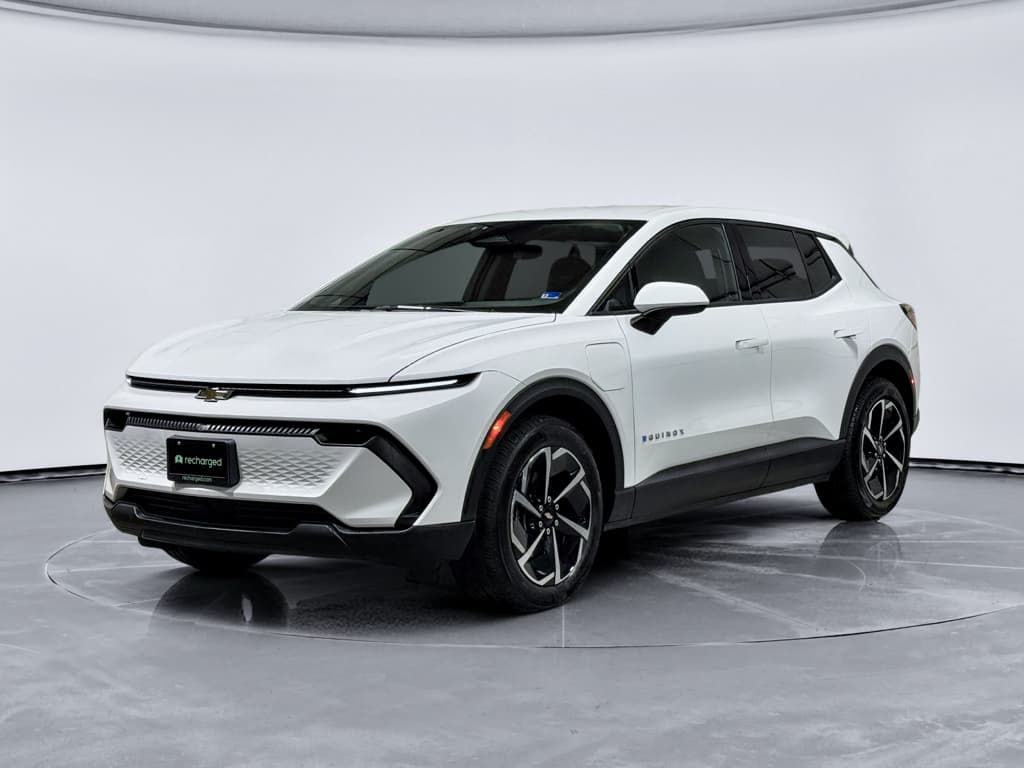
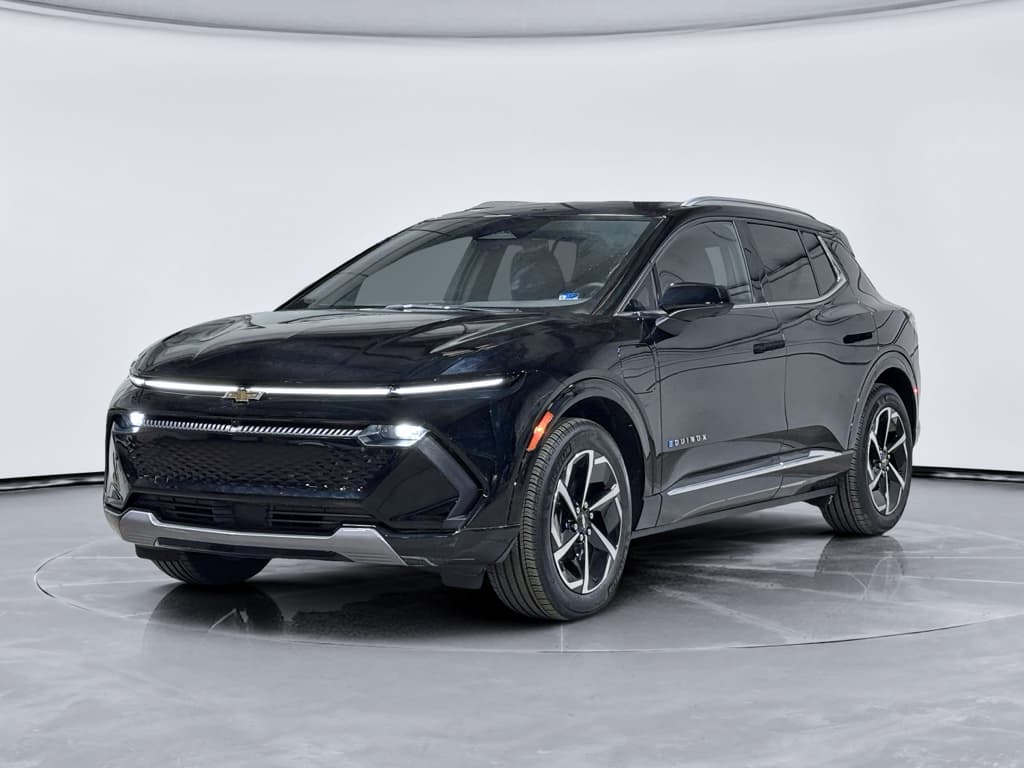
Equinox EV
Size: Compact SUV (similar to Equinox gas model)
Use case: Daily commuting, small families
Highlight: Front‑wheel‑drive versions offer well over 300 miles of range and pricing that undercuts many rival EV SUVs.
Blazer EV
Size: Mid‑size SUV
Use case: Families wanting more space and performance
Highlight: Sportier driving feel, more power and available all‑wheel drive, with ranges over 250 miles depending on trim.
Upcoming Bolt crossover
Size: Subcompact–compact crossover (next‑gen Bolt)
Use case: City driving and budget‑minded shoppers
Highlight: GM has confirmed a new Bolt crossover on its Ultium platform, aimed squarely at value‑oriented EV buyers.
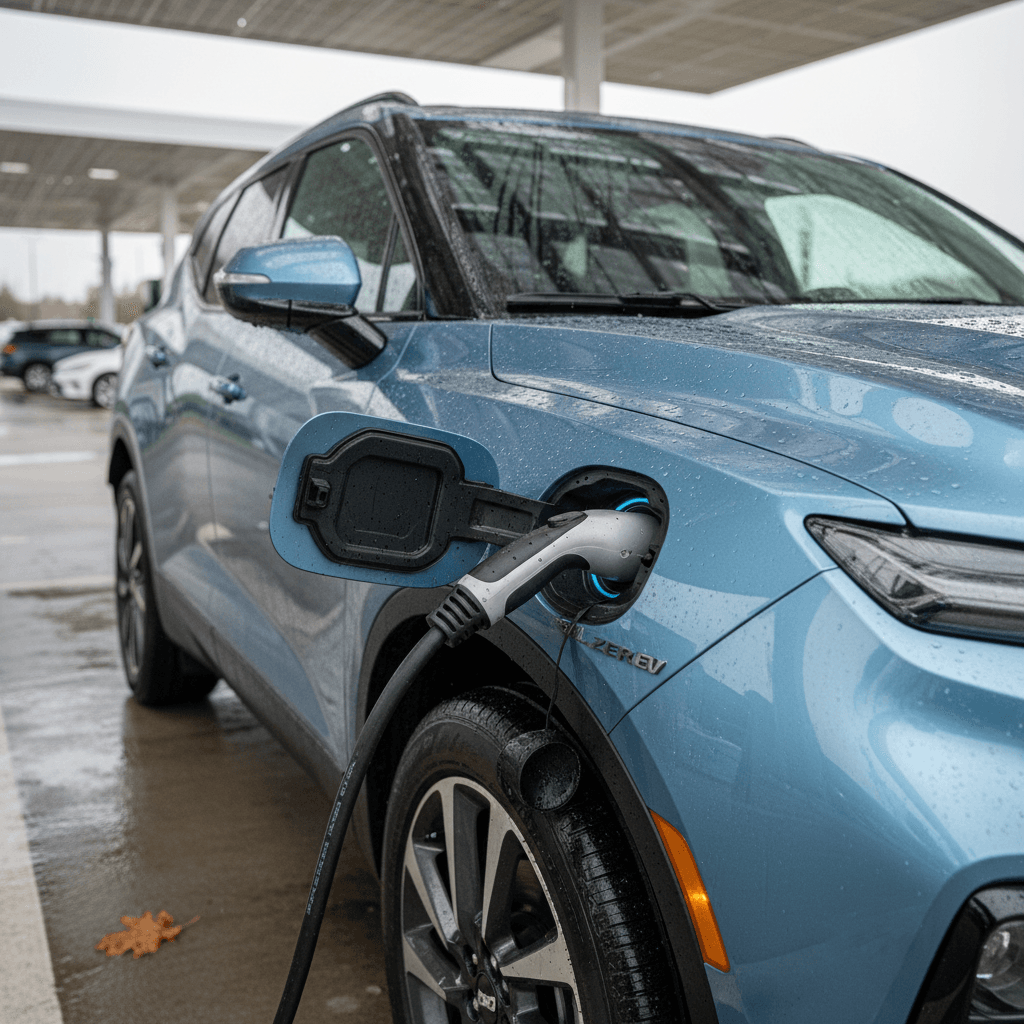
Think "EV where others offer hybrid"
Chevy EV SUVs vs traditional hybrid SUVs
If you’re cross‑shopping a Chevrolet electric SUV against a Toyota, Hyundai or Ford hybrid SUV, you’re really deciding between two different strategies: burning much less gas, or burning no gas at all. The right choice depends less on brand loyalty and more on your driving pattern and access to charging.
Chevy EV SUV vs typical hybrid SUV: how they differ
A high‑level comparison to frame your decision if you had your heart set on a Chevrolet hybrid SUV.
| Factor | Chevy EV SUV | Gas Hybrid SUV |
|---|---|---|
| Fuel source | Electricity only | Gasoline + small battery |
| Typical range | 250–320+ miles per charge | 500–600+ miles per tank |
| Refueling | Home/work charging or public DC fast charge | Gas station only |
| Running costs | Lower per mile if you can charge at home | Lower than pure gas, higher than EV |
| Maintenance | No oil changes, fewer moving parts | Reduced fuel use but still has engine, transmission, exhaust |
| Purchase price | Often higher MSRP, but incentives can help | Usually priced between base gas and full EV |
| Best for | Daily driving with regular access to charging | Long road trips or limited charging access |
"EV" assumes models like Equinox EV or Blazer EV; "Hybrid SUV" assumes mainstream rivals such as RAV4 Hybrid, CR‑V Hybrid, Tucson Hybrid, etc.
Where Chevy’s strategy shines
Running costs: EV vs hybrid from a Chevy perspective
For most shoppers drawn to the idea of a Chevrolet hybrid SUV, the core question isn’t technology, it’s total cost of ownership. How much will this thing actually cost to feed and maintain over the next 5–10 years?
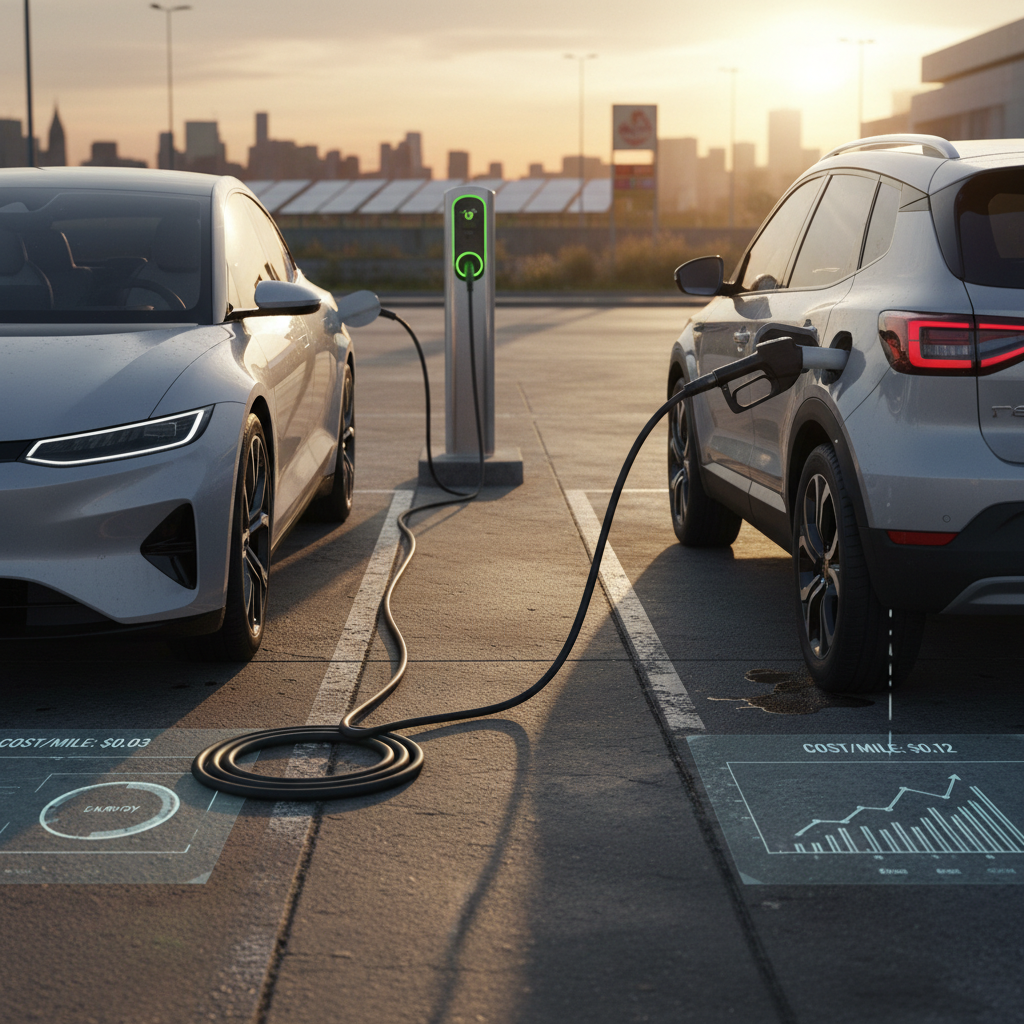
Big‑picture running cost differences
Hybrids absolutely shine if you can’t plug in at home and drive a mix of city and highway. But once you can reliably charge where you park, a Chevrolet EV SUV swings the economics in your favor, especially if you plan to keep the vehicle long enough for fuel and maintenance savings to outweigh a higher purchase price.
Watch the electricity side of the equation
Range, charging, and where Chevy EV SUVs fit
A big reason some buyers still ask for a Chevrolet hybrid SUV is simple: range anxiety. They like the idea of plugging in sometimes, but they want the safety net of a gas tank. To decide if a Chevy EV SUV can realistically replace that hybrid you had in mind, you need to look at real‑world range and your charging options.
Key questions to answer before choosing a Chevy EV SUV
1. Where will you charge most of the time?
If you have a driveway or garage where you can install a Level 2 charger, a Chevrolet EV SUV is far easier to live with. If you rely on street parking and limited public charging, a traditional hybrid from another brand may still fit your life better.
2. How far is your daily commute?
If your typical day is under 80–100 miles, an Equinox EV or Blazer EV will feel effortless, you’ll charge a couple of times a week and rarely think about it. If you regularly drive hundreds of miles in a day, a gas hybrid’s quick refueling still holds an advantage.
3. How often do you road‑trip?
EV road trips are absolutely doable, but they require planning around fast‑charging stops. If you only do a few long trips a year, that tradeoff is manageable. If you live on the highway, a high‑mpg hybrid SUV may be less stressful.
4. Can you charge at work or nearby?
Workplace, apartment‑garage or neighborhood chargers can tip the scales toward a Chevy EV SUV even if home charging is tricky. The more places you can plug in, the more an EV feels like a better‑than‑hybrid upgrade.
Charging hardware is getting simpler
Who should choose a Chevy EV SUV vs a gas hybrid?
Choose a Chevy EV SUV if…
- You can install (or already have) home charging.
- Your daily driving is predictable and usually under 150 miles.
- You want to cut fuel costs as much as possible and keep the vehicle long enough to see the payoff.
- You’re comfortable planning charging on the occasional long road trip.
- You like the idea of quieter, smoother driving and instant torque.
Choose a gas hybrid SUV from another brand if…
- You can’t reliably charge at home or work.
- You do frequent long‑distance drives where stopping to charge would be impractical.
- Your local public charging infrastructure is sparse or unreliable.
- You want to reduce gas use but aren’t ready to commit fully to an EV.
Think in terms of your next 5–7 years
Shopping used Chevy EV SUVs: smart strategies
Because a new Chevrolet hybrid SUV doesn’t exist today, many budget‑conscious shoppers land on the used EV market instead, especially for compact and mid‑size SUVs. This is where it pays to be picky and data‑driven, not just swayed by a badge or monthly payment.
Key things to evaluate on a used Chevy (or other) EV SUV
You don’t get a gas safety net with a hybrid here, so battery health and charging flexibility matter more.
Battery health
The EV battery pack is the single most important component. Look for a verified health report rather than guesses based on range estimates alone.
Charging speed & ports
Know the max AC and DC charging speeds and what connector it uses. That affects how fast you can charge at home and on road trips.
Service history & recalls
EVs need less routine maintenance, but software updates and recall work still matter. A clean, documented history is a positive sign.
How Recharged approaches used EVs
Ready to find your next EV?
Browse VehiclesHow Recharged helps with used Chevy and other EVs
If your original search for a Chevrolet hybrid SUV has morphed into a broader search for something efficient, practical and affordable, the used EV space deserves a long, hard look. It’s where you can often get EV‑level efficiency for hybrid‑like money, provided you have solid data about the car you’re buying.
- Recharged Score battery diagnostics: Independent battery‑health verification so you know how much real‑world range to expect today, not just when the vehicle was new.
- Fair market pricing: Data‑driven pricing that reflects battery condition, mileage and equipment, not just book values.
- Flexible ways to sell or trade: Get an instant offer, consign your EV, or trade into another EV through a fully digital experience.
- Financing and nationwide delivery: Finance a used EV and have it delivered, or visit Recharged’s Experience Center in Richmond, VA if you want to get hands‑on.
- EV‑specialist support: Talk with people who live in this market every day, not generalists who rarely see EVs and hybrids.
Not locked into Chevy?
FAQ: Chevrolet hybrid SUV shopping questions
Frequently asked questions about Chevrolet hybrid SUVs
Bottom line on Chevrolet hybrid SUVs in 2025
If your search for a Chevrolet hybrid SUV has been frustrating, it’s not you, Chevy simply doesn’t build one right now. Instead, it offers efficient gas SUVs on one side and increasingly compelling electric SUVs like the Equinox EV and Blazer EV on the other. Your job is to decide which philosophy fits your life: the flexibility of a hybrid with a gas tank, or the simplicity and long‑term savings of going fully electric.
If you have, or can get, reliable charging where you park, a Chevy EV SUV or a used EV from another brand can do everything you wanted from a hybrid and more. And if you want help picking the right vehicle, verifying battery health and making sense of pricing, that’s exactly what Recharged is built for. You bring your driving needs and budget; Recharged brings data, diagnostics and a simpler EV buying experience.