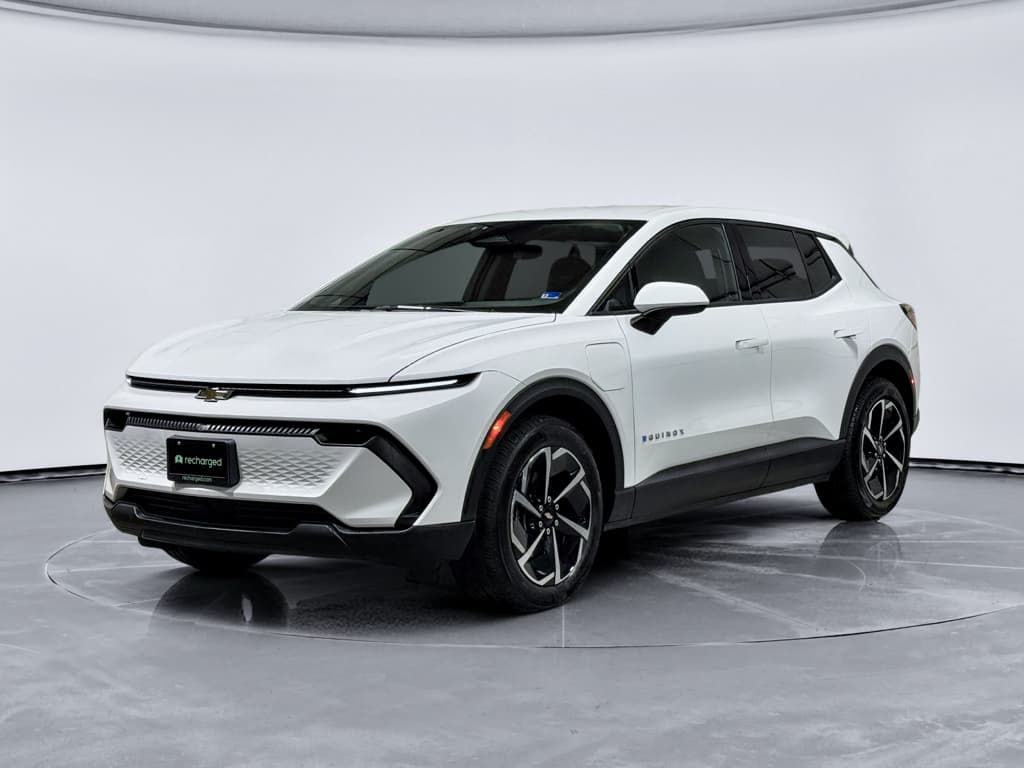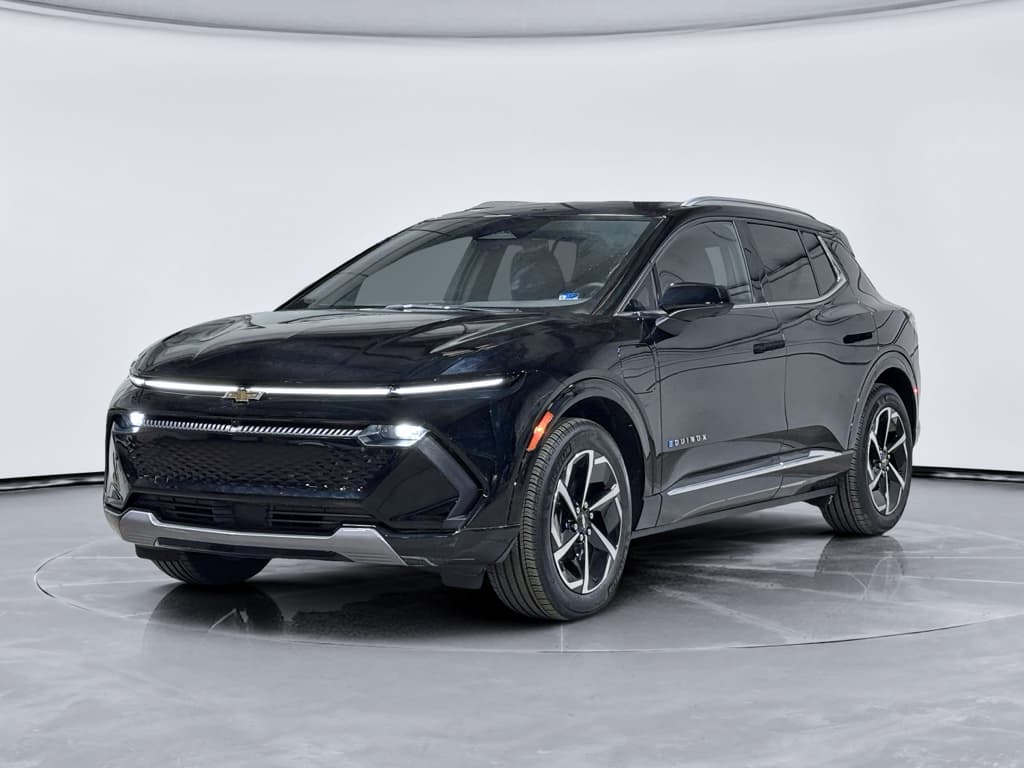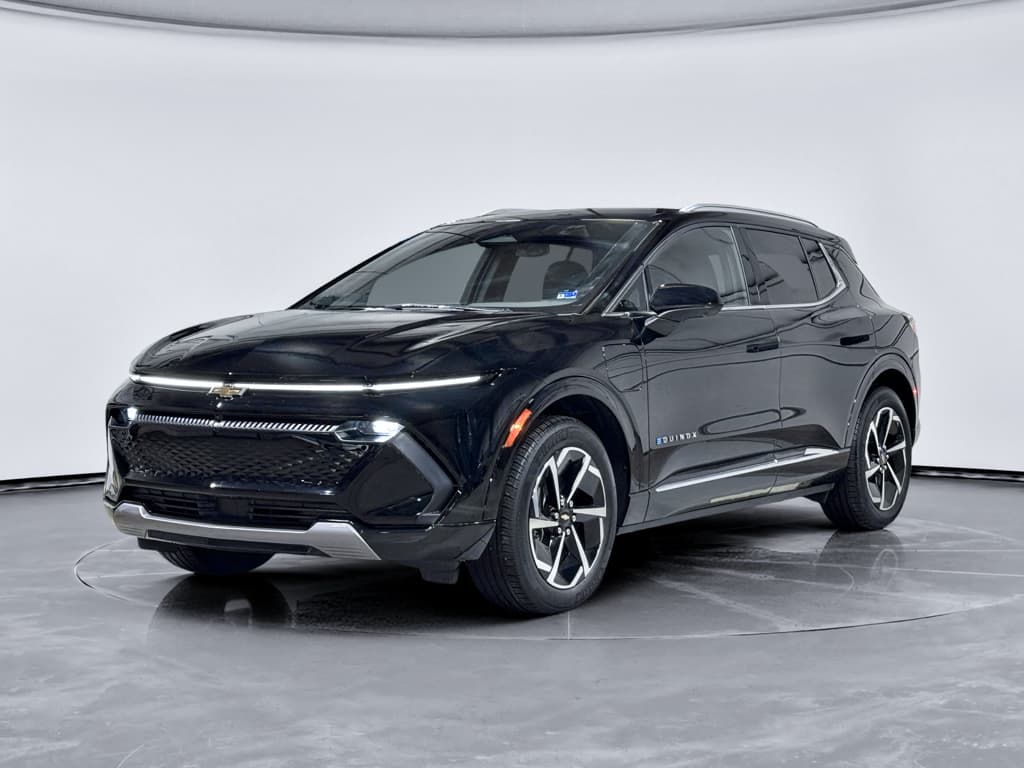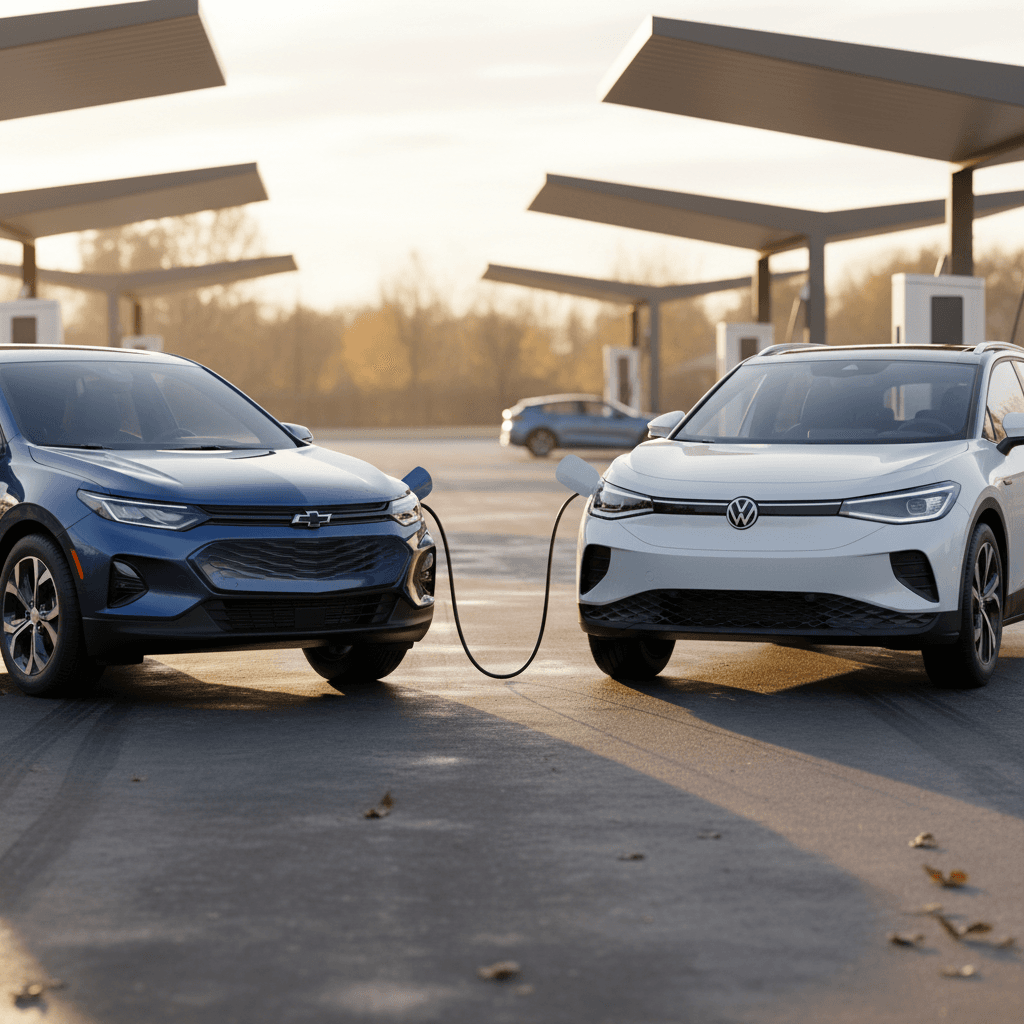
If you’re cross-shopping compact electric SUVs, the Chevrolet Equinox EV vs Volkswagen ID.4 matchup is probably near the top of your list. Both target mainstream buyers, promise more than 250 miles of range, and undercut premium EVs on price, yet they take very different approaches to design, software, and charging.
Snapshot: who each EV suits best
Chevrolet Equinox EV vs Volkswagen ID.4: quick overview
How these two compact EVs are positioned
Same size class, different philosophies
Chevrolet Equinox EV
Newer Ultium-based entrant with a focus on range and techy cabin design. Front-wheel drive is most common, with optional all-wheel drive and an estimated range that can crest 300 miles on certain trims.
- Battery: ~85 kWh usable on most U.S. trims
- Max DC fast charge: ~150 kW
- EPA-estimated range: up to around 300+ miles depending on trim
Volkswagen ID.4
More established player in this segment, with several model years of real-world data behind it. Feels more like a traditional compact crossover with EV power.
- Battery: 62 kWh or ~82 kWh (gross) packs
- Max DC fast charge: up to ~175 kW on larger pack trims
- EPA-estimated range: roughly 209–291 miles depending on battery/drive
Both are roomy, family-friendly EVs. The Equinox EV’s headline is range and modern Ultium architecture; the ID.4’s is mature road manners and a now well-understood ownership profile. To decide which is better, you have to get specific about price, charging, space, and how they behave as they age, especially if you’re thinking about a used EV from a marketplace like Recharged.
Core specs: Equinox EV vs ID.4 at a glance
Key specs comparison: Chevrolet Equinox EV vs Volkswagen ID.4 (U.S. market)
Approximate specs for popular trims as of early 2025. Always check the Monroney label or manufacturer site for exact figures when you buy.
| Spec | Chevrolet Equinox EV (FWD) | Volkswagen ID.4 Pro (RWD) |
|---|---|---|
| Battery (usable est.) | ~85 kWh | ~77 kWh |
| EPA-estimated range | Around 300–319 miles on many FWD trims | Up to ~291 miles (82-kWh Pro RWD) |
| Max DC fast-charge rate | ~150 kW | Up to ~175 kW (82-kWh) |
| Onboard AC charger | 11.5 kW standard | ~11–11.5 kW depending on trim |
| Drivetrain options | FWD or AWD | RWD or AWD |
| Power (approx.) | 210–290 hp class depending on motor setup | 201 hp (RWD), 295 hp (AWD) |
| Infotainment | 11" digital cluster + up to 17.7" center screen | 12.9" central touchscreen |
| EPA class | Compact SUV | Compact SUV |
Representative configurations: Equinox EV FWD vs ID.4 Pro RWD.
Specs vary by trim and model year
Price, incentives, and real-world value
On paper, the Chevrolet Equinox EV and VW ID.4 both aim for the same “affordable” EV sweet spot. In practice, their pricing stories are more complicated once you factor in equipment, dealer behavior, and incentives.
Chevrolet Equinox EV pricing dynamics
- GM initially touted a base 1LT trim in the mid-$30,000s with over 300 miles of range, but availability has been limited and later trims arriving first have sticker prices closer to the low- to mid-$40,000s before incentives.
- Many buyers effectively see lower net prices thanks to the U.S. federal EV tax credit, which GM structures into some leases or dealer programs.
- Because the Equinox EV is still ramping up, used pricing data is thin; depreciation curves are still forming.
Volkswagen ID.4 pricing dynamics
- The ID.4 has been on sale longer, so transaction prices often undercut MSRP with dealer discounts and lease subvention, especially on leftover model years.
- Eligibility for the federal tax credit has varied with content sourcing, so you need to check current rules and VIN-specific eligibility.
- Because it’s older, there is now a meaningful used-ID.4 market, often with substantial depreciation already priced in, which can make a used ID.4 one of the cheaper ways into a modern EV SUV.
How Recharged helps on price
- If you want the lowest upfront used price, the ID.4 usually wins today because of its head start in the market and deeper depreciation.
- If you prioritize maximum range for the money, well-equipped Equinox EV trims can look compelling, especially once you factor in tax credits or aggressive lease programs.
- If you care about predictable resale value, the ID.4 has a track record, while the Equinox EV is still an early bet.
Range, efficiency, and battery tech
Range headline figures (representative trims)
The Equinox EV leans on GM’s Ultium platform and a relatively large usable battery (around 85 kWh in many U.S. trims) to hit eye-catching range figures. That means you often get a true 250–280 miles even when you’re driving at modern highway speeds with some climate control. The VW ID.4, with a slightly smaller usable pack on its long-range trims, lands a bit lower on paper and in many owner reports, though it can still be perfectly adequate for most commutes and weekend trips.
Cold-weather behavior
- If you want maximum rated range in this class without stepping up to a larger, more expensive EV, the Equinox EV has the edge.
- If you’re mostly a city or suburb driver with daily miles well under 100, both are effectively overkill on range, you’ll care more about charging and comfort than another 20–30 EPA miles.
Charging speed and road-trip usability
On a spec sheet, the ID.4 can fast-charge slightly faster than the Equinox EV. In reality, road-trip experience depends as much on charging curve, network compatibility, and how far you drive between stops as it does on peak kilowatt numbers.
Charging comparison in the real world
Beyond the brochure numbers
Peak DC rates
Equinox EV: Chevy quotes roughly 150 kW peak DC fast charging. Owners report that newer model years hold strong power up to around 50–60% state of charge before tapering.
ID.4: Long-range 82-kWh pack models can accept up to 175 kW under ideal conditions, though early software versions sometimes underdelivered until updated.
AC charging at home
Both SUVs support roughly 11–11.5 kW Level 2 AC charging, which translates to about 30–35 miles of range per hour on a 48-amp 240V circuit.
For most owners, that means a full overnight recharge from a typical weekday commute.
Road-trip practicality
The Equinox EV’s bigger battery gives it a longer highway leg between stops; the ID.4 fights back with slightly faster peak DC speeds and a more mature software stack for charge-planning in later model years.
Either can road-trip comfortably if you plan around high-speed chargers.
Network and connector considerations
If you value fewer, longer legs between stops, especially in wide-open states, the Equinox EV’s extra capacity is a real asset. If you do mostly regional trips with plenty of CCS infrastructure, an ID.4 with the updated charging software can feel just as capable, and sometimes a bit quicker to recover miles at the right stations.
Space, comfort, and everyday usability
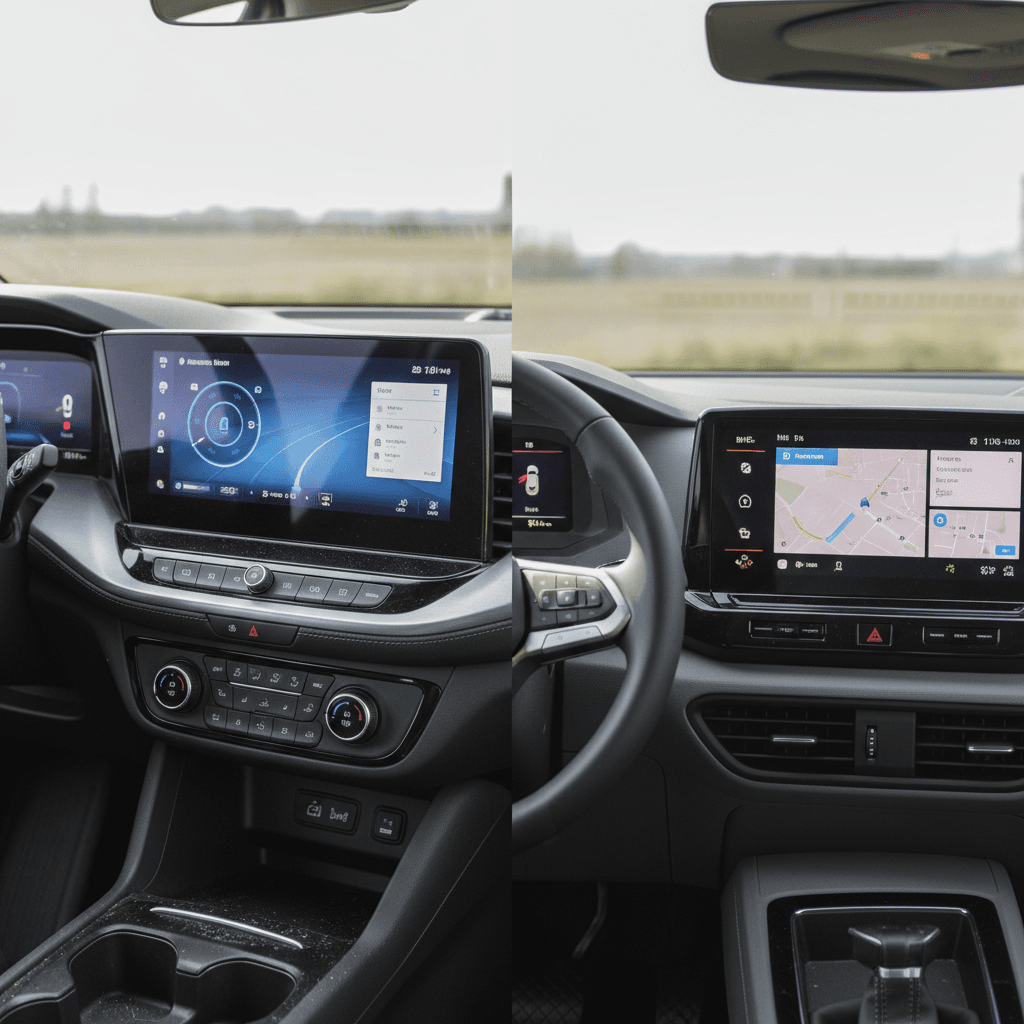
On paper, the Equinox EV and ID.4 are within inches of each other in length, width, and wheelbase. In person, they solve the same family-hauler problem in slightly different ways.
Equinox EV: angular and practical
- Cabin design mixes big screens with physical climate controls, a welcome contrast to touch-only cockpits.
- Plenty of family-friendly storage and a squared-off cargo area make it straightforward to live with.
- Rear-seat space is competitive; tall adults can sit behind tall adults, though the rising beltline may make it feel slightly more enclosed than the ID.4’s greenhouse.
ID.4: softer, more European feel
- Earlier ID.4s leaned heavily on touch sliders and capacitive buttons, but later model years improved ergonomics and software responsiveness.
- Cargo volume is similar to the Equinox EV, with a slightly more rounded rear profile that some buyers find more stylish.
- Ride quality is tuned toward comfort; the ID.4 often feels more like a traditional crossover that just happens to be electric.
Test the little things
Infotainment, driver-assist tech, and driving feel
This is where personalities diverge. The Equinox EV leans into the "techy American" trope: big screens, bold graphics, and GM’s latest software layer. The ID.4 emphasizes a calmer, more European driving feel with a tech stack that’s evolved significantly since the first U.S. models.
Tech and driving character
How they feel from behind the wheel
Screens and UX
Equinox EV: Large digital cluster plus an up to 17.7-inch central display. GM has steadily improved responsiveness and menu logic, and crucially, many core climate functions are still on physical controls.
ID.4: 12.9-inch central touchscreen, updated software, and moved-backlight touch sliders on newer years. Early owners complained about lag and confusing menus; later updates address much of this.
Driver-assist features
Both offer robust suites: lane-keeping, adaptive cruise control, blind-spot monitoring, and automated emergency braking.
Certain Equinox EV trims can be optioned with GM’s more advanced assist systems (depending on region and year), while higher-trim ID.4s offer VW’s Travel Assist with lane centering and assisted lane changes.
Driving feel
Equinox EV: Feels planted and substantial, with smooth EV torque and a slightly firmer, more "American crossover" ride on larger wheels.
ID.4: Softer, quieter character; steering is light and predictable. It’s not a performance EV, but it’s a relaxed commuter and road-tripper.
In practice, both of these are calm, confidence-inspiring EVs. The Equinox EV feels newer and more assertive; the ID.4 feels like the kind of crossover you could hand to almost any driver and they’d be comfortable within a few minutes.
Reliability, warranty, and used-market behavior
If you’re thinking long-term costs, or shopping used, how these vehicles age matters as much as how they drive on day one. Here, the ID.4 has the advantage of time; the Equinox EV benefits from GM’s latest-generation hardware but doesn’t yet have the same volume of high-mileage examples in the wild.
Key ownership and used-EV questions to ask
1. What’s the actual battery health?
Don’t just accept an EPA range or marketing claim. Ask for a <strong>measured state of health (SoH)</strong> report. Every EV listed on Recharged includes a Recharged Score Report that quantifies current battery capacity and translates it into expected real-world range.
2. How much warranty is left?
Both models typically carry <strong>8-year/100,000-mile high-voltage battery warranties</strong> in the U.S., plus bumper-to-bumper coverage that’s shorter. On a used Equinox EV or ID.4, that remaining coverage can be the difference between peace of mind and a big potential repair bill.
3. Has software been updated?
Both GM and VW have pushed meaningful software updates over time. On the ID.4, updates can improve charging behavior and infotainment; on the Equinox EV, they can refine range estimation and driver-assist. Verify that the car you’re considering is on a <strong>current software version</strong>.
4. How does depreciation look?
Early ID.4s have already taken their biggest depreciation hit, which can be great news for used buyers. Equinox EV depreciation curves are still forming; a nearly new Equinox EV might hold value better, or drop faster, than expected. A marketplace like Recharged tracks these patterns model by model.
Why Recharged favors data over hype
Ready to find your next EV?
Browse VehiclesChevrolet Equinox EV vs Volkswagen ID.4: which is better for you?
Asking “which is better” only makes sense if you define "better". These two compact EVs serve different priorities, and once you’re clear about yours, the choice usually comes into focus quickly.
Who should pick which EV?
Match the SUV to your use case
Chevrolet Equinox EV is better if…
- You want the most range you can get in a compact mainstream EV without stepping up to a larger vehicle.
- You do frequent highway drives or live in a region with long gaps between fast chargers.
- You like the idea of GM’s Ultium platform and a modern, screen-forward interior that still keeps key physical controls.
- You’re comfortable being an early adopter of a newer model with less long-term resale data, in exchange for newer hardware.
Volkswagen ID.4 is better if…
- You want a calm, familiar-driving crossover that happens to be electric.
- You’re shopping used and want the benefit of several model years of depreciation already behind you.
- You value VW’s ride comfort and a European feel more than the last 20–30 miles of range.
- You prefer buying into a model with a well-established track record of recalls, fixes, and owner reports.
Don’t forget charging where you actually live
In other words, there’s no one-size-fits-all winner in the Chevrolet Equinox EV vs Volkswagen ID.4 debate. The Equinox EV is the pick if you want maximum range and the newest GM EV platform in a compact SUV footprint. The ID.4 is the safer bet if you’re value-focused on the used market and want a proven, comfortable daily driver. If you want to see how these trade-offs look in real cars with real battery data, browse used Equinox EV and ID.4 listings on Recharged and compare their Recharged Scores side by side.