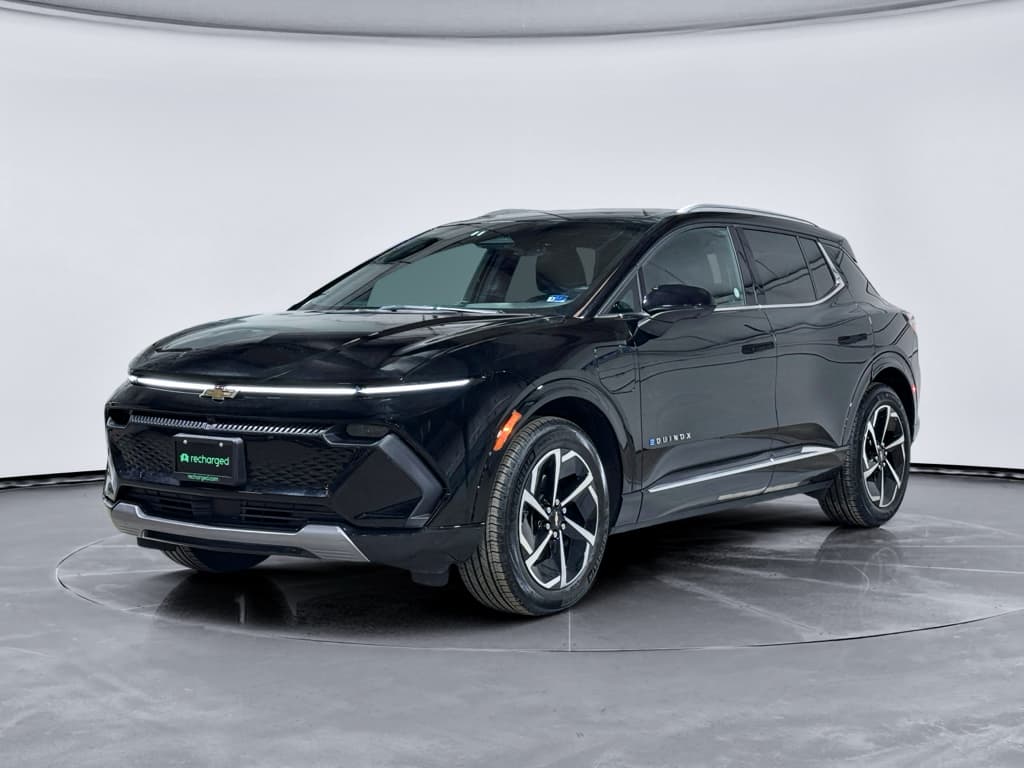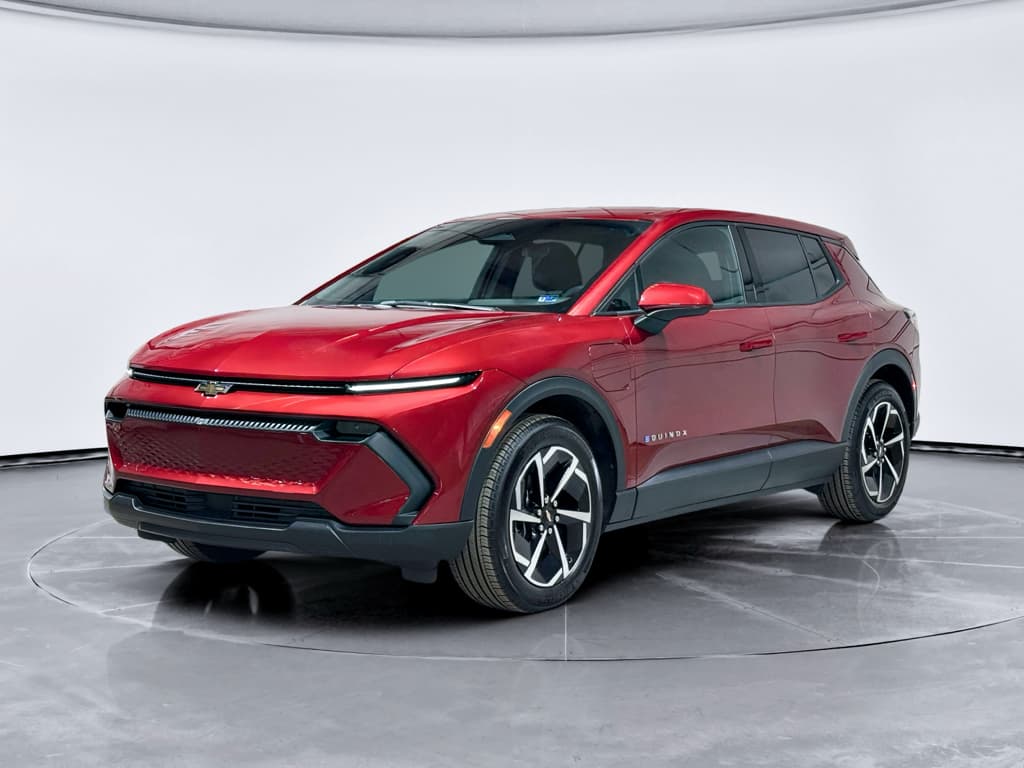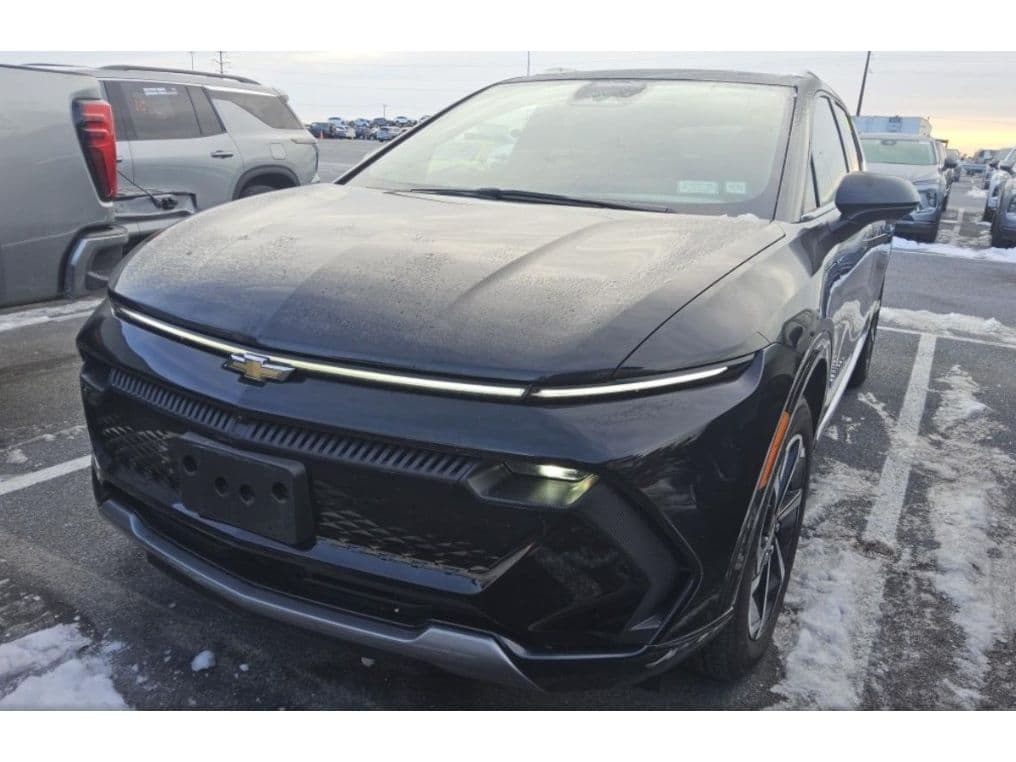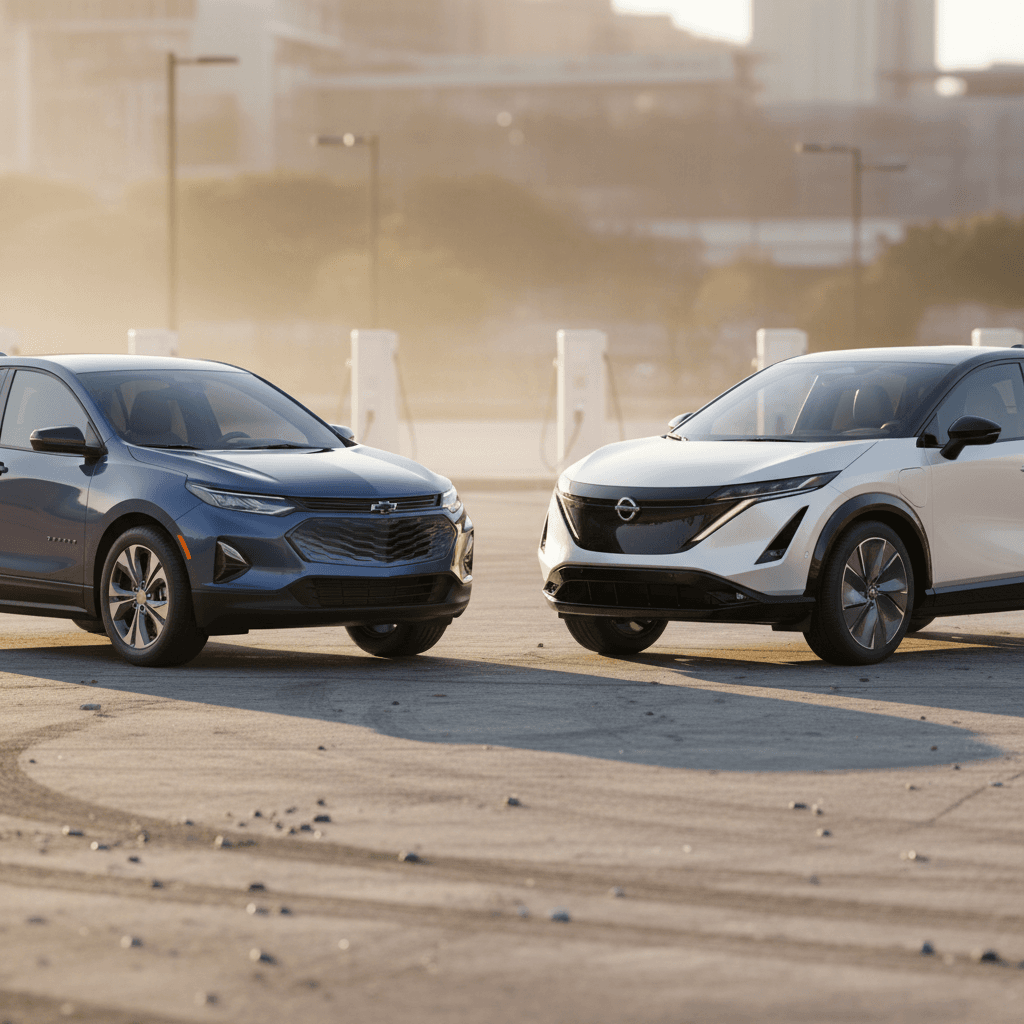
Shopping electric SUVs and torn between the Chevrolet Equinox EV and the Nissan Ariya? Both promise family-friendly space, solid range, and a more approachable price than luxury EVs. But once you dig into range, charging, incentives, and tech, they’re very different tools for the same job.
Two EVs, Two Strategies
Chevrolet Equinox EV vs Nissan Ariya: Quick Overview
High-Level Snapshot: Equinox EV vs Ariya
How the two electric SUVs stack up at a glance
Chevrolet Equinox EV
- Class: Compact electric SUV
- Range: Up to ~319 miles FWD (EPA-est.)
- Drivetrains: FWD or AWD
- Charging: ~11.5 kW AC, up to ~150 kW DC fast charging
- Tax credit: Generally qualifies for up to $7,500 federal Clean Vehicle Credit when new
- Positioning: Value-focused, long-range, strong incentives
Nissan Ariya
- Class: Compact/midsize electric crossover
- Range: Roughly mid‑200s miles depending on trim and battery
- Drivetrains: FWD or e‑4ORCE AWD
- Charging: ~7.2 kW AC, up to ~130 kW DC fast charging
- Tax credit: Many new Ariya builds have not qualified for the federal credit under recent rules
- Positioning: Comfort, quiet ride, distinctive styling
Used EV Angle
Pricing, Trims, and Tax Credits
On paper, pricing is close. In practice, once you layer in the federal EV tax credit and real dealer discounts, the Equinox EV usually lands thousands cheaper than a similarly equipped Ariya, especially for U.S. buyers who qualify for incentives.
Equinox EV vs Ariya: Approximate New-Vehicle Pricing (U.S.)
MSRPs and effective prices can shift quickly; always confirm with current manufacturer and dealer offers.
| Model | Typical Starting MSRP (FWD) | Well-Equipped Mid Trim | AWD Availability | Federal Clean Vehicle Credit (new) |
|---|---|---|---|---|
| Chevrolet Equinox EV | Around mid-$30,000s | High-$30,000s to low-$40,000s | Yes (eAWD on LT and RS) | Often eligible for up to $7,500 at point of sale, subject to IRS rules |
| Nissan Ariya | Generally low-to-mid $40,000s after recent price cuts | High-$40,000s to low-$50,000s | Yes (e‑4ORCE AWD) | Many configurations have not qualified under recent battery-sourcing rules |
Representative pricing for 2025 model-year vehicles before local taxes and fees.
Tax Credit Fine Print
How to Compare Real-World Pricing
1. Look beyond MSRP
Request out-the-door quotes that include destination, dealer fees, and any mandatory add-ons so you’re comparing total cost, not just the advertised MSRP.
2. Confirm tax credit eligibility
Ask the seller to show current documentation for Clean Vehicle Credit eligibility and how it’s applied (point-of-sale discount vs. claimed at tax time).
3. Factor in state and local incentives
Some states and utilities offer extra rebates on top of federal incentives. An Equinox EV that qualifies at every level might undercut an Ariya by a wide margin.
4. Cross‑shop used inventory
A slightly used Ariya with early depreciation might land at a similar price to a new Equinox EV. A marketplace like <strong>Recharged</strong> can surface those trade-offs with transparent history and battery health data.
Range, Batteries, and Efficiency
Headline Range and Battery Specs
Chevrolet Equinox EV range story
- Battery: For the 2025 model year, U.S. Equinox EVs use a large pack sized for practical long‑distance driving.
- Range: Front‑wheel‑drive trims can reach roughly 319 miles EPA‑estimated, with AWD versions a bit lower but still north of 300 miles in many configurations.
- Use case: That’s enough for most drivers to commute all week or take longer regional trips with just a couple of fast‑charge stops.
Nissan Ariya range story
- Battery choices: The Ariya offers two pack sizes; however, some of the longest‑range earlier trims have been dropped from the 2025 lineup.
- Range: Depending on battery and drivetrain, you’re usually looking at roughly 210–290 miles on a full charge, with AWD trims on the lower end.
- Use case: Still perfectly viable for daily use and shorter road trips, but you’ll stop to charge more often than in an Equinox EV with comparable driving.
Real-World Range vs. EPA Labels
Charging Speed and Road-Trip Readiness
Both models support DC fast charging and Level 2 home charging, but the Equinox EV pulls ahead on charging speed and future network access, especially around Tesla Superchargers and GM’s NACS transition.
Charging: Equinox EV vs Ariya
Key charging capabilities that affect daily convenience and long‑distance usability.
| Feature | Chevrolet Equinox EV | Nissan Ariya |
|---|---|---|
| Onboard AC charging (Level 2) | ≈11.5 kW (some trims higher) | ≈7.2 kW |
| Typical 0–100% Level 2 home charge | Roughly 9–10 hours on 240V for a full charge | Longer than Equinox EV due to lower AC rate, especially on larger pack |
| Max DC fast‑charge rate | Up to about 150 kW | Up to about 130 kW |
| DC fast‑charge example | Chevy cites roughly 70–100 miles added in ~10–20 minutes in ideal conditions | Good but a bit slower than many newer rivals; still fine for road trips |
| Connector standard (North America) | NACS/CCS transition gives access to Tesla Supercharger network over time | CCS today; some networks adding NACS adapters over time |
| Road‑trip friendliness | Strong: solid range plus competitive DC speed | Adequate: comfortable cruiser, but slower charging may extend stops |
Always confirm exact charging specs on the specific trim year you’re considering.
Home Charging Reality Check
Interior Space, Comfort, and Everyday Usability
Equinox EV: Practical and familiar
- Seating: Two-row layout with comfortable front seats and usable rear legroom for adults.
- Cargo: Competitive with compact crossovers; flat load floor and a wide hatch opening make it easy to load strollers, sports gear, or luggage.
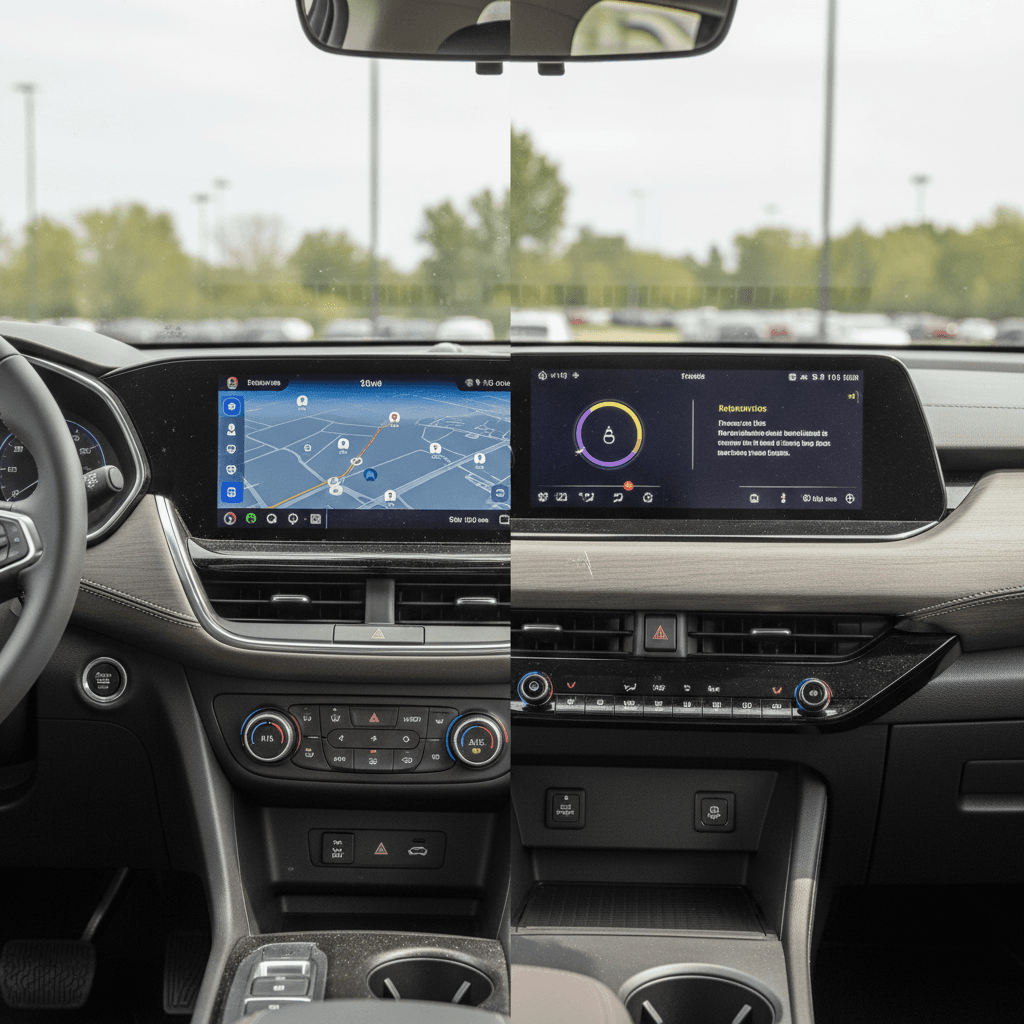
- Design: Interior leans toward clean and functional, digital screens, physical controls where it counts, and a layout that should feel familiar if you’re coming from a gas Equinox or another mainstream SUV.
- Ride comfort: Tuned for everyday commuting and family duty; not luxurious, but composed.
Ariya: Quiet and upmarket
- Seating: Soft, supportive seats with an emphasis on long-distance comfort. Available features like ventilated seats and more upscale materials give it a near‑luxury vibe on higher trims.
- Cargo: Similar overall practicality, though exact volume varies by battery and drivetrain. Some owners praise the flat floor and flexible storage solutions.
- Design: Minimalist, lounge‑like cabin with ambient lighting and a distinctive dash layout. Feels more like a concept car brought to production.
- Ride comfort: Very quiet and refined, particularly at highway speeds, one of Ariya’s standout strengths.
Family-Friendly Either Way
Tech, Safety Features, and Driving Experience
Here the comparison is less about who has more screens, both are well-equipped, and more about which flavor of driver-assist tech and infotainment ecosystem you prefer.
Technology and Safety Highlights
Core features you’ll notice every day behind the wheel
Infotainment & connectivity
- Both offer large central touchscreens and digital gauge clusters.
- Apple CarPlay and Android Auto are broadly available; wireless on many trims.
- Equinox EV leans into GM’s latest Google‑built‑in interface; Ariya uses Nissan’s system with a cleaner, lounge‑like presentation.
Driver assistance
- Equinox EV: Chevy Safety Assist is standard, with adaptive cruise, lane‑keeping, and available more advanced hands‑free systems on some trims.
- Ariya: Nissan’s ProPILOT Assist suite brings smooth lane‑centering and adaptive cruise; higher trims add more functionality.
Driving character
- Equinox EV: Feels punchy in daily driving, especially in AWD form, with instant torque and stable highway manners.
- Ariya: Tuned for comfort, quiet cabin, smooth acceleration, and a more relaxed, premium feel than many mainstream crossovers.
“Equinox EV aims to be the ‘everyday EV’ for American families, while Ariya is more of a style-forward, comfort-first alternative to traditional crossovers.”
Ownership Costs, Reliability, and Resale
Total cost of ownership is where EVs often surprise first-time buyers. Electricity is typically cheaper than gasoline, but insurance, tires, and depreciation all matter. Equinox EV and Ariya each bring different risk–reward profiles.
- Energy costs: With similar size and power, electricity costs per mile are broadly comparable. Equinox EV’s higher range can mean fewer public fast‑charge stops if you mostly charge at home.
- Maintenance: Both benefit from EV simplicity, no oil changes, fewer moving parts. You’ll still budget for tires, cabin filters, brake fluid, and potential software updates.
- Reliability: Nissan has a longer EV history in the U.S. thanks to the Leaf, but Ariya is still relatively new. Equinox EV is brand‑new for Chevy, so long‑term reliability data is still developing for both.
- Depreciation: EVs have historically depreciated faster than comparable gas models, though tax credits and price cuts complicate the picture. Early used Ariya prices suggest meaningful discounts vs. new; Equinox EV resale is still forming as more volume hits the market.
- Resale signals: Range, charging speed, and eligibility for used‑EV incentives can support higher resale values. On those metrics, Equinox EV has a built‑in advantage, if Chevy maintains strong support and software updates.
Don’t Ignore Battery Health
Who Should Choose Equinox EV vs Nissan Ariya?
Choose the Chevrolet Equinox EV if…
- You want maximum value per dollar. With strong federal tax credit eligibility and aggressive pricing, the Equinox EV often comes out several thousand dollars ahead of a similarly equipped Ariya.
- Range anxiety is a concern. EPA‑estimated range around the low‑300s means fewer stops and more flexibility for road trips, even in winter.
- You care about charging speed and NACS access. Faster AC charging, competitive DC rates, and GM’s growing access to Tesla’s Supercharger network make long‑distance travel easier.
- You prefer familiar Chevy ergonomics. The cabin feels like a modern take on a mainstream SUV, which can make the EV transition feel less intimidating.
Choose the Nissan Ariya if…
- Comfort and design come first. If you value a quiet, upscale interior and distinctive styling, Ariya still feels more premium in many trims.
- You find a strong used‑market deal. A lightly used Ariya that’s already taken its biggest depreciation hit can undercut a new Equinox EV, especially if you don’t qualify for the full federal credit.
- You do mostly local driving. For shorter commutes and regional trips, Ariya’s shorter range and slower charge speeds might be a non‑issue.
- You like Nissan’s driver‑assist tuning. ProPILOT Assist has a loyal following among drivers who value smooth lane‑centering and natural steering feel.
How Recharged Fits Into Your Equinox EV or Ariya Decision
Whether you’re leaning toward a Chevrolet Equinox EV or a Nissan Ariya, your biggest questions usually boil down to three things: battery health, fair pricing, and how painful the buying process will be. That’s exactly where Recharged focuses.
Why Compare and Buy Used EVs With Recharged
Tools and services built specifically for electric vehicles
Recharged Score battery report
Transparent, fair pricing
Financing, trade‑in, and delivery
Ready to find your next EV?
Browse VehiclesBottom line: if you want the strongest blend of range, charging performance, and incentive‑driven value, the Chevrolet Equinox EV is hard to beat. If you prioritize a quieter, more premium-feeling cabin and can find a compelling deal, especially on the used market, the Nissan Ariya still deserves a serious look. Start by clarifying how far you really drive, how often you road‑trip, and how long you’ll keep the vehicle. Then use objective tools like the Recharged Score to make sure the Equinox EV or Ariya you choose lives up to the promise on its spec sheet.